
5-String Semi-Acoustic Basses
2 instruments available
Shop 5-String Semi-Acoustic Basses 2026
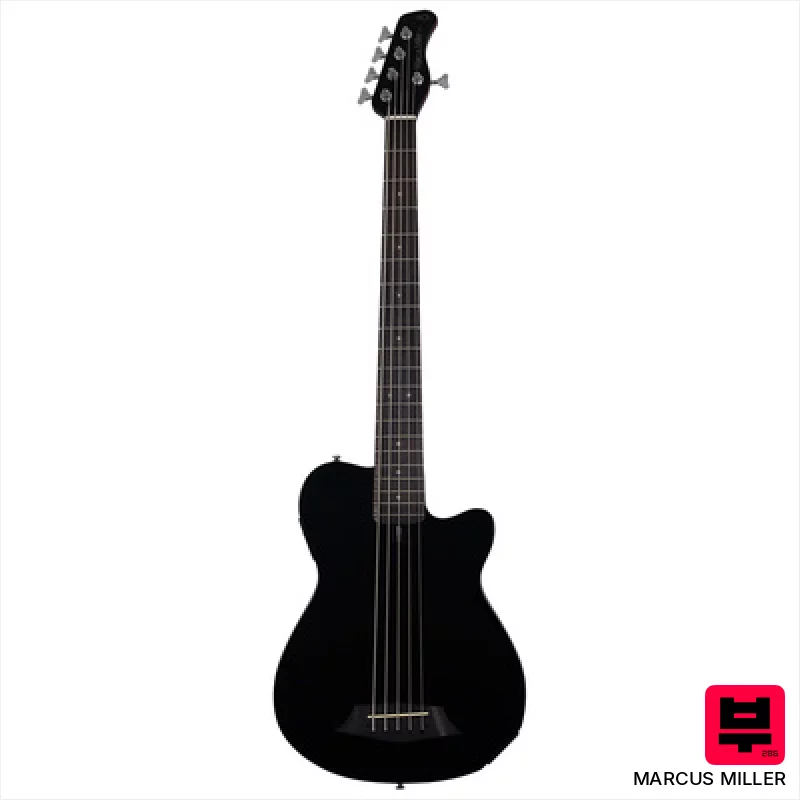
Marcus Miller GB5-5 Black
5-String Semi-Acoustic Basses
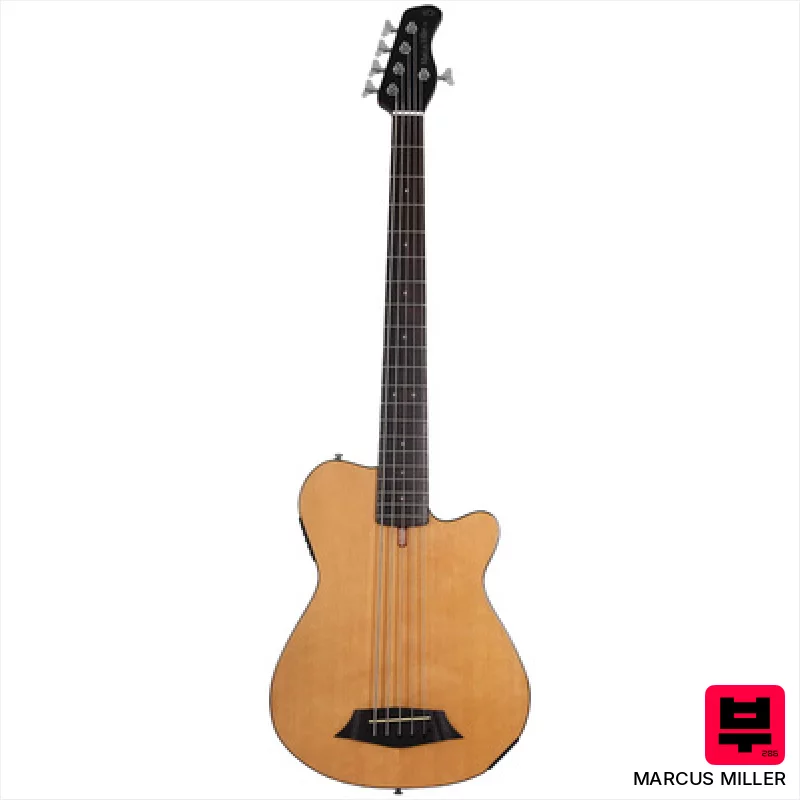
Marcus Miller GB5-5 Natural
5-String Semi-Acoustic Basses
About 5-String Semi-Acoustic Basses
This category features 5-string semi-acoustic basses, blending the warmth and resonance of an acoustic bass with the amplified versatility of an electric. Primarily favored by upright bass players transitioning to a more portable instrument or bassists seeking a unique tonal palette, these basses offer a distinct voice for jazz, blues, and studio recording. The semi-acoustic construction allows for a natural acoustic tone while providing the power needed for stage performance.
5-String Semi-Acoustic Basses — Pros & Cons
PROS
- Offers a unique blend of acoustic warmth and amplified power.
- Provides a more portable alternative to a full-size upright bass.
- Versatile for various genres, from jazz to blues and beyond.
- Aesthetically distinctive, often featuring beautiful wood finishes.
CONS
- Can be more susceptible to feedback than solid-body basses.
- Acoustic projection is generally less powerful than a full-size upright.
- The semi-acoustic nature can complicate amplification and EQing.
- Typically more expensive than comparable electric 5-string basses.
Frequently Asked Questions About 5-String Semi-Acoustic Basses
The hollow body enhances the natural resonance and warmth, creating a more organic and upright-like tone compared to solid-body instruments, but requires careful amp and EQ choices.
Yes, but feedback can be a concern; proper stage monitoring and EQ adjustments are crucial for optimal performance and to minimize unwanted noise.
Maple, mahogany, and combinations thereof are common, each influencing the bass's tonal characteristics; maple tends to be brighter while mahogany offers a warmer, more mellow response.

