
Best Xylophones for Solo Performance 2026
So, you're going solo on the xylophone? That's a cool move - it's a seriously expressive instrument when you're driving the whole show. But not every xylophone is built for that kind of spotlight. You need something that cuts through a room, has a responsive action for those tricky passages, and, frankly, sounds good enough to make people stop and listen. Let's look at what's out there.
Last updated: July 15, 2026 • Next update: July 22, 2026
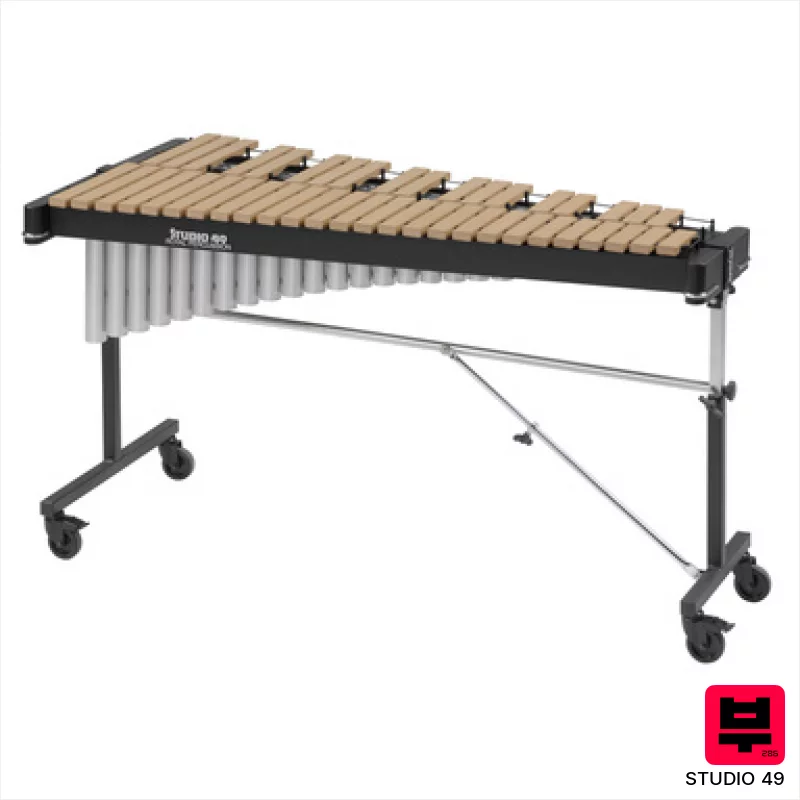
Studio 49 RXC/G 3050/V A=443
- • Grilldour bars offer exceptional tuning stability and clarity.
- • Convertible semitone rows provide performance flexibility.
- • Robust, foldable stand simplifies transport and storage.
- • Included mallets offer a good starting point for sound exploration.
- • Grilldour material, while stable, can lack the warmth of rosewood.
- • The included mallets are basic and may need upgrading for advanced players.
- • At a premium price point, it's a significant investment.
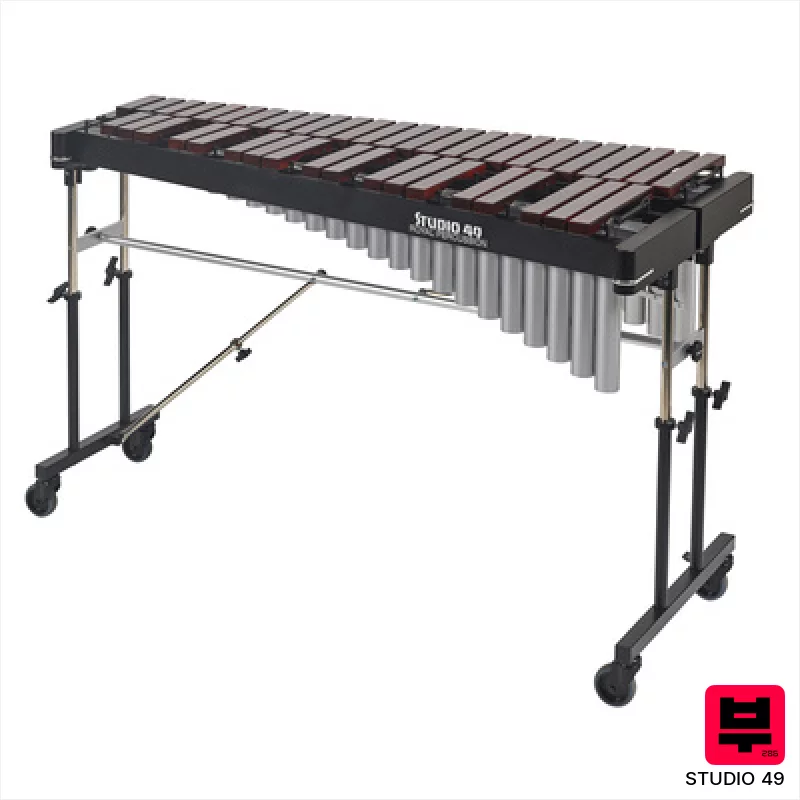
Studio 49 RXC 3050/V A=443Hz
- • Rosewood bars deliver a warm, resonant, and controlled tone.
- • Patented head allows for quick and customizable bar arrangement.
- • Adjustable height and foldable stand enhance portability and setup.
- • Included mallets provide a solid starting point for playing.
- • The 443Hz tuning might require retuning for standard orchestral work.
- • Rosewood can be susceptible to changes in humidity and temperature.
- • The included mallets are basic and may be upgraded for nuanced playing.
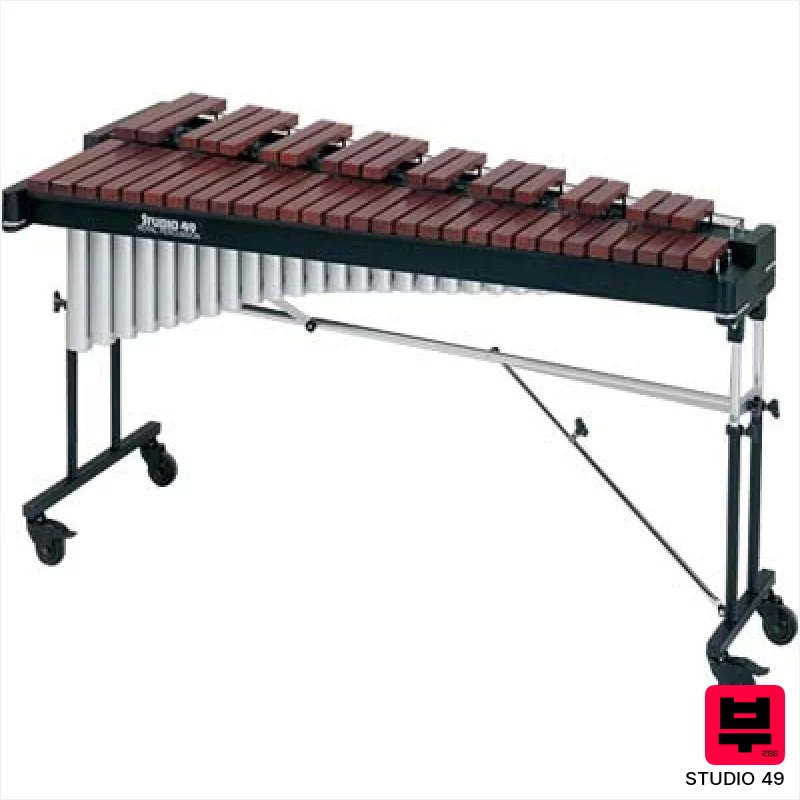
Studio 49 RXC 4000/V A=442
- • Rosewood resonators deliver a warm, rich, and sustained tone.
- • Patented head allows for expressive tuning and performance flexibility.
- • Stable, foldable stand facilitates transport and setup.
- • Included mallets are a solid starting point for a variety of styles.
- • Rosewood's tonal character may lack the bright attack of padauk.
- • The size and weight make it less ideal for smaller spaces or frequent transport.
- • The included mallets are basic and may be upgraded for professional use.

Sonor CX PO 38 Palisono Bar Set
- • Sonor’s Palisono bars offer a warm, resonant, and controlled tone.
- • The F-F#3 range is ideal for orchestral and contemporary works.
- • Bars are precision-engineered for accurate tuning and even response across the spectrum.
- • Sonor's quality construction ensures durability and consistent performance.
- • Requires a separate Sonor CX PO frame for full functionality, increasing overall cost.
- • The included mallets are a basic starting point; serious players will want upgrades.
- • The limited range restricts versatility for some extended compositions.
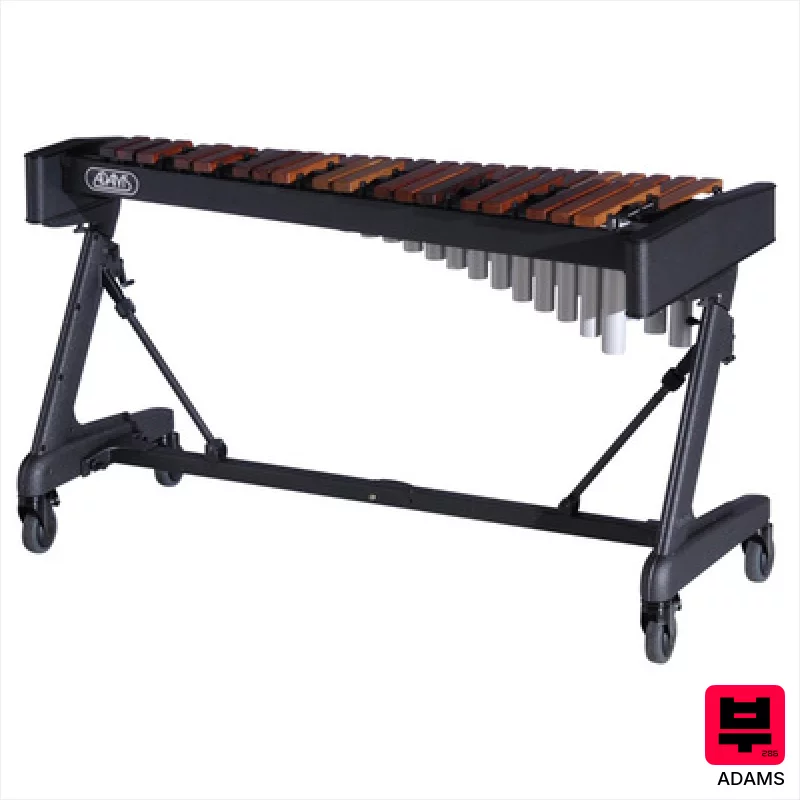
Adams XS2HA35 Solist Xylophone A=442
- • Rosewood bars offer warm, focused, and articulate tone.
- • Apex frame provides excellent resonance and projection.
- • A=442 tuning caters to European orchestral standards.
- • Height adjustability makes it accessible for players of various heights.
- • Rosewood bars, while beautiful, can be more susceptible to humidity changes.
- • The weight makes transportation and setup a bit cumbersome for solo performers.
- • The included mallets are a decent starting point, but serious players will likely upgrade.
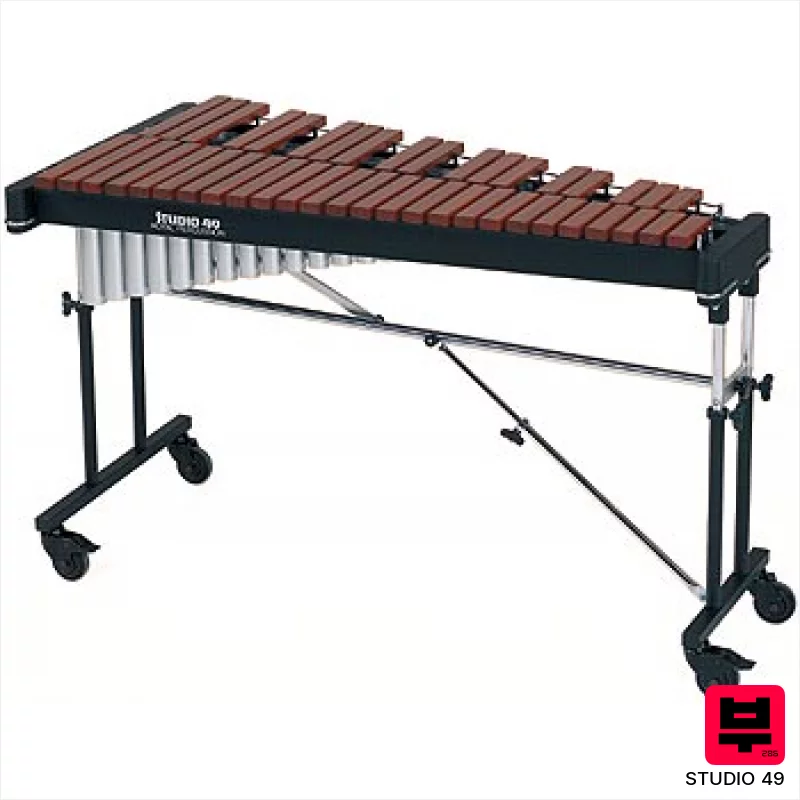
Studio 49 RXC 3050/V A=442Hz
- • Rosewood bars deliver warm, focused resonance ideal for orchestral work
- • Patented head allows for flexible row arrangements and expressive playing
- • Adjustable height and foldable stand enhance portability and setup speed
- • Included mallets are a good starting point, offering a balanced attack
- • Honduras rosewood, while beautiful, can be susceptible to humidity changes
- • The included mallets are serviceable, but serious players will likely upgrade
- • Limited range compared to extended xylophone setups (only 3.5 octaves)
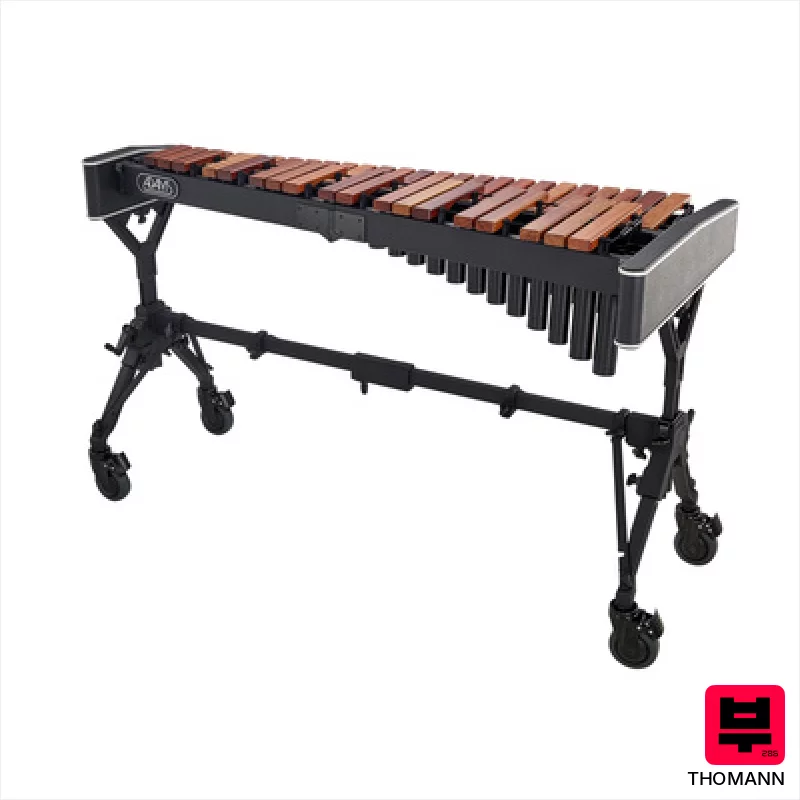
Thomann XS2HV35T Solist Xylophone A442
- • Rosewood bars offer a warm, resonant, and focused tone.
- • Adams build quality ensures reliable tuning and durability.
- • Closed resonators enhance projection and sustain significantly.
- • Adjustable height caters to diverse player comfort and performance needs.
- • The 32 kg weight makes transport and setup a two-person job.
- • Rosewood, while beautiful, can be sensitive to humidity changes.
- • 3.5 octave range might feel limiting for extended, complex compositions.
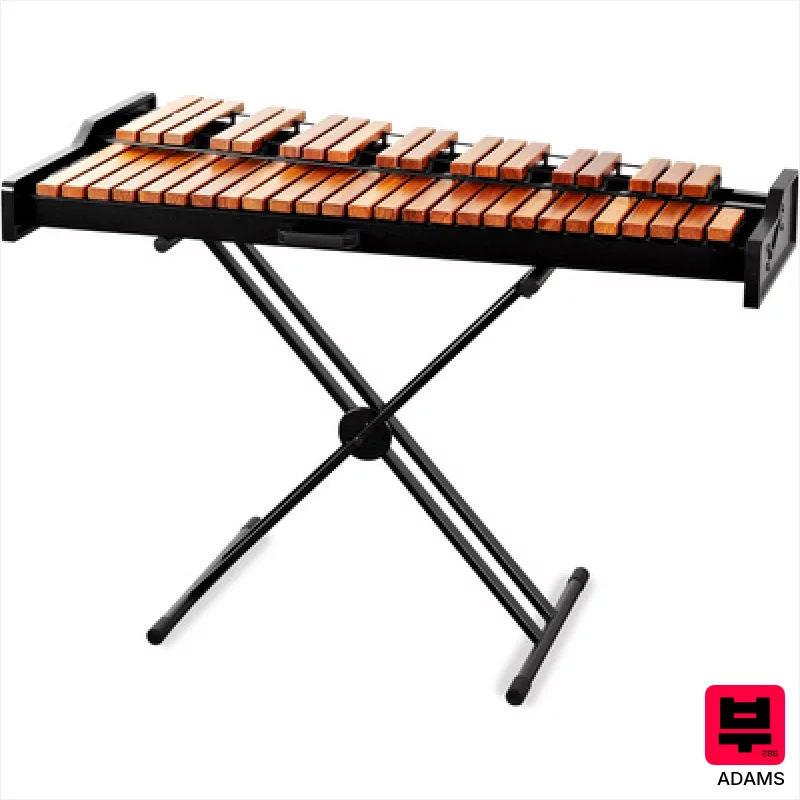
Adams XSLD35 Xylo. Table Model A=442
- • Swartzia bars offer a warm, resonant, and complex tone.
- • Table model provides excellent stability and projection.
- • Octave tuning ensures accurate and reliable intonation.
- • Included mallets are a decent starting point for beginners.
- • Swartzia, while beautiful, can be more susceptible to humidity changes.
- • Table models take up considerable floor space, limiting portability.
- • Mallets are basic; serious players will likely upgrade quickly.
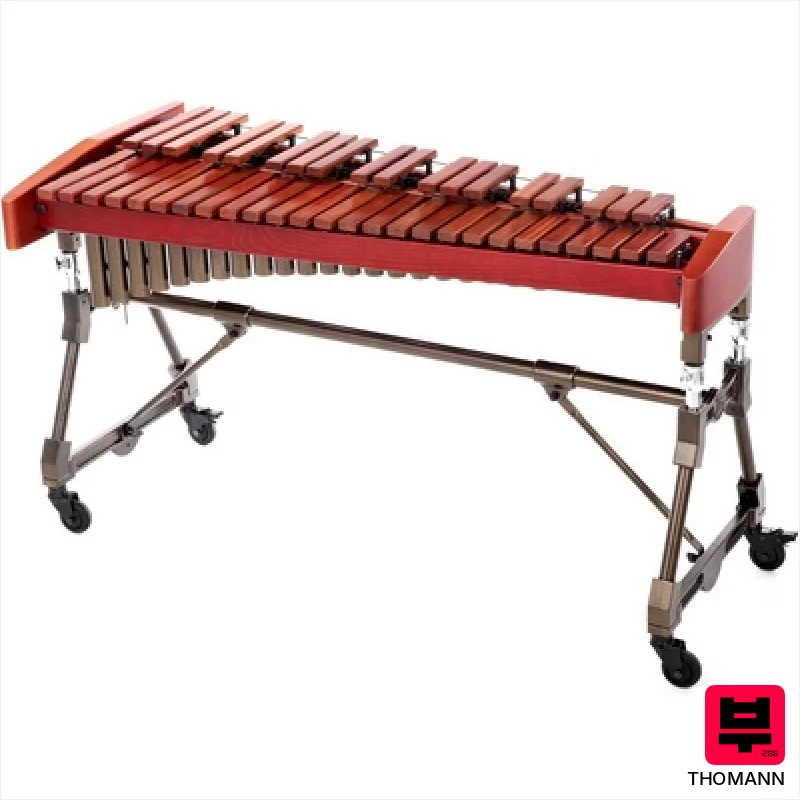
Thomann THX 3.5 A=442Hz
- • Pau rose bars deliver a warm, resonant, and surprisingly complex tone.
- • European construction ensures robust build quality and tight tolerances.
- • Stepless height adjustment offers excellent tuning flexibility for various players.
- • Solid wood frame provides stability and contributes to the instrument's overall resonance.
- • The included mallets are basic; serious players will likely upgrade.
- • At its price point, it lacks the refined voicing of higher-end xylophones.
- • The large size and weight make transport and storage a consideration.
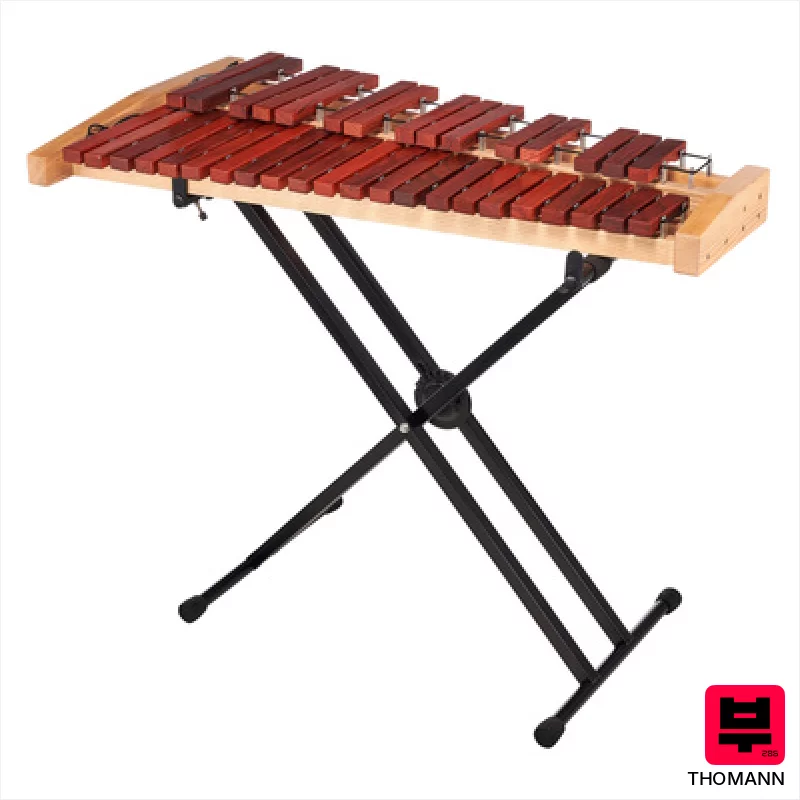
Thomann THTX 3.0 Xylophone
- • Solid wooden frame provides stability and a warm resonance.
- • Included carrying bag with backpack straps offers excellent portability.
- • 3-octave range (C5-C8) covers a useful melodic territory.
- • Mallets provided are suitable for beginners and practice sessions.
- • Bars are likely rosewood or a similar budget wood, limiting sustain and complexity.
- • The tabletop design restricts performance options; not ideal for orchestral work.
- • Mallet restriction means limited tonal palette; softer mallets only.
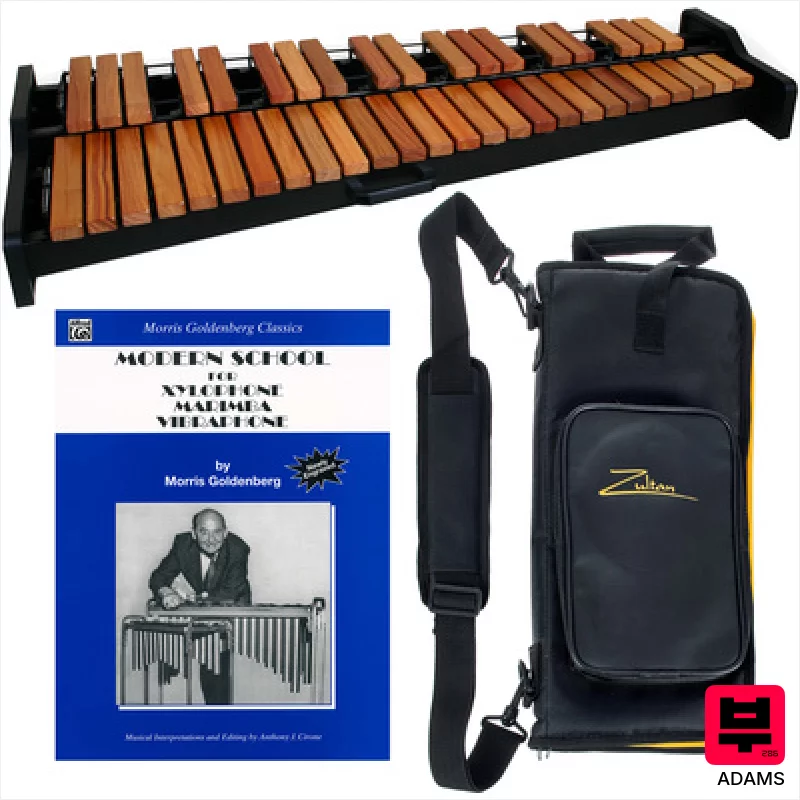
Adams XSLD35 Xylophone M-Bag Set
- • Swartzia bars offer a warm, resonant, and clear tone.
- • Table design provides stable playing and easy transport.
- • A=442 tuning caters to modern orchestral requirements.
- • Included method book aids in learning and skill development.
- • The table design, while portable, can be less stable than a traditional stand.
- • Swartzia fistuloides, while excellent, can be susceptible to humidity changes.
- • The included mallets are basic, and serious players will likely upgrade.
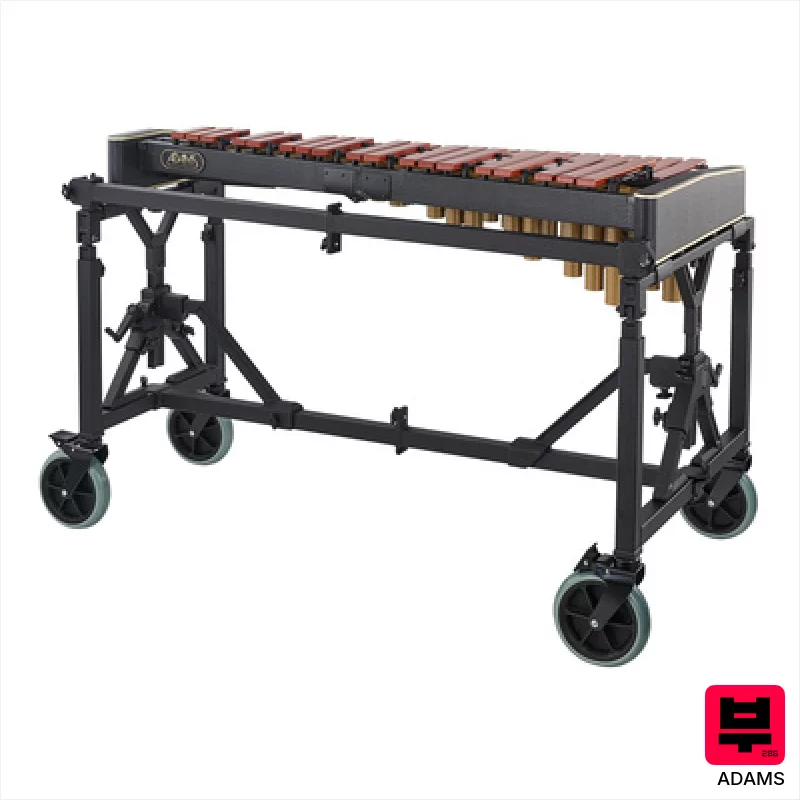
Adams XS1KF35 Solist Xylophone A=442
- • Adams’ plastic bars offer a clear, bright, and consistent tone.
- • The field frame design allows for easy transport and setup.
- • Quint tuning provides excellent intonation and responsiveness for advanced players.
- • Adjustable height caters to a wide range of player comfort and performance needs.
- • The 40 kg weight makes transport a challenge without assistance.
- • Plastic bars, while consistent, lack the warmth of rosewood or padauk.
- • The included mallets are a basic starting point, upgrades are recommended.
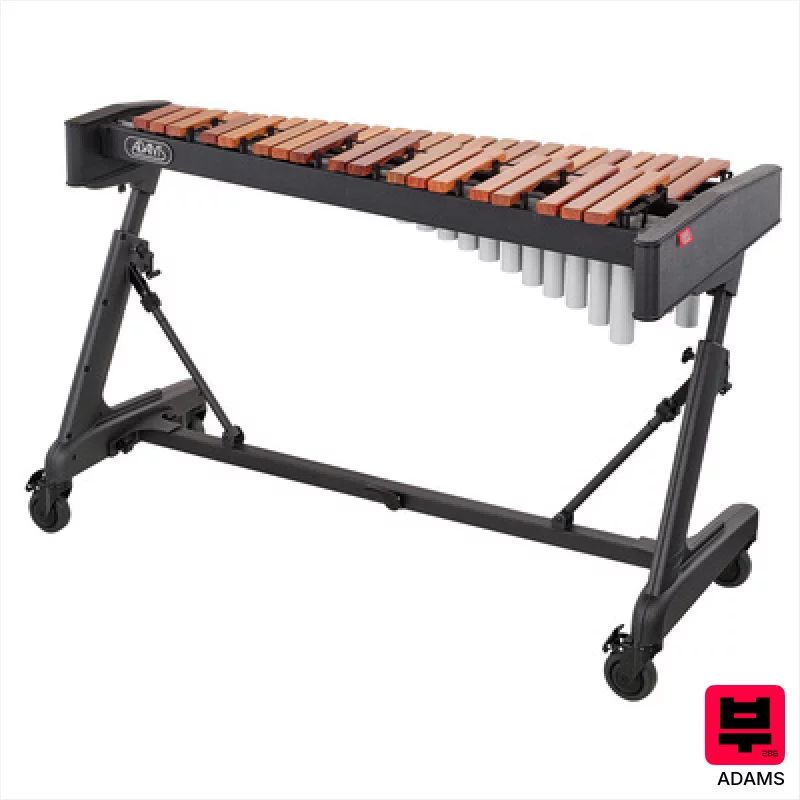
Adams XS2LA35 Solist Xylophone A=442
- • Pao Rosa bars offer a warm, resonant, and focused tone.
- • Apex frame provides excellent stability and precise tuning.
- • Octave tuning ensures exceptional clarity and evenness across the range.
- • Height adjustability caters to a wide range of player preferences and ergonomics.
- • The weight (32 kg) makes transport and setup a challenge for solo performers.
- • The included mallets are a decent starting point, but serious players will likely upgrade.
- • The frame, while robust, could benefit from additional bracing for extreme travel.

Adams XS2LA40 Solist Xylophone A=442
- • Pao Rosa bars deliver a warm, resonant, and complex tone.
- • Apex frame provides exceptional stability and tuning accuracy.
- • A=442 tuning caters to European orchestral standards and historical performance practice.
- • Height adjustability accommodates diverse players and performance setups.
- • The weight makes transport and setup a challenge for solo performers.
- • Pao Rosa, while beautiful, can be susceptible to environmental changes affecting tuning.
- • Limited to 4 octaves; not ideal for extended, complex compositions.

Bergerault Xylophone XR3 A=442Hz
- • Honduras rosewood bars offer exceptional warmth and clarity.
- • Gold-coloured resonators maximize projection and sustain.
- • Adjustable height accommodates diverse player preferences and ergonomics.
- • Robust frame ensures stability and reliable performance on stage.
- • The substantial size makes transportation and storage challenging.
- • Rosewood is susceptible to humidity changes, requiring careful maintenance.
- • Premium-priced, representing a significant investment for many musicians.
How to Choose the Best Xylophones
Tone & Sustain
For solo performance, you need a xylophone that can project. You're not hiding behind a band. Look for a balanced tone - not overly bright (that ice-picky top end gets tiring fast) or muddy. Sustain is key; you need the notes to linger enough to create phrases and textures. A little warmth in the midrange is a huge plus.
Action & Responsiveness
A sluggish action will kill your articulation. You need to be able to execute those fast runs and delicate passages cleanly. The spacing of the bars is also vital - too close and you'll be sloppy, too far and it's just awkward.
Durability & Construction
Gigging a xylophone isn't exactly gentle. You want something that can take a beating - a solid frame, well-fitted bars, and resonators that won't rattle or crack. Cheap xylophones often use thinner bars which means a weaker tone and more potential for warping.
Resonator Quality
The resonators are what give the xylophone its sustain and tonal color. Better resonators (often made from thicker metal) will produce a richer, more resonant sound. They're the difference between a xylophone that sounds like a toy and one that sounds like an instrument.
Portability & Setup
Solo gigs often mean hauling your gear yourself. A lighter, more compact xylophone is a lifesaver. Ease of setup is also crucial - you don't want to spend half your soundcheck wrestling with a complicated frame.
Buying Guide
Don't be fooled by low prices. Xylophones are surprisingly complex instruments, and corners will be cut on cheaper models - usually in bar material, resonator quality, or overall construction. Spending a bit more gets you a significantly better instrument that will hold up to gigging and sound noticeably better. If you're serious about solo performance, prioritize tone and action over flashy features. A well-built, responsive xylophone will elevate your performance more than any fancy pickup system ever could.
Our Methodology
We're not just looking at specs here. We've spent hours playing these instruments - in practice rooms, on stage, and running them through recording sessions. We've A/B'd them against each other, listened for that crucial difference between a pleasant chime and a truly captivating tone, and paid attention to how they feel under your hands. It's about real-world performance, not just a manufacturer's claims.

