
Best Xylophones for Contemporary Classical 2026
So, you're diving into the world of contemporary classical and need a solid xylophone? It's a different beast than the concert hall standard - you're not just playing marches anymore. We're talking extended techniques, microtonal explorations, and a need for a really responsive instrument that can handle some serious dynamic range. Let's cut through the noise and figure out what'll work for you, whether you're in a studio or a recital hall.
Last updated: July 15, 2026 • Next update: July 22, 2026
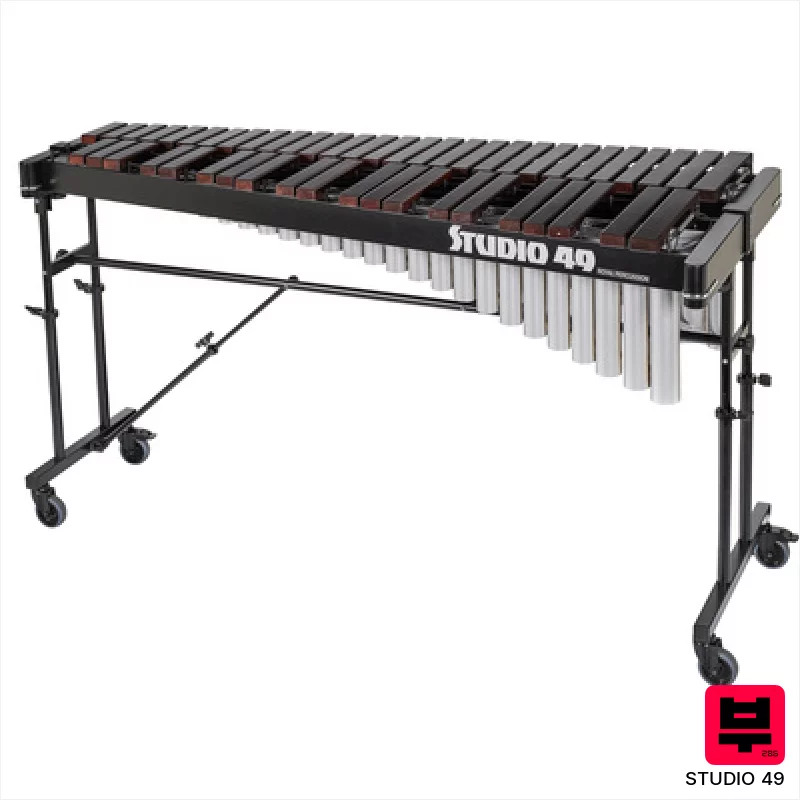
Studio 49 RXC 4000/V A=443
- • Rosewood soundboards deliver a warm, resonant, and complex tone.
- • Patented head allows for quick and intuitive halftone row adjustments.
- • Stable, foldable stand simplifies transportation and setup considerably.
- • Included mallets offer a good starting point for a variety of playing styles.
- • The Honduras rosewood, while excellent, might be a concern for sustainability-minded buyers.
- • At a premium price point, it represents a significant investment.
- • While versatile, its 4-octave range may feel limiting for extended orchestral works.
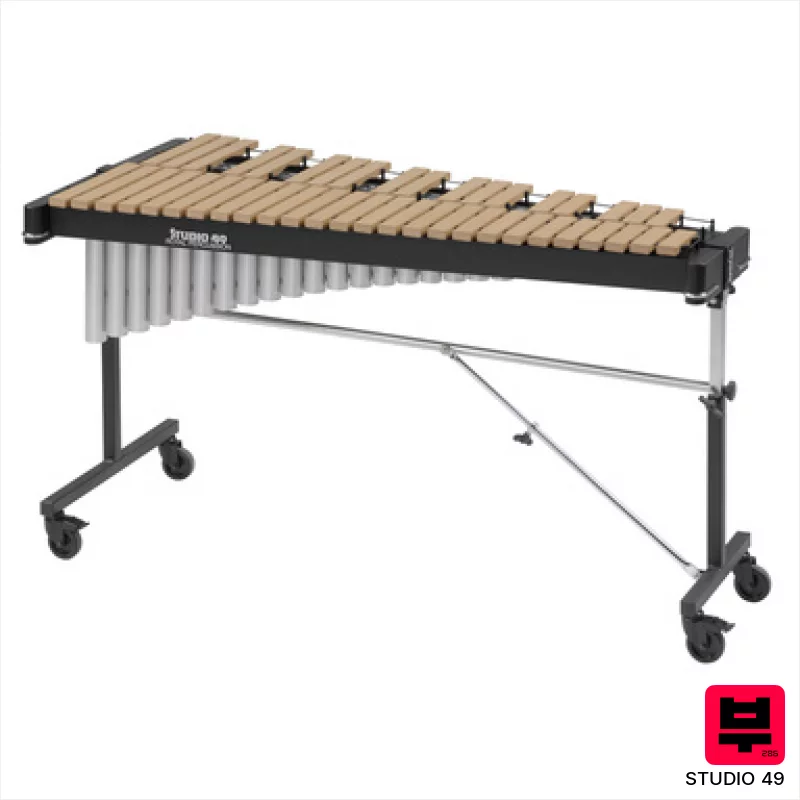
Studio 49 RXC/G 3050/V A=443
- • Grilldour bars offer exceptional tuning stability and clarity.
- • Convertible semitone rows provide performance flexibility.
- • Robust, foldable stand simplifies transport and storage.
- • Included mallets offer a good starting point for sound exploration.
- • Grilldour material, while stable, can lack the warmth of rosewood.
- • The included mallets are basic and may need upgrading for advanced players.
- • At a premium price point, it's a significant investment.

Bergerault Xylophone XR3 A=442Hz
- • Honduras rosewood bars offer exceptional warmth and clarity.
- • Gold-coloured resonators maximize projection and sustain.
- • Adjustable height accommodates diverse player preferences and ergonomics.
- • Robust frame ensures stability and reliable performance on stage.
- • The substantial size makes transportation and storage challenging.
- • Rosewood is susceptible to humidity changes, requiring careful maintenance.
- • Premium-priced, representing a significant investment for many musicians.

Thomann THX 3.5 A=443Hz
- • Swartzia bars deliver a warm, resonant, and surprisingly complex tone.
- • Stepless height adjustment offers excellent tuning flexibility for varied players.
- • Solid wooden frame provides stability and contributes to the instrument’s resonance.
- • Cover included protects the xylophone from dust and environmental damage.
- • The Swartzia wood, while good, isn’t quite the same as premium rosewood or padauk.
- • At 1530 mm length, it requires significant space for setup and performance.
- • While well-built, the frame's finish may show wear with heavy use.
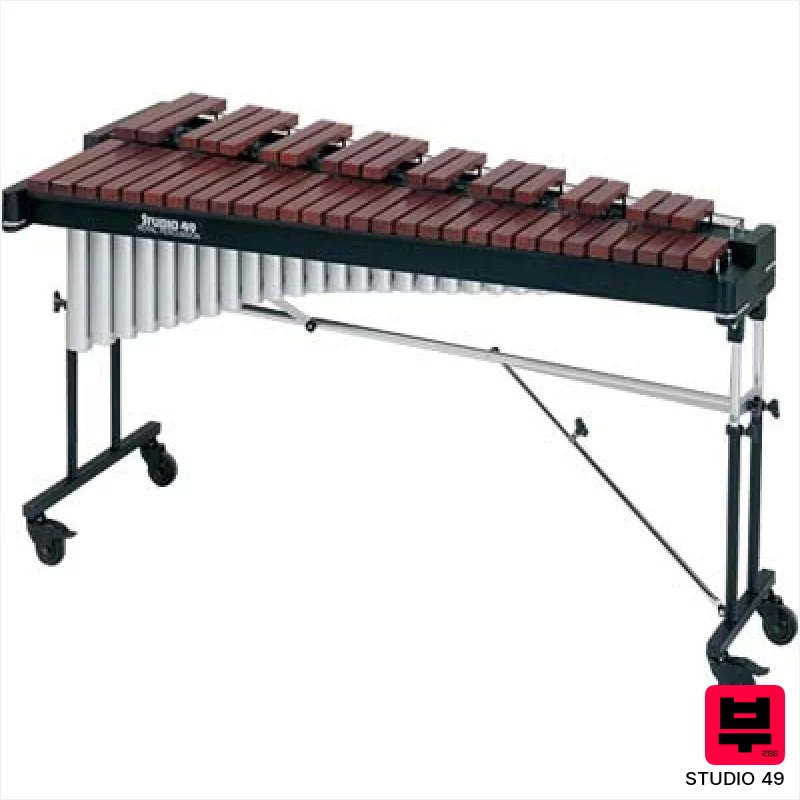
Studio 49 RXC 4000/V A=442
- • Rosewood resonators deliver a warm, rich, and sustained tone.
- • Patented head allows for expressive tuning and performance flexibility.
- • Stable, foldable stand facilitates transport and setup.
- • Included mallets are a solid starting point for a variety of styles.
- • Rosewood's tonal character may lack the bright attack of padauk.
- • The size and weight make it less ideal for smaller spaces or frequent transport.
- • The included mallets are basic and may be upgraded for professional use.
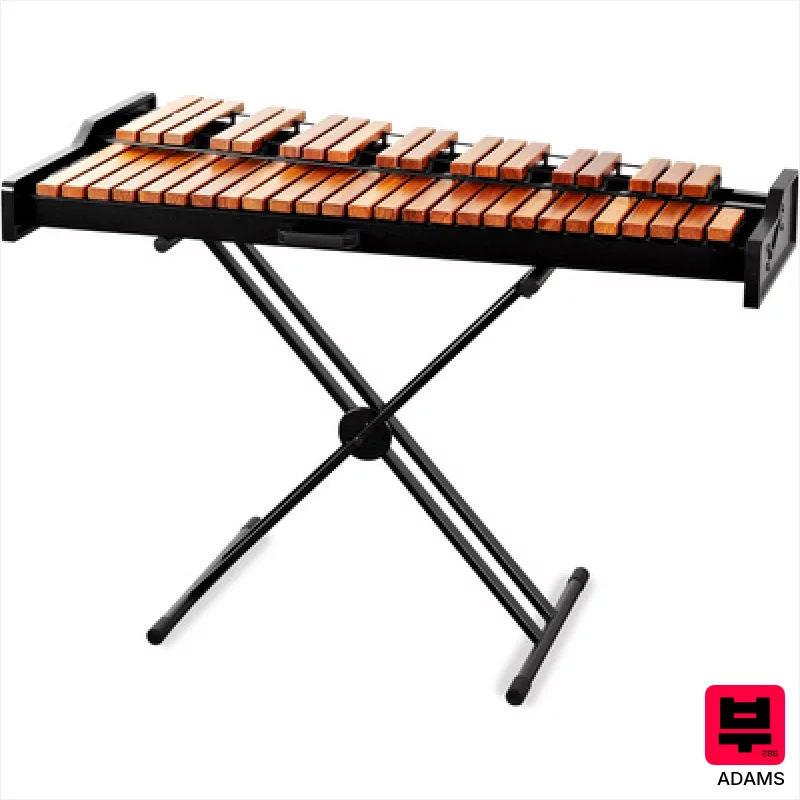
Adams XSLD35 Xylo. Table Model A=442
- • Swartzia bars offer a warm, resonant, and complex tone.
- • Table model provides excellent stability and projection.
- • Octave tuning ensures accurate and reliable intonation.
- • Included mallets are a decent starting point for beginners.
- • Swartzia, while beautiful, can be more susceptible to humidity changes.
- • Table models take up considerable floor space, limiting portability.
- • Mallets are basic; serious players will likely upgrade quickly.
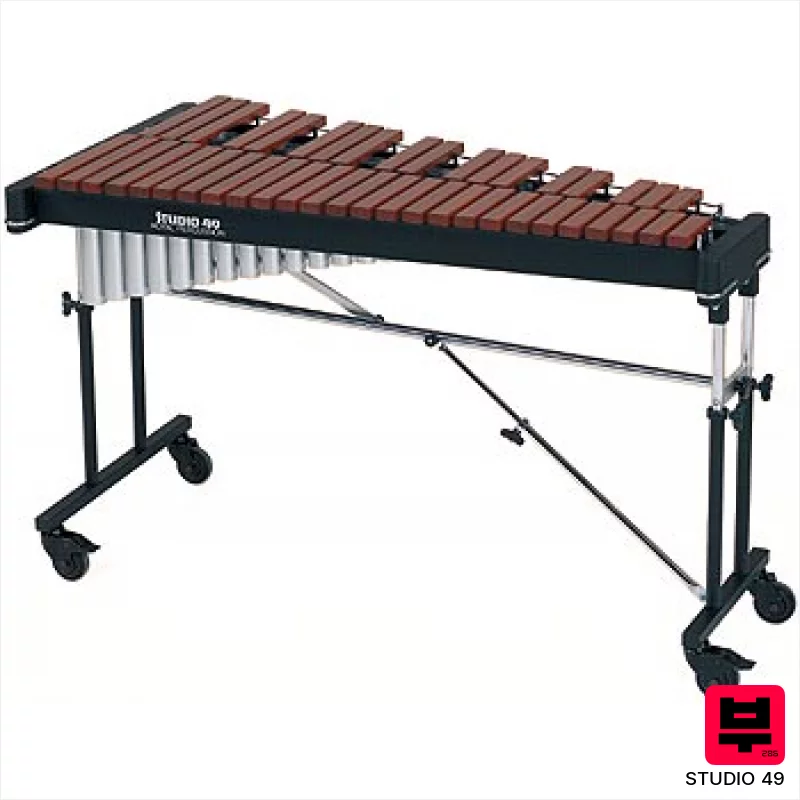
Studio 49 RXC 3050/V A=442Hz
- • Rosewood bars deliver warm, focused resonance ideal for orchestral work
- • Patented head allows for flexible row arrangements and expressive playing
- • Adjustable height and foldable stand enhance portability and setup speed
- • Included mallets are a good starting point, offering a balanced attack
- • Honduras rosewood, while beautiful, can be susceptible to humidity changes
- • The included mallets are serviceable, but serious players will likely upgrade
- • Limited range compared to extended xylophone setups (only 3.5 octaves)
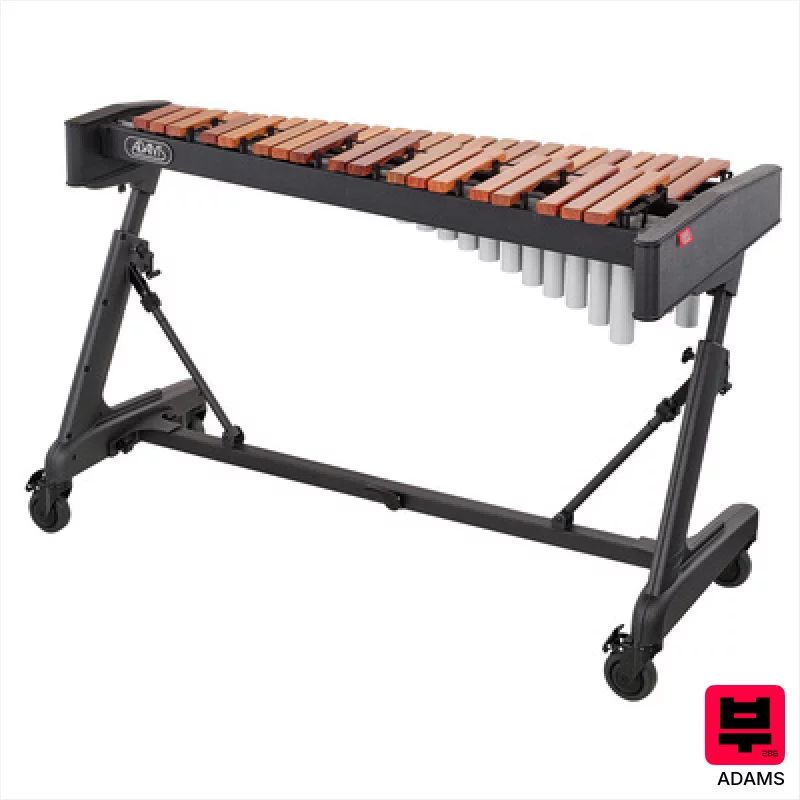
Adams XS2LA35 Solist Xylophone A=442
- • Pao Rosa bars offer a warm, resonant, and focused tone.
- • Apex frame provides excellent stability and precise tuning.
- • Octave tuning ensures exceptional clarity and evenness across the range.
- • Height adjustability caters to a wide range of player preferences and ergonomics.
- • The weight (32 kg) makes transport and setup a challenge for solo performers.
- • The included mallets are a decent starting point, but serious players will likely upgrade.
- • The frame, while robust, could benefit from additional bracing for extreme travel.
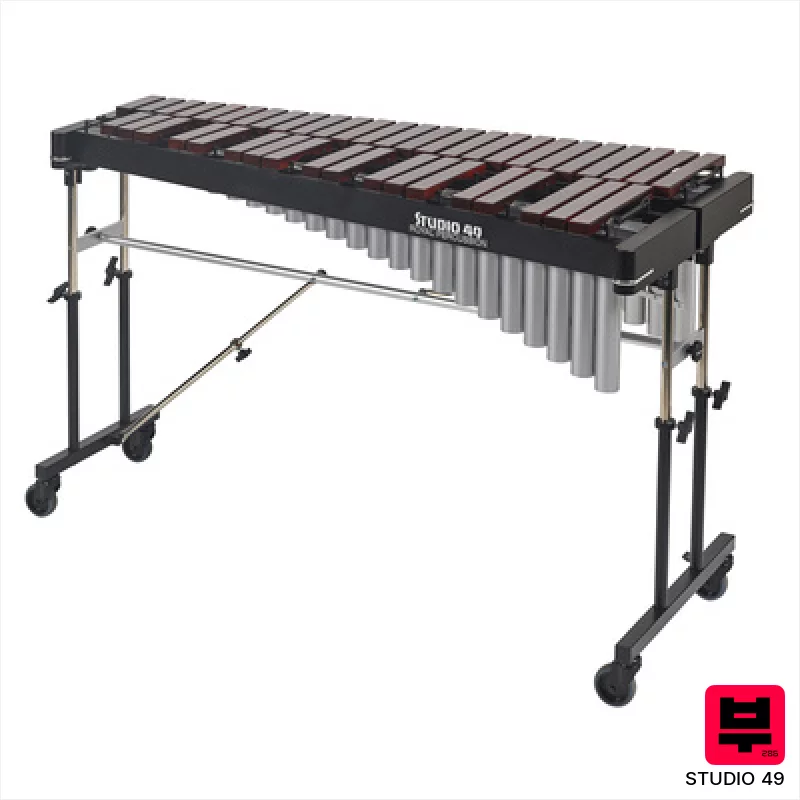
Studio 49 RXC 3050/V A=443Hz
- • Rosewood bars deliver a warm, resonant, and controlled tone.
- • Patented head allows for quick and customizable bar arrangement.
- • Adjustable height and foldable stand enhance portability and setup.
- • Included mallets provide a solid starting point for playing.
- • The 443Hz tuning might require retuning for standard orchestral work.
- • Rosewood can be susceptible to changes in humidity and temperature.
- • The included mallets are basic and may be upgraded for nuanced playing.

Thomann THXS 3.5 Xylophone
- • Pau rosa bars offer a warm, focused tone with excellent clarity.
- • European manufacture ensures solid construction and quality control.
- • 3.5 octave range provides substantial melodic and harmonic possibilities.
- • Wood frame contributes to resonance and a traditional aesthetic appeal.
- • Table model requires a stable, flat surface for optimal performance.
- • Pau rosa, while excellent, might lack the extreme projection of rosewood.
- • The weight will make transport and setup a two-person job.
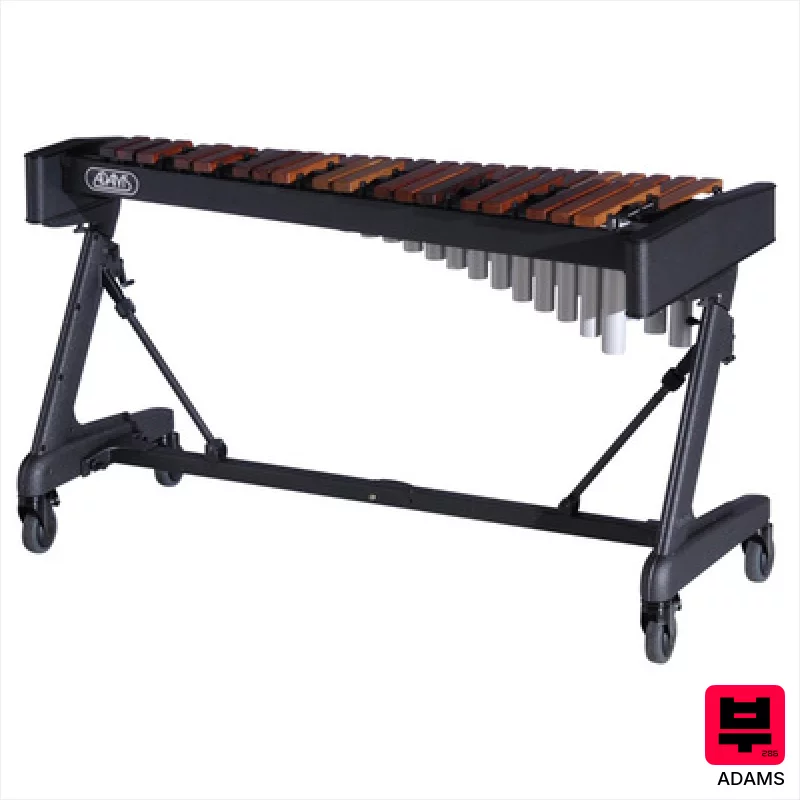
Adams XS2HA35 Solist Xylophone A=442
- • Rosewood bars offer warm, focused, and articulate tone.
- • Apex frame provides excellent resonance and projection.
- • A=442 tuning caters to European orchestral standards.
- • Height adjustability makes it accessible for players of various heights.
- • Rosewood bars, while beautiful, can be more susceptible to humidity changes.
- • The weight makes transportation and setup a bit cumbersome for solo performers.
- • The included mallets are a decent starting point, but serious players will likely upgrade.

Adams XS2LA40 Solist Xylophone A=442
- • Pao Rosa bars deliver a warm, resonant, and complex tone.
- • Apex frame provides exceptional stability and tuning accuracy.
- • A=442 tuning caters to European orchestral standards and historical performance practice.
- • Height adjustability accommodates diverse players and performance setups.
- • The weight makes transport and setup a challenge for solo performers.
- • Pao Rosa, while beautiful, can be susceptible to environmental changes affecting tuning.
- • Limited to 4 octaves; not ideal for extended, complex compositions.
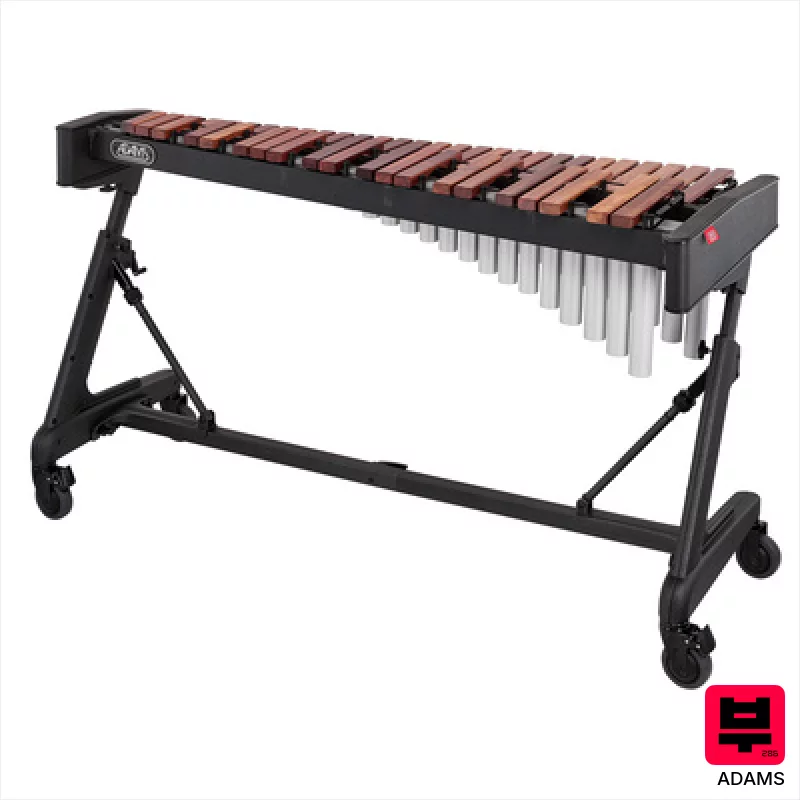
Adams XS2HA40 A=442Hz
- • Rosewood bars offer warm, complex overtones for a rich sound
- • Apex frame provides excellent resonance and stability
- • A=442Hz tuning caters to European orchestral standards
- • Adjustable height accommodates diverse player preferences and ergonomics
- • Rosewood can be susceptible to environmental humidity changes
- • 35kg weight makes transport and setup challenging for solo performers
- • Limited tonal versatility compared to synthetic bar xylophones
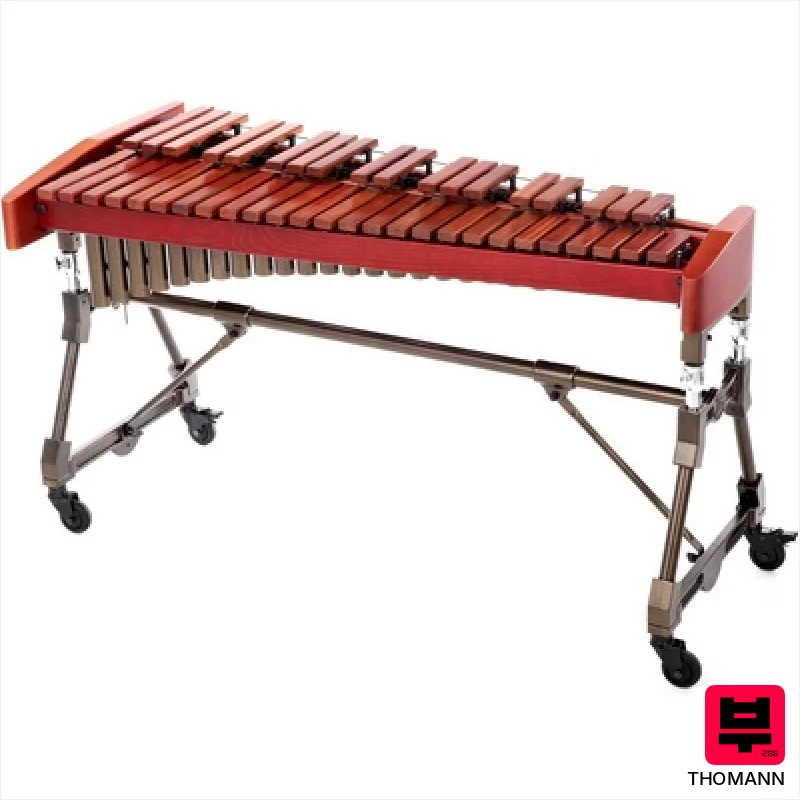
Thomann THX 3.5 A=442Hz
- • Pau rose bars deliver a warm, resonant, and surprisingly complex tone.
- • European construction ensures robust build quality and tight tolerances.
- • Stepless height adjustment offers excellent tuning flexibility for various players.
- • Solid wood frame provides stability and contributes to the instrument's overall resonance.
- • The included mallets are basic; serious players will likely upgrade.
- • At its price point, it lacks the refined voicing of higher-end xylophones.
- • The large size and weight make transport and storage a consideration.
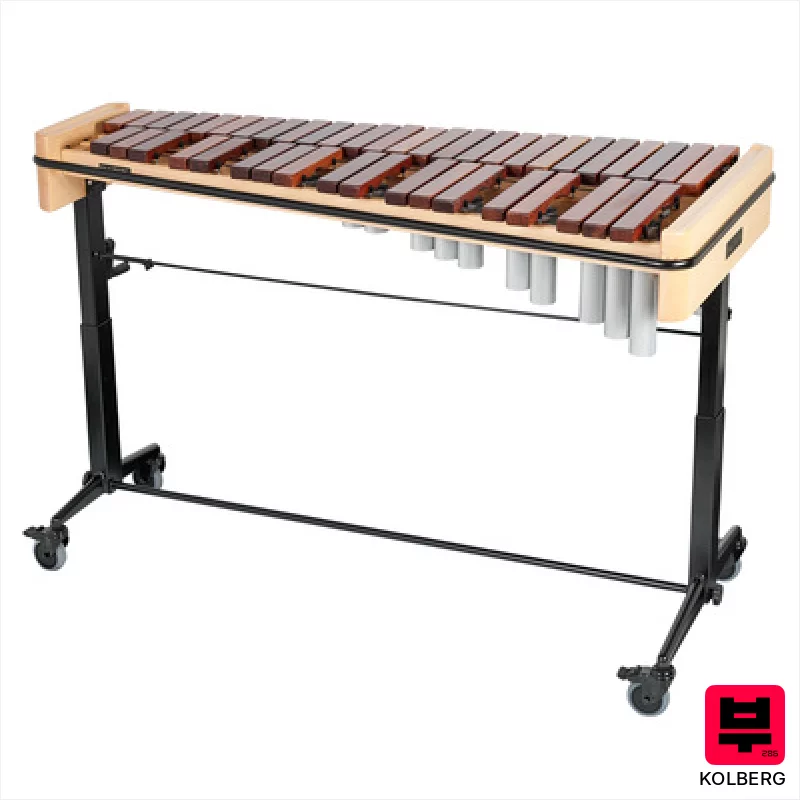
Kolberg 2495 Xylophone Concert
- • Rosewood bars offer a warm, resonant, and complex tonal character.
- • Continuous height adjustment caters to diverse player preferences and ergonomics.
- • Foldable design enhances portability and storage convenience significantly.
- • Natural beech frame provides a visually appealing and robust structural foundation.
- • Rosewood can be susceptible to humidity changes, potentially requiring retuning.
- • The weight, typical for a concert xylophone, can make transport challenging without assistance.
- • The included mallets are serviceable, but a serious player will likely upgrade.
How to Choose the Best Xylophones
Tonal Clarity & Sustain
Contemporary classical often demands complex textures and subtle nuances. You need a xylophone that isn't just loud, but clear. We're talking about a defined attack, a clean decay, and a lack of muddiness - no unwanted overtones blurring the lines. Sustain needs to be present, but not excessively long, allowing for quick articulations.
Action & Responsiveness
This is critical. Contemporary composers often write passages that require lightning-fast fingerwork and incredibly precise articulation. The action needs to be light and even across the entire range, allowing for subtle dynamic shifts and effortless trills. A sluggish action will kill your performance.
Bar Construction & Wood Type
The bars themselves are the heart of the instrument. Rosewood is the classic choice, offering a warm, complex tone. Padauk can be brighter and more focused, which can be useful for cutting through a dense ensemble. Bar construction-how they're tuned and braced-directly affects sustain and resonance. Sloppy construction leads to uneven tone.
Frame Stability & Resonance
A wobbly frame kills sustain and makes the instrument a pain to manage on stage. The frame needs to be rigid and well-damped to avoid sympathetic vibrations and unwanted ringing. The resonator tubes, often made of metal or plastic, also impact the overall tonal character; metal tends to be brighter, plastic warmer.
Extended Range & Tuning Flexibility
Many contemporary pieces push the boundaries of the standard xylophone range. Having extra notes (either higher or lower) opens up a wider palette of possibilities. The ability to slightly adjust tuning - whether through fine-tuning screws or a more involved process - is invaluable for matching pitch and exploring microtonal concepts.
Buying Guide
Don't get seduced by flashy finishes or inflated price tags. A cheap xylophone will almost certainly have poorly constructed bars with uneven action and a muddy tone that'll make recording a nightmare. Spending a bit more on a well-built instrument with a responsive action and good bar construction will pay dividends in your playing. Look for a stable frame and decent resonators - those are the things that really impact the overall sound.
Our Methodology
We didn't just look at spec sheets here. We put these xylophones through the wringer - practicing etudes, improvising, recording direct, and even throwing some extended techniques at them. We've A/B'd them against each other, listened critically in both dry studio environments and with room reverb, and considered how they'd hold up under the pressure of a gig. This isn't about marketing buzzwords; it's about what sounds good and plays well.

