
Best Xylophones for Educational 2026
So, you're looking for a xylophone for the school music program? It's a bigger deal than just grabbing the cheapest thing on Amazon. You need something that's durable enough for classroom use, tunable to a decent pitch, and has a tone that'll inspire young players - not frustrate them with a dull thud. Let's break down what makes a good xylophone for education, and what to look out for.
Last updated: July 15, 2026 • Next update: July 22, 2026
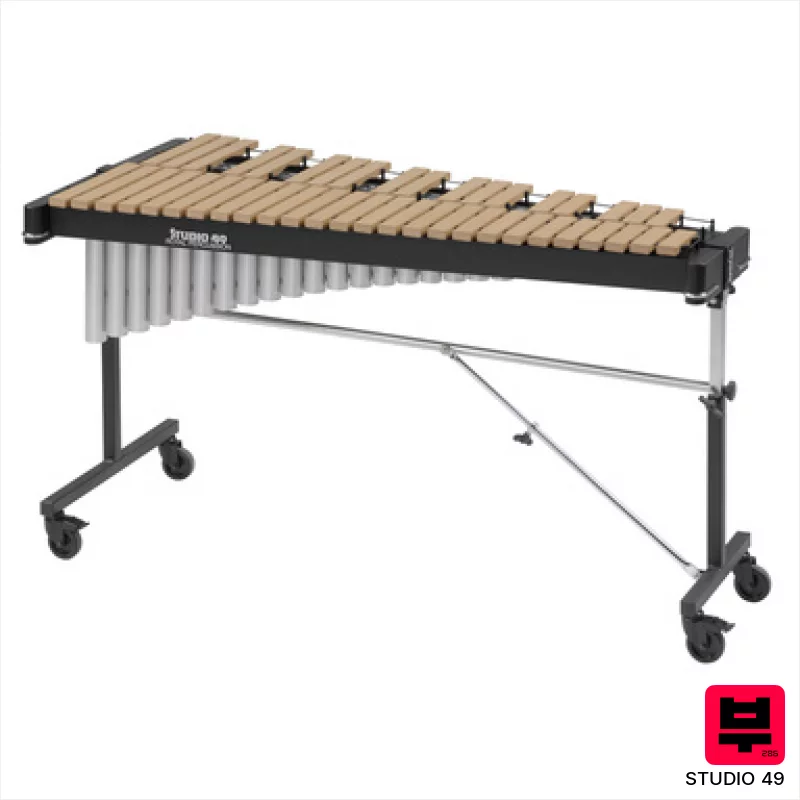
Studio 49 RXC/G 3050/V A=443
- • Grilldour bars offer exceptional tuning stability and clarity.
- • Convertible semitone rows provide performance flexibility.
- • Robust, foldable stand simplifies transport and storage.
- • Included mallets offer a good starting point for sound exploration.
- • Grilldour material, while stable, can lack the warmth of rosewood.
- • The included mallets are basic and may need upgrading for advanced players.
- • At a premium price point, it's a significant investment.
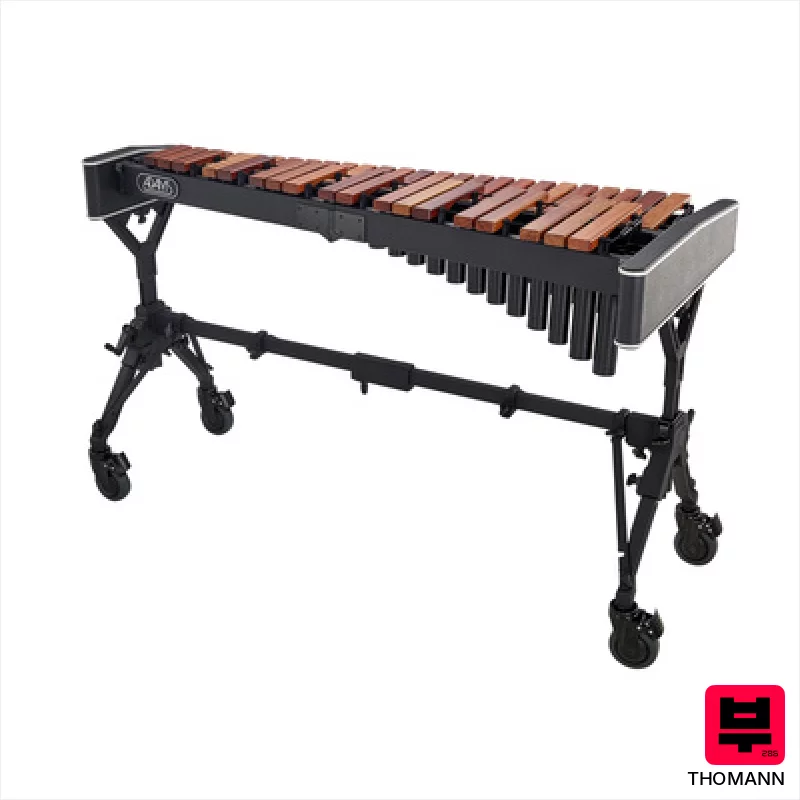
Thomann XS2HV35T Solist Xylophone A442
- • Rosewood bars offer a warm, resonant, and focused tone.
- • Adams build quality ensures reliable tuning and durability.
- • Closed resonators enhance projection and sustain significantly.
- • Adjustable height caters to diverse player comfort and performance needs.
- • The 32 kg weight makes transport and setup a two-person job.
- • Rosewood, while beautiful, can be sensitive to humidity changes.
- • 3.5 octave range might feel limiting for extended, complex compositions.
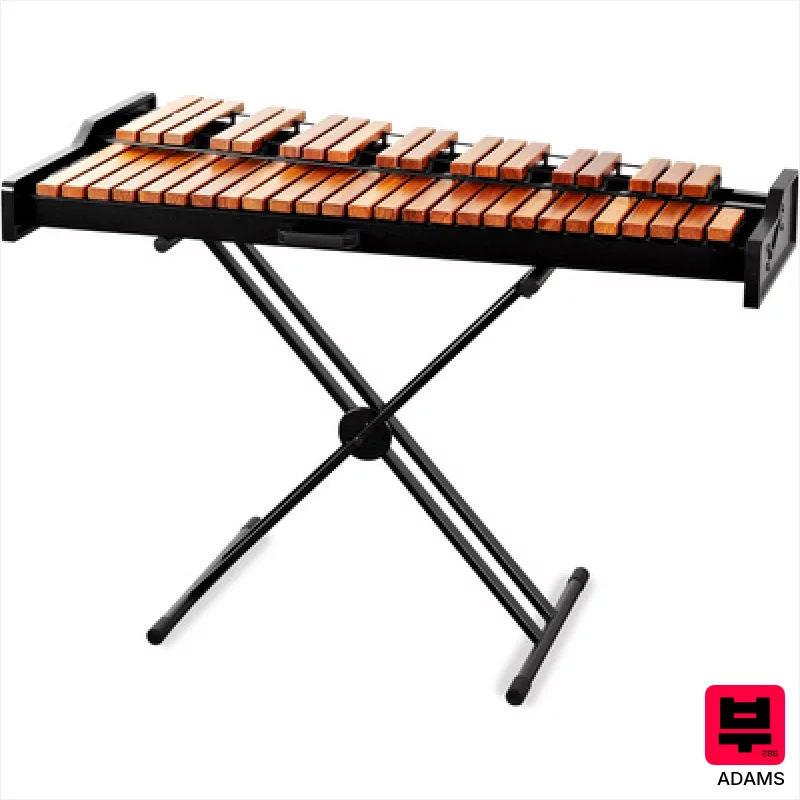
Adams XSLD35 Xylo. Table Model A=442
- • Swartzia bars offer a warm, resonant, and complex tone.
- • Table model provides excellent stability and projection.
- • Octave tuning ensures accurate and reliable intonation.
- • Included mallets are a decent starting point for beginners.
- • Swartzia, while beautiful, can be more susceptible to humidity changes.
- • Table models take up considerable floor space, limiting portability.
- • Mallets are basic; serious players will likely upgrade quickly.
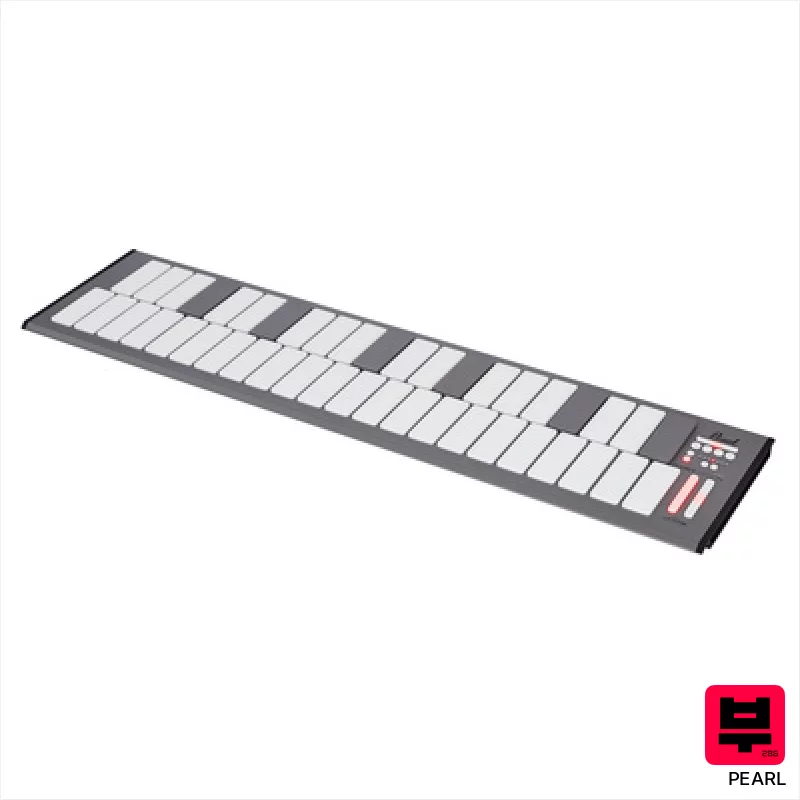
Pearl EM1 Malletstation
- • Solid aluminum and steel frame provides exceptional stability and durability
- • Keith McMillen collaboration yields highly responsive, velocity-sensitive silicone pads
- • Assignable faders and buttons offer versatile performance control and customization
- • Compact size (124.5 x 32 x 4.1 cm) makes it relatively portable for a malletstation
- • Limited to 3 octaves; more advanced players may desire a wider range
- • Requires external power supply; USB power may be unreliable in some setups
- • Silicone pads, while responsive, might not replicate the feel of traditional wooden bars
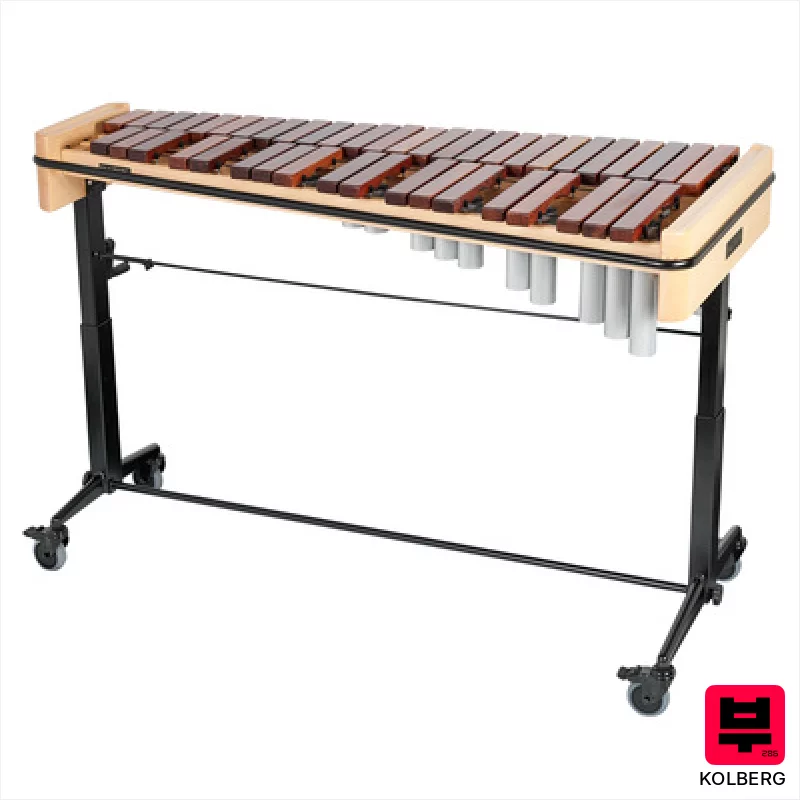
Kolberg 2495 Xylophone Concert
- • Rosewood bars offer a warm, resonant, and complex tonal character.
- • Continuous height adjustment caters to diverse player preferences and ergonomics.
- • Foldable design enhances portability and storage convenience significantly.
- • Natural beech frame provides a visually appealing and robust structural foundation.
- • Rosewood can be susceptible to humidity changes, potentially requiring retuning.
- • The weight, typical for a concert xylophone, can make transport challenging without assistance.
- • The included mallets are serviceable, but a serious player will likely upgrade.

Bergerault Xylophone XR3 A=442Hz
- • Honduras rosewood bars offer exceptional warmth and clarity.
- • Gold-coloured resonators maximize projection and sustain.
- • Adjustable height accommodates diverse player preferences and ergonomics.
- • Robust frame ensures stability and reliable performance on stage.
- • The substantial size makes transportation and storage challenging.
- • Rosewood is susceptible to humidity changes, requiring careful maintenance.
- • Premium-priced, representing a significant investment for many musicians.

Thomann THX 3.5 A=443Hz
- • Swartzia bars deliver a warm, resonant, and surprisingly complex tone.
- • Stepless height adjustment offers excellent tuning flexibility for varied players.
- • Solid wooden frame provides stability and contributes to the instrument’s resonance.
- • Cover included protects the xylophone from dust and environmental damage.
- • The Swartzia wood, while good, isn’t quite the same as premium rosewood or padauk.
- • At 1530 mm length, it requires significant space for setup and performance.
- • While well-built, the frame's finish may show wear with heavy use.
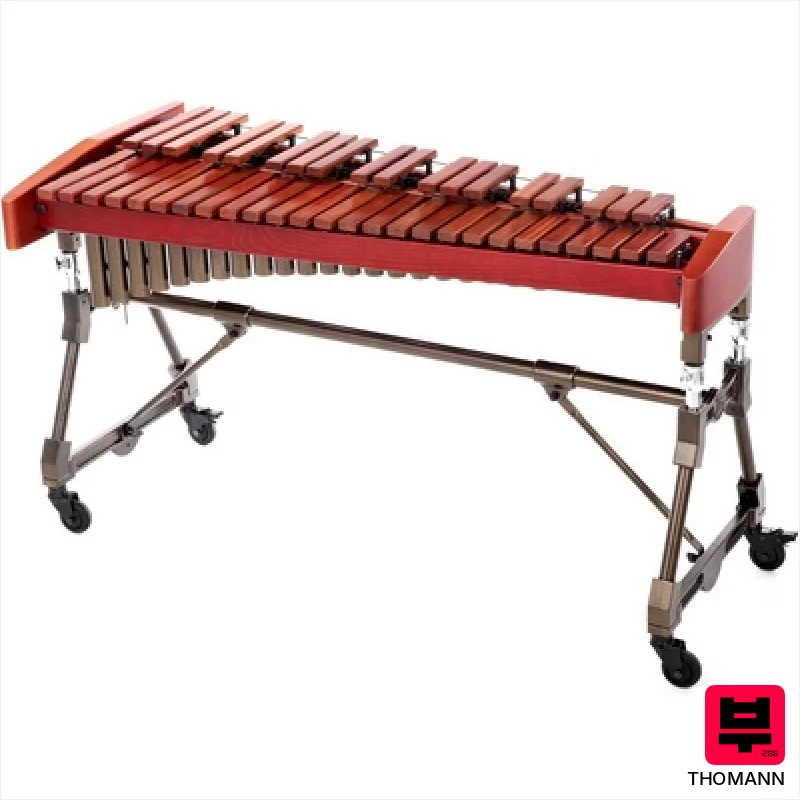
Thomann THX 3.5 A=442Hz
- • Pau rose bars deliver a warm, resonant, and surprisingly complex tone.
- • European construction ensures robust build quality and tight tolerances.
- • Stepless height adjustment offers excellent tuning flexibility for various players.
- • Solid wood frame provides stability and contributes to the instrument's overall resonance.
- • The included mallets are basic; serious players will likely upgrade.
- • At its price point, it lacks the refined voicing of higher-end xylophones.
- • The large size and weight make transport and storage a consideration.
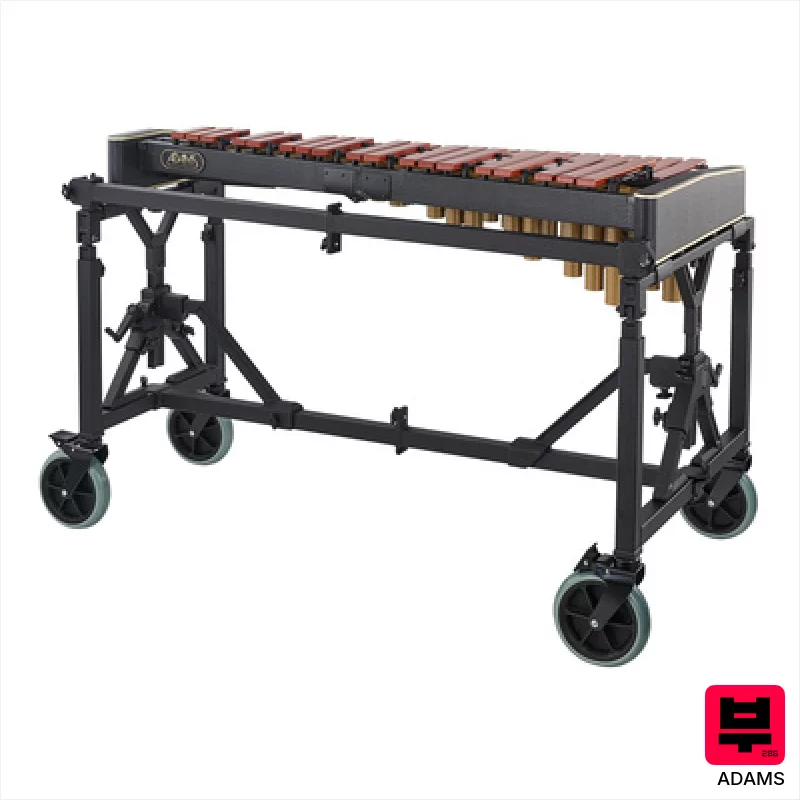
Adams XS1KF35 Solist Xylophone A=442
- • Adams’ plastic bars offer a clear, bright, and consistent tone.
- • The field frame design allows for easy transport and setup.
- • Quint tuning provides excellent intonation and responsiveness for advanced players.
- • Adjustable height caters to a wide range of player comfort and performance needs.
- • The 40 kg weight makes transport a challenge without assistance.
- • Plastic bars, while consistent, lack the warmth of rosewood or padauk.
- • The included mallets are a basic starting point, upgrades are recommended.
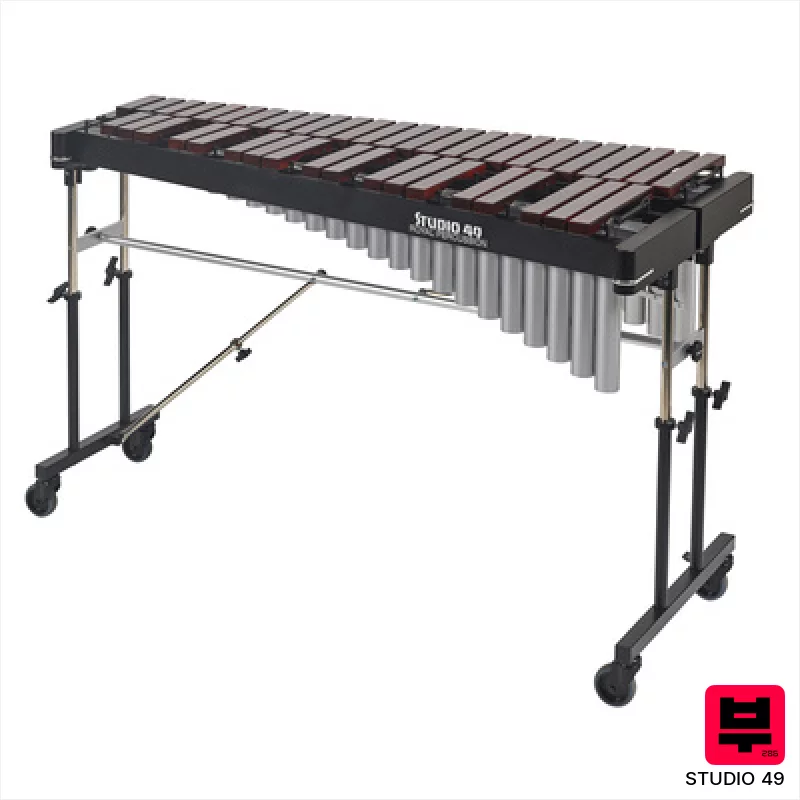
Studio 49 RXC 3050/V A=443Hz
- • Rosewood bars deliver a warm, resonant, and controlled tone.
- • Patented head allows for quick and customizable bar arrangement.
- • Adjustable height and foldable stand enhance portability and setup.
- • Included mallets provide a solid starting point for playing.
- • The 443Hz tuning might require retuning for standard orchestral work.
- • Rosewood can be susceptible to changes in humidity and temperature.
- • The included mallets are basic and may be upgraded for nuanced playing.

Adams XS2LA40 Solist Xylophone A=442
- • Pao Rosa bars deliver a warm, resonant, and complex tone.
- • Apex frame provides exceptional stability and tuning accuracy.
- • A=442 tuning caters to European orchestral standards and historical performance practice.
- • Height adjustability accommodates diverse players and performance setups.
- • The weight makes transport and setup a challenge for solo performers.
- • Pao Rosa, while beautiful, can be susceptible to environmental changes affecting tuning.
- • Limited to 4 octaves; not ideal for extended, complex compositions.
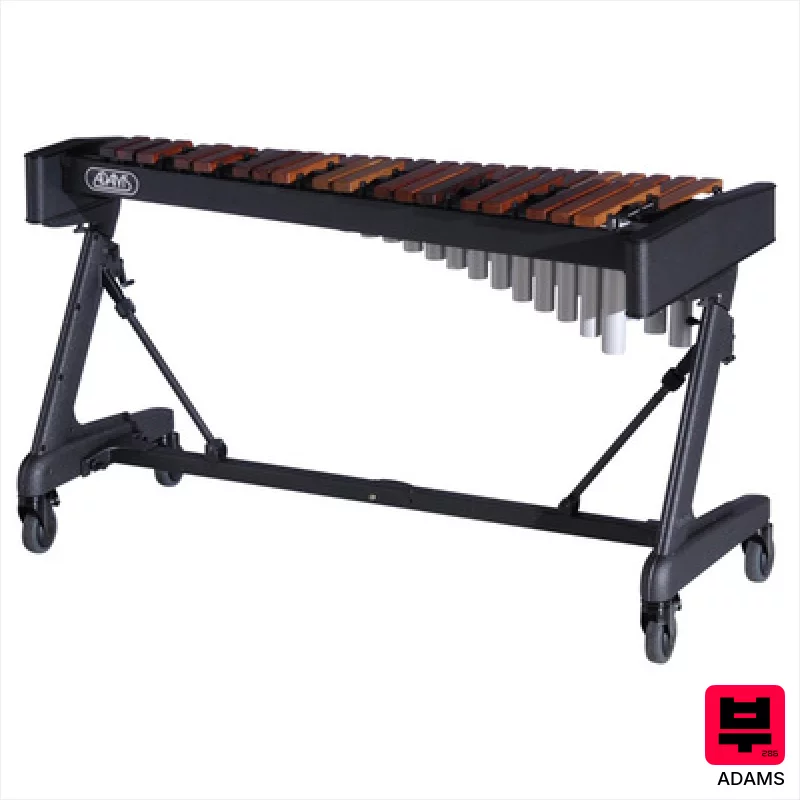
Adams XS2HA35 Solist Xylophone A=442
- • Rosewood bars offer warm, focused, and articulate tone.
- • Apex frame provides excellent resonance and projection.
- • A=442 tuning caters to European orchestral standards.
- • Height adjustability makes it accessible for players of various heights.
- • Rosewood bars, while beautiful, can be more susceptible to humidity changes.
- • The weight makes transportation and setup a bit cumbersome for solo performers.
- • The included mallets are a decent starting point, but serious players will likely upgrade.
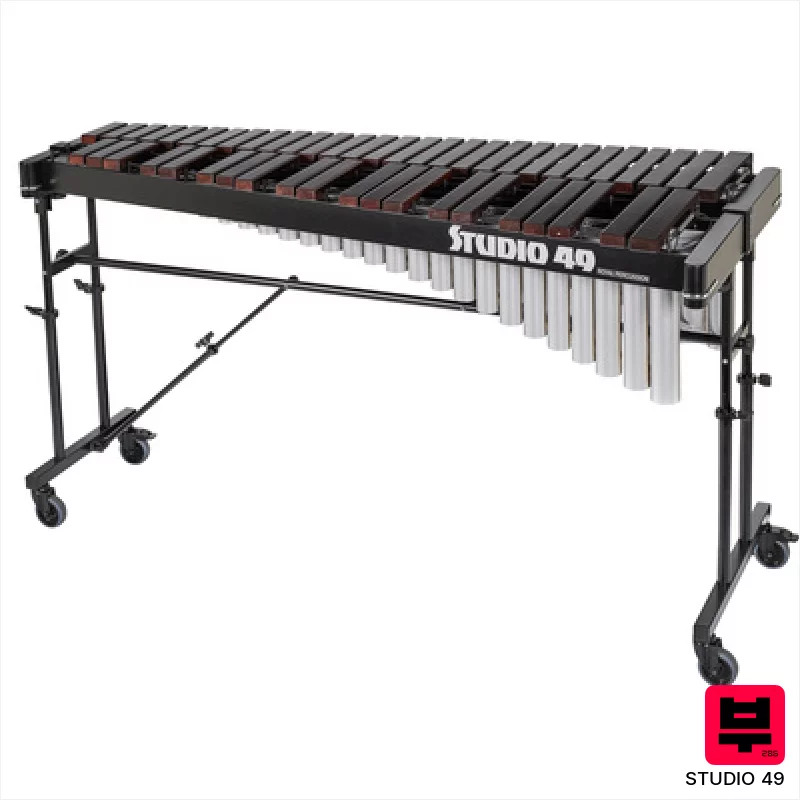
Studio 49 RXC 4000/V A=443
- • Rosewood soundboards deliver a warm, resonant, and complex tone.
- • Patented head allows for quick and intuitive halftone row adjustments.
- • Stable, foldable stand simplifies transportation and setup considerably.
- • Included mallets offer a good starting point for a variety of playing styles.
- • The Honduras rosewood, while excellent, might be a concern for sustainability-minded buyers.
- • At a premium price point, it represents a significant investment.
- • While versatile, its 4-octave range may feel limiting for extended orchestral works.
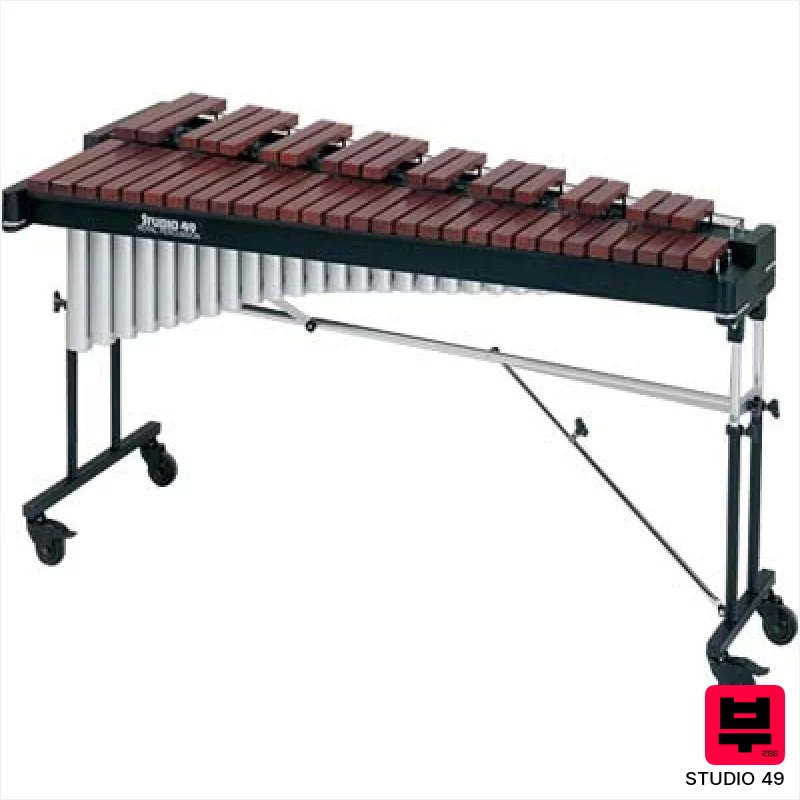
Studio 49 RXC 4000/V A=442
- • Rosewood resonators deliver a warm, rich, and sustained tone.
- • Patented head allows for expressive tuning and performance flexibility.
- • Stable, foldable stand facilitates transport and setup.
- • Included mallets are a solid starting point for a variety of styles.
- • Rosewood's tonal character may lack the bright attack of padauk.
- • The size and weight make it less ideal for smaller spaces or frequent transport.
- • The included mallets are basic and may be upgraded for professional use.
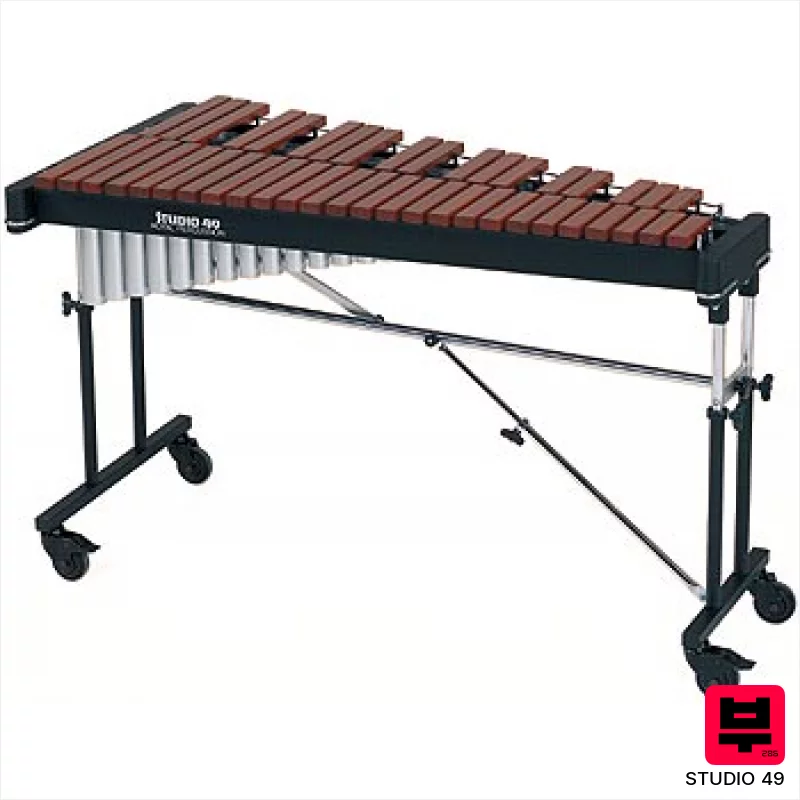
Studio 49 RXC 3050/V A=442Hz
- • Rosewood bars deliver warm, focused resonance ideal for orchestral work
- • Patented head allows for flexible row arrangements and expressive playing
- • Adjustable height and foldable stand enhance portability and setup speed
- • Included mallets are a good starting point, offering a balanced attack
- • Honduras rosewood, while beautiful, can be susceptible to humidity changes
- • The included mallets are serviceable, but serious players will likely upgrade
- • Limited range compared to extended xylophone setups (only 3.5 octaves)
How to Choose the Best Xylophones
Tuning Stability
Cheap xylophones often use resin bars that drift out of tune constantly. Look for bars made from rosewood or padauk - they hold pitch much better, which is critical for student learning and frustrating the teacher less.
Bar Material & Tone
Rosewood tends to have a warmer, more rounded tone, good for developing a solid fundamental. Padauk can be a bit brighter, but still musical. Avoid plastic bars - they often sound thin and lifeless, lacking that resonant character that encourages good technique.
Frame & Resonators
A sturdy frame is a must for classroom durability. Resonators - those tubes underneath the bars - are what amplify the sound. Cheaper models often have short, poorly tuned resonators that kill the sustain and projection. Longer resonators are generally better.
Action & Spacing
The spacing between the bars should be comfortable for smaller hands. A higher action (distance from the bars to the frame) can make it harder to play accurately, especially for beginners. Look for something with a moderate action.
Overall Durability
Let's be honest, these instruments are going to get banged around. The frame needs to be robust, the bars securely mounted, and the overall construction solid enough to withstand regular use by students of varying skill levels.
Buying Guide
Don't chase the absolute cheapest option; you'll end up replacing it sooner than you think. Pay attention to the bar material - rosewood is a solid investment. Check the tuning range - a full chromatic scale is preferable for versatility. And seriously, feel the frame - a wobbly instrument will discourage students and won't project well. It's a balance - a good student xylophone should be playable, tunable, and reasonably durable, not a museum piece.
Our Methodology
We've spent weeks testing a range of xylophones - from student models to higher-end concert instruments - in a classroom setting. We've focused on how they respond to a variety of playing levels, how easily they can be tuned, and how well they project in a typical school environment. We're not just looking at specs; we're listening for that sweet spot between affordability and playability.

