AudioFu Chart · November 2026
Best AKG Wireless instrument microphone systems 2026
The top pick is AKG PW45 Ovid Violin Bundle Band M ($328). AKG WMS 470 Ovid Bundle Band 10 leads the high end. Ranked by the AudioFu Index from 2 models, prices checked every night.
Last updated: November 29, 2026
Top 2
Full detail for the 2 highest AudioFu Index scores. Every other model is listed below.
-
- Size9.5"
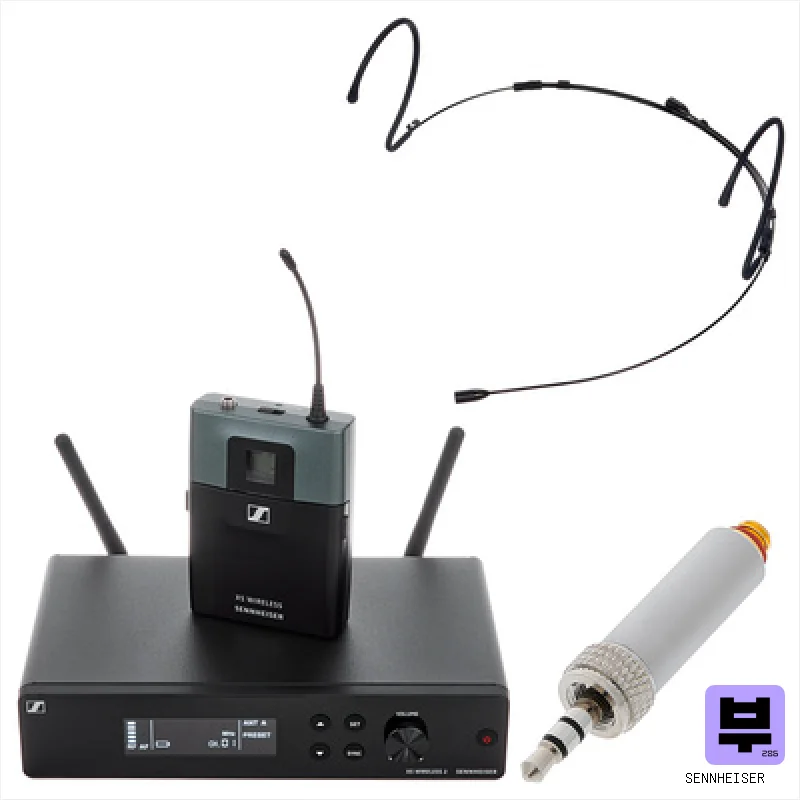
This is a wireless microphone kit for violin, with a condenser clip mic on a flexible gooseneck. It has six switchable frequencies, so several systems can run at the same time. The mic needs phantom power, so you will need a phantom power adapter to use it.
Pros
- Pocket transmitter runs on one AA battery or a rechargeable battery
- Six switchable frequencies let up to six systems run in parallel
- Includes a 9.5-inch diversity receiver with integrated antennas
Cons
- Phantom power adapter needed, since phantom power is required to run the mic
49AudioFu
IndexStableno change since Aug 17Aug 17$328 now$328€299 at Thomann · in stockCheck price ↗ -
- Size9.5"
Ovid Band 10 is a UHF wireless system that lets you play without a cable running to your gear. The pocket transmitter attaches to your instrument, and the receiver sends the signal out through XLR or Jack. The bundle also includes a condenser clip microphone, so you get the mic and wireless parts in one box.
Pros
- Diversity receiver in a metal casing with a bi-colour programmable display
- Pocket transmitter with guitar cable runs on one 1.5V AA battery
- Can operate up to 8 frequencies at once, with frequency scan to find a clear one
Cons
- Phantom power adapter is required for the condenser clip microphone
Wireless instrument microphone systems by the numbers
Measured across all 50 models we track, not a sample.
median of 25 models · 9.5"–9.5"
median of 5 models · 0.39 kg–1 kg
How the AudioFu Index works
Five measured signals and nothing else — no stars from strangers, no “tested by experts” we didn’t do. The weights are fixed and public. We don’t play these instruments; we measure the market around them.
This chart covers 5 wireless instrument microphone systems from the Thomann catalogue (of 50 in the category). Before you buy, read hands-on reviews and, where you can, play it. Full methodology.
AudioFu earns a commission when you buy through our Thomann links. It never changes the order — the index does.
- Demand40%
How many of this exact model are for sale on Reverb right now — what musicians actually buy and resell.
- Lineup20%
How many finishes Thomann stocks — makers expand the models that sell.
- Price15%
Where the price has moved since we started tracking in August.
- Specs15%
How completely the maker documents it.
- Maker10%
How deep the brand’s range is in this category.
Questions
What should I look for when buying wireless instrument microphone systems?
Key factors include build quality, sound characteristics, playability, brand reputation, warranty coverage, and value for money. Consider your musical style, skill level, and intended use to find the best match.
How much should I spend on wireless instrument microphone systems?
Budget depends on your needs and experience level. Beginners can find quality options for $200-500, intermediate players should consider $500-1500 range, while professionals often invest $1500+ for premium features.
Are expensive wireless instrument microphone systems worth the investment?
Higher-priced wireless instrument microphone systems typically offer better materials, craftsmanship, and performance. They're worth it if you're serious about music, perform regularly, or need professional-grade features.
What are the best brands for wireless instrument microphone systems?
Top brands combine quality, innovation, and reliability. We evaluate brands based on build quality, sound performance, durability, and customer satisfaction to recommend the best options for different budgets.
Should I buy wireless instrument microphone systems online or in-store?
Both have advantages. Online offers better prices and selection, while stores allow hands-on testing. We recommend researching online first, then testing in stores if possible. Many online retailers offer excellent return policies.