AudioFu Chart · October 2026
Best Wireless headset microphone systems Under $800 2026
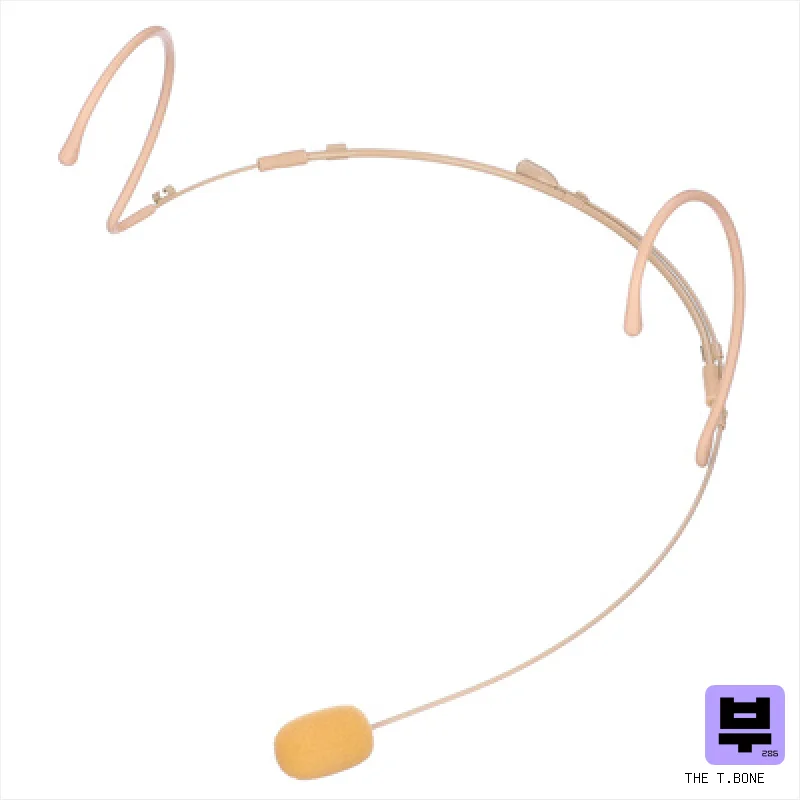
The top pick is Sennheiser XSW 2-ME3-A Wireless Headset Microphone System - Band A… ($509). the t.bone free 300 823 EarmiKe - O Set gives you the most for the money at $256. Ranked by the AudioFu Index from 94 models across 9 brands, prices checked every night.
Last updated: October 26, 2026
Top 10
Full detail for the 10 highest AudioFu Index scores. Every other model is listed below.
-
Sennheiser XSW 2-ME3-A Wireless Headset Microphone System - Band A…
XSW 2-ME3 E-Band Headset · Sennheiser
19 for sale on Reverb1 finish at Thomann
This Sennheiser XSW 2-ME3 is a solid, dependable wireless headset system – perfect for presenters, fitness instructors, or anyone needing hands-free vocal clarity. The build quality is a step above budget options, and the E-Band frequency helps avoid common wireless headaches. It's a reliable workhorse, though the transmitter size is something to consider.
Pros
- Robust metal receiver housing offers excellent durability for stage use
- ME3-II mic delivers clear, articulate vocal reproduction with good detail
- E-Band operation minimizes interference in congested RF environments
Cons
- Pocket transmitter can feel bulky for extended performance use
- AA battery power necessitates frequent replacements or rechargeable alternatives
64AudioFu
Index↓ 5.0%since Aug 17 · lowest so far$536 · Aug 17$509 now$509€455 at Thomann · in stockCheck price ↗ -
- Size9.5"
- Weight0.008 kg
This system uses a metal receiver to handle up to twelve guitar channels without dropping the signal. The lightweight condenser headset mic sits on your head with adjustable hooks. It works well in busy venues thanks to its smart antenna technology. Musicians who need reliable wireless guitar pickup will find this practical.
Pros
- UHF system handles up to 12 simultaneous channels
- Metal receiver chassis offers solid build quality
- Microprocessor antenna diversity prevents signal drops
Cons
- No specified battery life duration listed
- Lacks digital control interface on receiver
64AudioFu
IndexStableno change since Oct 21Oct 21$637 now$637€569 at Thomann · in stockCheck price ↗ -
Sennheiser XSW 2-ME3-A Wireless Headset Microphone System - Band A…
XSW 2-ME3 B-Band Headset · Sennheiser
19 for sale on Reverb1 finish at Thomann
This Sennheiser XSW 2-ME3 is a solid wireless headset system, perfect for vocalists in bands, presenters, or anyone needing hands-free audio. The build quality is top-notch, the sound is surprisingly clean for a headset mic, and the true diversity receiver offers reliable performance. It’s a great solution when you need to move freely without compromising audio quality.
Pros
- Robust metal receiver provides excellent durability for stage use
- ME3-II capsule delivers clear, articulate vocals with surprising detail
- True diversity system minimizes dropouts in challenging RF environments
Cons
- B-Band frequency range can be restricted in some locations due to licensing
- AA battery power can be less convenient than rechargeable options
-
Sennheiser XSW1-ME3 Wireless Headset System - A Band (548-572 MHz)
XSW 1-ME3 E-Band Headset · Sennheiser
15 for sale on Reverb1 finish at Thomann
This XSW 1-ME3 is a solid, dependable wireless headset system – a real workhorse for vocalists, presenters, or instructors needing hands-free operation. The Sennheiser quality shines through in the audio and build, making it a great choice for live performance or teaching where reliability is key. It’s a premium-priced option, but the performance justifies the investment.
Pros
- Excellent audio clarity thanks to the ME 3-II condenser mic.
- E-band operation minimizes interference in crowded RF environments.
- Solid Sennheiser build quality – feels durable and reliable for stage use.
Cons
- AA batteries can be a recurring expense; rechargeable packs are recommended.
- The headset cable, while robust, could be a bit more flexible for extreme movement.
60AudioFu
Index↓ 2.6%since Aug 17 · lowest so far$424 · Aug 17$413 now$413€369 at Thomann · in stockCheck price ↗ -
Sennheiser XSW 2-ME3-A Wireless Headset Microphone System - Band A…
XSW 2-ME3 GB-Band Headset · Sennheiser
19 for sale on Reverb1 finish at Thomann
This Sennheiser XSW 2-ME3 is a solid, reliable wireless headset system perfect for vocalists in bands, presenters, or anyone needing hands-free operation. The build quality is great for the price, and the sound is surprisingly clear—it's a workhorse setup for consistent performance.
Pros
- Robust metal receiver housing offers excellent durability on stage.
- ME3-II mic delivers clear, articulate vocals with good detail.
- True diversity system minimizes dropouts in challenging RF environments.
Cons
- Pocket transmitter can feel bulky for extended use and prolonged gigs.
- AA battery dependence adds to ongoing operational costs and potential downtime.
-
Sennheiser XSW 2-ME3-A Wireless Headset Microphone System - Band A…
XSW 2-ME3 A-Band Headset · Sennheiser
19 for sale on Reverb1 finish at Thomann
This Sennheiser XSW 2-ME3 is a solid, dependable wireless headset system. The ME3 mic delivers a clean, focused sound perfect for singers, presenters, and performers needing hands-free operation. It's a great choice for live sound reinforcement and broadcast, offering reliable performance without the premium price tag of some higher-end systems.
Pros
- Robust metal receiver housing offers excellent durability for stage use
- ME3-II cardioid mic captures clear vocals, minimizing stage bleed
- True diversity system minimizes dropouts in challenging RF environments
Cons
- A-band frequency can be problematic in congested urban areas
- Pocket transmitter's size might be uncomfortable for extended use
-
Sennheiser XSW1-ME3 Wireless Headset System - A Band (548-572 MHz)
XSW 1-ME3 B-Band Headset · Sennheiser
15 for sale on Reverb1 finish at Thomann
This XSW 1-ME3 is a solid, dependable wireless headset system – a real workhorse. It’s perfect for presenters, instructors, or performers who need clear vocal reproduction and reliable RF stability without the premium price tag of their higher-end counterparts. The build feels great, and the sound is surprisingly clean for a headset mic.
Pros
- Rock-solid Sennheiser build quality; feels durable for stage use
- ME 3-II mic delivers clear, intelligible vocals even with movement
- Diversity receiver significantly reduces dropouts in challenging RF environments
Cons
- B-Band frequency range can be congested in densely populated areas
- AA battery power can be inconvenient for long gigs; consider a power pack
58AudioFu
IndexStableno change since Aug 17Aug 17$424 now$424€379 at Thomann · in stockCheck price ↗ -
Sennheiser XSW1-ME3 Wireless Headset System - A Band (548-572 MHz)
XSW 1-ME3 A-Band Headset · Sennheiser
15 for sale on Reverb1 finish at Thomann
This XSW 1-ME3 is a dependable wireless headset system, perfect for presenters, instructors, or performers needing hands-free operation. The Sennheiser quality shines through, offering clear audio and reliable performance – it’s a solid, professional-grade solution for situations where mobility is key.
Pros
- Solid Sennheiser build quality; feels robust for stage use
- ME 3-II mic delivers clear, intelligible vocal pickup
- Diversity receiver minimizes dropouts in challenging RF environments
Cons
- A-band frequency can still be congested in densely populated areas
- Bodypack can be noticeable for performers sensitive to weight
-
- Weight0.95 kg
This system lets you swap between handheld and pocket transmitters instantly using infrared. Three frequency groups mean you can run six separate teams on stage without mixing. It works great in open venues up to 100 meters if you have a clear view. Ideal for bands needing reliable wireless mics without complex setup.
Pros
- Dual transmitter flexibility for quick channel switching
- Three pre-programmed frequency groups for easy setup
- Six systems can run parallel without interference
Cons
- Battery life is not specified in the description
- Range is limited to line-of-sight 100 meters only
49AudioFu
IndexStableno change since Aug 17Aug 17$256 now$256€229 at Thomann · in stockCheck price ↗ -
- Weight0.008 kg
This headset mic uses a metal receiver and auto-tuning to stay clear in noisy places. It needs AA batteries, which adds weight, but the 10 mW power pushes the signal far. Great for guitarists who want reliable wireless performance without fiddling with knobs.
Pros
- True diversity receiver cancels out interference for stable signal
- Auto-Tune automatically finds clear frequencies on the GB band
- Metal receiver housing provides robust durability against drops
Cons
- AA batteries required inside the pocket transmitter unit
- No external antenna options for the receiver housing
49AudioFu
IndexStableno change since Oct 21Oct 21$546 now$546€488 at Thomann · in stockCheck price ↗
All 94 wireless headset microphone systems
Same index, same nightly prices — compact. Colour options of one model share a row. Tap a photo to zoom.
- 11
Shure GLXD14+/SM35Shure · 7 finishes49↓ 2.5%$759€678$759€678Check ↗
- 12
AKG PW45 EarmikeD Band M BundleAKG · 10 finishes48Stable$301€269$301€269Check ↗
- 13
Sennheiser EW-D Q1-6 HeadmiKe - D BN SetSennheiser · 2 finishes46↓ 5.2%$615€549$615€549Check ↗
- 14
Sennheiser EW-D U1/5 HeadmiKe - O BN SetSennheiser · 2 finishes46↓ 5.2%$615€549$615€549Check ↗
- 15
AKG WMS420 Wireless Lavalier Presenter System (Band A)WMS 420 Headset Set Band M · AKG · 3 finishes45Stable$383€342$383€342Check ↗
- 16
Sirus Quad R/4B 4 Headmike O 470 SetSirus44Stable$621€555$621€555Check ↗
- 17
Sirus Quad R/4B 4 Headmike D 470 SetSirus44Stable$621€555$621€555Check ↗
- 18
Sirus Quad R/4B 4 Headmike D 823 SetSirus44Stable$621€555$621€555Check ↗
- 19
Sirus Quad R/4B 4 Headmike O 823 SetSirus44Stable$626€559$626€559Check ↗
- 20
Sennheiser EW-D R1-6 HeadmiKe - D BN SetSennheiser · 2 finishes43Stable$648€579$648€579Check ↗
- 21
Sennheiser EW-D R4-9 HeadmiKe - D BN SetSennheiser · 2 finishes43Stable$648€579$648€579Check ↗
- 22
Sennheiser EW-D S1-7 HeadmiKe - O BN SetSennheiser · 2 finishes43Stable$648€579$648€579Check ↗
- 23
Sennheiser XSW 1 B-Band EarmiKe - O SetSennheiser · 3 finishes42↓ 10.7%$319€285$319€285Check ↗
- 24
the t.bone freeU 600 EarmiKe D Bundlethe t.bone41Stable$200€179$200€179Check ↗
- 25
the t.bone freeU 823 EarmiKe D Bundlethe t.bone41Stable$200€179$200€179Check ↗
- 26
the t.bone freeU 863 EarmiKe D Bundlethe t.bone41Stable$200€179$200€179Check ↗
- 27
the t.bone freeU 600 EarmiKe O Bundlethe t.bone41Stable$201€180$201€180Check ↗
- 28
the t.bone freeU 823 EarmiKe O Bundlethe t.bone41Stable$201€180$201€180Check ↗
- 29
the t.bone freeU 863 EarmiKe O Bundlethe t.bone41Stable$201€180$201€180Check ↗
- 30
the t.bone freeU 600 HeadmiKe D Bundlethe t.bone41Stable$218€195$218€195Check ↗
- 31
the t.bone freeU 823 HeadmiKe D Bundlethe t.bone41Stable$218€195$218€195Check ↗
- 32
the t.bone freeU 863 HeadmiKe D Bundlethe t.bone41Stable$218€195$218€195Check ↗
- 33
the t.bone freeU 600 HeadmiKe O Bundlethe t.bone41Stable$218€195$218€195Check ↗
- 34
the t.bone freeU 823 HeadmiKe O Bundlethe t.bone41Stable$218€195$218€195Check ↗
- 35
the t.bone freeU 863 HeadmiKe O Bundlethe t.bone41Stable$218€195$218€195Check ↗
- 36
the t.bone free solo 600 Headset Bundlethe t.bone41Stable$256€229$256€229Check ↗
- 37
the t.bone free solo 823 Headset Bundlethe t.bone41Stable$256€229$256€229Check ↗
- 38
the t.bone free solo 863 Headset Bundlethe t.bone41Stable$256€229$256€229Check ↗
- 39
the t.bone free solo 1.8 Headset Bundlethe t.bone41Stable$268€239$268€239Check ↗
- 40
the t.bone free solo 823 HeadmikeO Bundlethe t.bone41Stable$279€249$279€249Check ↗
- 41
the t.bone free solo 863 HeadmikeO Bundlethe t.bone41Stable$279€249$279€249Check ↗
- 42
the t.bone free solo 600 HeadmikeO Bundlethe t.bone41Stable$279€249$279€249Check ↗
- 43
the t.bone free solo 600 HeadmikeD Bundlethe t.bone41Stable$279€249$279€249Check ↗
- 44
the t.bone free solo 823 HeadmikeD Bundlethe t.bone41Stable$279€249$279€249Check ↗
- 45
the t.bone free solo 863 HeadmikeD Bundlethe t.bone41Stable$279€249$279€249Check ↗
- 46
the t.bone free solo 1.8 HeadmikeD Bundlethe t.bone41Stable$290€259$290€259Check ↗
- 47
the t.bone free solo 1.8 HeadmikeO Bundlethe t.bone41Stable$290€259$290€259Check ↗
- 48
the t.bone free solo 600 Earmic Bundlethe t.bone41Stable$312€279$312€279Check ↗
- 49
the t.bone free solo 823 Earmic Bundlethe t.bone41Stable$312€279$312€279Check ↗
- 50
the t.bone free solo 863 Earmic Bundlethe t.bone41Stable$312€279$312€279Check ↗
Wireless headset microphone systems by the numbers
Measured across all 175 models we track, not a sample.
Median $442 — half of all wireless headset microphone systems here cost less.
median of 80 models · 9.5"–19"
median of 37 models · 0.01 kg–1.95 kg
How the AudioFu Index works
Five measured signals and nothing else — no stars from strangers, no “tested by experts” we didn’t do. The weights are fixed and public. We don’t play these instruments; we measure the market around them.
This chart covers 175 wireless headset microphone systems from the Thomann catalogue. Before you buy, read hands-on reviews and, where you can, play it. Full methodology.
AudioFu earns a commission when you buy through our Thomann links. It never changes the order — the index does.
- Demand40%
How many of this exact model are for sale on Reverb right now — what musicians actually buy and resell.
- Lineup20%
How many finishes Thomann stocks — makers expand the models that sell.
- Price15%
Where the price has moved since we started tracking in August.
- Specs15%
How completely the maker documents it.
- Maker10%
How deep the brand’s range is in this category.
Questions
What should I look for when buying wireless headset microphone systems?
Key factors include build quality, sound characteristics, playability, brand reputation, warranty coverage, and value for money. Consider your musical style, skill level, and intended use to find the best match.
How much should I spend on wireless headset microphone systems?
Budget depends on your needs and experience level. Beginners can find quality options for $200-500, intermediate players should consider $500-1500 range, while professionals often invest $1500+ for premium features.
Are expensive wireless headset microphone systems worth the investment?
Higher-priced wireless headset microphone systems typically offer better materials, craftsmanship, and performance. They're worth it if you're serious about music, perform regularly, or need professional-grade features.
What are the best brands for wireless headset microphone systems?
Top brands combine quality, innovation, and reliability. We evaluate brands based on build quality, sound performance, durability, and customer satisfaction to recommend the best options for different budgets.
Should I buy wireless headset microphone systems online or in-store?
Both have advantages. Online offers better prices and selection, while stores allow hands-on testing. We recommend researching online first, then testing in stores if possible. Many online retailers offer excellent return policies.