AudioFu Chart · October 2026
Best Wireless headset microphone systems Under $200 2026
The top pick is AKG WMS 40 Mini EarmiKe-D ISM1 Set ($169). the t.bone TWS One A Headset gives you the most for the money at $66. Ranked by the AudioFu Index from 6 models across 4 brands, prices checked every night.
Last updated: October 26, 2026
Top 6
Full detail for the 6 highest AudioFu Index scores. Every other model is listed below.
-
This AKG WMS 40 Mini set is a surprisingly capable budget-friendly wireless solution. It's ideal for vocalists, presenters, or guitarists needing a discreet and easy-to-use system, especially in Europe where the ISM band is readily available. The sound quality is decent for the price, making it a solid entry-level choice.
Pros
- Compact bodypack offers excellent portability and discreet use
- ISM1 band provides license-free operation across Europe
- Lightweight EarmiKe-D headset is comfortable for extended performances
Cons
- Non-diversity receiver limits channel selection and potential interference
- Single AA battery power is less efficient than rechargeable options
39AudioFu
IndexStableno change since Aug 17Aug 17$169 now$169€151 at Thomann · in stockCheck price ↗ -
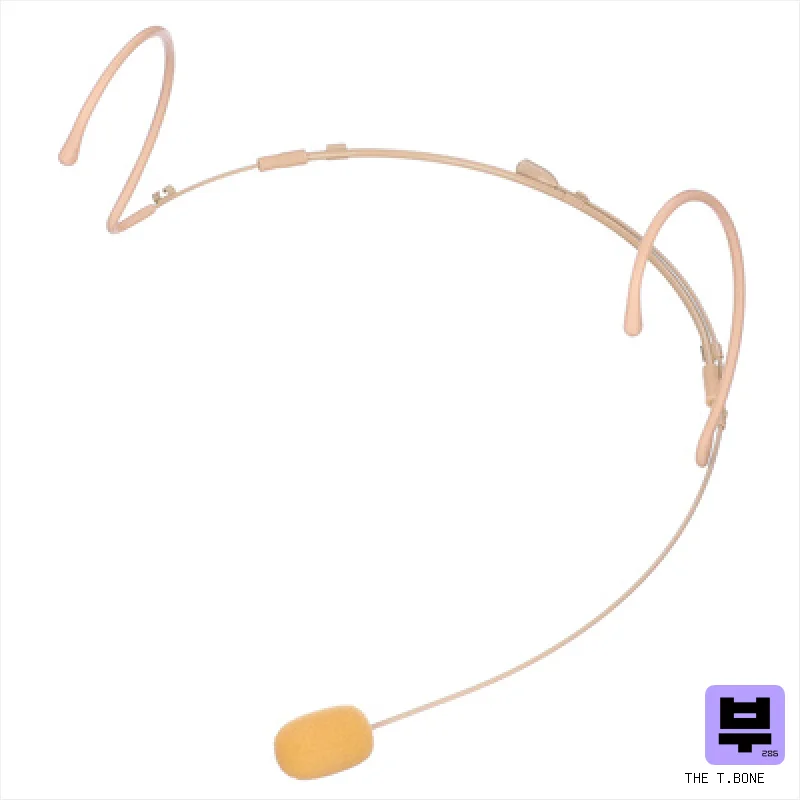
The t.bone TWS One A is a surprisingly decent budget wireless headset, perfect for singers or presenters needing a no-frills solution. The sound is clean enough for spoken word and basic vocal performances, and the lightweight design is a real plus. Don't expect broadcast-quality audio, but for simple applications, it's hard to beat the value.
Pros
- Lightweight headset offers comfortable extended wear for performers
- Fixed frequency provides reliable signal in less congested environments
- Simple, single-channel operation ideal for straightforward presentations
Cons
- Non-diversity design limits interference rejection capabilities
- AA battery power necessitates frequent replacements or recharges
-
This t.bone TWS One C is a seriously budget-friendly wireless headset, perfect for karaoke, public speaking, or basic stage monitoring. The fixed frequency keeps things simple, but don't expect high-end performance. It's a solid choice for those needing a basic, affordable wireless solution.
Pros
- Lightweight headset offers comfortable extended wear for performers
- Fixed frequency provides reliable signal, minimizing interference
- Pocket transmitter is compact and easy to manage onstage
Cons
- Non-diversity design limits performance in crowded RF environments
- Single frequency restricts scalability and flexibility for multiple performers
-
The t.bone TWS One D is a surprisingly capable budget-friendly wireless headset system. It’s perfect for vocalists, presenters, or instructors needing a simple, lightweight solution for basic live or rehearsal situations. Don't expect pro-level performance, but it's hard to beat for the price if you just need something that works reliably.
Pros
- Lightweight headset offers comfortable extended use for performers
- Fixed frequency provides reliable signal, minimizing interference
- Simple, single-channel operation ideal for straightforward applications
Cons
- Non-diversity design makes it susceptible to interference in crowded RF environments
- Limited frequency options restrict scalability for multiple performers
-
This Fun Generation headset is a surprisingly capable little package for the price. It's ideal for karaoke, online teaching, or basic presentations where you need a wireless headset solution without the complexity of more advanced systems. Don't expect professional-grade audio, but it's a solid, functional option for casual use.
Pros
- Lightweight design (48g) minimizes fatigue during extended use
- 2.4 GHz transmission avoids common interference bands
- Integrated battery and USB charging offer convenient portability
Cons
- Plastic construction feels budget-oriented, lacks premium durability
- Limited range (15m) restricts movement and stage use
-
The Proel U24B is a surprisingly capable entry-level wireless headset system. It's a solid choice for public speakers, fitness instructors, or anyone needing a basic, affordable wireless solution. Don't expect studio-grade audio, but it's reliable enough for straightforward performance needs.
Pros
- Licence-free 2.4GHz operation simplifies setup and avoids regulatory hurdles
- Digital diversity minimizes dropouts, offering reliable performance in challenging environments
- Simultaneous dual-microphone operation ideal for presenters or duets
Cons
- Plastic construction feels budget-oriented, may not withstand heavy abuse
- 2.4GHz band can be susceptible to interference from Wi-Fi devices
25AudioFu
IndexStableno change since Aug 17Aug 17$156 now$156€139 at Thomann · in stockCheck price ↗
Wireless headset microphone systems by the numbers
Measured across all 11 models we track, not a sample.
Median $169 — half of all wireless headset microphone systems here cost less.
How the AudioFu Index works
Five measured signals and nothing else — no stars from strangers, no “tested by experts” we didn’t do. The weights are fixed and public. We don’t play these instruments; we measure the market around them.
This chart covers 11 wireless headset microphone systems from the Thomann catalogue. Before you buy, read hands-on reviews and, where you can, play it. Full methodology.
AudioFu earns a commission when you buy through our Thomann links. It never changes the order — the index does.
- Demand40%
How many of this exact model are for sale on Reverb right now — what musicians actually buy and resell.
- Lineup20%
How many finishes Thomann stocks — makers expand the models that sell.
- Price15%
Where the price has moved since we started tracking in August.
- Specs15%
How completely the maker documents it.
- Maker10%
How deep the brand’s range is in this category.
Questions
What should I look for when buying wireless headset microphone systems?
Key factors include build quality, sound characteristics, playability, brand reputation, warranty coverage, and value for money. Consider your musical style, skill level, and intended use to find the best match.
How much should I spend on wireless headset microphone systems?
Budget depends on your needs and experience level. Beginners can find quality options for $200-500, intermediate players should consider $500-1500 range, while professionals often invest $1500+ for premium features.
Are expensive wireless headset microphone systems worth the investment?
Higher-priced wireless headset microphone systems typically offer better materials, craftsmanship, and performance. They're worth it if you're serious about music, perform regularly, or need professional-grade features.
What are the best brands for wireless headset microphone systems?
Top brands combine quality, innovation, and reliability. We evaluate brands based on build quality, sound performance, durability, and customer satisfaction to recommend the best options for different budgets.
Should I buy wireless headset microphone systems online or in-store?
Both have advantages. Online offers better prices and selection, while stores allow hands-on testing. We recommend researching online first, then testing in stores if possible. Many online retailers offer excellent return policies.