AudioFu Chart · October 2026
Best Shure Wireless handheld microphone systems 2026
The top pick is Shure GLXD24R+/Beta58 ($839). Shure BLX24R/SM58 K3E gives you the most for the money at $520. Shure QLXD24/SM58 S50 leads the high end. Ranked by the AudioFu Index from 8 models, prices checked every night.
Last updated: October 26, 2026
Top 8
Full detail for the 8 highest AudioFu Index scores. Every other model is listed below.
-
- Size9.5"
- Weight2 kg
This Shure GLXD24R+/Beta58 system is a solid choice for vocalists and bands needing reliable wireless performance. The Beta58A mic sounds fantastic – a real workhorse – and the dual-band system keeps things clean. Perfect for smaller to mid-sized venues where you need a dependable, easy-to-use wireless vocal solution.
Pros
- Beta58A capsule delivers Shure's signature vocal clarity and robust low-mid presence.
- Dual-band operation significantly reduces interference, crucial for crowded RF environments.
- Automatic frequency selection simplifies setup, a huge time-saver for live gigs.
Cons
- Receiver’s plastic construction feels less robust compared to all-metal alternatives.
- Limited channel count (8 with frequency manager) might be restrictive for larger bands.
58AudioFu
Index↓ 4.9%since Aug 17 · lowest so far$883 · Aug 17$839 now$839€750 at Thomann · in stockCheck price ↗ -
- Size9.5"
This QLXD24/SM58 S50 is a seriously dependable wireless system. The SM58 gives you that familiar, workhorse vocal sound, and the digital transmission keeps things clean. It’s a fantastic choice for stage vocalists, presenters, or anyone needing rock-solid wireless performance without the complexity of older systems – it’s a step up from budget options, but worth the investment for serious use.
Pros
- Rock-solid Shure build quality ensures years of reliable performance.
- SM58 capsule delivers the iconic, versatile vocal tone we all know.
- AES-256 encryption provides secure, interference-free transmission.
Cons
- The receiver's size can be cumbersome for smaller venues or travel.
- Premium-priced, representing a significant investment for many performers.
57AudioFu
IndexStableno change since Aug 17Aug 17$1,505 now$1,505€1,345 at Thomann · in stockCheck price ↗ -
- Size9.5"
This BLX24R/SM58 is a solid, dependable wireless package, especially for vocalists and presenters needing a reliable and affordable solution. The SM58's sound is instantly recognizable – a workhorse mic for a reason. It's a great entry point into wireless, but serious professionals might outgrow it.
Pros
- SM58 capsule delivers Shure's signature vocal clarity and presence
- Robust metal receiver housing provides excellent durability for stage use
- Quick-Scan frequency detection simplifies setup in crowded RF environments
Cons
- BLX system is aging technology, lacks advanced features of newer Shure systems
- Limited frequency range compared to higher-end wireless options
55AudioFu
IndexStableno change since Aug 17Aug 17$520 now$520€465 at Thomann · in stockCheck price ↗ -
- Size19"
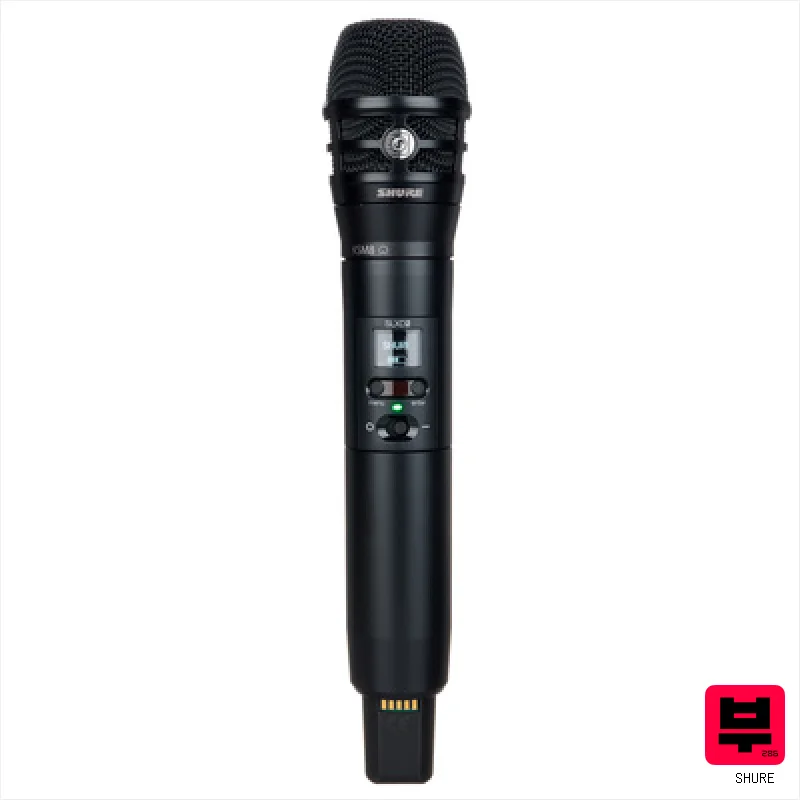
This system uses the trusted SM86 capsule you already know and love. It switches bands quickly to stay clear of interference on busy stages. It fits well for singers who need reliable, consistent sound without extra fuss.
Pros
- SM86 capsule delivers familiar, warm vocal tone
- 44 MHz switching bandwidth ensures clean signal
- 120 dB dynamic range handles loud stages well
Cons
- Battery life depends on AA or optional Li-Ion
- No stated range distance in description text
53AudioFu
IndexStableno change since Aug 17Aug 17$917 now$917€819 at Thomann · in stockCheck price ↗ -
This Shure BLX288/PG58 combo is a solid, dependable wireless system perfect for working musicians needing a straightforward, no-fuss setup. The PG58 capsule's sound is a real winner for vocals, and the QuickScan feature makes frequency management a breeze. It's a great choice for bands, duos, or presenters who prioritize reliability over bleeding-edge tech.
Pros
- PG58 capsule delivers Shure's signature vocal clarity and warmth
- QuickScan frequency selection is genuinely fast and reliable in crowded RF environments
- Dual receiver handles two mics, ideal for duos or small groups
Cons
- BLX system is older technology, lacks modern features like digital encryption
- Limited frequency range restricts versatility for some performance scenarios
45AudioFu
Index↓ 2.5%since Aug 17 · lowest so far$711 · Aug 17$693 now$693€619 at Thomann · in stockCheck price ↗ -
The BLX1288/P31 is a solid, budget-friendly wireless system. It's a great starting point for bands, public speakers, or anyone needing a flexible vocal and headset solution. The PG58's proven sound and the ease of setup make it a dependable workhorse for live performance or presentations.
Pros
- Robust PG58 handheld provides reliable, classic Shure vocal performance
- PGA31 headset offers clear speech reproduction for presenters
- Quick-scan frequency selection simplifies setup in busy environments
Cons
- Plastic receiver feels noticeably less premium than metal alternatives
- Frequency range (T11) may face interference in densely populated areas
39AudioFu
IndexStableno change since Aug 17Aug 17$756 now$756€675 at Thomann · in stockCheck price ↗ -
This system pairs the classic SM58 capsule with a modern wireless transmitter. The OLED screen and Scan/Sync features make setup fast, even for beginners. It handles many channels well but needs AA batteries. It suits singers who want reliable sound without complex tuning.
Pros
- OLED display shows key system functions clearly at a glance
- Scan and Sync setup lets you configure channels quickly and easily
- Up to 32 channels per band handles crowded venue needs
Cons
- Requires 2 AA batteries or a separate rechargeable battery pack
- Limited on-body controls for real-time adjustment during use
36AudioFu
IndexStableno change since Oct 17Oct 17$726 now$726€649 at Thomann · in stockCheck price ↗ -
- Size19"
- Weight1.9 kg
This bundle uses the trusted Beta58 capsule inside a tough steel body. It pairs easily with the receiver using a simple scan. It's great for singers who want that classic dynamic sound without feedback. The build feels solid enough for rough stage conditions.
Pros
- Galvanized steel housing resists bumps on stage
- Beta58 capsule offers classic dynamic sound
- Super cardioid pattern reduces room feedback
Cons
- No battery life data provided
- Range not specified in text
32AudioFu
IndexStableno change since Aug 17Aug 17$4,751 now$4,751€4,245 at Thomann · in stockCheck price ↗
Wireless handheld microphone systems by the numbers
Measured across all 251 models we track, not a sample.
Median $995 — half of all wireless handheld microphone systems here cost less.
median of 36 models · 0.95 kg–6.7 kg
median of 94 models · 9.5"–19"
How the AudioFu Index works
Five measured signals and nothing else — no stars from strangers, no “tested by experts” we didn’t do. The weights are fixed and public. We don’t play these instruments; we measure the market around them.
This chart covers 87 wireless handheld microphone systems from the Thomann catalogue (of 251 in the category). Before you buy, read hands-on reviews and, where you can, play it. Full methodology.
AudioFu earns a commission when you buy through our Thomann links. It never changes the order — the index does.
- Demand40%
How many of this exact model are for sale on Reverb right now — what musicians actually buy and resell.
- Lineup20%
How many finishes Thomann stocks — makers expand the models that sell.
- Price15%
Where the price has moved since we started tracking in August.
- Specs15%
How completely the maker documents it.
- Maker10%
How deep the brand’s range is in this category.
Questions
What should I look for when buying wireless handheld microphone systems?
Key factors include build quality, sound characteristics, playability, brand reputation, warranty coverage, and value for money. Consider your musical style, skill level, and intended use to find the best match.
How much should I spend on wireless handheld microphone systems?
Budget depends on your needs and experience level. Beginners can find quality options for $200-500, intermediate players should consider $500-1500 range, while professionals often invest $1500+ for premium features.
Are expensive wireless handheld microphone systems worth the investment?
Higher-priced wireless handheld microphone systems typically offer better materials, craftsmanship, and performance. They're worth it if you're serious about music, perform regularly, or need professional-grade features.
What are the best brands for wireless handheld microphone systems?
Top brands combine quality, innovation, and reliability. We evaluate brands based on build quality, sound performance, durability, and customer satisfaction to recommend the best options for different budgets.
Should I buy wireless handheld microphone systems online or in-store?
Both have advantages. Online offers better prices and selection, while stores allow hands-on testing. We recommend researching online first, then testing in stores if possible. Many online retailers offer excellent return policies.