AudioFu Chart · October 2026
Best Shure Wireless Guitar / Bass systems 2026
The top pick is Shure GLXD16+ Wireless Guitar Pedal System ($648). Shure BLX14 K14 gives you the most for the money at $402. Ranked by the AudioFu Index from 5 models, prices checked every night.
Last updated: October 26, 2026
Top 5
Full detail for the 5 highest AudioFu Index scores. Every other model is listed below.
-
- Weight1.2 kg
The GLXD16+ is a really solid wireless system for gigging guitarists and bassists who need reliability and ease of use. The dual-band setup is a huge win for avoiding dropouts, and the pedalboard-friendly receiver is a smart touch. It's a great choice for players wanting a dependable, straightforward wireless experience without the complexity of top-tier, premium-priced systems.
Pros
- Robust metal transmitter feels solid and durable for stage use.
- Dual-band frequency hopping avoids interference reliably.
- Built-in tuner is genuinely useful for quick on-the-fly adjustments.
Cons
- The receiver's size can be a bit bulky for very cramped pedalboard space.
- Limited channel options compared to more expensive, pro-level systems.
73AudioFu
IndexStableno change since Aug 17Aug 17$648 now$648€579 at Thomann · in stockCheck price ↗ -
- Weight2 kg
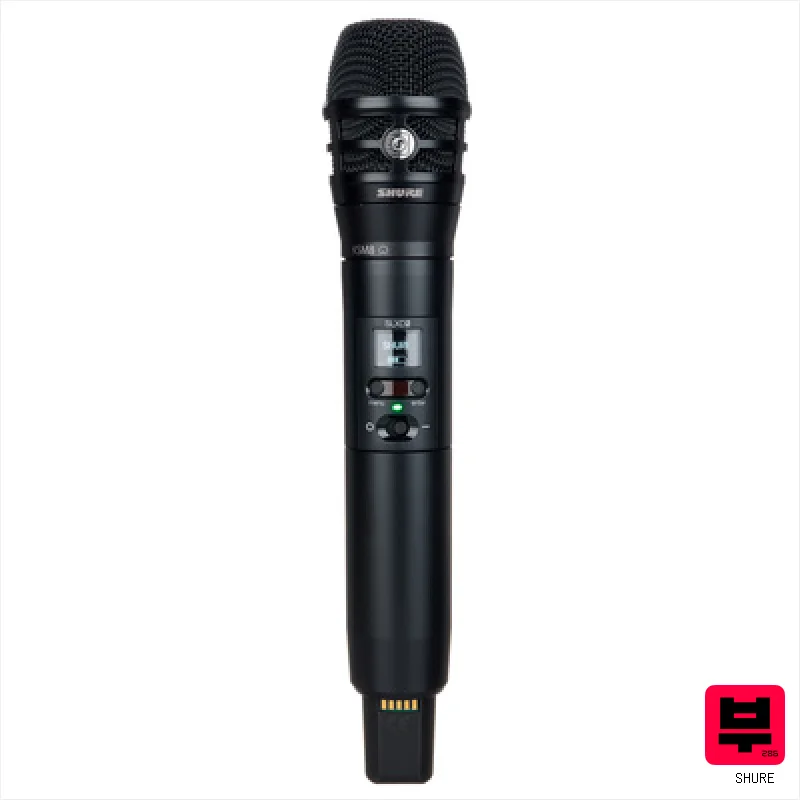
The GLXD14R+ is a solid wireless system for guitar and bass players needing reliable performance. The dual-band frequency agility is a lifesaver in noisy environments, and the included SM35 capsule delivers a surprisingly good sound. It's a great choice for gigging musicians and bands needing a dependable, easy-to-use wireless solution.
Pros
- Dual-band operation (2.4/5.8 GHz) minimizes interference, crucial for crowded stages.
- Metal transmitter construction feels robust and inspires confidence on the road.
- The included SM35 capsule delivers a clear, detailed sound with good transient response.
Cons
- Receiver's plastic construction feels less premium compared to all-metal alternatives.
- Range, while stated at 60 meters, is realistically shorter with obstructions.
53AudioFu
Index↓ 2.5%since Aug 17 · lowest so far$756 · Aug 17$737 now$737€658 at Thomann · in stockCheck price ↗ -
The BLX14 K14 is a solid, budget-friendly wireless system perfect for gigging musicians or those needing a reliable, simple setup. It’s great for smaller venues or rehearsals where you don't need a ton of channels, and the compact transmitter is a real plus. Just be mindful of potential frequency congestion in densely populated areas.
Pros
- Durable plastic receiver is surprisingly roadworthy for the price.
- BLX1 pocket transmitter is compact and comfortable for stage use.
- Quick-Scan frequency detection simplifies setup in crowded RF environments.
Cons
- Plastic receiver feels less premium than all-metal Shure alternatives.
- Limited frequency band (K14) restricts channel availability in some areas.
44AudioFu
IndexStableno change since Aug 17Aug 17$402 now$402€359 at Thomann · in stockCheck price ↗ -
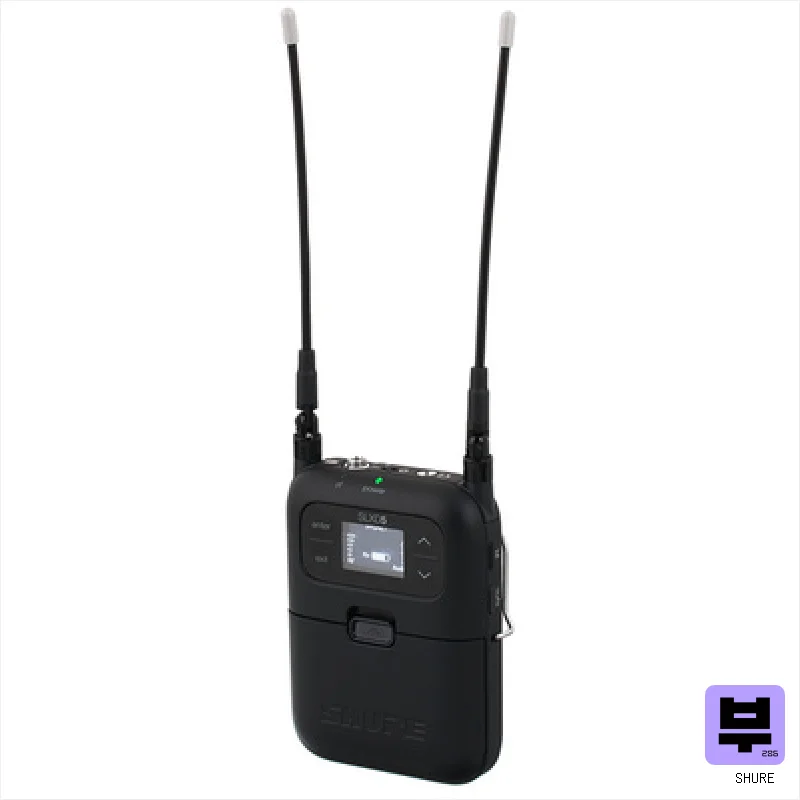
This pocket transmitter pairs easily with a receiver for one instrument at a time. The AES-256 encryption and digital audio ensure a stable, clean signal even in loud venues. It works well for guitarists who want simple setup and strong interference protection.
Pros
- AES-256 encryption keeps your signal completely secure from interference.
- Digital 24-bit audio captures very clean and detailed sound.
- Automatic pairing makes setting up the system incredibly easy.
Cons
- Only one channel limits you to a single instrument.
- Battery life depends on AA cells which need regular replacement.
43AudioFu
IndexStableno change since Aug 17Aug 17$928 now$928€829 at Thomann · in stockCheck price ↗ -
This Shure QLXD14 S50 is a top-tier wireless system, built to last and deliver pristine audio. It’s ideal for professional guitarists and bassists in demanding live performance environments where reliability and security are paramount. The robust construction and advanced features justify the investment for serious working musicians.
Pros
- Rock-solid Shure build quality, feels premium and durable
- AES-256 encryption ensures secure, interference-free transmission
- Wide 72 MHz bandwidth offers excellent channel flexibility
Cons
- Premium-priced, a significant investment for most musicians
- Antenna placement can be tricky for optimal signal
40AudioFu
IndexStableno change since Aug 17Aug 17$1,521 now$1,521€1,359 at Thomann · in stockCheck price ↗
Wireless Guitar/Bass systems by the numbers
Measured across all 157 models we track, not a sample.
Median $760 — half of all wireless guitar/bass systems here cost less.
median of 24 models · 0.75 kg–4.6 kg
How the AudioFu Index works
Five measured signals and nothing else — no stars from strangers, no “tested by experts” we didn’t do. The weights are fixed and public. We don’t play these instruments; we measure the market around them.
This chart covers 22 wireless guitar/bass systems from the Thomann catalogue (of 157 in the category). Before you buy, read hands-on reviews and, where you can, play it. Full methodology.
AudioFu earns a commission when you buy through our Thomann links. It never changes the order — the index does.
- Demand40%
How many of this exact model are for sale on Reverb right now — what musicians actually buy and resell.
- Lineup20%
How many finishes Thomann stocks — makers expand the models that sell.
- Price15%
Where the price has moved since we started tracking in August.
- Specs15%
How completely the maker documents it.
- Maker10%
How deep the brand’s range is in this category.
Questions
What should I look for when buying wireless guitar/bass systems?
Key factors include build quality, sound characteristics, playability, brand reputation, warranty coverage, and value for money. Consider your musical style, skill level, and intended use to find the best match.
How much should I spend on wireless guitar/bass systems?
Budget depends on your needs and experience level. Beginners can find quality options for $200-500, intermediate players should consider $500-1500 range, while professionals often invest $1500+ for premium features.
Are expensive wireless guitar/bass systems worth the investment?
Higher-priced wireless guitar/bass systems typically offer better materials, craftsmanship, and performance. They're worth it if you're serious about music, perform regularly, or need professional-grade features.
What are the best brands for wireless guitar/bass systems?
Top brands combine quality, innovation, and reliability. We evaluate brands based on build quality, sound performance, durability, and customer satisfaction to recommend the best options for different budgets.
Should I buy wireless guitar/bass systems online or in-store?
Both have advantages. Online offers better prices and selection, while stores allow hands-on testing. We recommend researching online first, then testing in stores if possible. Many online retailers offer excellent return policies.