
Best Wireless Devices for Cameras for Content Creation 2026
So you're stepping up your content creation game? Ditching the tripod-mounted mic and wanting to move around? Wireless camera mics are a game-changer, but they're not all created equal. You need something that delivers clean, articulate audio without sounding thin or brittle, especially if you're doing anything beyond simple talking head videos - think vlogs, tutorials, or even adding music. Let's break down what to look for, because a cheap wireless system can make your content unwatchable, fast.
Last updated: July 1, 2026 • Next update: July 8, 2026

Sennheiser AVX-MKE2 Set
- • Excellent audio clarity with the MKE2 lavalier mic's natural sound
- • Robust digital transmission avoids RF interference common in crowded areas
- • PlugON receiver's swivel XLR provides flexible camera mounting options
- • Automatic frequency management simplifies operation for less experienced users
- • Limited frequency band restricts operation in some regions globally
- • Bodypack's size can be cumbersome for certain on-camera applications
- • AES 256 encryption adds complexity for basic users needing only audio

Sennheiser XSW-D XLR Base Set
- • Rock-solid Sennheiser build quality, feels premium in hand
- • Digital transmission provides clean, interference-free audio
- • XLR connectivity expands compatibility with professional gear
- • Compact transmitter design minimizes on-camera obstruction
- • Limited frequency options compared to higher-end wireless systems
- • Base set lacks accessories like a case or additional batteries
- • Transmitter’s XLR input limits it to dynamic mics only

Sennheiser AVX-ME2 Set
- • Excellent audio clarity, thanks to the ME2 lavalier mic
- • Robust, compact receiver for easy camera mounting
- • Automatic frequency management simplifies operation significantly
- • AES 256 encryption provides secure transmission for sensitive content
- • Limited frequency band restricts operation in some regions
- • Battery life, while decent, could be improved for longer shoots
- • Receiver's swivel XLR can feel a little flimsy under heavy use

Shure SLXD35 G59
- • Rock-solid Shure build quality, feels instantly durable.
- • G59 frequency band offers relatively clean operation in many areas.
- • Excellent audio clarity; Shure's reputation for transparency shines through.
- • Hot shoe adapter and protective cover add genuine practicality for on-location work.
- • G59 frequency band can be congested in densely populated areas.
- • Limited channel count restricts flexibility for larger productions.
- • Battery dependence (even with rechargeables) can be a workflow constraint.

Sennheiser AVX-ME2 MKE2 Bundle
- • Robust, all-digital wireless system minimizes interference issues.
- • ME2 lav mic delivers clear, natural vocal reproduction with good detail.
- • PlugON receiver's swivel XLR provides versatile mounting options.
- • AES 256 encryption ensures secure, private audio transmissions.
- • The system's frequency range is relatively narrow, limiting channel availability in crowded RF environments.
- • Battery life, while decent, demands regular charging for extended shoots.
- • The bodypack transmitter can feel a bit bulky for some users.
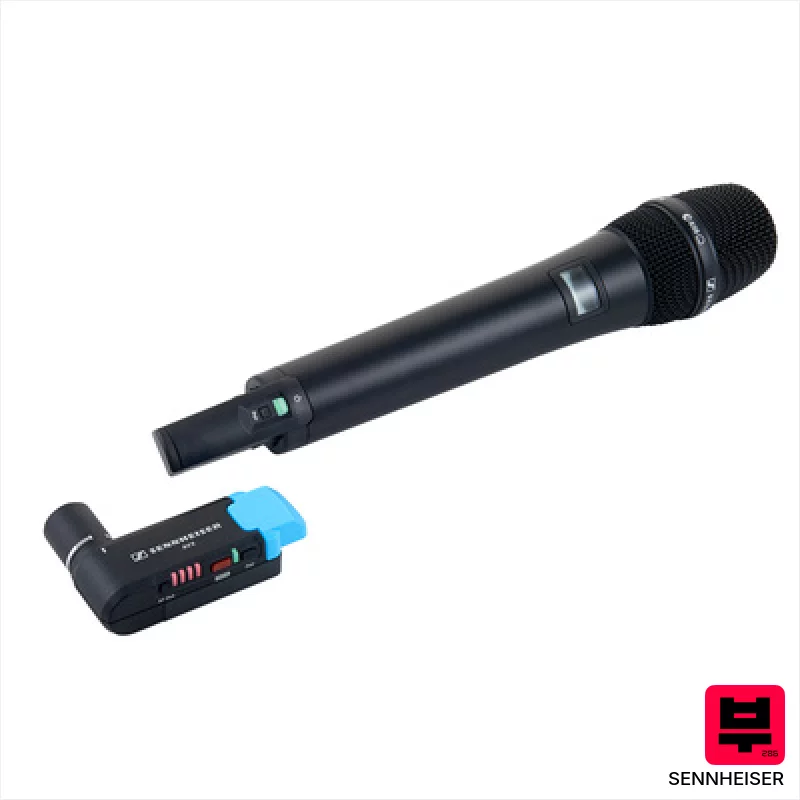
Sennheiser AVX-835 Set
- • Excellent audio clarity with the dynamic capsule, minimizes handling noise
- • Digital transmission provides robust signal stability, avoids RF interference
- • PlugON receiver’s rotating XLR offers flexible mounting options
- • AES 256 encryption ensures secure, private recordings for sensitive content
- • The SKM 835 transmitter can feel a little bulky for extended handheld use
- • Limited frequency band availability might require careful channel selection in congested areas
- • The price point places it in a premium category, a significant investment

Shure SLXD15 G59
- • Shure's renowned audio quality translates to crystal-clear, professional-grade sound.
- • The digital UHF transmission minimizes interference, offering reliable performance in crowded RF environments.
- • Compact and lightweight design makes it incredibly discreet and easy to handle on camera.
- • Switchable power settings allow for flexibility in range and battery conservation.
- • The frequency band (470-514 MHz) might be restricted in some regions, requiring verification.
- • Reliance on AA or optional Li-ion batteries adds a recurring maintenance consideration.
- • The single-channel receiver limits versatility for multi-source audio capture.
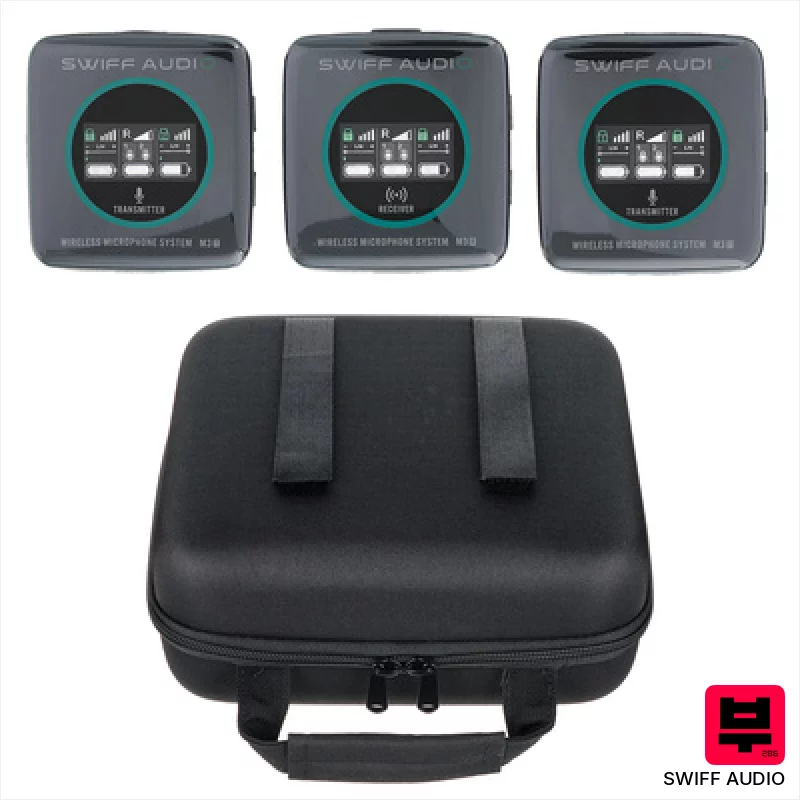
Swiff Audio M3 PRO Case Bundle
- • Compact size makes it ideal for run-and-gun video work.
- • 2.4GHz digital transmission provides a cleaner signal than older FM systems.
- • The included case offers excellent portability and protection.
- • Dual transmitters offer flexibility for interviews or two-person setups.
- • Plastic construction feels a little flimsy compared to higher-end metal options.
- • 50m range is respectable, but susceptible to interference in crowded areas.
- • Limited channel options may necessitate frequency scanning in challenging environments.

Swiff Audio M3 PRO
- • Compact design and lightweight construction make it truly mobile-friendly.
- • 2.4GHz digital transmission offers a relatively clean signal for the price point.
- • The included monitoring headphone output is a genuinely useful feature for on-location work.
- • 24-bit/48kHz sampling provides decent audio resolution for vlogging and interviews.
- • Plastic construction feels somewhat flimsy; not ideal for heavy daily use.
- • 50m range is optimistic; expect reduced performance with obstacles.
- • Integrated microphone quality is acceptable, but external mics are strongly recommended.

Rode Wireless GO II Single Bundle
- • Compact form factor simplifies mounting on camera or talent.
- • Integrated microphone delivers surprisingly clear, natural vocal capture.
- • On-board memory provides a safety net for critical recordings.
- • Intuitive level adjustments quickly optimize gain without distortion.
- • 2.4 GHz band susceptible to interference in crowded RF environments.
- • Single bundle limits flexibility for multi-mic setups or talent interviews.
- • Limited codec options restrict advanced audio processing capabilities.
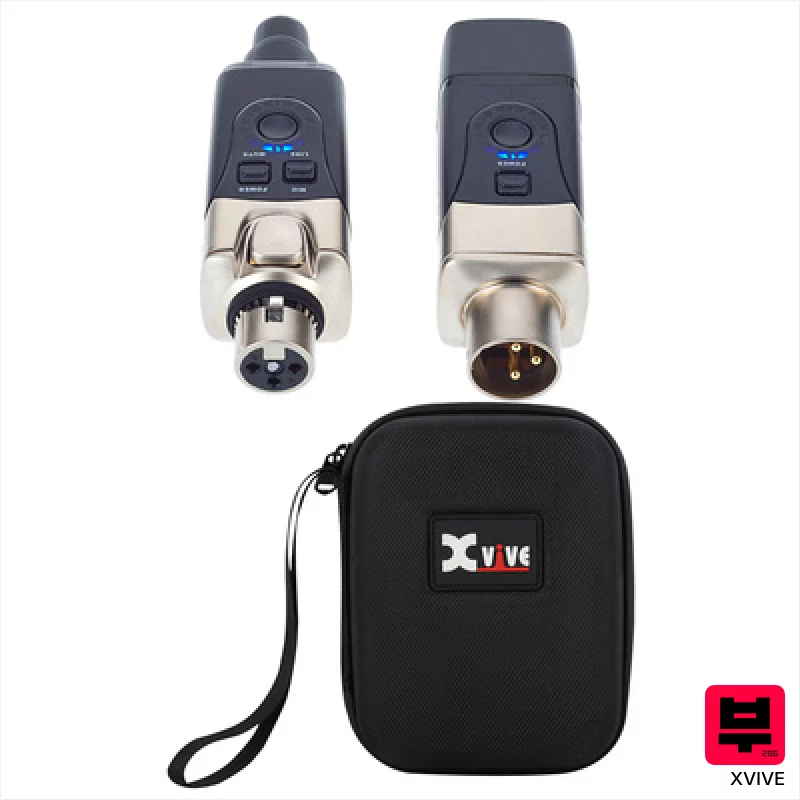
XVive U3 Microphone Wireless Bundle
- • Robust ABS housing offers surprisingly good impact resistance.
- • 2.4GHz band ensures reliable operation globally, avoiding common interference.
- • Mic/Line switch provides versatility for vocalists and DJs alike.
- • Impressive 110dB dynamic bandwidth delivers a clean, clear signal.
- • ABS housing, while robust, lacks the premium feel of metal construction.
- • Micro USB charging feels dated compared to USB-C alternatives.
- • Limited channel selection (6) might be restrictive for crowded RF environments.
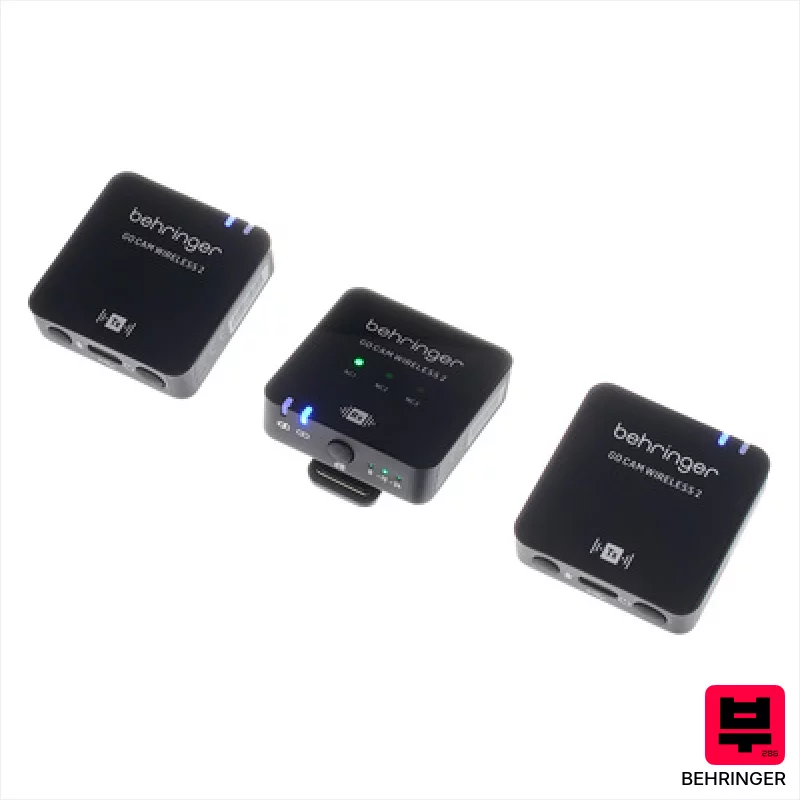
Behringer Go Cam Wireless 2
- • Extremely compact and lightweight transmitters for discreet camera use
- • Built-in omnidirectional mics offer surprisingly decent, usable audio
- • Real-time monitoring is a genuinely useful feature for on-location recording
- • Comprehensive accessory kit provides immediate usability out of the box
- • Plastic construction feels noticeably less robust than higher-end wireless systems
- • Limited frequency band means potential interference in crowded RF environments
- • Omnidirectional mics pick up significant background noise, even with noise reduction
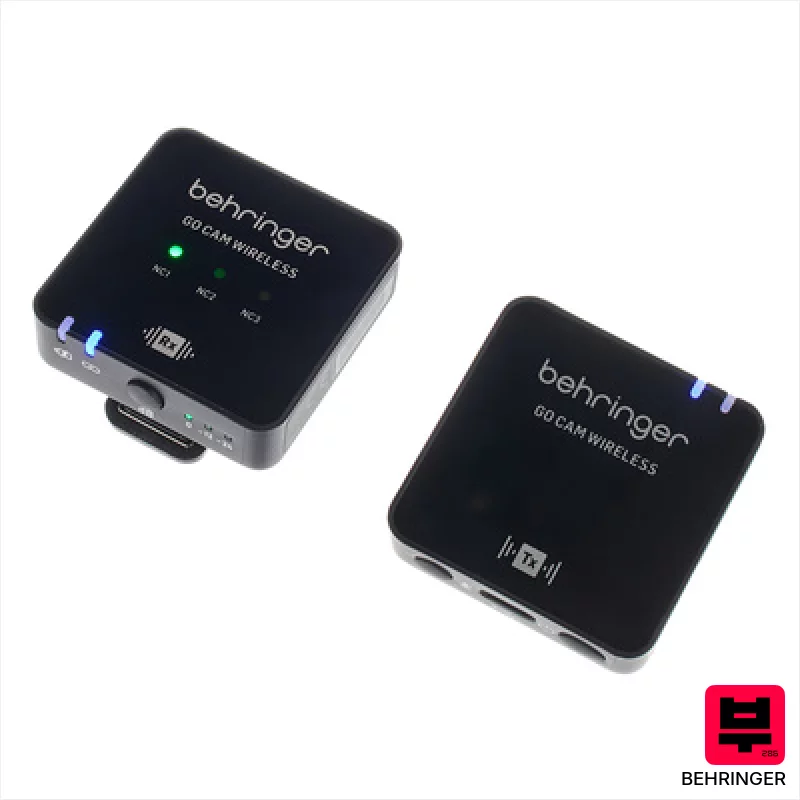
Behringer Go Cam Wireless
- • Compact and lightweight design allows for discreet camera mounting.
- • Built-in omnidirectional mic provides surprisingly decent vocal capture.
- • USB-C charging and monitoring headphones offer modern convenience.
- • Includes multiple cables for versatile connectivity to various devices.
- • Limited frequency band and channel count restricts use in crowded RF environments.
- • Plastic construction feels budget-oriented; durability may be a concern.
- • Omnidirectional mic picks up significant background noise without careful placement.
How to Choose the Best Wireless Devices for Cameras
Tonal Character
Content creators need a mic that sounds natural and present. Avoid systems with a harsh, ice-picky high-end - it'll fatigue viewers. A warmer, more balanced tone with a slight lift in the upper mids helps vocals cut through without sounding brittle, especially when you're adding music or sound effects. That 'fat midrange honk' is your friend here.
Range and RF Stability
This is HUGE. Nothing's worse than audio dropouts mid-sentence. A wider, cleaner range is vital, especially if you're moving around. We test for interference from Wi-Fi, Bluetooth, and other common sources - because a system that works great in your bedroom will fall apart at a public location.
Latency
A little latency is unavoidable, but excessive delay is a deal-breaker for synced video. Look for systems with low latency, especially if you're recording music or need precise lip-sync. Anything over 10ms starts to become noticeable and distracting.
Build Quality & Durability
You're going to be bumping into things, dropping stuff, and generally putting this gear through the wringer. Solid construction and reliable components are essential for long-term use. Plastic housings can crack, transmitters can fail - it's a trade-off with budget systems.
Form Factor and Features
Consider the mic's size and weight, especially if you're mounting it on a camera or gimbal. Features like gain control, headphone monitoring, and multiple microphone inputs (for interviews) can significantly enhance your workflow, but also add to the complexity.
Buying Guide
Don't chase the cheapest option - you'll almost always regret it. Wireless systems cut corners somewhere - often in RF performance or build quality. Pay attention to the frequency band - 2.4GHz is convenient but prone to interference, while UHF offers more stability, though it may require licensing in some areas. A little extra investment in a reputable brand will save you headaches and deliver noticeably better audio. Think of it as an investment in your brand's credibility.
Our Methodology
We don't just look at spec sheets here. We've spent hours A/B-ing these systems against wired mics in both studio and on-location scenarios - think noisy coffee shops, outdoor shoots, and even a few band rehearsals to test RF interference. Our evaluations focus on the actual sound, how the system performs in unpredictable environments, and the overall user experience - because a fantastic-sounding mic is useless if it's a pain to set up and use.

