
Best Wired In-Ear Components Under $5,000 2026
So, you're ready to ditch the floor wedges and go in-ear, but you're not looking to mortgage the house? Smart move. Getting a solid wired IEM setup under $5000 isn't about chasing diminishing returns; it's about finding that sweet spot where performance and price actually align. We're talking about a stage-ready, recording-capable system - not just something for bedroom practice.
Last updated: April 11, 2026
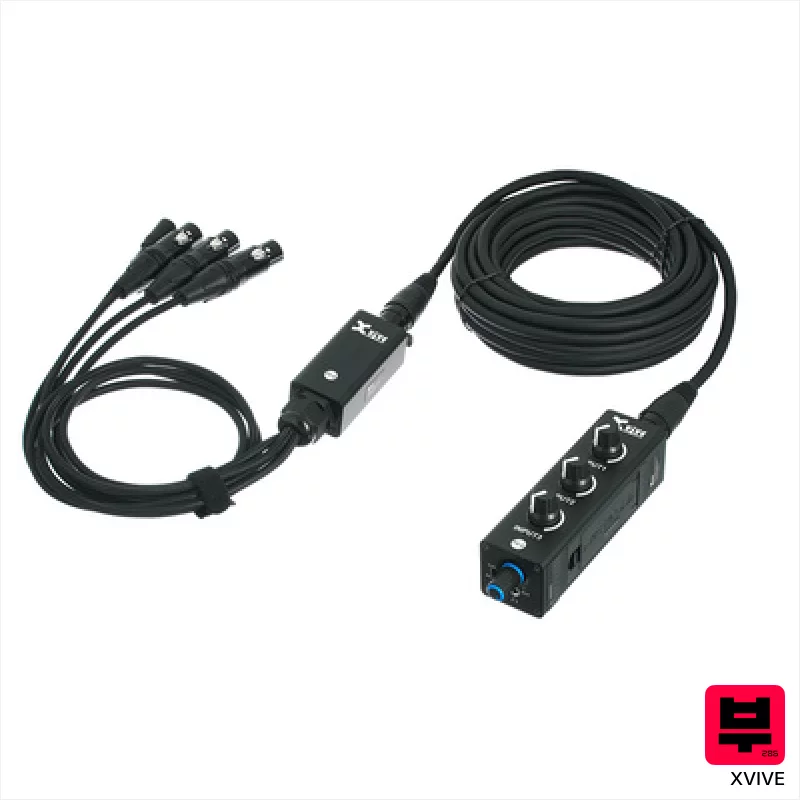
XVive PX - Portable 3-Channel Mixer
- • PoE power and battery option offers incredible flexibility on stage or in the studio.
- • Compact size and lightweight design make it truly portable for IEM rigs.
- • Channel panning via DIP switches provides surprisingly detailed mix customization.
- • Cat 5 cable simplifies routing and reduces cable clutter significantly.
- • AAA battery reliance for backup power can be inconvenient for extended use.
- • Limited EQ options restrict detailed sound shaping for each individual channel.
- • Build quality, while decent, feels a little plasticky for frequent gigging.

Fischer Amps In Ear Body Pack XL
- • Robust metal chassis provides excellent stage durability.
- • Flexible mono/mix options cater to diverse IEM monitoring needs.
- • Internal limiter protects hearing and equipment from sudden peaks.
- • Phantom power support expands mic compatibility options considerably.
- • 430g weight can be fatiguing for extended use, especially on a belt.
- • Battery life, while decent, demands frequent charging on longer gigs.
- • Limited connectivity compared to rackmount alternatives.
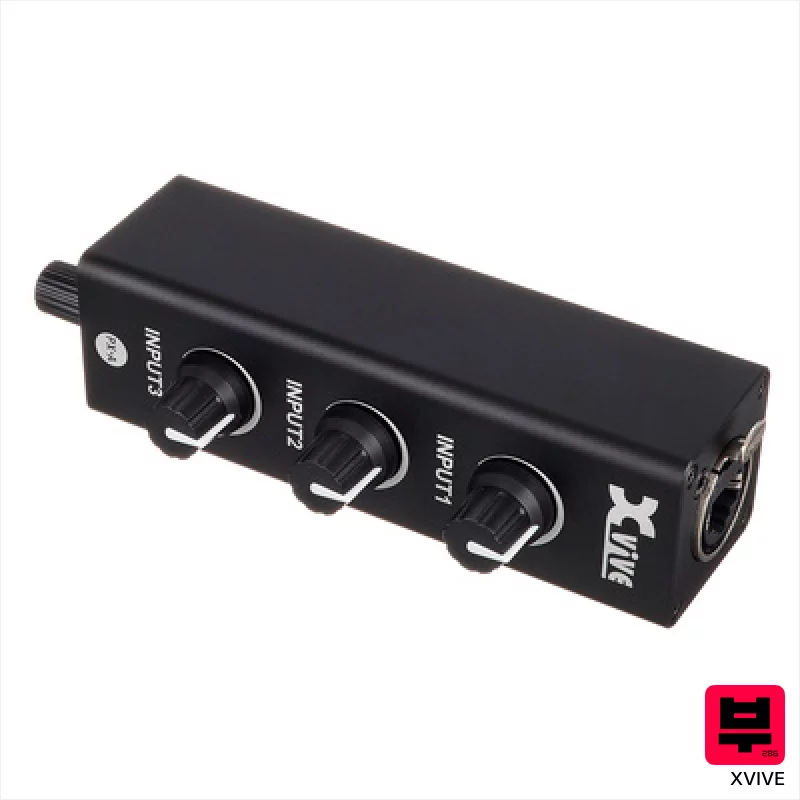
XVive PX-A Portable 3-Channel Mixer
- • Compact size ideal for stage or travel, minimizing gear clutter.
- • PoE/battery flexibility offers adaptable power solutions.
- • DIP switch channel routing provides mixing customization.
- • Solid build quality for a budget-friendly portable mixer.
- • AAA battery power is less convenient than a standard power supply.
- • Limited headroom; won't handle high-volume, demanding applications.
- • Basic feature set lacks advanced EQ or effects options.

Fischer Amps In-Ear Monitor BP
- • Robust German engineering ensures exceptional durability and reliability.
- • Flexible stereo/mono/mix modes cater to diverse stage monitoring needs.
- • Integrated limiter prevents clipping and protects IEMs from damage.
- • Compact size and long battery life make it stage-ready and practical.
- • 40mW output power may be limiting for high-impedance IEMs.
- • Limited connectivity; lacks digital output or Bluetooth.
- • The locking power connector, while secure, can be inconvenient.
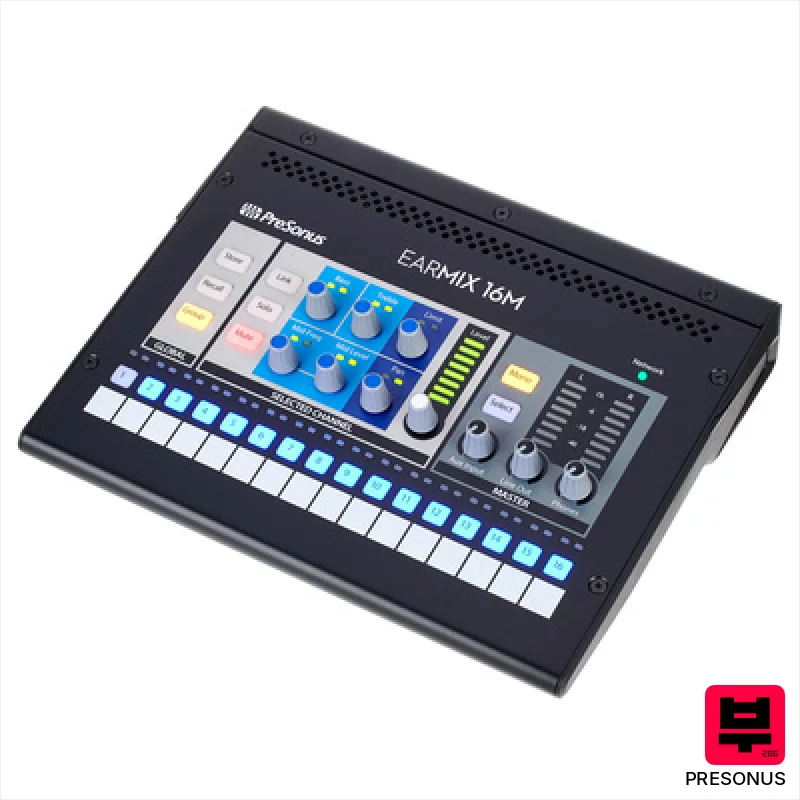
Presonus EarMix 16M
- • Excellent channel count and flexibility for complex IEM mixes
- • AVB connectivity provides rock-solid latency and expandability
- • Parametric mids offer precise tonal shaping on each channel
- • Powerful headphone amp delivers clean, loud monitoring
- • AVB implementation requires compatible PreSonus AVB hardware
- • Learning curve associated with AVB networking and configuration
- • Size and weight make it less ideal for truly portable IEM setups

Behringer Powerplay P16-I Module
- • Ultra-low latency (<1ms) ideal for stage monitoring.
- • ADAT inputs expand flexibility for complex signal routing.
- • Individual channel gain adjustment minimizes noise and optimizes levels.
- • CAT5e cabling simplifies setup and reduces cable clutter.
- • Build quality feels plasticky, not as robust as higher-end units.
- • Limited sample rate options restrict compatibility with some digital workflows.
- • Reliance on CAT5e cabling can be problematic with damaged or unreliable runs.

Allen & Heath Me-1
- • Illuminated keys offer excellent visibility on stage, even in low light.
- • Compact size and PoE power option simplify setup and transport.
- • Allen & Heath's renowned sound processing delivers clean, clear audio.
- • Flexible I/O options (MADI, Dante, EtherSound) provide extensive scalability.
- • Limited physical controls might require a learning curve for some users.
- • The mini-jack headphone output isn't ideal for professional-grade monitoring.
- • Relatively premium-priced compared to simpler in-ear monitoring solutions.

Behringer P24 Hub
- • StageConnect bus power simplifies cabling and reduces power needs.
- • AES50/Ultranet offers flexible routing and scalability for complex rigs.
- • 16 balanced outputs easily feed multiple IEM transmitters or FOH mixes.
- • Integrated StageTalk intercom streamlines communication on busy stages.
- • Build quality feels plasticky; not as robust as higher-end alternatives.
- • AES50 implementation requires careful setup and understanding of protocols.
- • The sheer number of connections can be overwhelming for simpler setups.

Allen & Heath ME-500
- • Rock-solid build quality; feels like a tank despite its size.
- • Seamless integration with Allen & Heath’s dLive ecosystem is a huge time-saver.
- • Flexible power options (PoE or external) offer deployment versatility.
- • Line Out provides a convenient feed for stage monitors or IEM transmitters.
- • The weight (900g) can be fatiguing for extended handheld use.
- • Limited to wired IEMs; no wireless transmission capabilities.
- • The small headphone outputs might require adapters for some professional headphones.

Fischer Amps In Ear Amp 2
- • Class A MOSFET output delivers exceptionally clean, powerful IEM audio
- • Robust, 9.5in chassis feels incredibly solid and roadworthy
- • Lowpass filter cleans up bass frequencies effectively for stage monitoring
- • Dual outputs and XLR connectivity offer flexible routing options
- • The 9.5in size makes it less portable than smaller IEM amps
- • Premium-priced, might be a stretch for budget-conscious musicians
- • Limited input gain range might require careful source level adjustment

Fischer Amps In Ear Amp 8
- • Class A MOSFET output delivers exceptionally clean, powerful headphone amplification
- • Integrated limiter protects IEMs and prevents feedback onstage
- • Versatile combo inputs accommodate both XLR and jack connections for flexibility
- • Compact 9.5in rackmount design saves valuable stage space
- • Premium-priced, represents a significant investment for smaller bands
- • Limited to wired IEM systems; no wireless connectivity options
- • The switched-mode power supply, while efficient, can introduce a faint hum in very quiet environments

Midas HUB4
- • Robust Neutrik etherCON connectors ensure rock-solid network stability
- • PoE simplifies setup, eliminating individual power runs for DP48 mixers
- • AES50 cascading allows for massive, scalable in-ear monitoring systems
- • StageCONNECT output expands connectivity for further stage devices
- • Size and weight make it less portable for solo performers or smaller rigs
- • Relies heavily on Midas/Behringer ecosystem for full feature utilization
- • Higher price point positions it as an investment for serious IEM users

Rockboard HA 2 In-Ear Volume Controller
- • Aluminum housing provides surprising durability for the price point.
- • Belt clip is robust and genuinely useful for stage use.
- • Mono/Stereo switch is a clever solution for stage flexibility.
- • Compact size and lightweight design won't add bulk to your setup.
- • Passive volume control lacks the precision of powered options.
- • Combo jack, while secure, can feel slightly cramped with larger XLR plugs.
- • 3.5mm output limits compatibility with some higher-end IEMs.
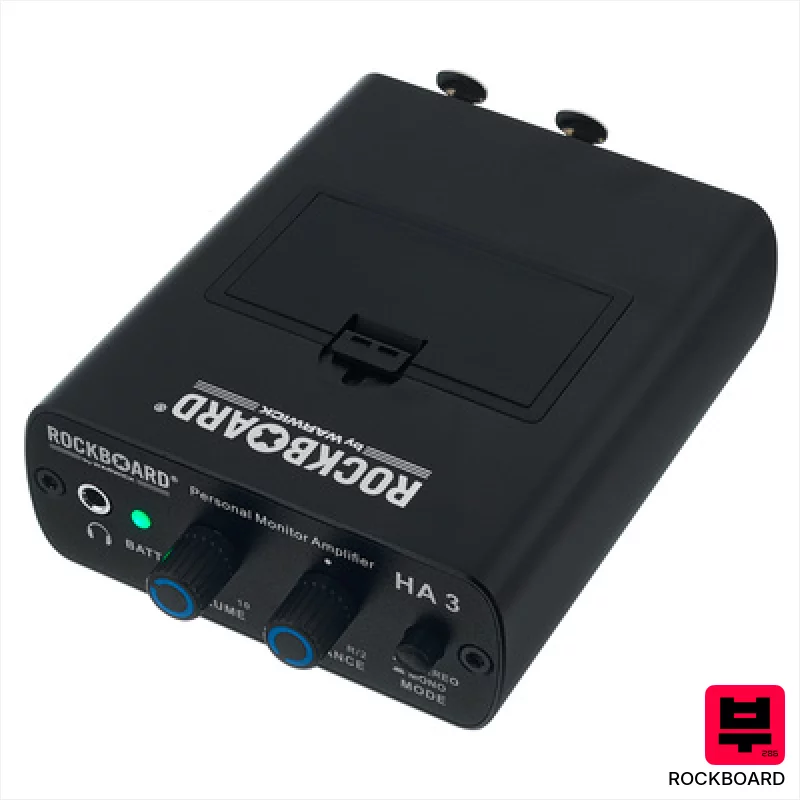
Rockboard HA 3 In-Ear Amplifier
- • Robust metal belt clip provides secure, practical stage mounting options.
- • XLR/TRS combo jack with locking mechanism prevents frustrating live disconnection.
- • Mono/Stereo switch offers flexibility for diverse monitoring setups.
- • Compact size and included mounting adapters make it stage-ready immediately.
- • Limited power output; best suited for IEMs with moderate impedance.
- • 9V DC power supply dependency restricts battery operation on stage.
- • Basic EQ; lacks tonal shaping for critical monitoring needs.
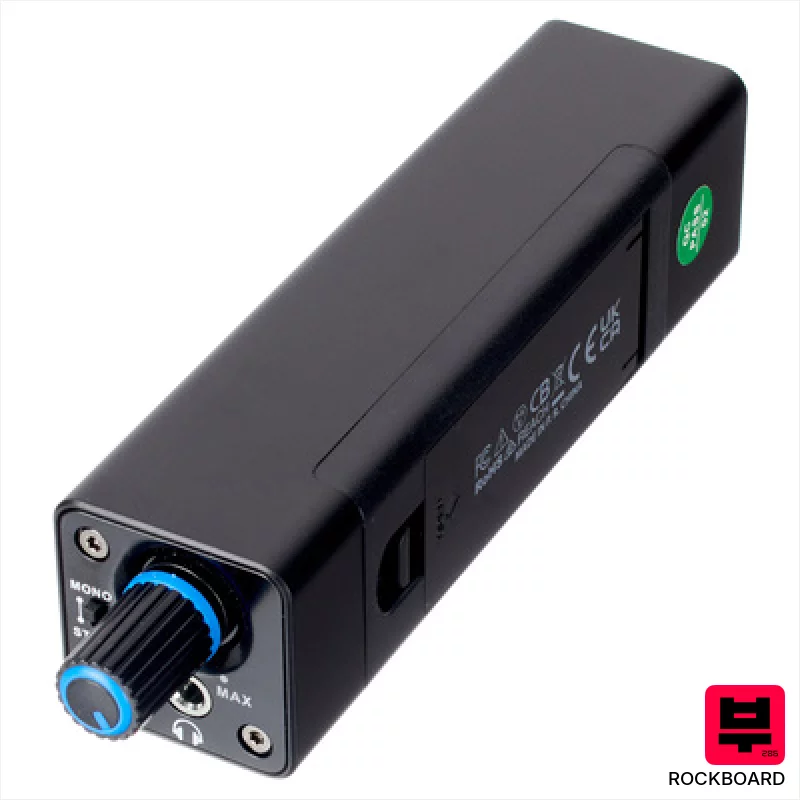
Rockboard HA 1 In-Ear Amplifier
- • Aluminum housing provides decent protection and a premium feel.
- • Compact size and belt clip offer excellent portability for stage use.
- • Stereo/mono switch is genuinely useful for IEM troubleshooting.
- • Simple controls and clear LED status indicator are user-friendly.
- • AAA battery power is inconvenient; rechargeable option would be much better.
- • Limited output power restricts use with high-impedance IEMs.
- • Combination jack/XLR input lacks a true mic preamp for vocalists.
How to Choose the Best Wired In-Ear Components
Driver Technology
Dynamic drivers are common in this range, offering a punchy low-end and good overall clarity, but watch for muddy bass. Balanced armature drivers deliver incredible articulation and detail, but can sometimes lack warmth. Hybrid designs try to combine the best of both worlds, and often do a decent job.
Frequency Response & Tuning
A flat frequency response is ideal for critical listening and recording, but a slightly tailored response can be more enjoyable for live performance. Look for IEMs that offer a balanced sound without being overly colored - that 'that fat midrange honk' is often desirable for cutting through a loud band.
Cable Quality & Connector
A flimsy cable is a disaster waiting to happen on stage. Look for braided cables with robust connectors - preferably MMCX or Pentaconn - that can withstand the rigors of gigging. Don't skimp here; a replacement cable costs more than you think.
Isolation
Good isolation is crucial for blocking out stage noise and hearing your mix clearly. Passive isolation (physical seal) is generally sufficient in this price bracket, but it's worth trying different ear tips to find the best fit. Poor isolation means you're cranking the volume, which is bad for your ears.
Comfort & Fit
This is hugely subjective, but a comfortable IEM is a usable IEM. Different ear tip materials (silicone, foam) and sizes are essential. A poorly fitting IEM, no matter how good it sounds, will be a torture device after an hour.
Buying Guide
At this budget, you're not buying the absolute bleeding edge, but you can get seriously good. Expect to trade off something - maybe a slightly less refined high-end sparkle or a touch less bass extension. Don't get caught up in marketing hype; prioritize a balanced sound signature and a comfortable, reliable build. Spending a little more on a quality cable and a selection of ear tips is almost always a better investment than chasing the 'perfect' IEM.
How This List Is Built
We don't play these instruments — we're a catalog, not a review desk, and we'd rather say so than pretend otherwise. This page ranks 15 wired in-ear components from the Thomann catalogue, which is the largest single source of specification data in this category.
Position is computed, not curated. Four signals, in order of weight: how completely the manufacturer documents the instrument (number of published specifications), where it sits in the price range, how specific the model designation is — which filters out generic accessories — and whether a product image exists. The same inputs always produce the same order, so nothing here is shuffled to look fresh.
What this list is good for: narrowing a category down to a shortlist by spec and budget. What it isn't: a substitute for hearing an instrument. Before you buy, read hands-on reviews and, where you can, play it. Full methodology.

