AudioFu Chart · October 2026
Best Wired In-Ear Components Under $200 2026
The top pick is Behringer Powerplay P16-M 16-Channel Digital Personal Mixer ($189). Behringer Powerplay P2 Personal In-Ear Monitor Headphone Amp gives you the most for the money at $37. Ranked by the AudioFu Index from 14 models across 7 brands, prices checked every night.
Last updated: October 26, 2026
Top 10
Full detail for the 10 highest AudioFu Index scores. Every other model is listed below.
-
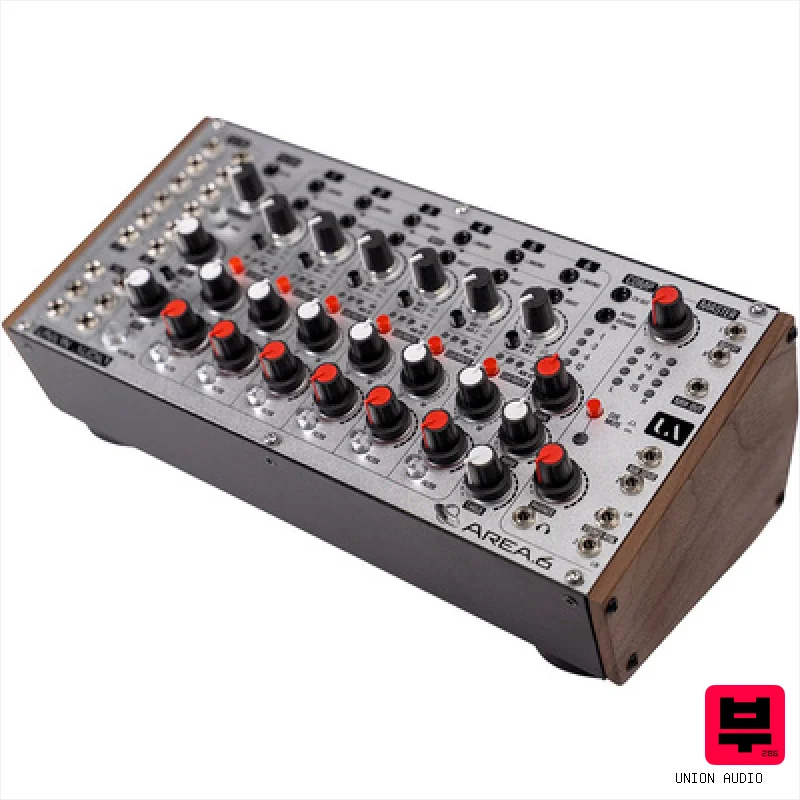
Behringer Powerplay P16-M 16-Channel Digital Personal Mixer
P16-Hq · Behringer
13 for sale on Reverb1 finish at Thomann
- Weight0.8 kg
The P16-HQ is a clever, budget-friendly solution for IEM monitoring, particularly for bands or larger ensembles. It’s a real time-saver for engineers managing multiple in-ear mixes, and the direct channel access is a game-changer. If you're building a personal monitoring system and want to avoid a massive console, this is a seriously attractive option.
Pros
- Direct channel access via backlit selectors is genuinely intuitive and fast.
- The 3-band EQ per channel offers surprising flexibility for shaping IEM mixes.
- Ultranet networking dramatically reduces cable clutter and latency for stage use.
Cons
- Build quality feels plasticky; not as robust as higher-end stage mixers.
- Limited routing options compared to more complex digital mixing consoles.
68AudioFu
IndexStableno change since Aug 17Aug 17$189 now$189€169 at Thomann · in stockCheck price ↗ -
Behringer Powerplay P1 Personal In-Ear Monitor Amplifier
Powerplay P1 · Behringer
12 for sale on Reverb1 finish at Thomann
- Size8"
The Powerplay P1 is a surprisingly capable little IEM amp for the price. It's a great option for gigging musicians needing individual monitoring without a massive investment, especially those sharing a stage or needing to dial in a personalized mix. Just be gentle with that mini-jack!
Pros
- Surprisingly robust metal clip for stage stability
- Effective peak limiter protects IEMs from damage
- Balanced controls allow for precise monitoring adjustments
Cons
- Mini-jack output feels flimsy and potentially unreliable
- Power supply not included, adds to initial cost
-
Behringer Powerplay P2 Personal In-Ear Monitor Headphone Amp
Powerplay P2 · Behringer
11 for sale on Reverb1 finish at Thomann
The Powerplay P2 is a surprisingly useful little amp if you need personal monitoring and can't rely on a sound engineer. It's perfect for solo artists, acoustic duos, or anyone wanting a basic, affordable IEM solution on stage – just be mindful of its power limitations and build quality.
Pros
- Extremely compact and lightweight for stage use
- Lockable XLR/jack combo input prevents accidental disconnection
- Battery-powered operation offers stage flexibility
Cons
- Plastic construction feels somewhat fragile for frequent gigging
- Limited power output; struggles with high-impedance IEMs
-
Rolls PM55P Personal Monitor Amplifier
PM 55P Personal Monitor Amp · Rolls
6 for sale on Reverb1 finish at Thomann
The Rolls PM 55P is a handy little amp for keyboard players, vocalists, or anyone needing a personal IEM mix on the go. It's simple to use, provides decent clean sound, and the battery power is a real bonus. It’s a solid, budget-friendly option for those needing a basic, portable monitor solution.
Pros
- Compact size makes it highly portable for gigging musicians
- XLR input allows for connection to professional microphones
- Switchable limiter protects IEMs from signal peaks and distortion
Cons
- Build quality feels a little plasticky, not as robust as higher-end units
- Limited headroom; might struggle with very loud stage volumes
50AudioFu
IndexStableno change since Aug 17Aug 17$189 now$189€169 at Thomann · in stockCheck price ↗ -
Rolls PM50se Personal Monitor Amplifier
PM 50se Personal Monitor Amp · Rolls
4 for sale on Reverb1 finish at Thomann
The Rolls PM 50se is a surprisingly capable little amp for in-ear monitoring. It's a great solution for gigging musicians needing a reliable, affordable way to feed IEMs – especially those who use dynamic microphones and want a bit of extra clean gain. Don't expect studio-grade performance, but it's a solid workhorse for live sound.
Pros
- Solid build quality for the price point; feels surprisingly robust.
- Flexible mono/stereo switching caters to varied IEM setups.
- Independent level controls offer precise monitoring adjustments.
Cons
- Limited headroom; can introduce noise at higher volumes.
- Plastic enclosure feels budget-conscious, not premium.
46AudioFu
IndexStableno change since Aug 17Aug 17$122 now$122€109 at Thomann · in stockCheck price ↗ -
- Size8"
The Rockboard HA 3 is a handy little amp for anyone needing basic in-ear monitoring. It’s a great budget-friendly option for keyboardists, singers, or guitarists who want a clean, simple signal without needing a full-blown mixer. Just be aware it’s not a powerhouse, so IEMs with higher impedance might struggle.
Pros
- Robust metal belt clip provides secure, practical stage mounting options.
- XLR/TRS combo jack with locking mechanism prevents frustrating live disconnection.
- Mono/Stereo switch offers flexibility for diverse monitoring setups.
Cons
- Limited power output; best suited for IEMs with moderate impedance.
- 9V DC power supply dependency restricts battery operation on stage.
-
- Size8"
The Millenium HPA In Ear is a surprisingly capable little amp for IEMs. It's a great budget-friendly option for gigging musicians needing a simple, portable solution to drive their in-ear monitors, particularly useful for those who want a little more control over their monitor mix than a simple direct feed provides.
Pros
- Compact size makes it stage-friendly and portable.
- Mix mode offers flexibility for monitor blending.
- Stereo XLR input handles professional-grade signals cleanly.
Cons
- Plastic construction feels somewhat budget-oriented for frequent road use.
- 9V battery operation offers limited runtime; requires frequent changes.
-
This Fischer cable is a solid choice for guitarists who've invested in an in-ear monitoring system. The 10m length is great for getting around the stage, and the bodypack’s volume control is super convenient – a real game-changer for those wanting tight control over their monitor mix without needing to constantly adjust the main amp.
Pros
- Excellent cable shielding minimizes stage noise and hum
- Bodypack volume control offers convenient, on-the-fly adjustments
- Robust construction with Fischer’s signature quality connectors
Cons
- Bodypack adds bulk; might be uncomfortable for some performers
- Fixed headphone extension limits adaptability for different IEMs
43AudioFu
Index↓ 2.9%since Aug 17 · lowest so far$156 · Aug 17$151 now$151€135 at Thomann · in stockCheck price ↗ -
The Fischer Amps In Ear Stick is a surprisingly well-built little amp for personal IEM monitoring. It's a great solution for keyboard players, vocalists, or anyone needing a clean, reliable signal boost for their in-ears without the bulk of a full-size amp – especially handy for smaller stages or rehearsals. The build quality is excellent for the price.
Pros
- Robust metal housing offers excellent durability for stage use
- Combined XLR/Jack input provides flexibility for various signal sources
- Electronic limiter protects IEMs and prevents damaging volume spikes
Cons
- AAA battery operation can be inconvenient for long gigs, requiring spares
- 1.5 Ohm impedance may present a load challenge for some amplifiers
42AudioFu
IndexStableno change since Aug 17Aug 17$162 now$162€145 at Thomann · in stockCheck price ↗ -
The Rockboard HA 1 is a surprisingly solid, budget-friendly IEM amp. It's ideal for keyboardists, guitarists, or singers needing a portable monitoring solution without a complex mixer. Just be aware of the limited power and battery situation.
Pros
- Aluminum housing provides decent protection and a premium feel.
- Compact size and belt clip offer excellent portability for stage use.
- Stereo/mono switch is genuinely useful for IEM troubleshooting.
Cons
- AAA battery power is inconvenient; rechargeable option would be much better.
- Limited output power restricts use with high-impedance IEMs.
All 14 wired in-ear components
Same index, same nightly prices — compact. Colour options of one model share a row. Tap a photo to zoom.
- 11
XVive PX-A Portable 3-Channel MixerXVive37Stable$55€49$55€49Check ↗
- 12
LD Systems HPA 1LD Systems37↓ 4.0%$81€72$81€72Check ↗
- 13
XVive PX - Portable 3-Channel MixerXVive37Stable$111€99$111€99Check ↗
- 14
Behringer Powerplay P16-D 16-channel Ultranet Distribution ModulePowerplay P16D Ultranet · Behringer37Stable$132€118$132€118Check ↗
Wired In-Ear Components by the numbers
Measured across all 14 models we track, not a sample.
Median $111 — half of all wired in-ear components here cost less.
How to choose the best wired in-ear components
Driver Size & Material
Smaller drivers (6mm-8mm) are common at this price point, often using dynamic or balanced armature designs. Expect a tighter low-end, but dynamic drivers can sometimes lack articulation compared to BAs. The material - often Mylar or PET - impacts responsiveness and distortion.
Cable Quality
This is where a lot of corners get cut. Thin, brittle cables will fail quickly. Look for something with decent strain relief at the connector and jack, and ideally a detachable cable - it makes replacements a breeze.
Frequency Response & Sound Signature
Don't expect a perfectly flat response. Most IEMs have a slight boost in the lower mids for perceived "warmth". The goal is to find something that's balanced enough to hear your instrument clearly without sounding tinny or muddy. That fat midrange honk is nice, but clarity is king.
Comfort & Fit
This is hugely personal. Cable thickness, eartip selection (foam is often a must for isolation), and the overall shape of the housing all play a role. An uncomfortable IEM is useless, no matter how good it sounds.
Isolation
How well do they block out external noise? This is critical for monitoring on stage or in a loud rehearsal space. Foam eartips provide the best isolation, but silicone tips are more common and easier to find in different sizes.
Buying guide
Alright, so you're tired of wrestling with a wedge monitor that's either swallowing you or blasting your ears off. Wired in-ears are the answer, but dropping five hundred bucks on 'em feels... excessive. Let's be real, you need something reliable for rehearsals, smaller gigs, or even tracking vocals - something that'll let you hear yourself without needing a hearing aid afterward. We're focusing on wired IEM components under $200; it's totally doable to get a decent setup without breaking the bank.
At this price, you're making trade-offs. Don't expect audiophile-grade detail or a super-wide frequency range. Focus on reliability and a sound signature that complements your instrument.
Detachable cables are a massive plus for longevity. Spending a little extra on quality foam eartips is almost always worth it - they improve both comfort and isolation.
How the AudioFu Index works
Five measured signals and nothing else — no stars from strangers, no “tested by experts” we didn’t do. The weights are fixed and public. We don’t play these instruments; we measure the market around them.
This chart covers 14 wired in-ear components from the Thomann catalogue. Before you buy, read hands-on reviews and, where you can, play it. Full methodology.
AudioFu earns a commission when you buy through our Thomann links. It never changes the order — the index does.
- Demand40%
How many of this exact model are for sale on Reverb right now — what musicians actually buy and resell.
- Lineup20%
How many finishes Thomann stocks — makers expand the models that sell.
- Price15%
Where the price has moved since we started tracking in August.
- Specs15%
How completely the maker documents it.
- Maker10%
How deep the brand’s range is in this category.
Questions
Are detachable cables really worth it?
Absolutely. Cables are the first thing to fail on IEMs. A detachable cable means you can replace it without replacing the entire unit, saving you money in the long run.
What's the difference between dynamic and balanced armature drivers?
Dynamic drivers are more common and generally offer a warmer sound, but can be less articulate. Balanced armatures are more precise and detailed, but can sometimes sound a little clinical if not tuned well.
Can I use these IEMs for recording vocals?
Definitely, but consider a flat response for accurate monitoring. A slight bass boost can be nice for perceived warmth, but it can also mask problems in the mix.
What about wireless IEMs? Are they an option at this price?
Wireless in this budget is a tough sell. Expect significant latency and compromised sound quality. Stick with wired for the best performance.
How do I know what eartip size I need?
Experiment! Most IEMs come with a few sizes, but it's worth buying a variety pack of foam or silicone tips to find the perfect seal. A good seal is essential for isolation and bass response.