
Best TV Headphones for Advanced 2026
Look, you're not just casually watching TV. You're dissecting the mix, analyzing the dynamics, maybe even trying to pick out individual instrument voicings. Those cheap earbuds your grandma uses just ain't gonna cut it. We're talking about headphones for players who listen - players who need a detailed, accurate, and fatigue-free listening experience, whether you're transcribing a killer bass line or just trying to figure out how they got that snare sound. This isn't about booming bass; it's about hearing the truth.
Last updated: July 1, 2026 • Next update: July 8, 2026
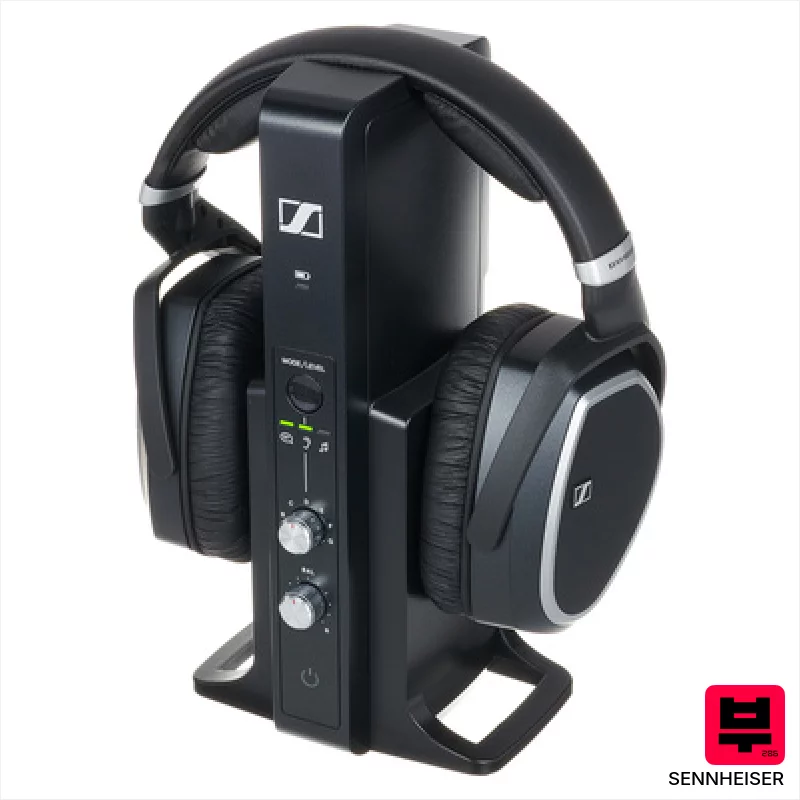
Sennheiser RS 195
- • Excellent clarity and detail across the frequency spectrum.
- • Robust build quality with comfortable, durable earcups.
- • Impressive range avoids signal dropouts in larger rooms.
- • Integrated charging dock simplifies storage and battery management.
- • The 340g weight can become fatiguing during extended listening sessions.
- • Closed-back design limits soundstage and natural ambience.
- • Limited codec support restricts high-resolution audio streaming.
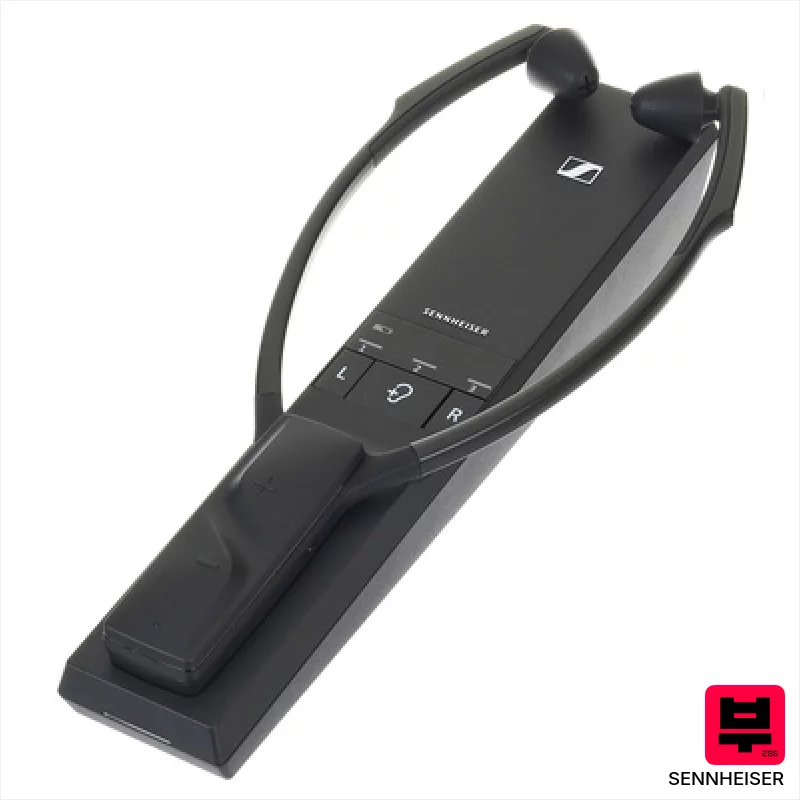
Sennheiser RS 5200
- • Excellent RF clarity; minimizes dropouts common in TV headphones.
- • Memory foam earpads offer exceptional, long-term comfort.
- • Balance control is genuinely useful for uneven hearing.
- • Solid build quality; feels durable despite the lightweight design.
- • Sound profile is somewhat flat; lacks excitement for music listening.
- • Base station takes up a fair amount of space.
- • Limited codec support; no aptX or higher-end wireless options.

Sennheiser RS 175
- • Excellent bass response, surprisingly impactful for TV headphones
- • Robust build quality; feels solid and durable despite the weight
- • Simple, reliable RF transmission – no Bluetooth connectivity issues
- • Dual headphone support is genuinely useful for families or couples
- • 310g is substantial; long listening sessions can cause fatigue
- • Soundstage is limited; not ideal for critical listening or audiophiles
- • Analogue connection only for some devices; lacks modern digital options
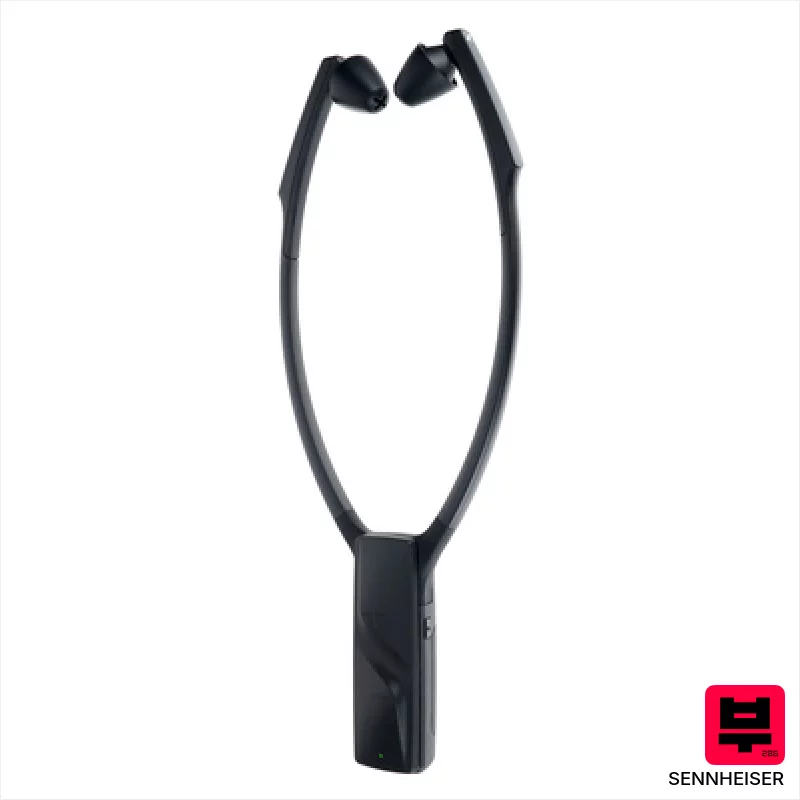
Sennheiser RR 2000
- • Comfortable earpads provide extended listening sessions without fatigue
- • Robust headband construction ensures durability for daily use
- • Clear audio reproduction, especially noticeable in dialogue clarity
- • Impressive range allows for movement throughout a typical living room
- • Requires the RS 2000 system; a significant additional investment
- • Frequency response leans towards a flatter profile; lacks pronounced bass
- • Plastic construction feels less premium compared to higher-end headphones
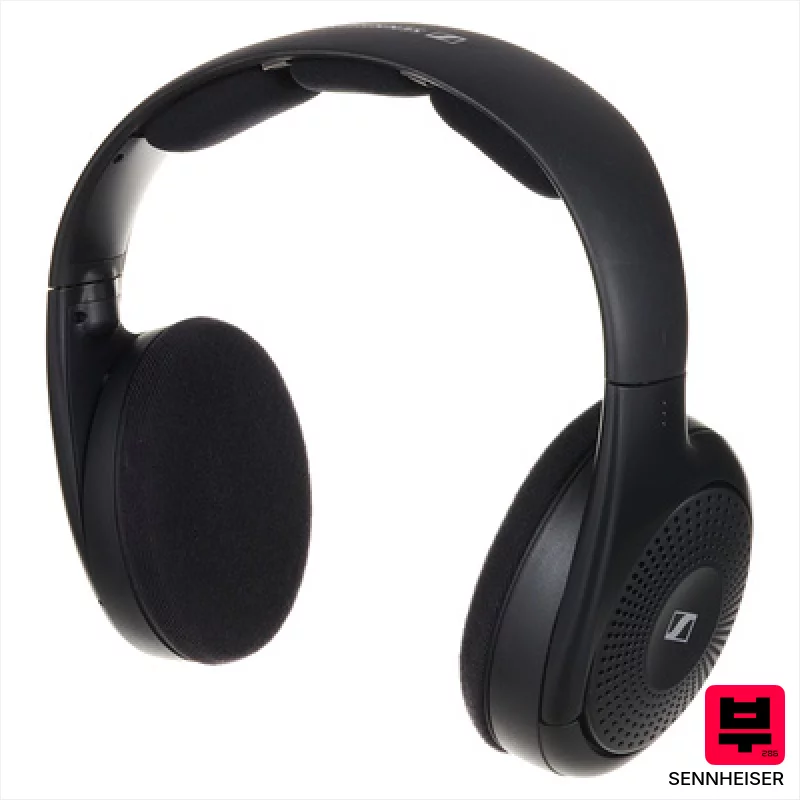
Sennheiser HDR 120-W
- • Comfortable circumaural design minimizes fatigue during extended movie watching.
- • Closed-back design effectively isolates ambient noise for immersive sound.
- • Reliable 2.4GHz wireless connection ensures stable, low-latency audio.
- • Sennheiser's audio heritage delivers clear dialogue and balanced sound reproduction.
- • Limited versatility; primarily designed for TV audio, not general music listening.
- • Plastic construction feels budget-oriented compared to premium Sennheiser models.
- • Range is typical for TV headphones; not ideal for moving around a large space.
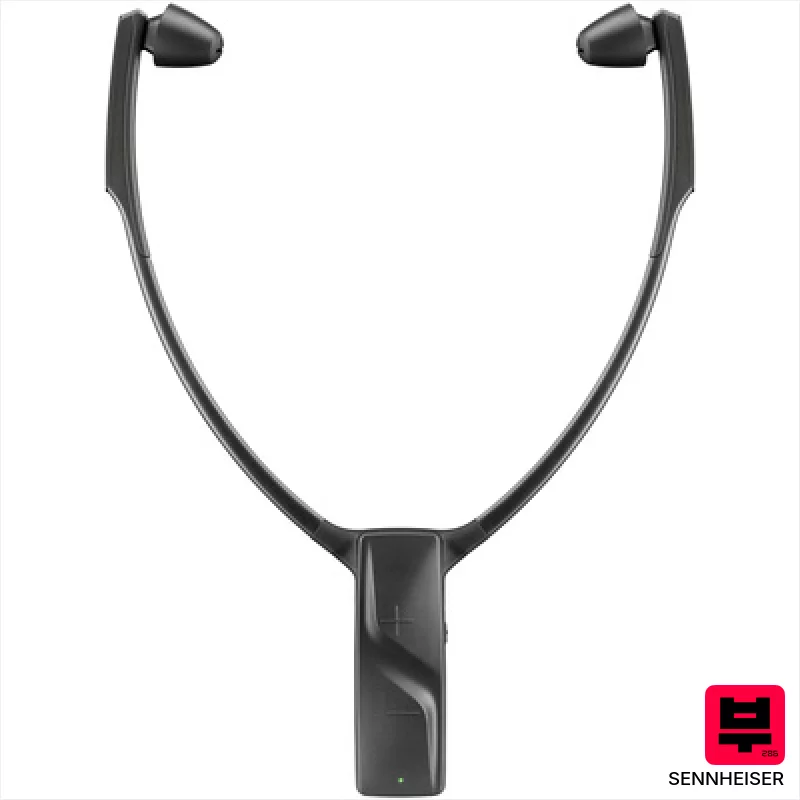
Sennheiser RR 5200
- • Memory foam ear pads offer exceptional comfort for extended listening sessions.
- • Balance control allows for precise, independent channel volume adjustment.
- • Lightweight design minimizes fatigue, even during long periods of use.
- • Solid 70-meter range provides freedom of movement around the house.
- • Requires a separate RS 5000 or RS 5200 transmitter, adding to the overall cost.
- • Limited to TV/radio listening; not versatile for general audio use.
- • Radio frequency transmission can be susceptible to interference in dense environments.
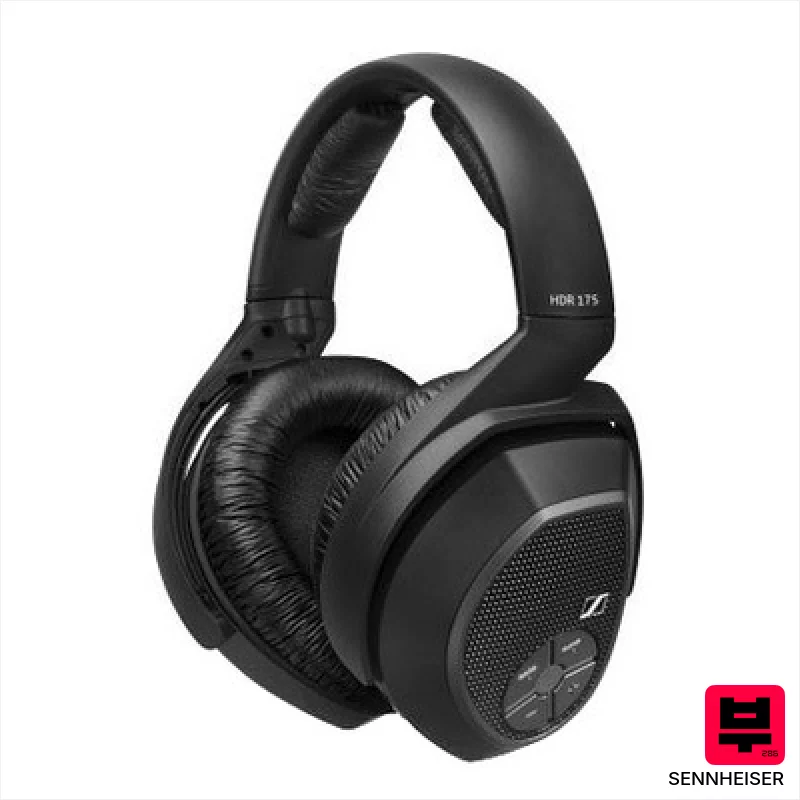
Sennheiser HDR 175
- • Comfortable earpads provide extended listening enjoyment
- • Solid build quality with durable plastic and metal accents
- • Excellent wireless range minimizes dropouts in larger rooms
- • Clear, balanced sound signature suitable for movies and TV shows
- • Limited versatility outside of TV/movie watching applications
- • Design lacks premium aesthetics compared to higher-end headphones
- • Bass response can feel slightly lacking for some music genres
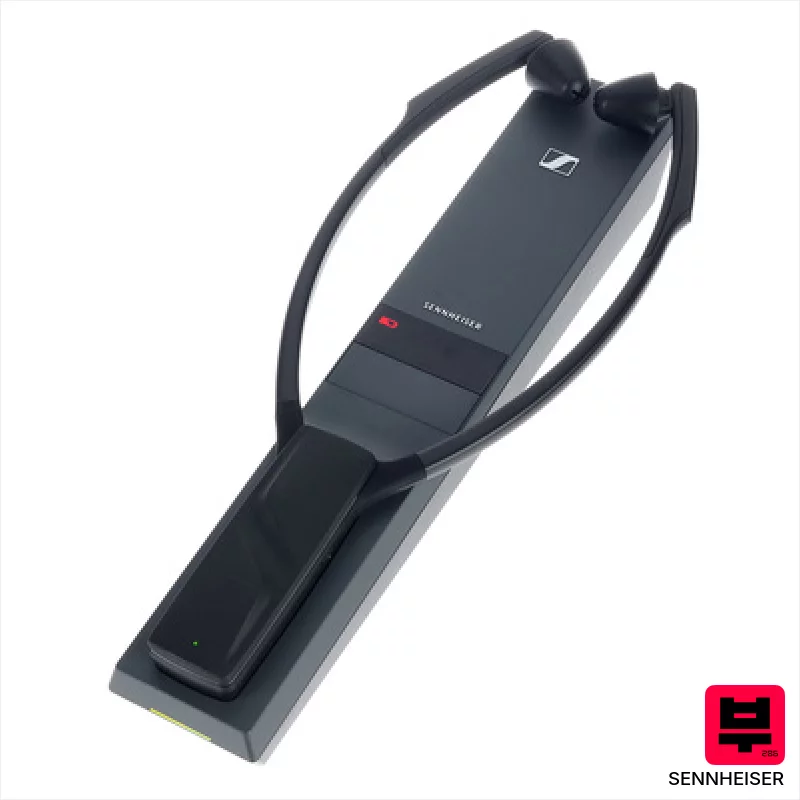
Sennheiser RS 2000
- • Excellent clarity for dialogue, crucial for TV viewing
- • Comfortable earpiece design minimizes fatigue during extended use
- • Reliable RF transmission avoids interference common in many wireless systems
- • Simple, intuitive controls for volume and bass adjustment
- • Soundstage is closed-back, lacks immersive spatial qualities
- • Limited frequency response restricts enjoyment of bass-heavy genres
- • Design feels somewhat dated compared to modern, sleeker alternatives
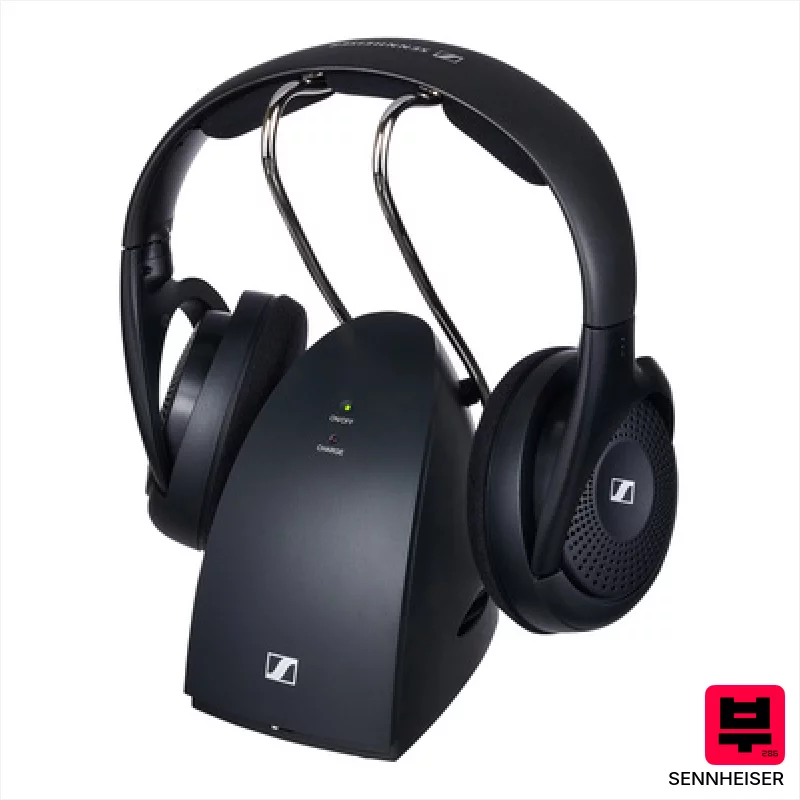
Sennheiser RS 120-W
- • Comfortable velour ear pads minimize pressure during extended listening sessions.
- • Open design offers a surprisingly spacious soundstage for a closed-back design.
- • Reliable RF transmission avoids Bluetooth interference issues common in TVs.
- • LE Audio Broadcast mode is genuinely useful for shared listening experiences.
- • Supra-aural design can get warm during long use, especially in warmer environments.
- • Limited frequency response compared to higher-end audiophile headphones; lacks deep bass extension.
- • Lack of Bluetooth Classic compatibility restricts modern device connectivity.
How to Choose the Best TV Headphones
Frequency Response & Accuracy
Forget hyped bass and sparkly highs. We're looking for a flat, extended response that reveals the true character of the source material. A slight bump in the low-mids can be okay for a little warmth, but anything drastic is a red flag - especially if it obscures articulation in the midrange.
Transient Response & Detail
Can you hear the subtle attack of a pick on a snare drum? Can you distinguish individual instruments in a dense mix? Slow transient response muddies everything, making it hard to dissect complex arrangements. Detail retrieval is key for transcription and learning.
Soundstage & Imaging
Headphones inherently lack the spaciousness of speakers, but good ones create a convincing illusion. A wide and accurate soundstage helps you pinpoint instrument placement, crucial for understanding the stereo image and identifying phase issues.
Comfort & Build Quality
You're going to be wearing these for extended periods. Cheap plastic and uncomfortable earpads will quickly become a distraction. Solid construction and breathable earcups are essential for long tracking sessions or intense mixing.
Isolation & Leakage
You don't want to bleed into your microphone while recording, and you don't want to annoy your neighbors while practicing. Good isolation keeps external noise out and prevents sound leakage, ensuring a clean recording environment and respectful practice sessions.
Buying Guide
Don't fall for the marketing hype. 'Audiophile' doesn't always equal 'accurate.' Many headphones try to impress with exaggerated bass - that's great for casual listening, terrible for serious players. Be prepared to spend a bit more for something with a genuinely neutral frequency response and good build quality. Closed-back designs are great for isolation, but often compromise soundstage - it's a trade-off. And don't skimp on aftermarket earpads; they can dramatically improve comfort and even subtly alter the sound.
Our Methodology
We don't just look at specs here. We've spent countless hours with these headphones, comparing them to studio reference monitors and high-end IEMs. We've used them for critical listening while tracking guitar and bass, analyzing drum mixes, and even trying to dial in amp tones through a FRFR system. It's about real-world performance, not just numbers on a page.

