
Best TV Headphones for Elderly Users 2026
Look, we all know someone-grandma, grandpa, a beloved uncle-who's having trouble hearing the TV. Crankin' it up to eleven isn't a solution for anyone else in the house, and those closed-back cans just aren't cuttin' it for comfortable, clear listening. We've been through a lot of gear over the years, and finding something that's both functional and comfortable for older ears can be surprisingly tricky, so we've put together a rundown of TV headphones that actually work.
Last updated: July 1, 2026 • Next update: July 8, 2026
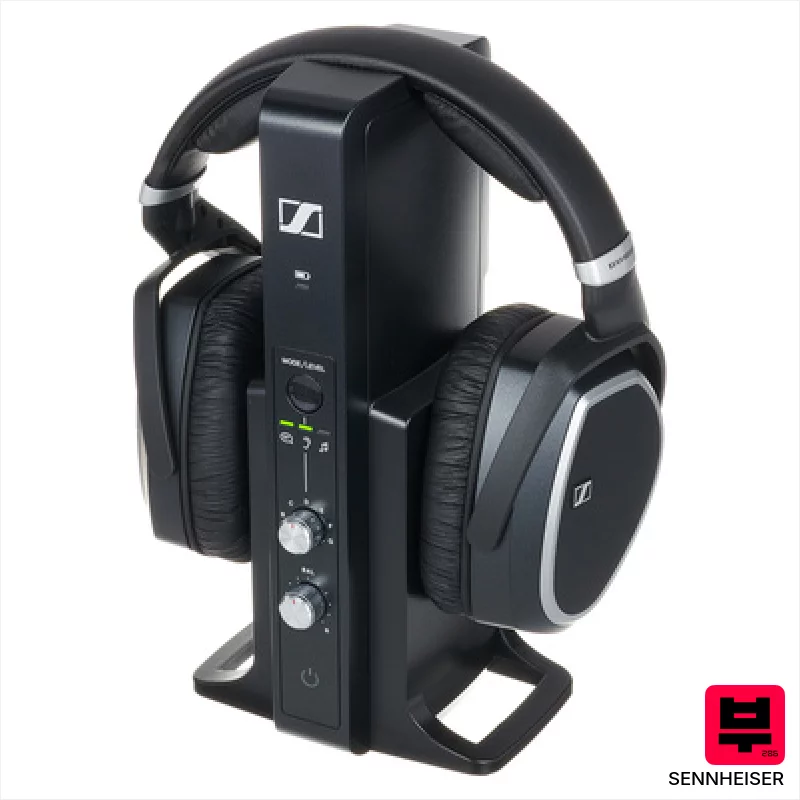
Sennheiser RS 195
- • Excellent clarity and detail across the frequency spectrum.
- • Robust build quality with comfortable, durable earcups.
- • Impressive range avoids signal dropouts in larger rooms.
- • Integrated charging dock simplifies storage and battery management.
- • The 340g weight can become fatiguing during extended listening sessions.
- • Closed-back design limits soundstage and natural ambience.
- • Limited codec support restricts high-resolution audio streaming.

Sennheiser RS 175
- • Excellent bass response, surprisingly impactful for TV headphones
- • Robust build quality; feels solid and durable despite the weight
- • Simple, reliable RF transmission – no Bluetooth connectivity issues
- • Dual headphone support is genuinely useful for families or couples
- • 310g is substantial; long listening sessions can cause fatigue
- • Soundstage is limited; not ideal for critical listening or audiophiles
- • Analogue connection only for some devices; lacks modern digital options
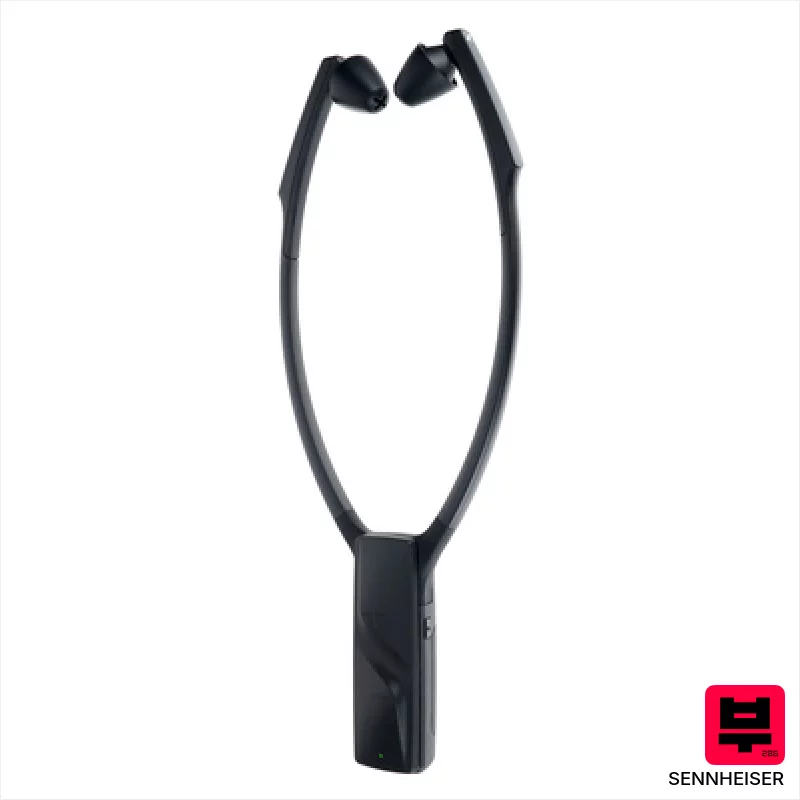
Sennheiser RR 2000
- • Comfortable earpads provide extended listening sessions without fatigue
- • Robust headband construction ensures durability for daily use
- • Clear audio reproduction, especially noticeable in dialogue clarity
- • Impressive range allows for movement throughout a typical living room
- • Requires the RS 2000 system; a significant additional investment
- • Frequency response leans towards a flatter profile; lacks pronounced bass
- • Plastic construction feels less premium compared to higher-end headphones
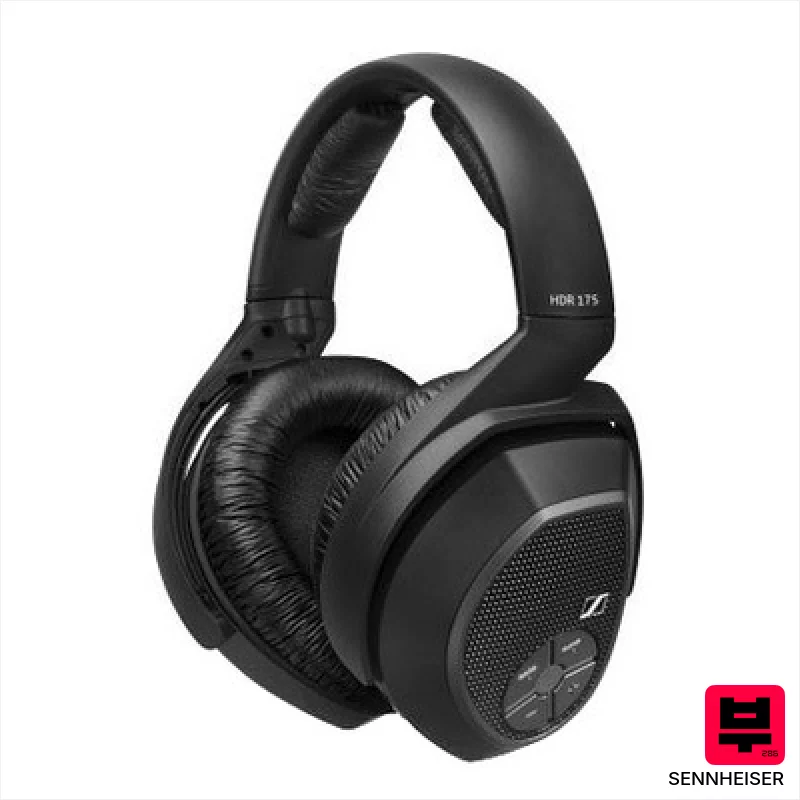
Sennheiser HDR 175
- • Comfortable earpads provide extended listening enjoyment
- • Solid build quality with durable plastic and metal accents
- • Excellent wireless range minimizes dropouts in larger rooms
- • Clear, balanced sound signature suitable for movies and TV shows
- • Limited versatility outside of TV/movie watching applications
- • Design lacks premium aesthetics compared to higher-end headphones
- • Bass response can feel slightly lacking for some music genres
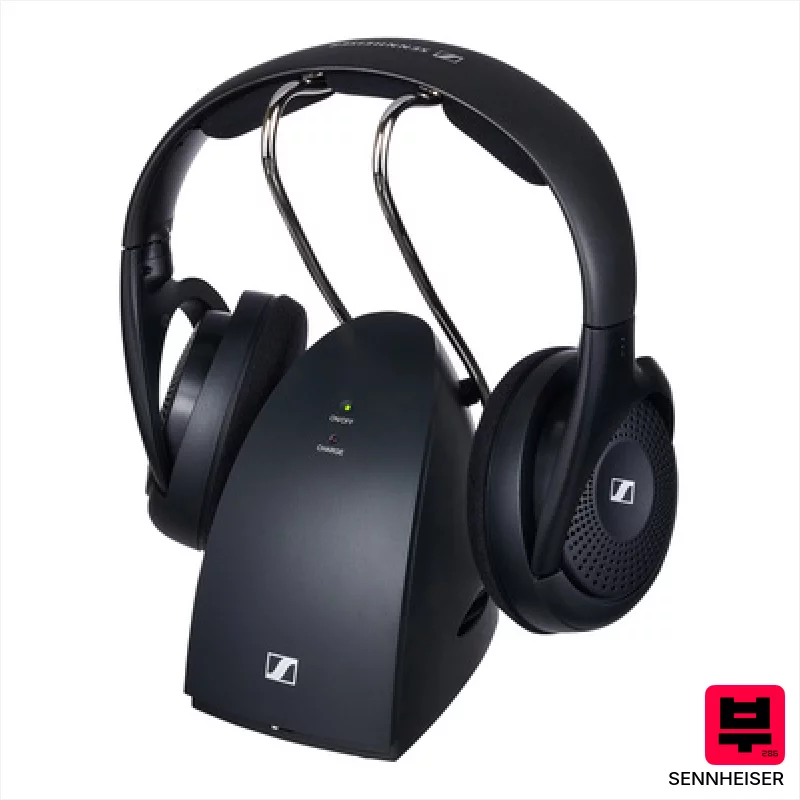
Sennheiser RS 120-W
- • Comfortable velour ear pads minimize pressure during extended listening sessions.
- • Open design offers a surprisingly spacious soundstage for a closed-back design.
- • Reliable RF transmission avoids Bluetooth interference issues common in TVs.
- • LE Audio Broadcast mode is genuinely useful for shared listening experiences.
- • Supra-aural design can get warm during long use, especially in warmer environments.
- • Limited frequency response compared to higher-end audiophile headphones; lacks deep bass extension.
- • Lack of Bluetooth Classic compatibility restricts modern device connectivity.
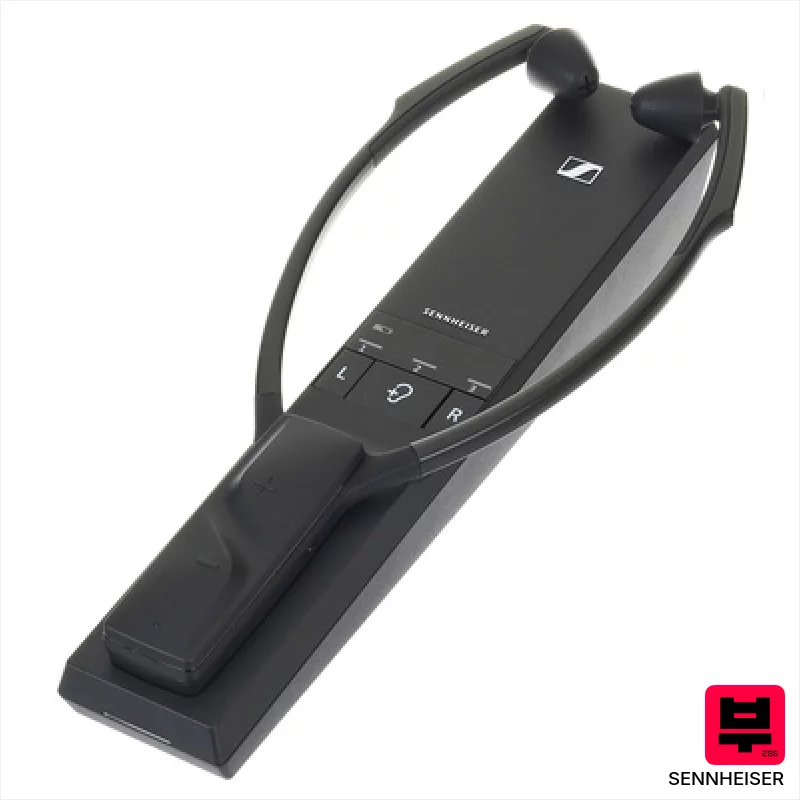
Sennheiser RS 5200
- • Excellent RF clarity; minimizes dropouts common in TV headphones.
- • Memory foam earpads offer exceptional, long-term comfort.
- • Balance control is genuinely useful for uneven hearing.
- • Solid build quality; feels durable despite the lightweight design.
- • Sound profile is somewhat flat; lacks excitement for music listening.
- • Base station takes up a fair amount of space.
- • Limited codec support; no aptX or higher-end wireless options.
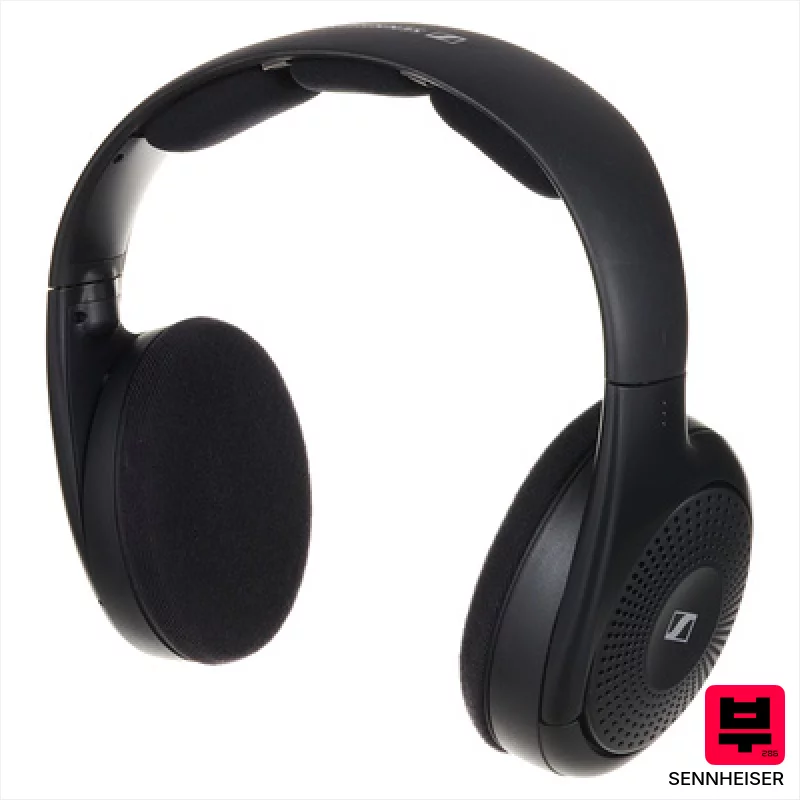
Sennheiser HDR 120-W
- • Comfortable circumaural design minimizes fatigue during extended movie watching.
- • Closed-back design effectively isolates ambient noise for immersive sound.
- • Reliable 2.4GHz wireless connection ensures stable, low-latency audio.
- • Sennheiser's audio heritage delivers clear dialogue and balanced sound reproduction.
- • Limited versatility; primarily designed for TV audio, not general music listening.
- • Plastic construction feels budget-oriented compared to premium Sennheiser models.
- • Range is typical for TV headphones; not ideal for moving around a large space.
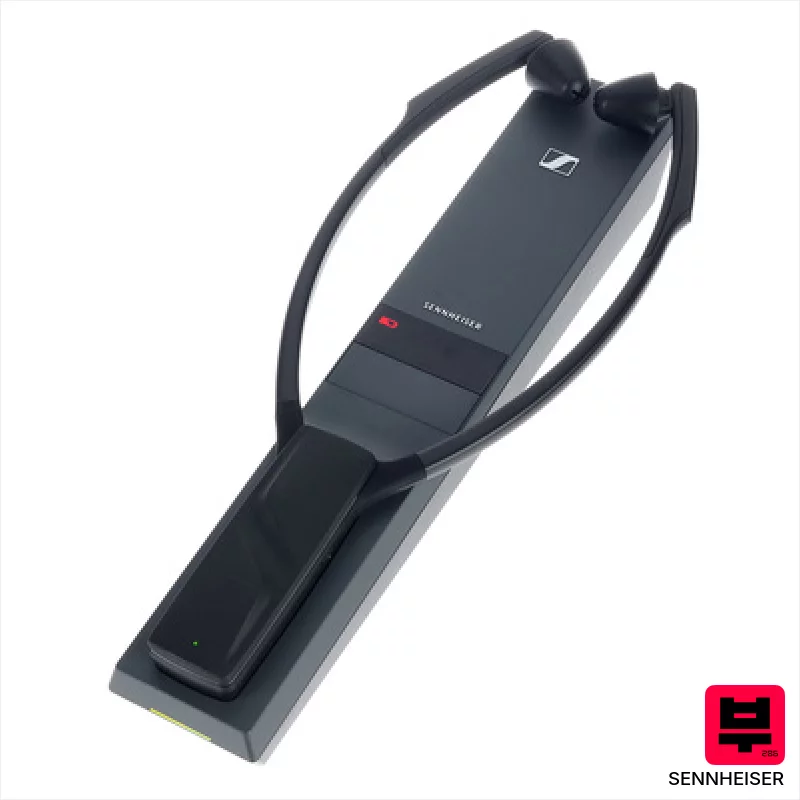
Sennheiser RS 2000
- • Excellent clarity for dialogue, crucial for TV viewing
- • Comfortable earpiece design minimizes fatigue during extended use
- • Reliable RF transmission avoids interference common in many wireless systems
- • Simple, intuitive controls for volume and bass adjustment
- • Soundstage is closed-back, lacks immersive spatial qualities
- • Limited frequency response restricts enjoyment of bass-heavy genres
- • Design feels somewhat dated compared to modern, sleeker alternatives
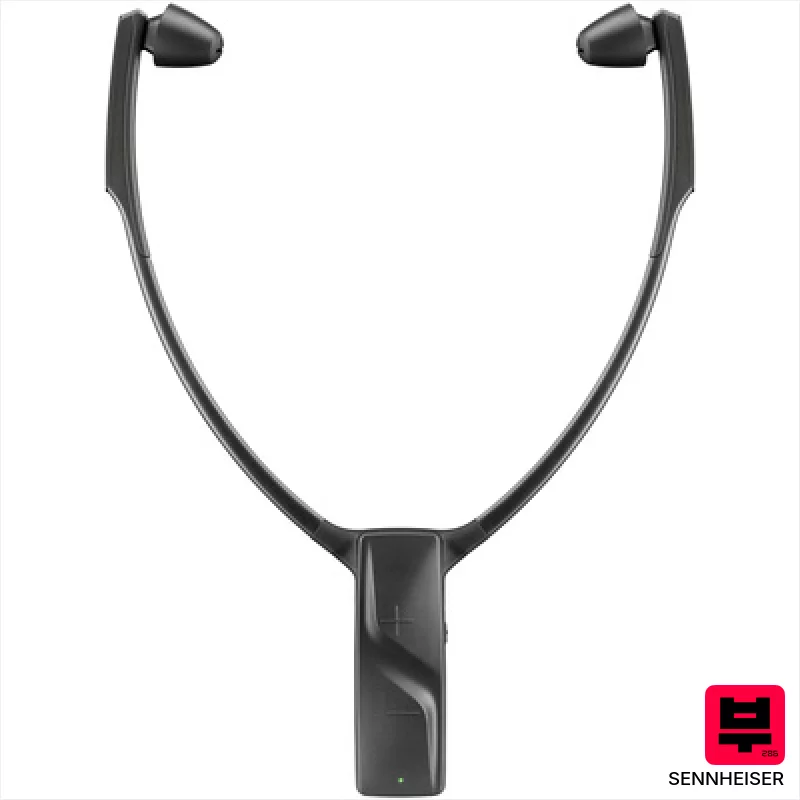
Sennheiser RR 5200
- • Memory foam ear pads offer exceptional comfort for extended listening sessions.
- • Balance control allows for precise, independent channel volume adjustment.
- • Lightweight design minimizes fatigue, even during long periods of use.
- • Solid 70-meter range provides freedom of movement around the house.
- • Requires a separate RS 5000 or RS 5200 transmitter, adding to the overall cost.
- • Limited to TV/radio listening; not versatile for general audio use.
- • Radio frequency transmission can be susceptible to interference in dense environments.
How to Choose the Best TV Headphones
Comfort
This isn't a session headphone; it's for hours of relaxed viewing. We're talking plush earcups, adjustable headbands, and minimal pressure. A tight headband can be brutal after an hour-like a poorly set-up tremolo system.
Clarity & Frequency Response
We're not chasing a neutral studio response here. Elderly users often benefit from a slightly boosted midrange to compensate for age-related hearing loss. A muddy low-end can mask dialogue, and an overly bright top end can be fatiguing. We want a balanced, intelligible sound, not a hyped club mix.
Volume Output & Headroom
Enough said. The ability to crank the volume without distortion is critical. It's like having enough headroom on your amp - you want to be able to hear the details without it breaking up unpleasantly.
Wireless Range & Connectivity
Dropped connections during a crucial scene are infuriating. Reliable Bluetooth range and easy pairing are a must. It's like a bad cable - it just interrupts the flow.
Ease of Use & Controls
Simple, intuitive controls are vital. Complicated button layouts or confusing menus are a non-starter. It needs to be easy to operate, even with limited dexterity-like a well-designed pedalboard.
Buying Guide
Don't fall for the hype; a lot of these headphones are essentially repackaged consumer audio. You'll often find compromises - cheap plastics, flimsy headband adjustments, or a muddy sound that tries to compensate for poor drivers. Paying a little more for a model with a reputation for comfort and clarity is worth it; think of it like investing in a quality neck profile on a guitar - it makes a difference in the long run. Look for models with adjustable bass if possible.
Our Methodology
We didn't just look at specs; we had several folks-ranging from those with mild hearing loss to those who need a little extra boost-actually use these headphones while watching TV. We did A/B comparisons with standard TV speakers, focusing on clarity, comfort over extended listening sessions, and how well they handle different audio content-news, action movies, nature documentaries, you name it. It's about real-world performance, not just marketing hype.

