
Best KNA Pickups Transducers for Acoustic Guitars 2026
So, you're looking to mic your acoustic? Good choice, but sometimes a mic just isn't gonna cut it - too much stage rumble, feedback issues, or you need a direct signal for recording. Kna Pickups have quietly become the go-to for a lot of serious players wanting to amplify their acoustic without completely losing that woodsy, nuanced tone. These aren't your typical piezo transducers; they're built with a different philosophy, and it shows.
Last updated: April 11, 2026
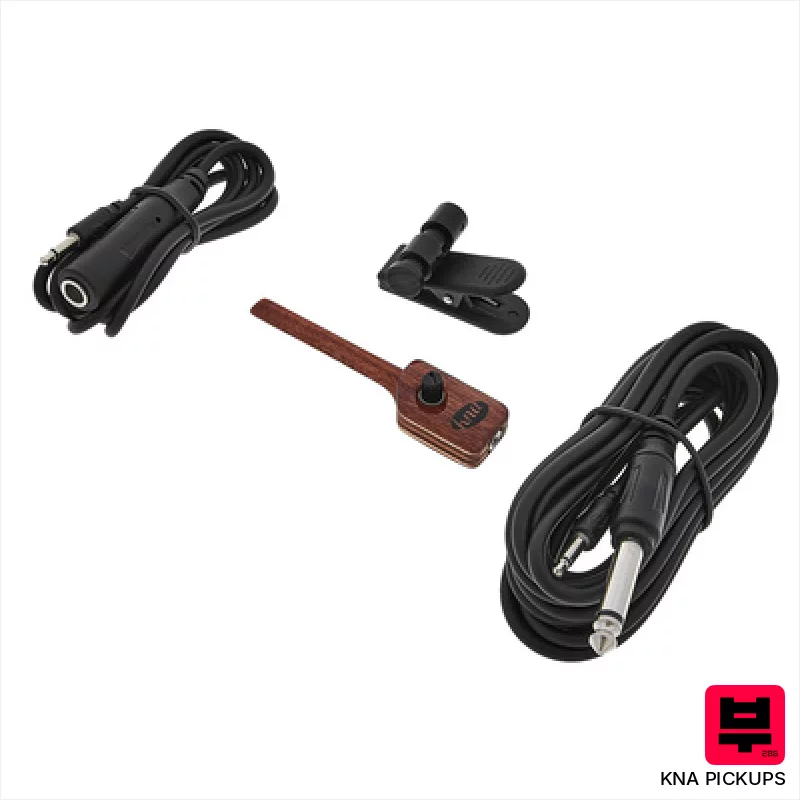
KNA Pickups UK-2
- • Simple bridge-mount design avoids body modification and preserves acoustic tone.
- • Passive design eliminates the need for batteries, simplifying setup and operation.
- • Detachable cable offers flexibility in routing and stage setup convenience.
- • Compact size minimizes interference with ukulele playing hand and string action.
- • Passive nature limits gain and dynamic range compared to active systems.
- • Bridge-mounted design can introduce string noise and unwanted resonances.
- • Limited tonal shaping options due to the basic passive circuitry.
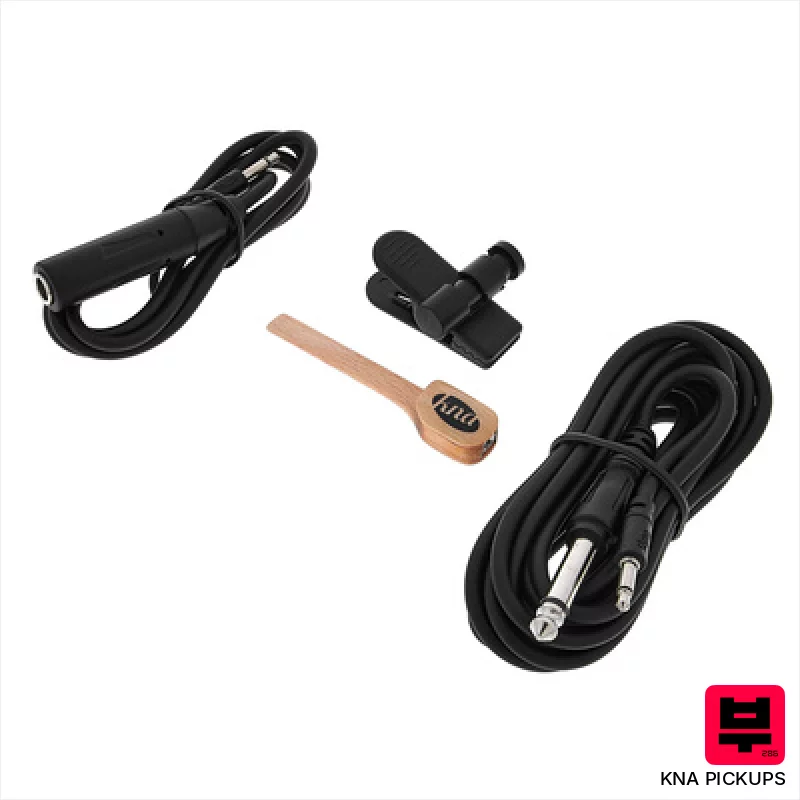
KNA Pickups UK-1
- • Simple, string-tensioned installation avoids permanent modification to the ukulele’s bridge.
- • Passive design offers a natural, uncolored acoustic ukulele tone without needing batteries.
- • Detachable cable provides flexibility in routing and eliminates cable snagging during performance.
- • Compact size (74x12x10mm) ensures minimal impact on ukulele aesthetics and playability.
- • Passive design means lower output; may require preamp for louder stages or recording.
- • Bridge area compatibility is crucial; not universally suitable for all ukulele models.
- • String tension mounting could potentially introduce subtle string vibration transfer.
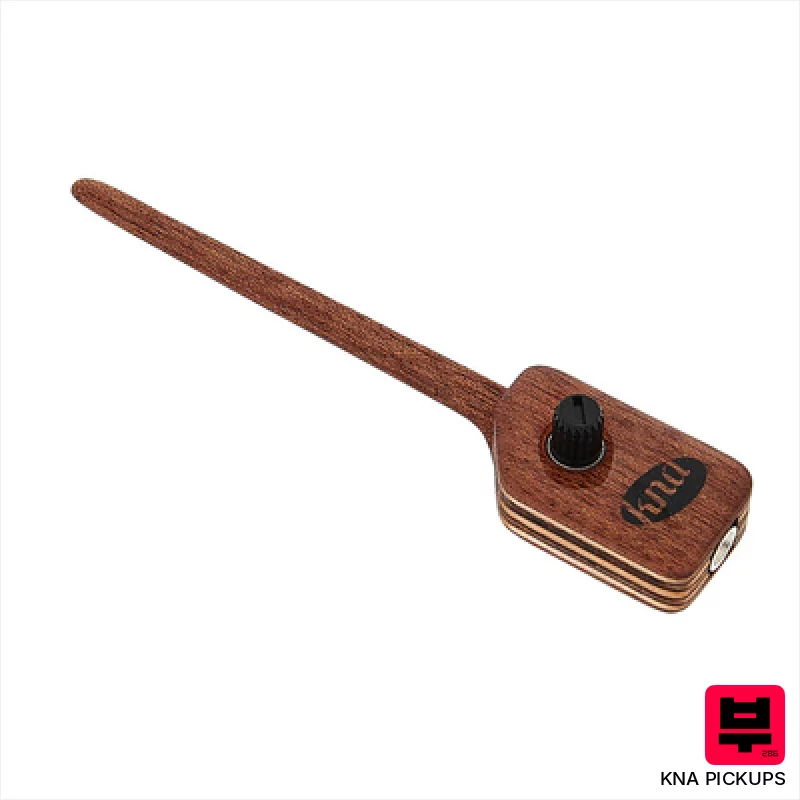
KNA Pickups SG-2
- • Simple bridge-mounted design avoids body modification.
- • Detachable cable offers flexibility in routing and stage setup.
- • Passive design retains natural acoustic guitar tone and dynamics.
- • Affordable price point makes it accessible for budget-conscious players.
- • Limited tonal shaping compared to active or more complex systems.
- • String tension is sole mounting method; potentially unstable with heavy strumming.
- • Small pickup size might slightly dampen low-end response on some guitars.
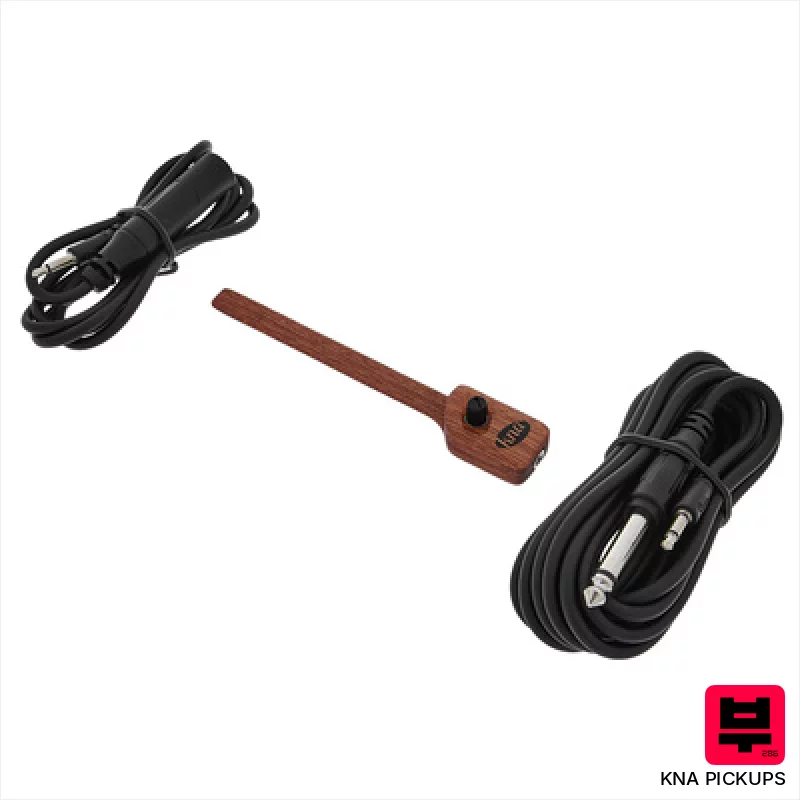
KNA Pickups NG-2 7S
- • Excellent value for a 7-string acoustic pickup solution.
- • Passive design preserves the natural acoustic tone well.
- • Simple tie-block mounting eliminates permanent modifications.
- • Compact size minimizes interference with string vibration and hand.
- • Passive design requires a preamp for optimal stage volume.
- • Limited tonal shaping options compared to active pickups.
- • Cable detaching can be a potential failure point with repeated use.
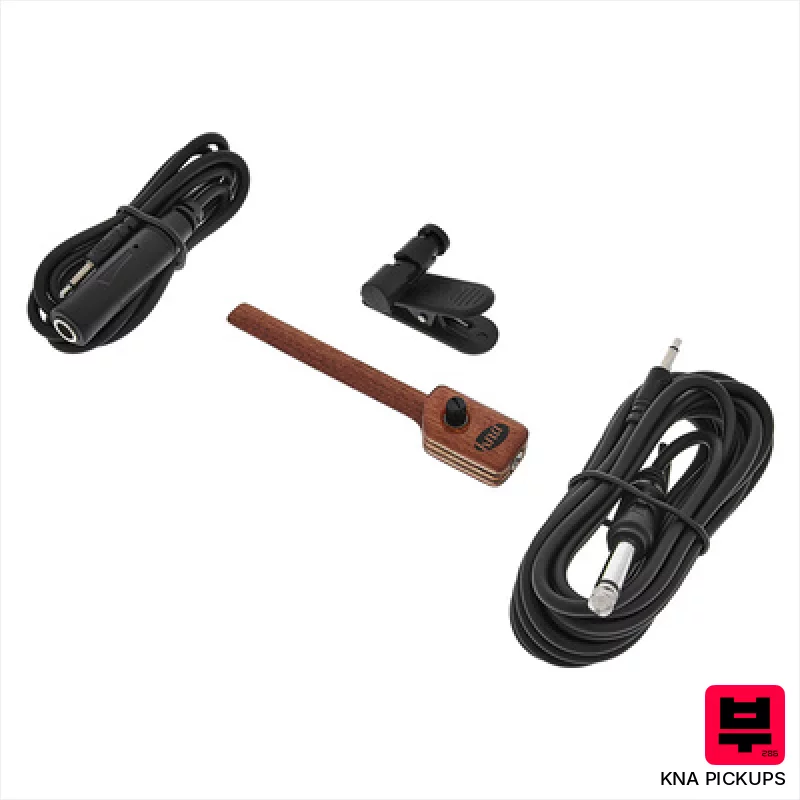
KNA Pickups NG-2
- • Simple bridge-mounted design avoids body modification and preserves acoustic tone.
- • Passive design eliminates the need for batteries, simplifying setup and operation.
- • The included detachable cable provides flexibility in stage configurations and cable management.
- • Compact size and low profile minimize interference with right-hand technique and string vibration.
- • Passive nature limits gain and dynamic range compared to active systems.
- • Bridge-mounted placement can introduce string-related noises and resonances.
- • Limited volume control functionality; lacks EQ shaping capabilities.
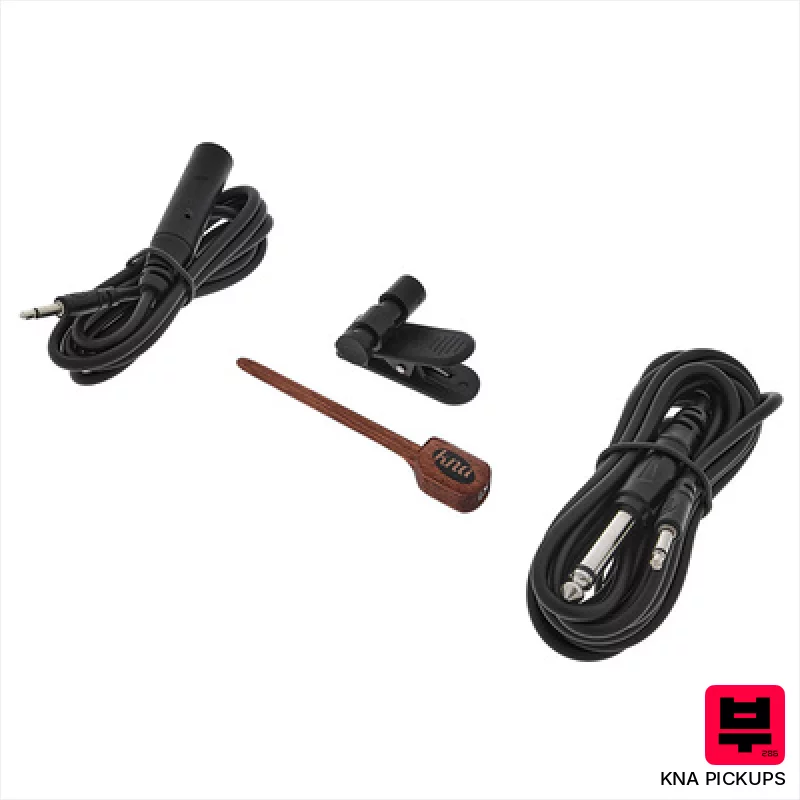
KNA Pickups SG-1
- • Simple, string-tensioned installation avoids permanent modification to the guitar.
- • Compact design minimizes impact on acoustic tone and guitar aesthetics.
- • Detachable cable offers flexibility for stage use and storage convenience.
- • Passive design ensures compatibility with a wide range of acoustic amps and preamps.
- • Limited tonal shaping options compared to active or onboard preamps.
- • String tension mounting may introduce slight string vibration transfer.
- • Bridge pickup placement inherently limits low-end response.
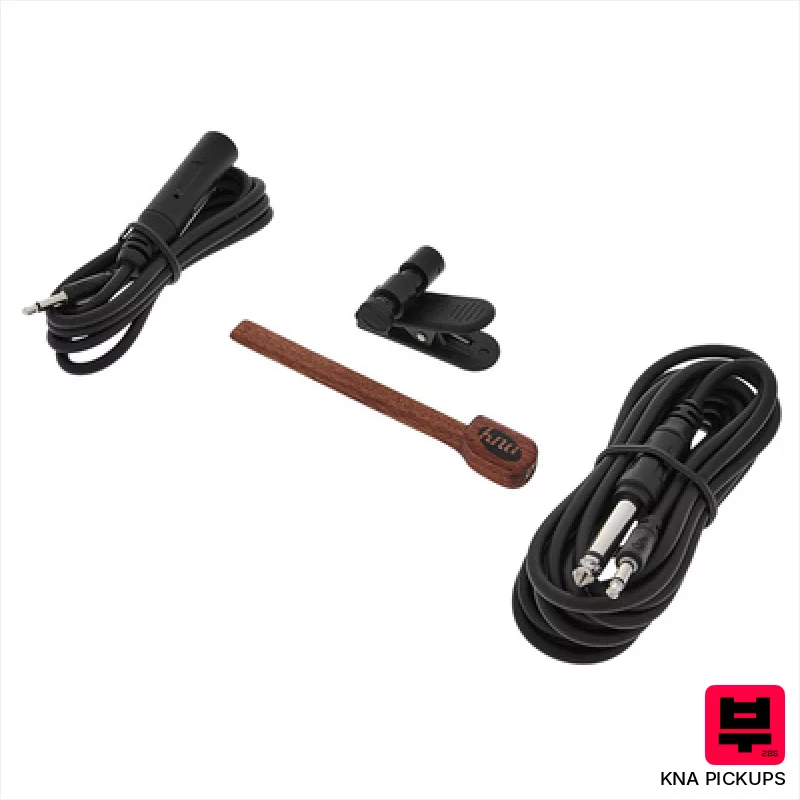
KNA Pickups NG-1 7S
- • Simple, string-tensioned mounting avoids permanent modifications to the guitar.
- • Compact design minimizes interference with hand and string articulation.
- • Passive design ensures a natural, uncolored acoustic tone.
- • Detachable cable offers flexibility in stage setup and storage.
- • Passive nature means it's reliant on preamp for stage volume and clarity.
- • Limited frequency response may struggle with very low-end extension.
- • Bridge-mounted placement can introduce string noise and resonance.
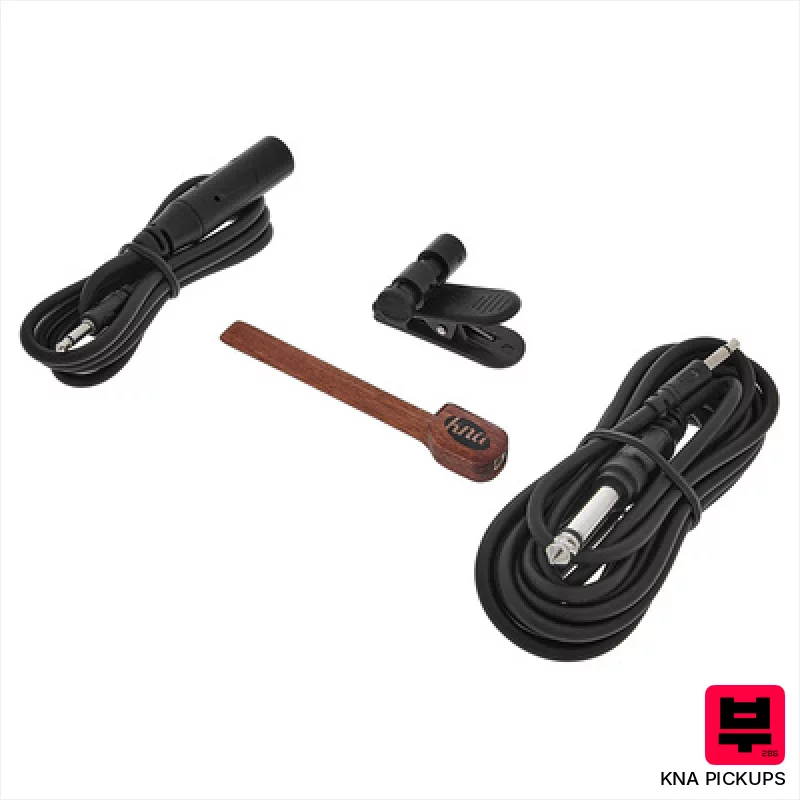
KNA Pickups NG-1
- • Simple tie-block mounting eliminates messy glue and modification.
- • Passive design preserves the natural acoustic tone of the guitar.
- • Compact size minimizes impact on string vibration and resonance.
- • Detachable cable provides flexibility and protects the pickup from damage.
- • Passive design means lower output, requiring a preamp for stage use.
- • Limited frequency response; lacks the clarity of more expensive systems.
- • The small panel size might not suit all bridge designs perfectly.
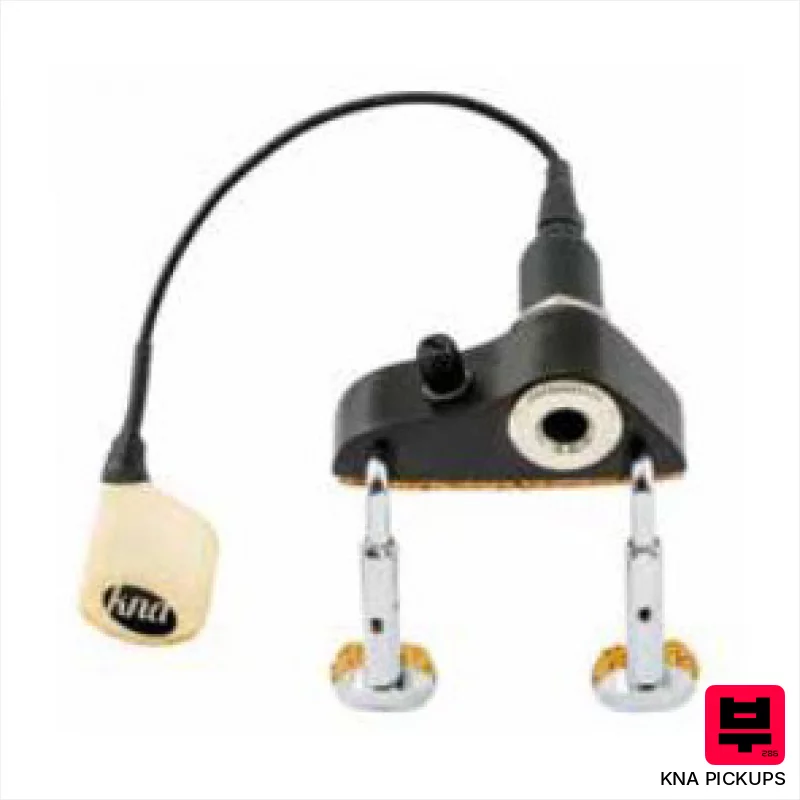
KNA Pickups MP-2
- • Ebony output unit adds a touch of elegance and durability.
- • Clamping system simplifies installation without modification to the mandolin.
- • Cork contact points prevent damage to the mandolin’s finish.
- • Passive design offers a natural, warmer tone than active alternatives.
- • Passive design lacks the output boost of active systems for louder stages.
- • Clamping system might not be as secure as permanent mounting options.
- • Limited tonal shaping options compared to more complex pickup systems.
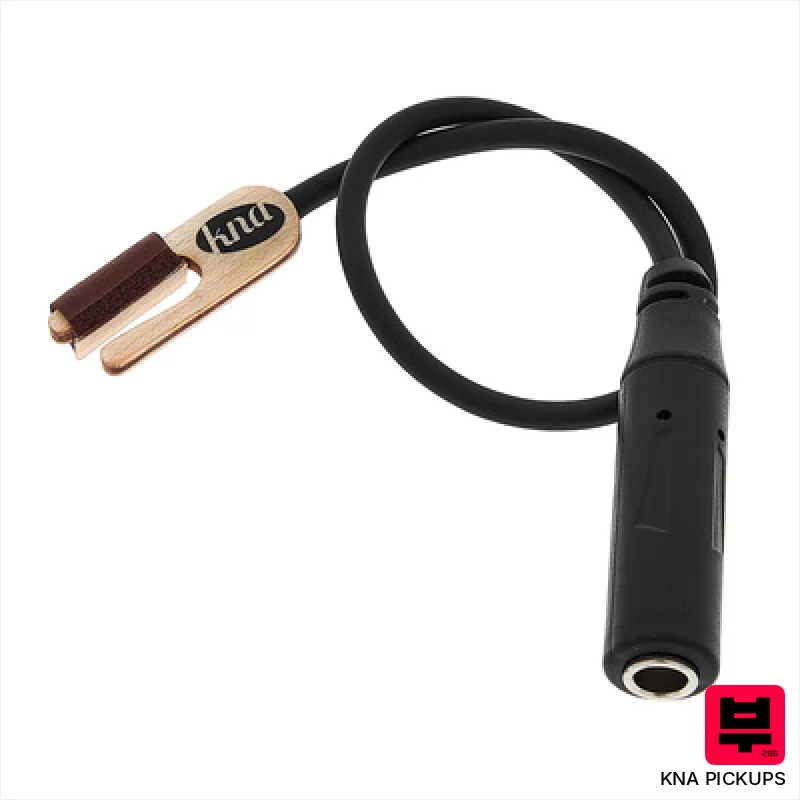
KNA Pickups BP-1
- • Simple clamp-on design allows for quick, non-destructive installation on banjos.
- • Piezo element delivers a surprisingly natural acoustic tone, avoiding overly artificial sounds.
- • The included cable provides a convenient connection, minimizing setup hassle.
- • Passive design means no batteries to worry about – straightforward and reliable.
- • Clamp design can potentially introduce unwanted string resonance or feedback at high volumes.
- • Limited frequency response compared to more sophisticated, active acoustic pickup systems.
- • The cable's length may be restrictive for some stage setups, requiring an extension.
How to Choose the Best Transducers for Acoustic Guitars
Voicing
Kna's signature is a warmth and naturalness that's often missing in acoustic pickups. They avoid that brittle, ice-picky high-end that can suck the life out of your tone, opting instead for a more balanced response with a pleasant low-midrange. It's not necessarily "flat," but it's accurate - it lets the guitar's character shine through.
Dynamic Response
These transducers react surprisingly well to your playing dynamics. Light touch brings out subtle nuances, while digging in delivers a powerful, full sound. This responsiveness is crucial for conveying the emotion in your playing, especially in a live band situation.
Feedback Rejection
Kna has really nailed the feedback suppression. They employ clever grounding techniques and a carefully considered element placement that dramatically reduces stage rumble and feedback - a huge win if you play anything louder than a quiet coffee shop gig.
Installation
Kna pickups are designed to be relatively easy to install, but they require a bit more care than some of the plug-and-play options. The placement is critical to achieving the best tone, and a little patience goes a long way. It's worth the effort, though.
Build Quality
These aren't cheap, and the build reflects that. The components are robust, the wiring is solid, and the overall construction feels like it's built to withstand the rigors of gigging. You're paying for longevity, and that's something you'll appreciate down the road.
Buying Guide
Don't expect a Kna to magically transform your cheap, laminate acoustic into a Martin D-28. It'll enhance what's there, but it can't create something from nothing. The placement is everything - follow Kna's instructions closely, and experiment. The higher-end models offer more tonal shaping options, but honestly, the core models are fantastic starting points. It's an investment, but one that will pay off in a more natural, responsive amplified acoustic tone.
How This List Is Built
We don't play these instruments — we're a catalog, not a review desk, and we'd rather say so than pretend otherwise. This page ranks 10 transducers for acoustic guitars from the Thomann catalogue, which is the largest single source of specification data in this category.
Position is computed, not curated. Four signals, in order of weight: how completely the manufacturer documents the instrument (number of published specifications), where it sits in the price range, how specific the model designation is — which filters out generic accessories — and whether a product image exists. The same inputs always produce the same order, so nothing here is shuffled to look fresh.
What this list is good for: narrowing a category down to a shortlist by spec and budget. What it isn't: a substitute for hearing an instrument. Before you buy, read hands-on reviews and, where you can, play it. Full methodology.

