
Best Transducers for Acoustic Guitars for Natural Tone 2026
So, you're chasing that holy grail: a transducer that lets your acoustic guitar breathe, even when you need to plug in. It's a tough ask - most amplified acoustics end up sounding like a muffled, processed version of themselves. But a few transducers genuinely strive for natural tone, preserving that woody resonance and nuanced articulation we all crave. Let's dive into what makes a transducer "natural" and which ones actually deliver.
Last updated: July 8, 2026 • Next update: July 15, 2026

L.R.Baggs Pickup HiFi Duet Hybrid
- • Exceptional clarity and detail from the HiFi Duet sensor system.
- • Silo mic adds natural ambience and a wider dynamic range.
- • Discrete preamp delivers low noise and a transparent amplified tone.
- • User-friendly controls offer flexible blending of microphone and piezo signals.
- • Premium-priced, representing a significant investment for many players.
- • Bridge plate sensors require precise placement for optimal results.
- • Silo microphone capsule can be prone to feedback in high-volume environments.

L.R.Baggs Pickup HiFi Bridge Plate
- • Exceptional clarity and detail reproduction from the bridge plate sensors.
- • Discrete preamp delivers exceptionally low noise and transparent amplification.
- • Soundhole controls allow for easy volume and tone shaping onstage.
- • Adhesive mounting system simplifies installation and removal without permanent modification.
- • Bridge plate design limits tonal flexibility compared to soundboard transducers.
- • Premium-priced, representing a significant investment for many players.
- • Battery dependence introduces potential for mid-performance failure if not monitored.
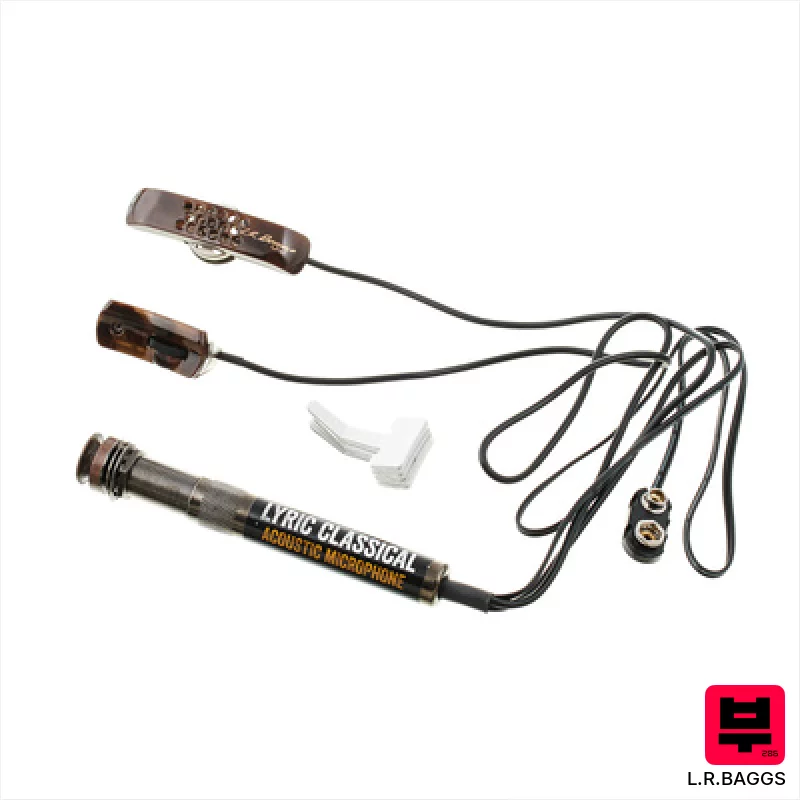
L.R.Baggs Lyric Microphone Classical
- • Excellent natural mic reproduction for nylon string clarity
- • TRU MIC drastically reduces feedback and stage noise
- • Built-in compressor/EQ smooths dynamics and shapes tone
- • Compact design minimizes acoustic disruption within the soundhole
- • Limited to classical/nylon string guitars; unsuitable for steel-string
- • Microphone placement can be finicky for optimal tone
- • Higher price point compared to basic piezo transducers
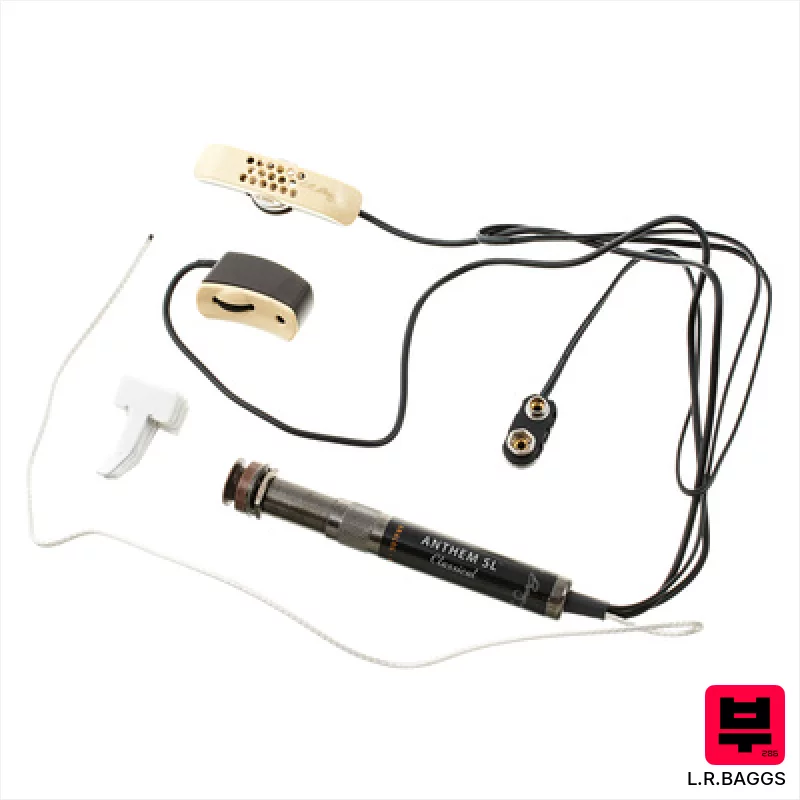
L.R.Baggs Anthem Classical
- • Tru•Mic delivers natural classical guitar tone with excellent feedback rejection.
- • Element piezo complements the mic, providing full bass response and warmth.
- • Integrated preamp with crossover creates a balanced, harmonically rich sound.
- • Adhesive mounting system allows for relatively easy, non-invasive installation.
- • Mic placement can be finicky to optimize tonal balance and feedback.
- • Relatively high price point compared to simpler piezo-only options.
- • Battery dependency adds a maintenance factor and potential for mid-performance failure.
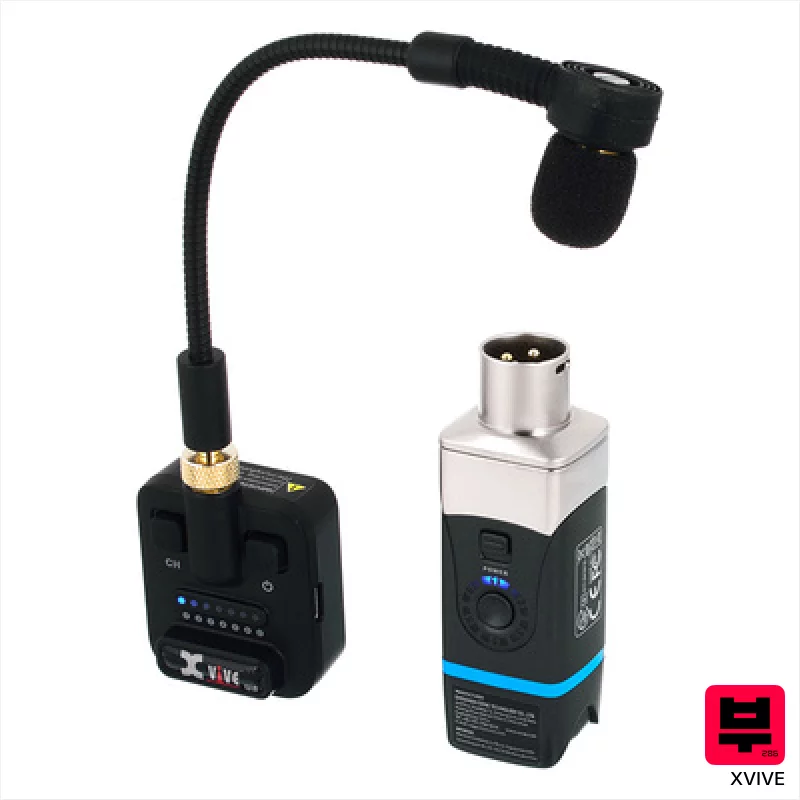
XVive U8 Acoustic Guitar Wireless
- • Wireless freedom eliminates cable clutter, ideal for stage performance and recording.
- • Supercardioid mic rejects stage noise effectively, delivering focused acoustic capture.
- • 24-bit/48kHz resolution provides detailed, high-fidelity audio reproduction.
- • Quick charge USB Y-cable ensures minimal downtime between performances or sessions.
- • 90ft range is susceptible to interference; line-of-sight is crucial for reliability.
- • Built-in mic limits flexibility; external mic options aren't directly supported.
- • The swiveling mic might require careful positioning to avoid unwanted handling noise.
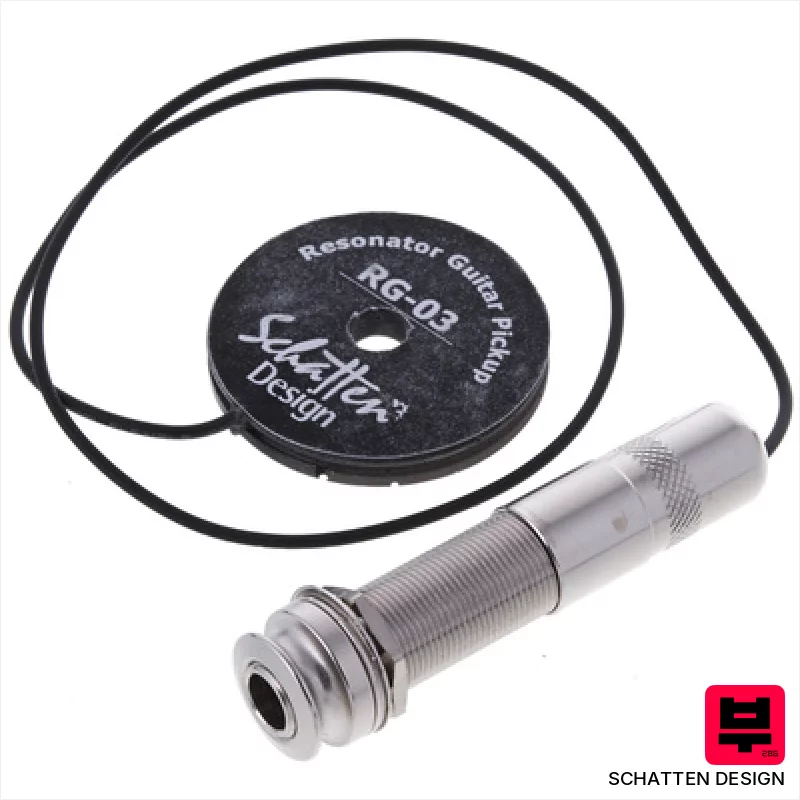
Schatten Design RG-3 passiv
- • Excellent feedback rejection, crucial for resonator amplification.
- • Provides a remarkably natural, woody tone – avoids the brittle sound of some transducers.
- • Simple prewired design significantly reduces installation complexity.
- • Secure mounting system with adhesive and tensioning screw ensures stability.
- • Limited versatility – specifically designed for resonator guitars only.
- • Adhesive application requires care to avoid cone damage or affecting tone.
- • Sound may lack the 'oomph' of magnetic pickups for certain high-volume genres.
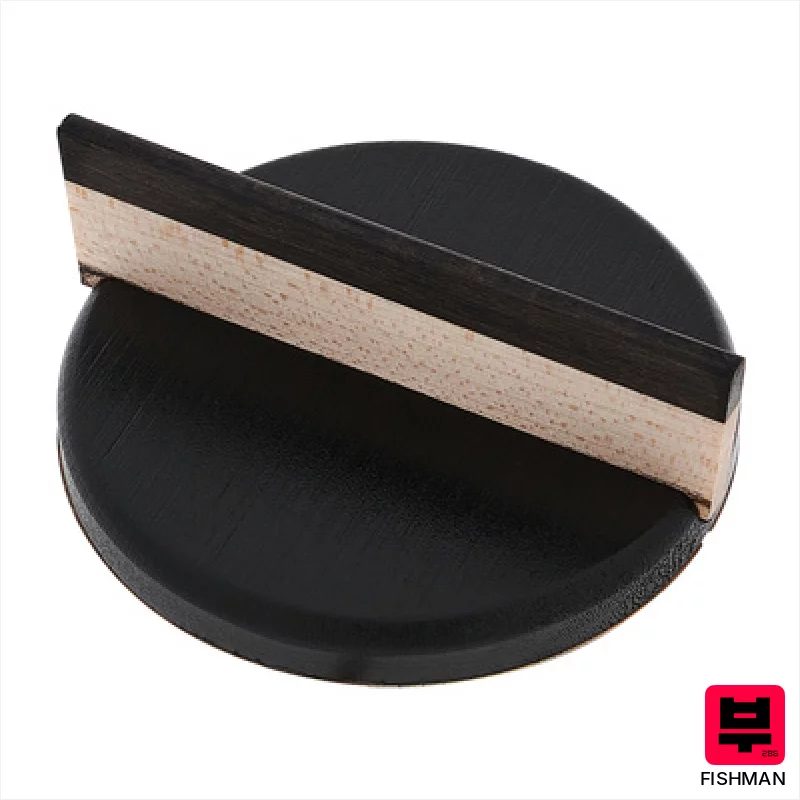
Fishman Biscuit-Style Resoph. Pickup
- • Piezo element delivers surprisingly warm, resonant resonator tone.
- • Maple/ebony saddle improves clarity and reduces harshness.
- • Biscuit replacement simplifies installation; no drilling needed.
- • Solid build quality; Fishman's reputation for reliability shines through.
- • Requires a preamp for optimal volume and tonal shaping.
- • Limited frequency response compared to more complex pickup systems.
- • May exhibit some 'quack' depending on resonator cone and guitar construction.
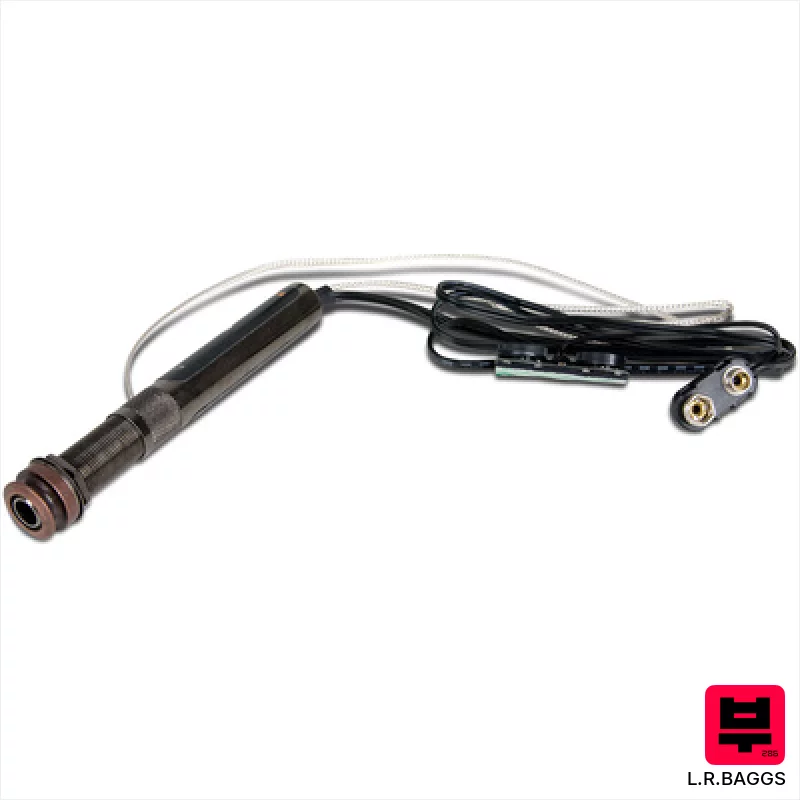
L.R.Baggs Element Active System VTC-N
- • Active element delivers a notably warmer, more responsive tone than passive systems.
- • VTC-N design minimizes feedback, crucial for stage performance with classical guitars.
- • The endpin preamp offers convenient volume and tone shaping on the fly.
- • LR Baggs’ reputation ensures reliable build quality and long-term durability.
- • Active system requires a 9V battery, adding maintenance and potential failure point.
- • Transducer-based system inherently lacks the nuance of a microphone pickup.
- • Classical guitar specific design limits versatility on other acoustic guitar types.
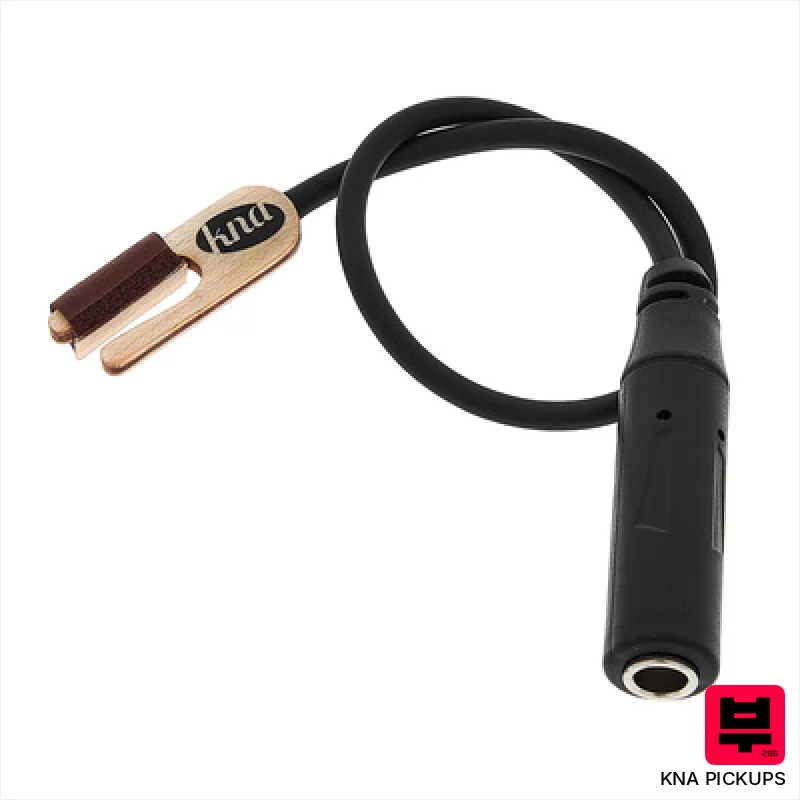
KNA Pickups BP-1
- • Simple clamp-on design allows for quick, non-destructive installation on banjos.
- • Piezo element delivers a surprisingly natural acoustic tone, avoiding overly artificial sounds.
- • The included cable provides a convenient connection, minimizing setup hassle.
- • Passive design means no batteries to worry about – straightforward and reliable.
- • Clamp design can potentially introduce unwanted string resonance or feedback at high volumes.
- • Limited frequency response compared to more sophisticated, active acoustic pickup systems.
- • The cable's length may be restrictive for some stage setups, requiring an extension.
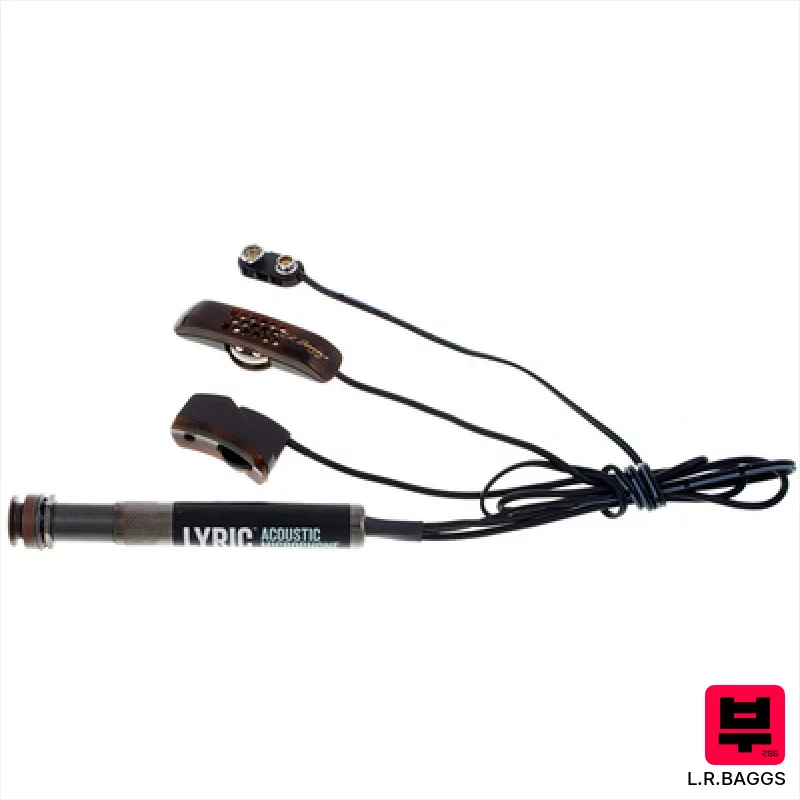
L.R.Baggs Lyric Microphone
- • Exceptional natural acoustic tone with microphone realism
- • TRU Mic technology significantly reduces feedback and noise
- • Integrated compressor/EQ provides subtle dynamic shaping and tonal control
- • Baggs’ renowned build quality ensures durability and long-term reliability
- • Microphone placement is critical for optimal sound and coverage
- • Can be a bit sensitive to handling noise and stage volume
- • Limited tonal shaping compared to more complex preamp systems
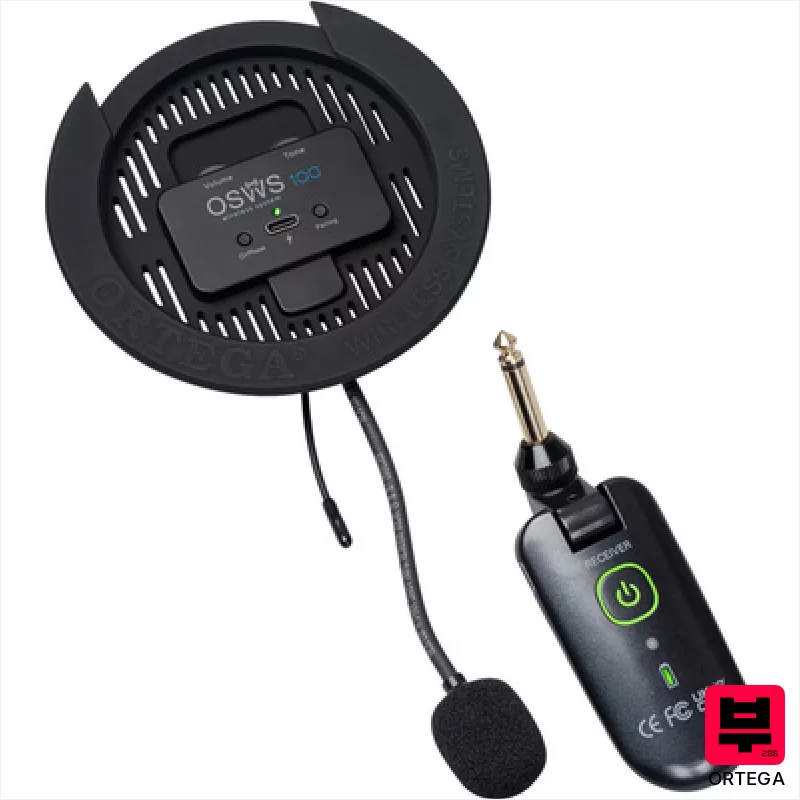
Ortega OSWS100 Wireless System
- • Simple installation avoids permanent modification, preserving guitar's acoustic tone.
- • 4-channel UHF offers decent flexibility for stage use and avoiding interference.
- • Adjustable gooseneck mic adds versatility for vocal reinforcement or ambience capture.
- • USB charging and 8-hour playtime offer reasonable convenience for gigging.
- • 30-meter range is optimistic; expect reduced performance with obstacles.
- • Soundhole size limitation (100mm) excludes many guitars, check dimensions carefully.
- • Budget-friendly components might impact long-term reliability compared to premium systems.
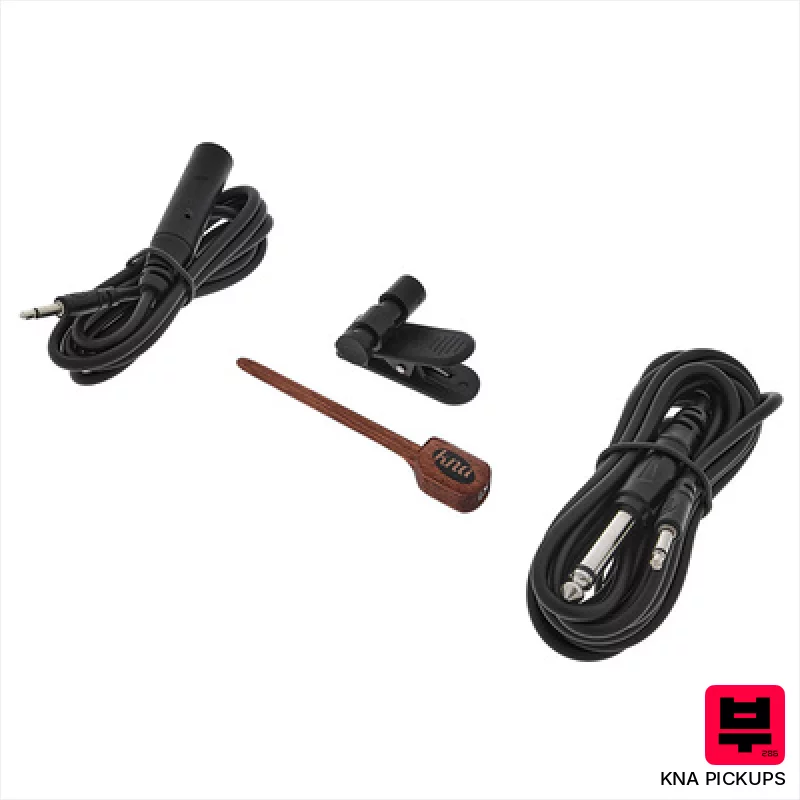
KNA Pickups SG-1
- • Simple, string-tensioned installation avoids permanent modification to the guitar.
- • Compact design minimizes impact on acoustic tone and guitar aesthetics.
- • Detachable cable offers flexibility for stage use and storage convenience.
- • Passive design ensures compatibility with a wide range of acoustic amps and preamps.
- • Limited tonal shaping options compared to active or onboard preamps.
- • String tension mounting may introduce slight string vibration transfer.
- • Bridge pickup placement inherently limits low-end response.

K&K Pure Mini Gold Strap Button
- • Solid gold strap button adds aesthetic appeal and durability
- • K&K’s signature natural acoustic tone, enhanced by the gold contacts
- • Compact design minimizes impact on the guitar's resonance and feel
- • Passive design preserves the instrument's inherent character and avoids preamp noise
- • Installation requires precision and can be tricky for novice users
- • The strap button placement limits access to some playing positions
- • Passive output necessitates a high-quality preamp for optimal amplification
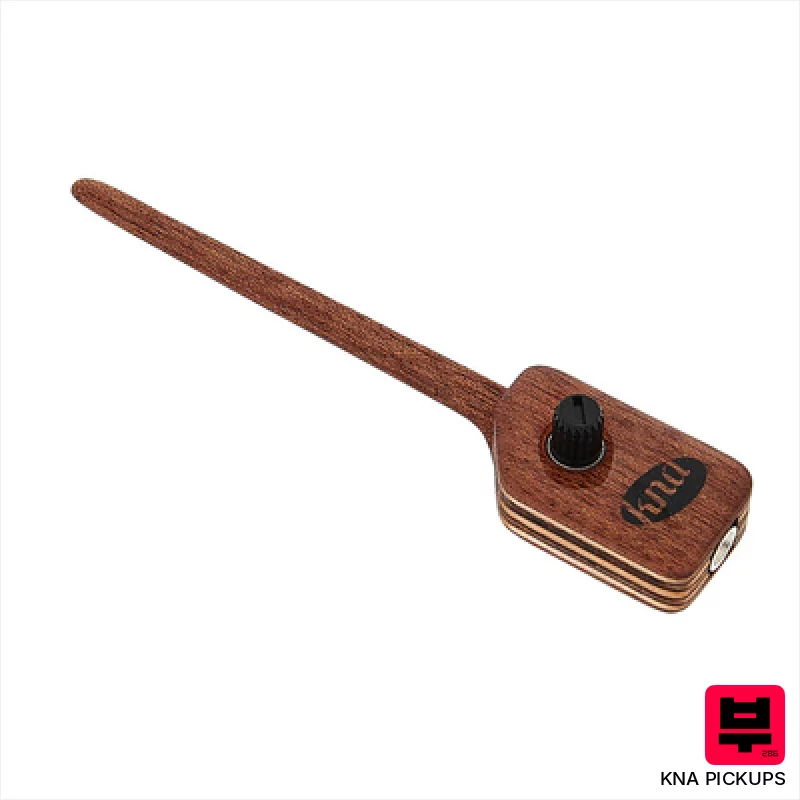
KNA Pickups SG-2
- • Simple bridge-mounted design avoids body modification.
- • Detachable cable offers flexibility in routing and stage setup.
- • Passive design retains natural acoustic guitar tone and dynamics.
- • Affordable price point makes it accessible for budget-conscious players.
- • Limited tonal shaping compared to active or more complex systems.
- • String tension is sole mounting method; potentially unstable with heavy strumming.
- • Small pickup size might slightly dampen low-end response on some guitars.
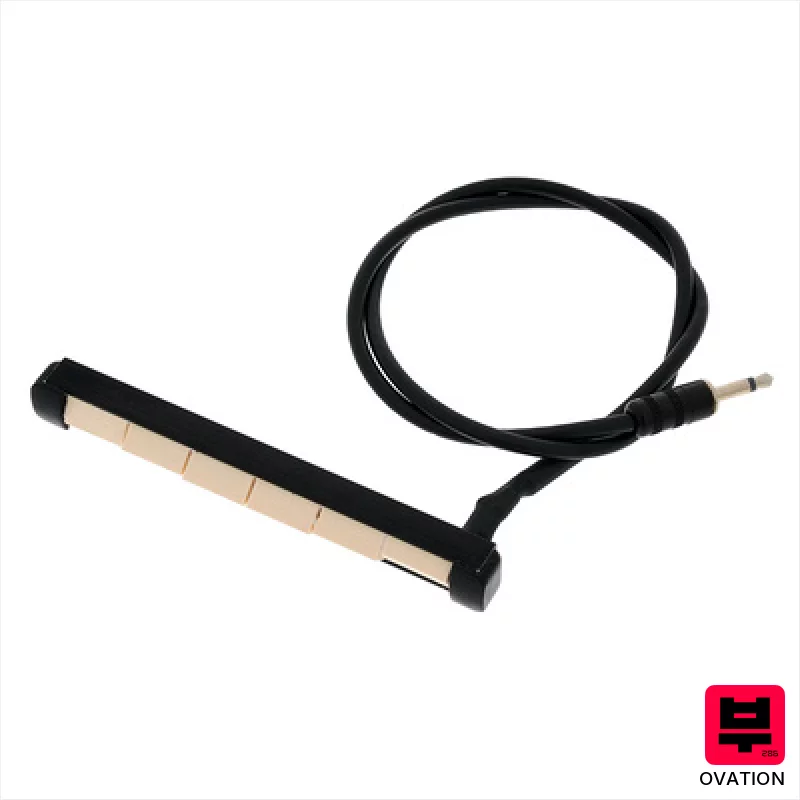
Ovation OCP-1K / RK-PU001-AL Pickup
- • Direct replacement for classic Ovation bridge saddle pickups, ensuring easy installation.
- • Delivers Ovation's signature bright, amplified acoustic tone with good clarity.
- • The included shim allows for fine-tuning string position and intonation.
- • Robust construction; built to withstand the rigors of stage and studio use.
- • Limited tonal versatility; best suited for Ovation's characteristic sound profile.
- • May require adjustment of the bridge saddle height for optimal string action.
- • Not ideal for guitars with non-Ovation bridge saddle systems.
How to Choose the Best Transducers for Acoustic Guitars
Frequency Response
A natural transducer won't aggressively boost highs or scoop out lows. We're looking for a relatively flat response, preserving the guitar's inherent tonal balance - that subtle low-end thump and the airy highs need to be there. Too much mid-range bump and you'll get a honky, artificial sound.
Dynamic Range
This is huge. A transducer that compresses your dynamics kills the feel and responsiveness. A good one should track your picking intensity, letting you coax everything from a whisper-quiet fingerstyle passage to a driving strum without sounding squashed or lifeless. Poor dynamic response is the #1 killer of natural tone.
Articulation & Transient Response
Can it accurately reproduce the attack of your pick or fingers? A muddy transducer smears transients, blurring the individual notes. Clean articulation is essential for fingerpicking, flatpicking, and anything that requires clarity and separation.
Feedback Rejection
Let's be realistic - you need to be able to gig with this thing. A transducer with good feedback rejection will handle higher volumes without squealing, which is crucial for band settings and louder stages. It's a balance - good feedback rejection shouldn't come at the expense of natural tone.
Installation & Aesthetics
Sure, tone is king, but practicality matters. Easy installation means less hassle, and a discreet appearance helps maintain the guitar's visual appeal. Cheap transducers often use bulky designs or adhesives that can damage the guitar's finish - it's a trade-off.
Buying Guide
Don't expect miracles - all amplified acoustics will have some tonal compromise. The best transducers are subtle, preserving the core character of your guitar. Be wary of anything that promises "studio-quality" tone - those are often marketing buzzwords. Spend more on a system that offers good dynamic response and a balanced frequency response; those are the aspects that will genuinely improve your amplified sound. Also, consider the guitar itself - a cheap guitar will always sound cheap, even with the best transducer.
Our Methodology
We're not just looking at specs here. We've spent countless hours playing these transducers through various amps and PA systems - from bedroom practice to full band rehearsals and even a few studio sessions. We A/B'd them against each other and, most importantly, against the natural acoustic tone of the guitars themselves, because a transducer's worth is measured by how close it gets to the real thing.

