
Best Transducers for Acoustic Guitars for Live Performance 2026
So, you're looking to amplify your acoustic live? Great idea - but slapping any old transducer on your Martin isn't gonna cut it. You need something that cuts through a band mix without sounding like a tin can, and that can handle a little stage abuse. This isn't about pristine studio tone; it's about getting a gig-ready sound that's recognizable as your guitar, even with a drummer hammering away.
Last updated: July 8, 2026 • Next update: July 15, 2026

L.R.Baggs Pickup HiFi Duet Hybrid
- • Exceptional clarity and detail from the HiFi Duet sensor system.
- • Silo mic adds natural ambience and a wider dynamic range.
- • Discrete preamp delivers low noise and a transparent amplified tone.
- • User-friendly controls offer flexible blending of microphone and piezo signals.
- • Premium-priced, representing a significant investment for many players.
- • Bridge plate sensors require precise placement for optimal results.
- • Silo microphone capsule can be prone to feedback in high-volume environments.

L.R.Baggs Pickup HiFi Bridge Plate
- • Exceptional clarity and detail reproduction from the bridge plate sensors.
- • Discrete preamp delivers exceptionally low noise and transparent amplification.
- • Soundhole controls allow for easy volume and tone shaping onstage.
- • Adhesive mounting system simplifies installation and removal without permanent modification.
- • Bridge plate design limits tonal flexibility compared to soundboard transducers.
- • Premium-priced, representing a significant investment for many players.
- • Battery dependence introduces potential for mid-performance failure if not monitored.
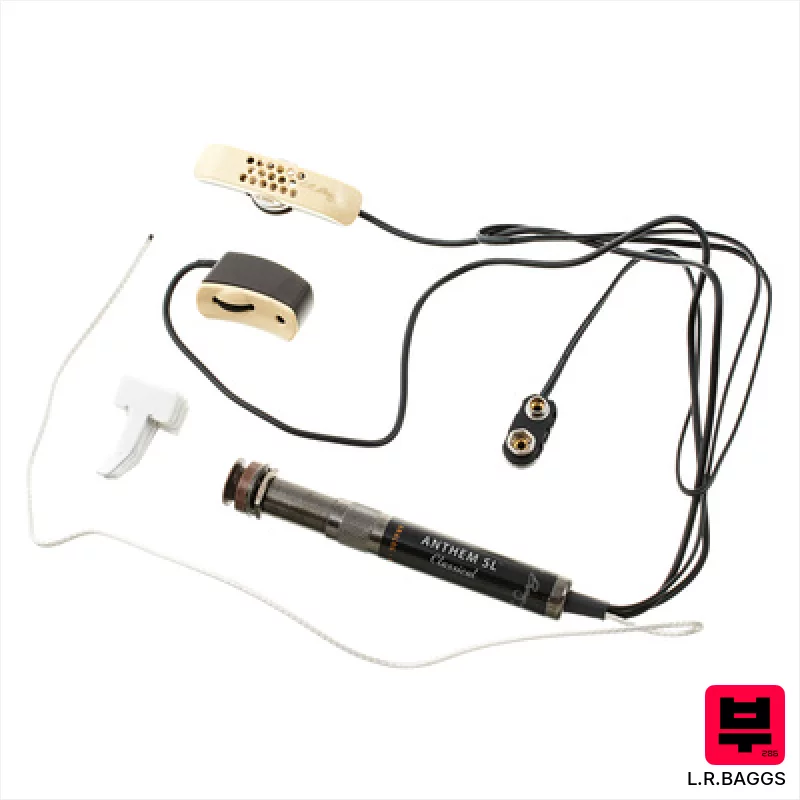
L.R.Baggs Anthem Classical
- • Tru•Mic delivers natural classical guitar tone with excellent feedback rejection.
- • Element piezo complements the mic, providing full bass response and warmth.
- • Integrated preamp with crossover creates a balanced, harmonically rich sound.
- • Adhesive mounting system allows for relatively easy, non-invasive installation.
- • Mic placement can be finicky to optimize tonal balance and feedback.
- • Relatively high price point compared to simpler piezo-only options.
- • Battery dependency adds a maintenance factor and potential for mid-performance failure.
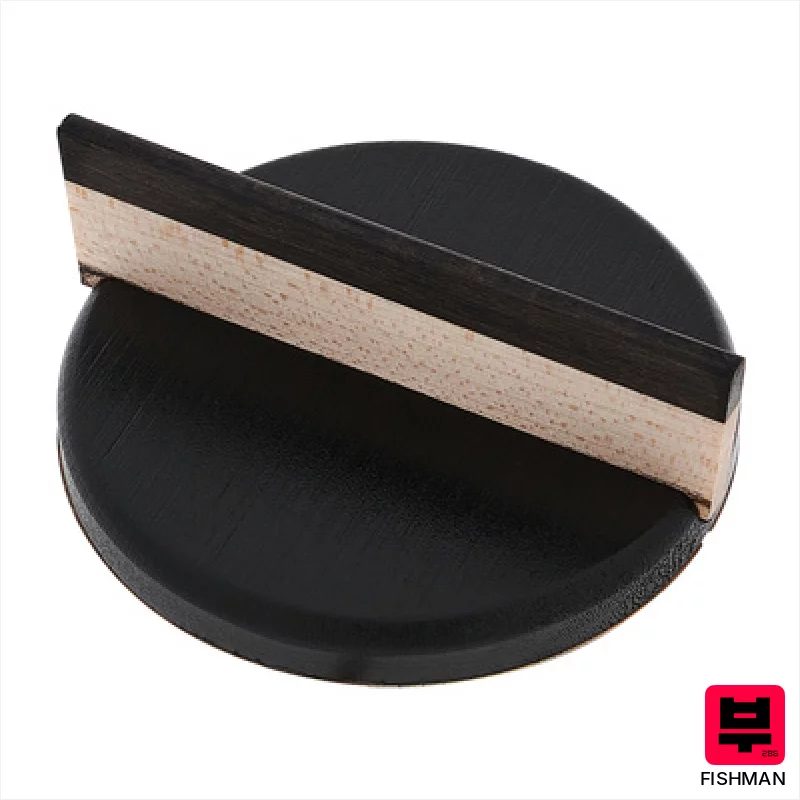
Fishman Biscuit-Style Resoph. Pickup
- • Piezo element delivers surprisingly warm, resonant resonator tone.
- • Maple/ebony saddle improves clarity and reduces harshness.
- • Biscuit replacement simplifies installation; no drilling needed.
- • Solid build quality; Fishman's reputation for reliability shines through.
- • Requires a preamp for optimal volume and tonal shaping.
- • Limited frequency response compared to more complex pickup systems.
- • May exhibit some 'quack' depending on resonator cone and guitar construction.
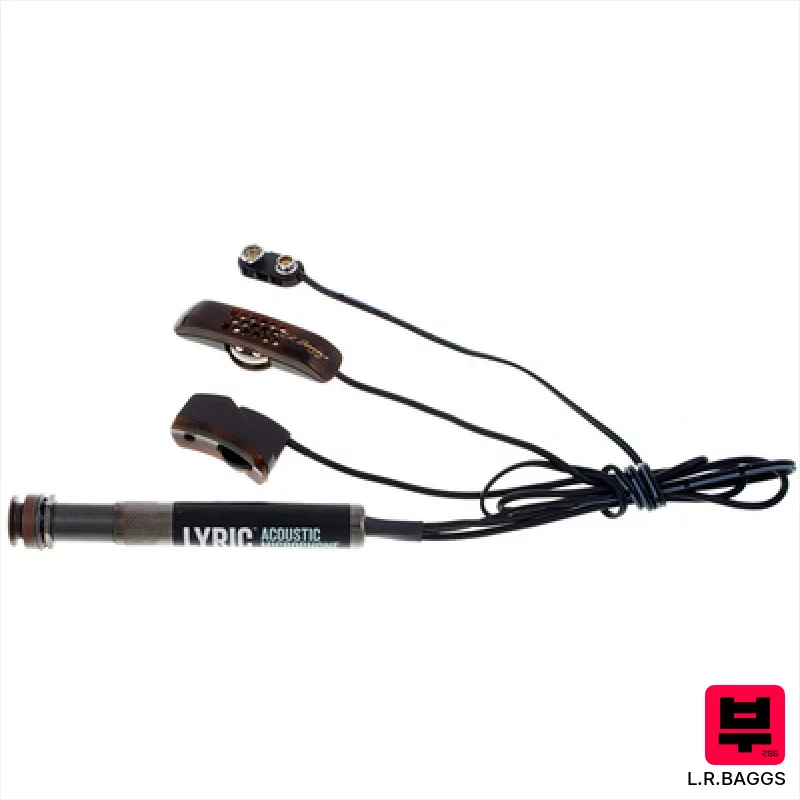
L.R.Baggs Lyric Microphone
- • Exceptional natural acoustic tone with microphone realism
- • TRU Mic technology significantly reduces feedback and noise
- • Integrated compressor/EQ provides subtle dynamic shaping and tonal control
- • Baggs’ renowned build quality ensures durability and long-term reliability
- • Microphone placement is critical for optimal sound and coverage
- • Can be a bit sensitive to handling noise and stage volume
- • Limited tonal shaping compared to more complex preamp systems

Graph Tech Ghost PN-9277-00 - Pickup
- • String saver material minimizes string wear and tuning instability, a genuine benefit.
- • Individual pickup adjustment allows for precise tonal shaping across the fretboard.
- • Graph Tech's reputation for quality translates to robust construction and reliable performance.
- • The saddle design provides good string contact, maximizing signal transfer and volume.
- • Installation requires precise saddle measurements and can be tricky for less experienced users.
- • The system’s overall tone can be somewhat sterile, lacking the natural warmth of a purely acoustic sound.
- • While versatile, it’s best suited for amplified acoustic playing, not a replacement for a traditional acoustic.
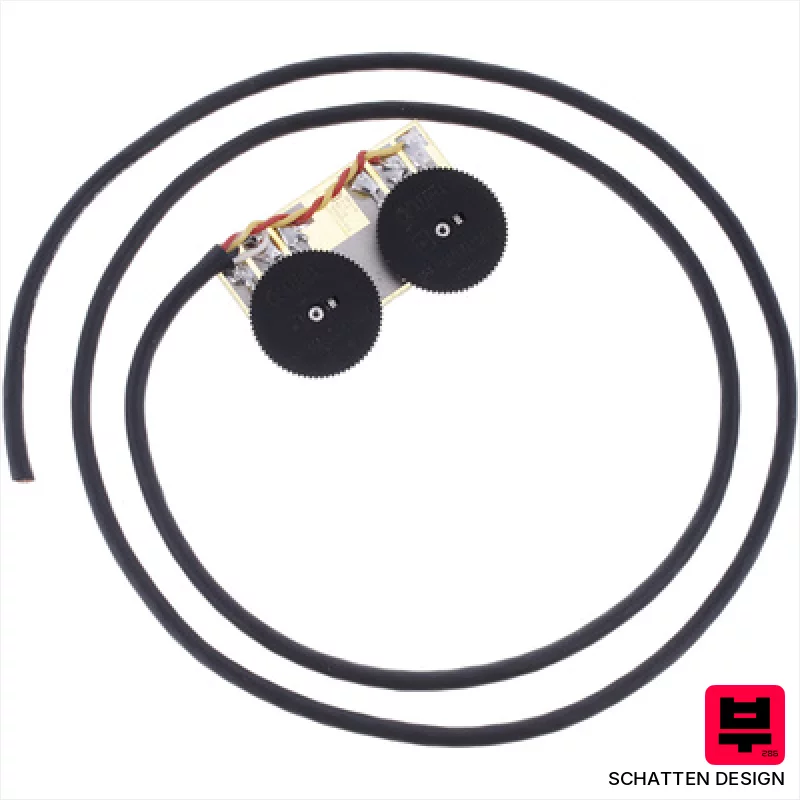
Schatten Design T2 500k Dual Thumb Wheel
- • Excellent build quality with robust thumbwheels and solid construction
- • Provides precise volume and tone control for Schatten pickups
- • Compact design minimizes soundhole obstruction, preserving acoustic tone
- • Included capacitor simplifies tone control setup for immediate use
- • Limited functionality; primarily designed for Schatten pickups
- • Mounting can be tricky on guitars with unusually shaped soundholes
- • Tone capacitor choice restricts tonal shaping flexibility slightly
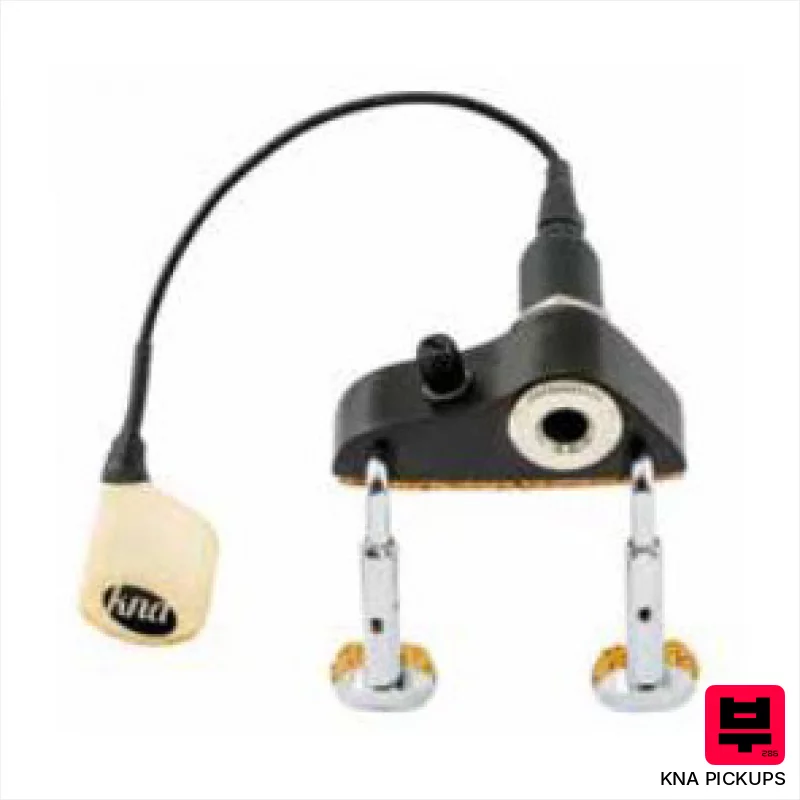
KNA Pickups MP-2
- • Ebony output unit adds a touch of elegance and durability.
- • Clamping system simplifies installation without modification to the mandolin.
- • Cork contact points prevent damage to the mandolin’s finish.
- • Passive design offers a natural, warmer tone than active alternatives.
- • Passive design lacks the output boost of active systems for louder stages.
- • Clamping system might not be as secure as permanent mounting options.
- • Limited tonal shaping options compared to more complex pickup systems.
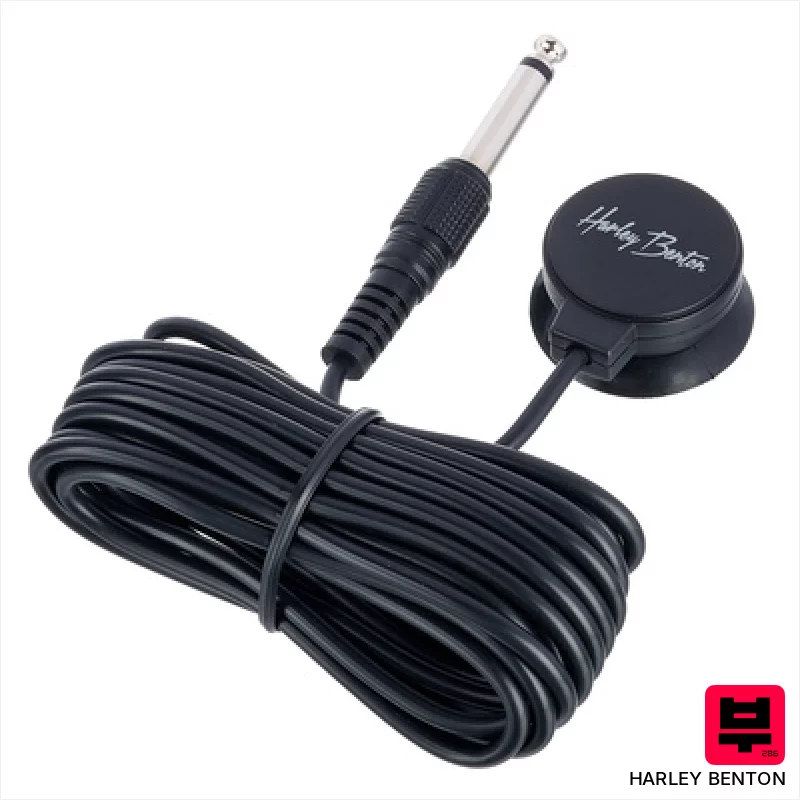
Harley Benton Octopus Pickup
- • Suction cup offers surprisingly secure, non-invasive mounting.
- • Simple plug-and-play design eliminates complex wiring.
- • Lightweight construction minimizes impact on acoustic resonance.
- • Remarkably affordable, making it accessible for budget-conscious users.
- • Sound quality is basic; lacks the nuance of dedicated acoustic pickups.
- • Suction cup may lose adhesion with prolonged use or temperature changes.
- • Cable length is fixed; may require extension for some setups.
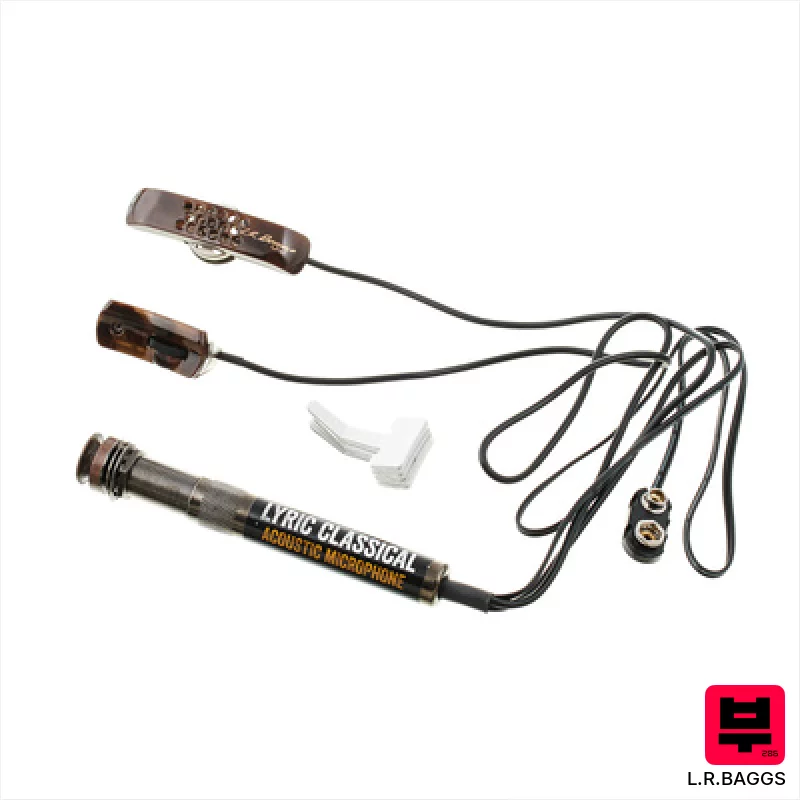
L.R.Baggs Lyric Microphone Classical
- • Excellent natural mic reproduction for nylon string clarity
- • TRU MIC drastically reduces feedback and stage noise
- • Built-in compressor/EQ smooths dynamics and shapes tone
- • Compact design minimizes acoustic disruption within the soundhole
- • Limited to classical/nylon string guitars; unsuitable for steel-string
- • Microphone placement can be finicky for optimal tone
- • Higher price point compared to basic piezo transducers
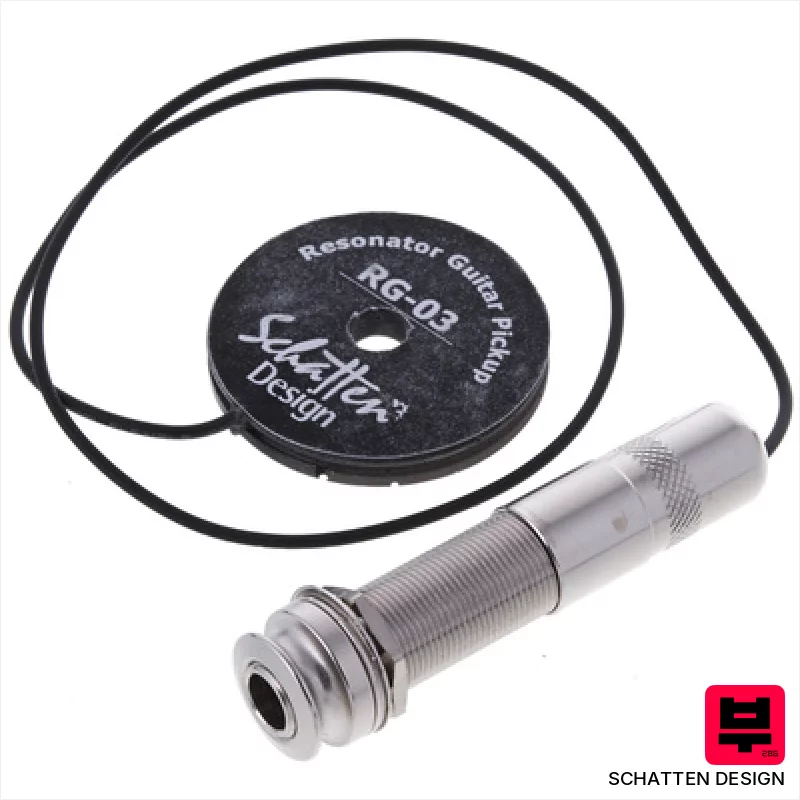
Schatten Design RG-3 passiv
- • Excellent feedback rejection, crucial for resonator amplification.
- • Provides a remarkably natural, woody tone – avoids the brittle sound of some transducers.
- • Simple prewired design significantly reduces installation complexity.
- • Secure mounting system with adhesive and tensioning screw ensures stability.
- • Limited versatility – specifically designed for resonator guitars only.
- • Adhesive application requires care to avoid cone damage or affecting tone.
- • Sound may lack the 'oomph' of magnetic pickups for certain high-volume genres.
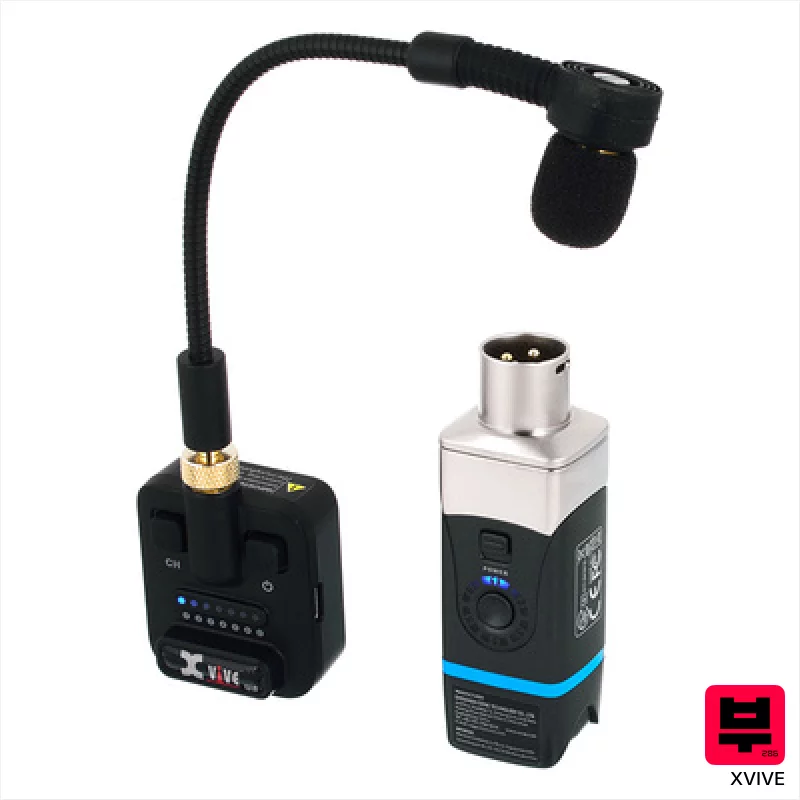
XVive U8 Acoustic Guitar Wireless
- • Wireless freedom eliminates cable clutter, ideal for stage performance and recording.
- • Supercardioid mic rejects stage noise effectively, delivering focused acoustic capture.
- • 24-bit/48kHz resolution provides detailed, high-fidelity audio reproduction.
- • Quick charge USB Y-cable ensures minimal downtime between performances or sessions.
- • 90ft range is susceptible to interference; line-of-sight is crucial for reliability.
- • Built-in mic limits flexibility; external mic options aren't directly supported.
- • The swiveling mic might require careful positioning to avoid unwanted handling noise.
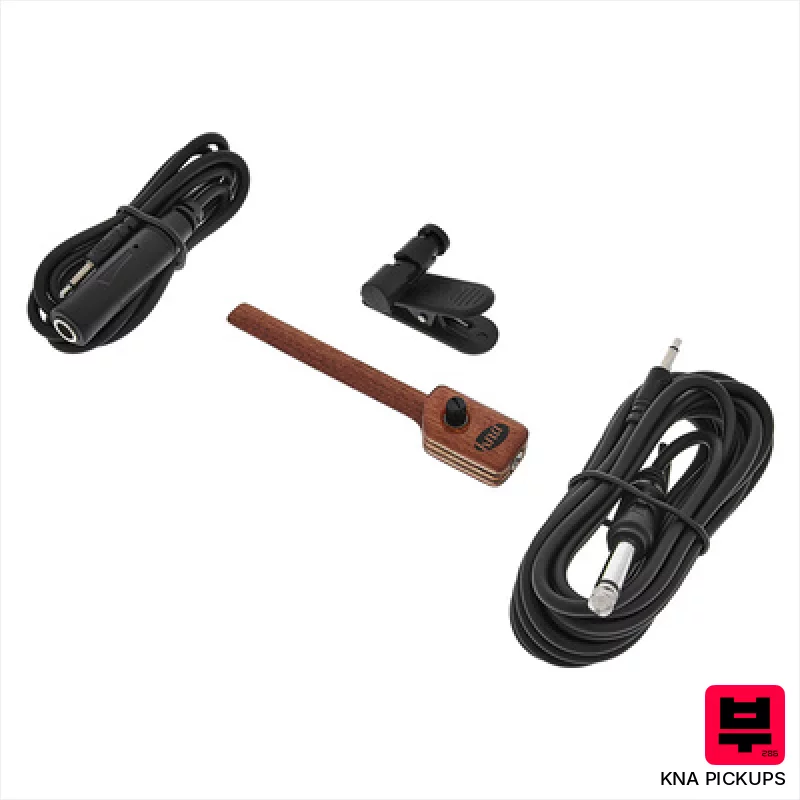
KNA Pickups NG-2
- • Simple bridge-mounted design avoids body modification and preserves acoustic tone.
- • Passive design eliminates the need for batteries, simplifying setup and operation.
- • The included detachable cable provides flexibility in stage configurations and cable management.
- • Compact size and low profile minimize interference with right-hand technique and string vibration.
- • Passive nature limits gain and dynamic range compared to active systems.
- • Bridge-mounted placement can introduce string-related noises and resonances.
- • Limited volume control functionality; lacks EQ shaping capabilities.
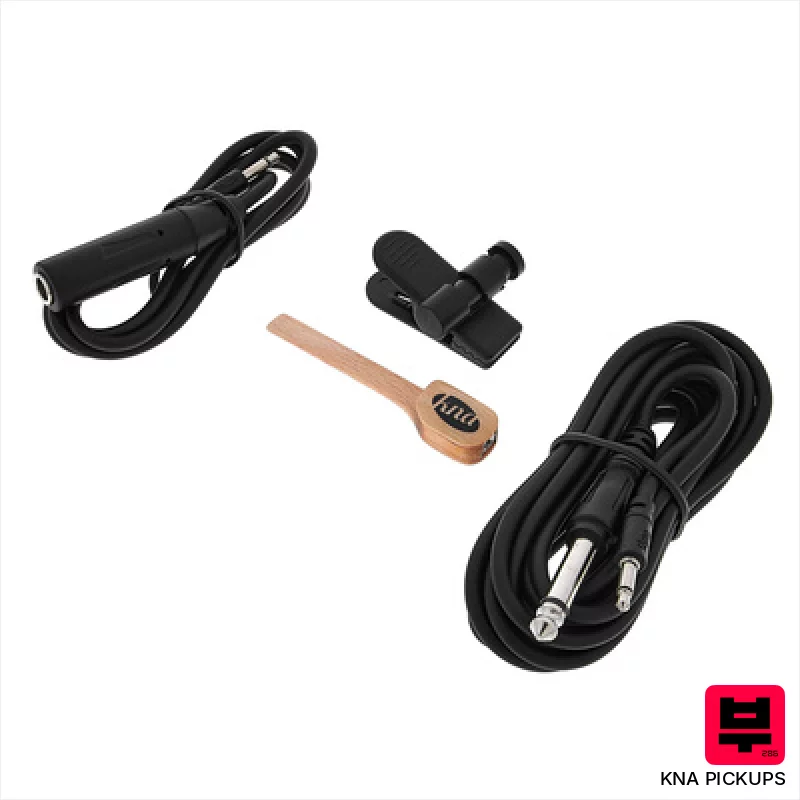
KNA Pickups UK-1
- • Simple, string-tensioned installation avoids permanent modification to the ukulele’s bridge.
- • Passive design offers a natural, uncolored acoustic ukulele tone without needing batteries.
- • Detachable cable provides flexibility in routing and eliminates cable snagging during performance.
- • Compact size (74x12x10mm) ensures minimal impact on ukulele aesthetics and playability.
- • Passive design means lower output; may require preamp for louder stages or recording.
- • Bridge area compatibility is crucial; not universally suitable for all ukulele models.
- • String tension mounting could potentially introduce subtle string vibration transfer.
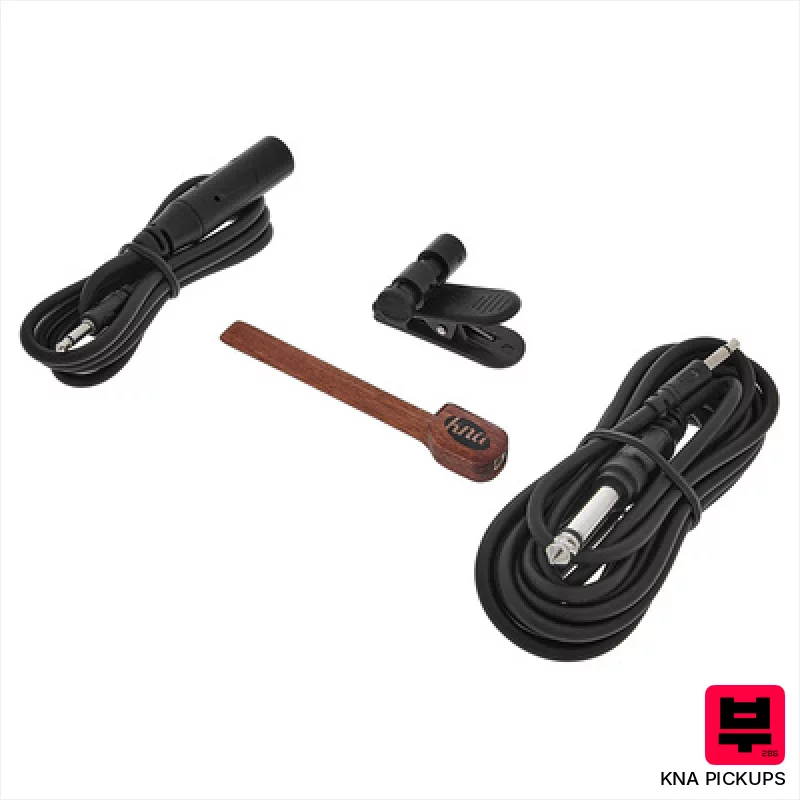
KNA Pickups NG-1
- • Simple tie-block mounting eliminates messy glue and modification.
- • Passive design preserves the natural acoustic tone of the guitar.
- • Compact size minimizes impact on string vibration and resonance.
- • Detachable cable provides flexibility and protects the pickup from damage.
- • Passive design means lower output, requiring a preamp for stage use.
- • Limited frequency response; lacks the clarity of more expensive systems.
- • The small panel size might not suit all bridge designs perfectly.
How to Choose the Best Transducers for Acoustic Guitars
Articulation
Live performance demands clarity. A transducer that smears your individual notes together will get lost in the mix. You need something that retains that percussive attack and lets your fingerstyle patterns shine, or your strumming have some definition.
Headroom & Dynamic Range
Can it handle a full band without distorting horribly when you hit a power chord? A transducer with limited headroom will quickly compress and lose its natural dynamics, sounding lifeless and squashed. It's about retaining that 'snap' even at higher volumes.
Feedback Resistance
This is huge. Stage monitors and PA stacks are feedback magnets. Some transducers are naturally more prone to feedback than others, and the pickup placement makes a massive difference. We're looking for those that reject stage rumble and allow for a decent volume before things get out of control.
Frequency Response & Voicing
A transducer that's overly bright will be harsh and fatiguing, while one that's too dark will sound muffled. Ideally, you want a balanced response that captures the warmth of your acoustic wood without sacrificing high-end sparkle - that sweet spot where it doesn't sound artificial.
Ease of Installation & Durability
Let's be real, you're probably installing this yourself. A transducer that's a nightmare to mount or falls apart after a few gigs is useless. We're after something that's relatively easy to install, robust enough to withstand gigging, and won't require constant tweaking.
Buying Guide
Don't fall for the hype. Many cheaper transducers rely on overly aggressive EQ to compensate for a fundamentally poor sound. You're often paying for a quick fix, not a quality transducer. Spending a bit more gets you better materials, more refined voicing, and often, a more stable and reliable system - a system that will actually make your acoustic sound like your acoustic, just amplified.
Our Methodology
We don't just look at specs here. We've spent countless hours plugging these transducers into various acoustic guitars - from beaten-up Yamahas to vintage Martins - running them through PA systems, and A/B'ing them against each other in real-world band settings. We're talking rehearsals, club gigs, even a few outdoor festivals. This isn't about lab tests; it's about what sounds good on stage and translates well to a recording.

