
Best Risa Tenor Ukuleles 2026
Alright, so you're looking at Risa tenor ukuleles? Smart move. They've quietly been building a reputation for solid, reliable instruments that don't break the bank, but still offer a surprisingly refined playing experience. Forget the cheap, plastic-y sounds you might associate with beginner ukes - Risa's got a sweet spot in the mid-range market that's worth a serious look, especially if you're gigging or recording.
Last updated: April 11, 2026
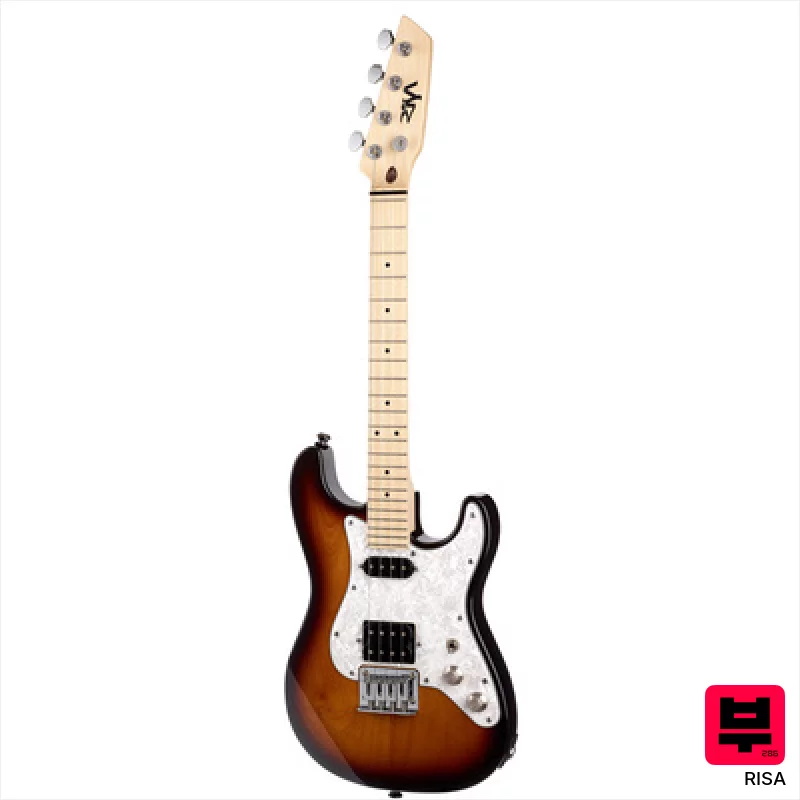
Risa ST-Style Electric Ukulele SB
- • Alder body delivers a warm, resonant tone with surprising sustain
- • RISA humbucker/single coil combo offers versatile tonal options
- • Bolt-on maple neck provides a comfortable, familiar feel for guitarists
- • Enclosed machine heads ensure stable tuning, a welcome upgrade.
- • Alder, while warm, might lack the bright sparkle some players prefer
- • Bolt-on neck, while comfortable, isn't as tonally integrated as a set-neck
- • Sunburst finish, while aesthetically pleasing, might be a common aesthetic

Risa T-Style Electric Ukulele BSB
- • Solid pine body delivers a surprisingly warm, resonant tone.
- • RISA humbucker provides a thick, powerful sound for rock and blues.
- • Maple neck and fretboard offer smooth playability and sustain.
- • Enclosed machine heads ensure stable tuning, a welcome touch at this level.
- • Pine body, while warm, can be prone to dents and scratches.
- • Bolt-on neck construction, while practical, lacks the premium feel of a set-neck.
- • The butterscotch blonde finish might not appeal to all players - a bit flashy.

Risa Tenor Ukulele SC-Style BK
- • Solid mahogany construction delivers a warm, resonant tone with excellent sustain
- • Richlite fretboard provides a smooth playing experience and resists humidity changes
- • Grover worm gear tuners ensure precise and stable tuning, a premium touch
- • Humbucker pickups offer a thick, powerful sound suitable for various genres
- • The arched top, while aesthetically pleasing, might slightly compromise acoustic projection
- • The 35mm nut width could feel a bit wide for players accustomed to smaller ukulele necks
- • The all-mahogany build can be a bit heavier than models with lighter woods
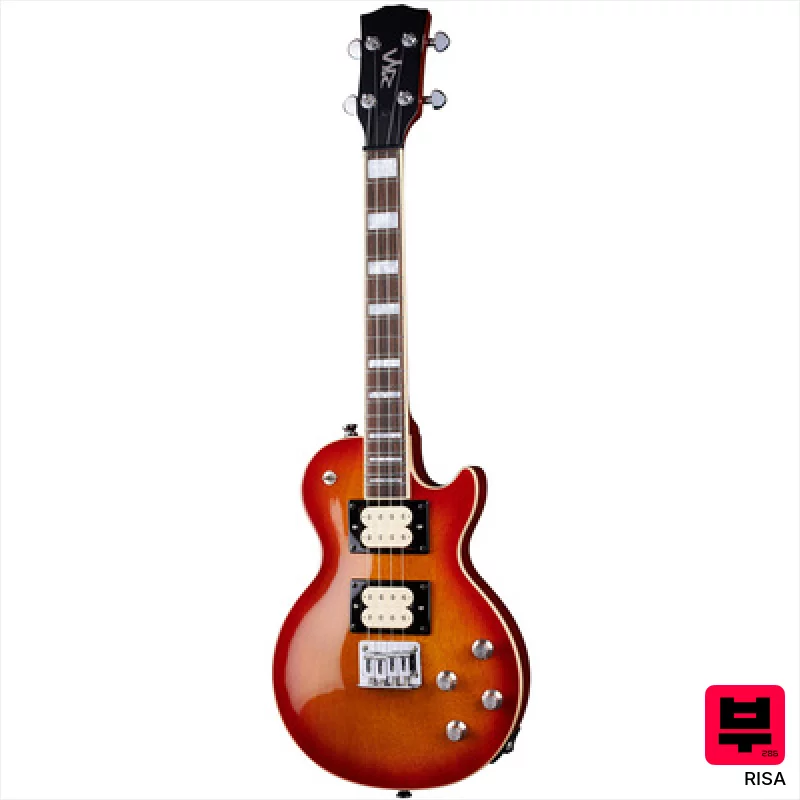
Risa Tenor Ukulele SC-Style CB
- • Solid mahogany construction delivers warm, resonant tone with surprising projection
- • Richlite fretboard offers a smooth playing experience and resists humidity changes
- • RISA humbucker pickups provide a thick, powerful amplified sound ideal for diverse genres
- • Grover tuners ensure stable tuning, a significant upgrade for its class
- • Cherry Sunburst finish might be too visually bold for some players’ tastes
- • Mahogany body contributes to a slightly heavier feel compared to lighter ukulele builds
- • Limited onboard effects or EQ beyond volume and tone controls
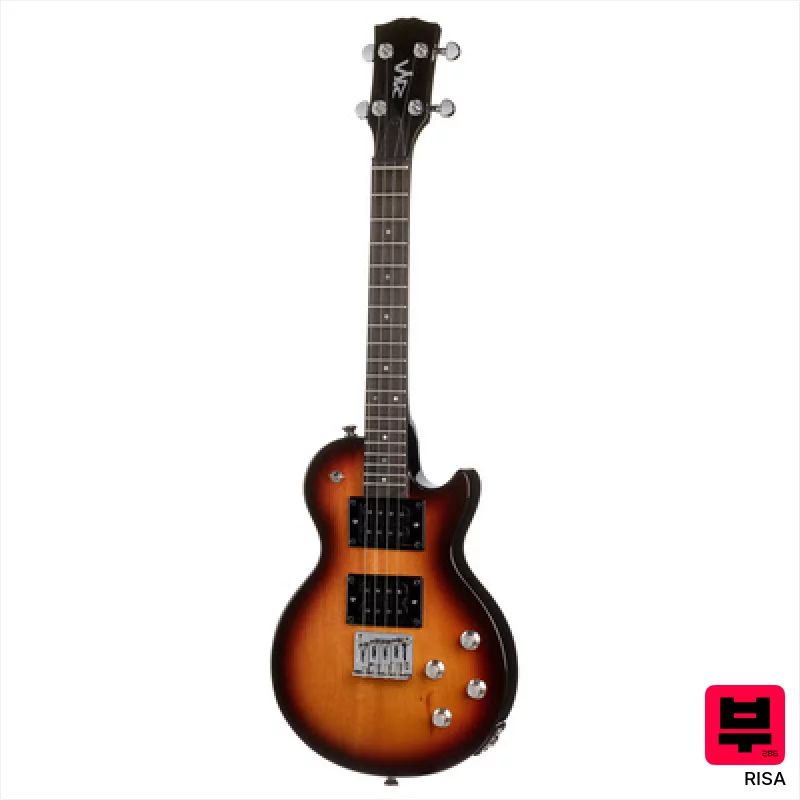
Risa Tenor Ukulele SC-Style TSB
- • Solid mahogany construction delivers a warm, resonant, and focused tone.
- • Risa humbuckers provide a surprisingly powerful and articulate amplified signal.
- • Richlit fretboard offers a smooth playing experience and improved intonation.
- • Grover tuners ensure rock-solid tuning stability, a noticeable upgrade.
- • The arched top, while visually appealing, might slightly compromise projection compared to a flat top.
- • Tobacco Sunburst finish can be prone to fingerprints and smudging.
- • The 35mm nut width may feel a bit wide for players accustomed to smaller ukulele necks.
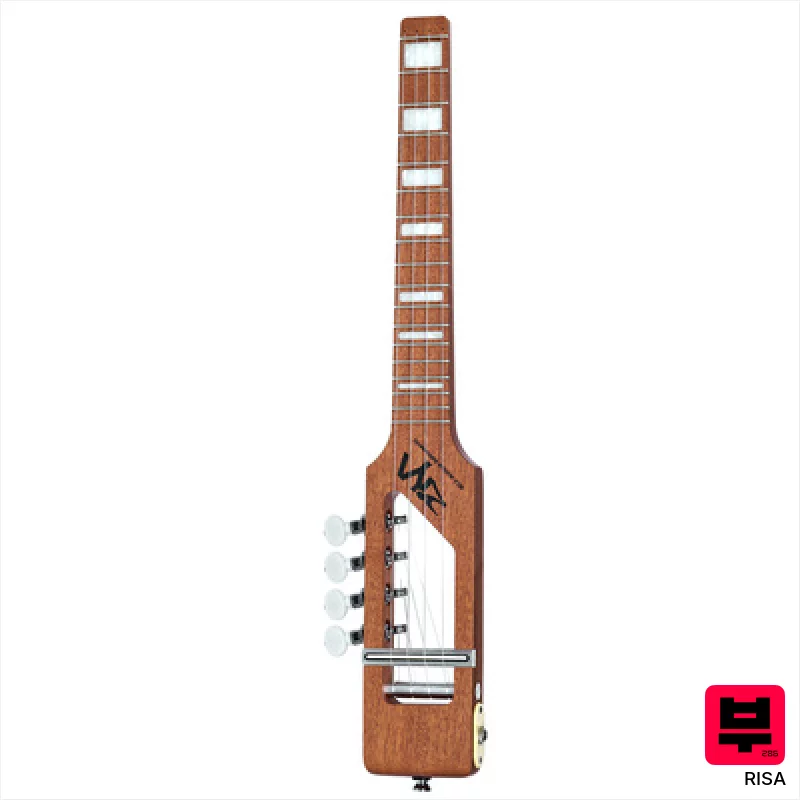
Risa Uke-Solid-Tenor
- • Solid walnut construction delivers a warm, resonant, and focused tone.
- • Banjo machine heads offer precise tuning stability and a vintage aesthetic.
- • Shadow piezo pickup provides a clear, natural amplified sound suitable for live performance.
- • One-piece walnut design enhances sustain and contributes to a premium feel.
- • Walnut can be a bit brittle; requires careful handling and string changes.
- • Passive piezo pickup may lack the nuance of active systems for some players.
- • Limited fretboard space (17 frets) restricts higher register exploration.
How to Choose the Best Tenor Ukuleles
Tone
Risa's tend to have a warmer, more rounded tone than some of the brighter, more "sparkly" competition. It's not a deep, booming low-end, but it's got a nice fundamental, and the midrange has a pleasing 'honk' that cuts through a mix without being harsh. Great for vocal accompaniment or adding subtle texture.
Build Quality
The construction is generally very solid for the price point. You're getting laminate mahogany tops and backs, which are durable and can handle a little abuse - perfect for gigging. The finish isn't flawless, but it's consistent and doesn't detract from the overall feel.
Neck Profile
This is where Risa really shines. The neck profile is surprisingly comfortable - not too thick, not too thin - making it easy to play for extended periods. It's a welcome change from some of the chunkier necks you find on other instruments in this price range, especially for players used to guitars.
Intonation
Intonation is generally good, though you might want to have a professional set it up perfectly if you're a stickler for accuracy, especially higher up the neck. It's not terrible out of the box, but a little tweaking can really improve playability.
Hardware
The tuners are decent - functional enough for regular playing, but they're definitely an area where cost is being managed. They won't be as smooth or precise as higher-end tuners, but they'll get the job done. Upgrading them later is always an option if you're a serious player.
Buying Guide
Risa tenor ukes are a solid value, but remember you're not getting a custom shop instrument. The laminate construction means you're not going to get the complex overtones of solid wood. Pay close attention to the action - some models come with a slightly high action, which can make playing a bit tougher. A quick trip to a local luthier for a setup can make a huge difference.
How This List Is Built
We don't play these instruments — we're a catalog, not a review desk, and we'd rather say so than pretend otherwise. This page ranks 6 tenor ukuleles from the Thomann catalogue, which is the largest single source of specification data in this category.
Position is computed, not curated. Four signals, in order of weight: how completely the manufacturer documents the instrument (number of published specifications), where it sits in the price range, how specific the model designation is — which filters out generic accessories — and whether a product image exists. The same inputs always produce the same order, so nothing here is shuffled to look fresh.
What this list is good for: narrowing a category down to a shortlist by spec and budget. What it isn't: a substitute for hearing an instrument. Before you buy, read hands-on reviews and, where you can, play it. Full methodology.

