
Best Tenor Ukuleles for Solo Performance 2026
So, you're going solo with a tenor uke? Smart move. It's a sweet spot - more projection and low-end than a soprano, but still manageable for a solo act. Finding the right one isn't just about pretty wood; it's about finding a voice that cuts through without sounding thin or brittle, something that'll record well and hold up to a long set. Let's dive into tenors that actually work for the working musician.
Last updated: July 8, 2026 • Next update: July 15, 2026

Martin Guitar Martin Guitar 0X Ten Uke Suns
- • HPL top provides surprising projection and durability for travel.
- • Flamed mahogany HPL back offers a warm, focused tone.
- • Birch laminate neck provides stability and a comfortable playing feel.
- • Open-gear tuners offer precise tuning stability and a classic aesthetic.
- • HPL construction lacks the tonal complexity of solid wood instruments.
- • Nut width may feel narrow for players accustomed to wider string spacing.
- • Gig bag is functional but offers limited protection for travel.

Flight Peter Moss Tenor EQ-A
- • Solid spruce top delivers a bright, responsive tone with good projection.
- • Mahogany back & sides offer warmth and sustain, nicely balancing the top.
- • Peter Moss’s signature round fretboard markings enhance playability and visual appeal.
- • Active Double C1U pickup provides a clean, amplified signal with low noise.
- • Black stain finish can show fingerprints and smudges easily.
- • Open-gear tuners, while aesthetically pleasing, aren't as precise as geared tuners.
- • Solid wood construction makes it slightly heavier than composite models.

Martin Guitar 0X Tenor Uke Black
- • HPL construction provides surprising projection and durability for travel.
- • Birch laminate neck offers stability and a comfortable, familiar feel.
- • Martin’s M620 strings deliver a balanced, warm tone characteristic of their ukuleles.
- • The 17” scale length offers a fuller sound and easier fingerstyle playing than shorter ukes.
- • HPL back and sides lack the tonal complexity of solid wood alternatives.
- • The black finish, while stylish, can be prone to fingerprints and smudging.
- • The gig bag is functional, but a hardshell case would offer better protection.
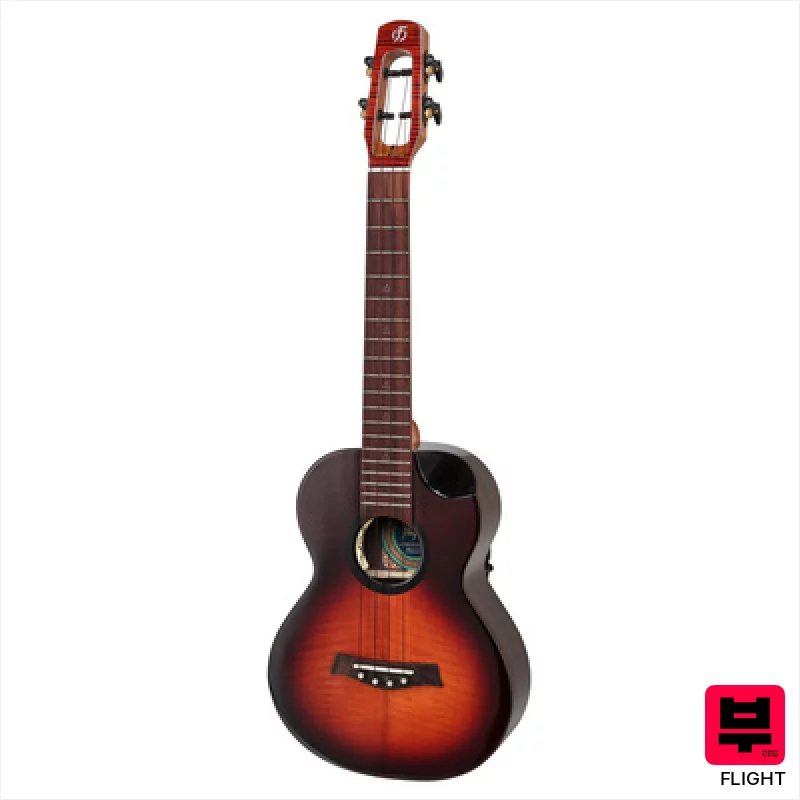
Flight Navigator Tenor EQ-A SB
- • Solid flamed maple top delivers a bright, focused, and articulate tone.
- • Rosewood back and sides add warmth and sustain, nicely balancing the maple.
- • Active C1U pickup provides a clear, amplified signal with minimal noise – great for stage.
- • Open-gear tuners offer precise tuning stability and a classic aesthetic.
- • Rosewood can be prone to fret buzz if not perfectly setup; requires careful intonation.
- • High-gloss finish might be a fingerprint magnet and could feel less 'organic' to some.
- • Flamed maple top, while beautiful, can be a more fragile wood than Koa or mahogany.

Kala KA-CT-SA-TG Tenor Ukulele
- • Solid acacia top delivers warm, rich tone with excellent projection.
- • Ebony fingerboard offers smooth playability and precise intonation.
- • Bone nut and saddle enhance sustain and improve overall tone quality.
- • Contour body shape provides comfort and a more ergonomic playing experience.
- • Solid acacia construction makes it a premium-priced ukulele.
- • High-gloss finish can be prone to fingerprints and require more maintenance.
- • Open-gear tuners, while aesthetically pleasing, may not be as precise as geared ones.
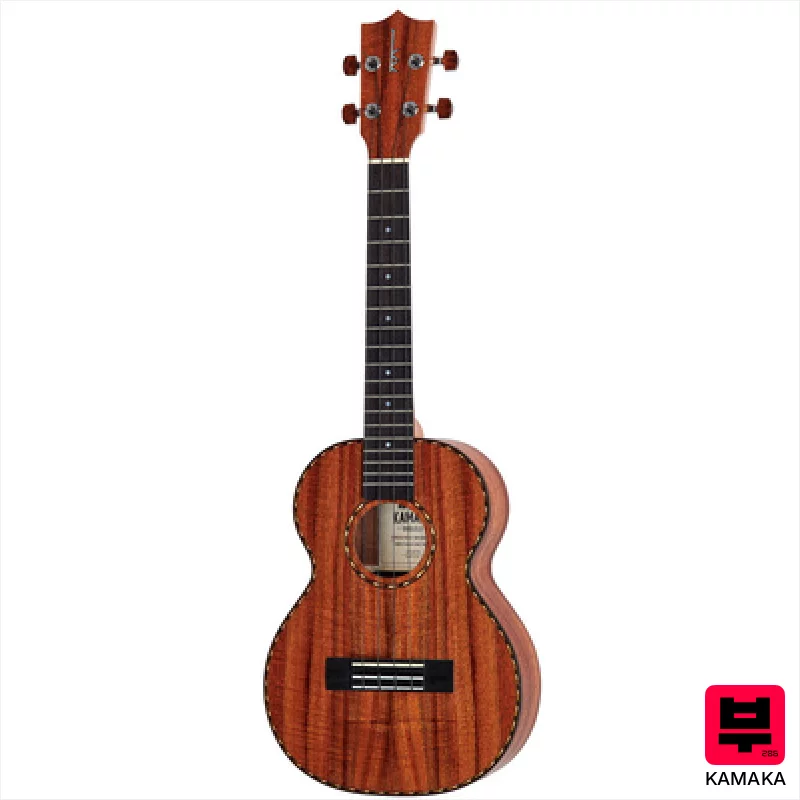
Kamaka Tenor Deluxe HF-3D
- • Solid koa construction delivers exceptional warmth, sustain, and complex overtones.
- • Mahogany neck provides a comfortable feel and excellent stability under Hawaiian string tension.
- • Rosewood fingerboard offers smooth playability and a rich, dark tonal response.
- • The satin finish allows the wood's natural resonance to project with impressive clarity.
- • Premium-priced, placing it outside the budget of many aspiring ukulele players.
- • The natural satin finish, while beautiful, requires more careful handling to avoid scratches.
- • Limited versatility; excels in traditional Hawaiian styles, less suited for heavier genres.

Kala CT-SSRW-TG-C Tenor Ukulele
- • Solid spruce top delivers a bright, responsive, and articulate tone with excellent projection.
- • Solid rosewood back and sides add warmth, sustain, and a richer harmonic complexity.
- • Ebony fingerboard provides a smooth, fast playing experience and excellent note clarity.
- • Bone nut and saddle enhance sustain and improve overall tonal quality – a nice touch at this level.
- • Open-gear tuners, while aesthetically pleasing, aren't the most precise for fine tuning.
- • The high-gloss finish, while beautiful, might be a bit too reflective for some players' preferences.
- • The solid wood construction makes it slightly heavier than some all-laminate tenor ukes.
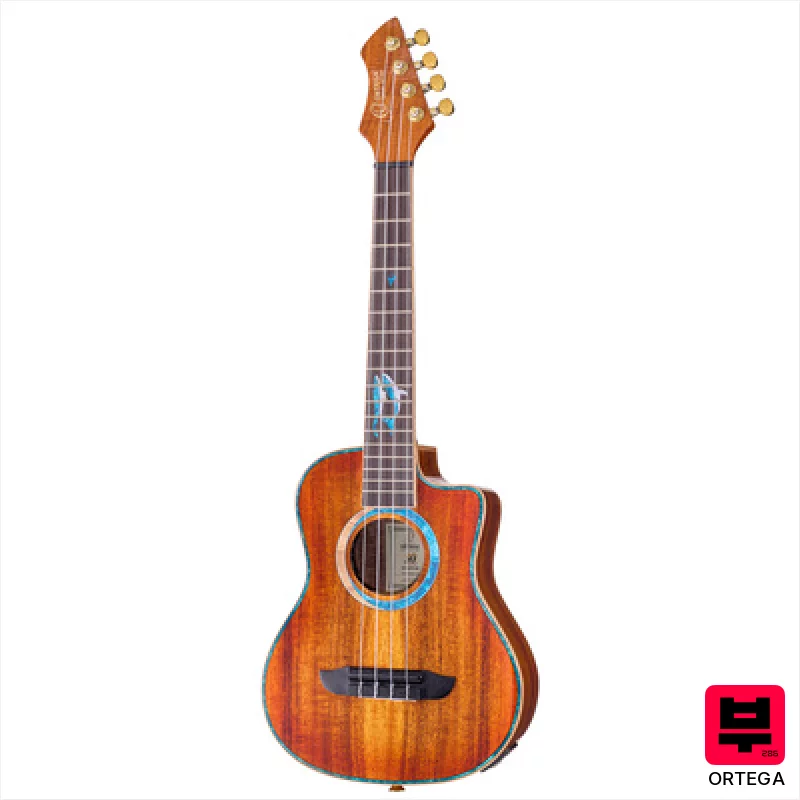
Ortega RUHZ30TH-BW Tenor Ukulele
- • Solid acacia top and back/sides deliver a warm, resonant, and mature tone.
- • Ebony fingerboard and mahogany neck provide exceptional playability and comfortable feel.
- • Unique blue whale inlays and blue pearl rosette add striking visual appeal and character.
- • Inverted headstock and flamed maple binding elevate the instrument's aesthetic and perceived value.
- • Acacia construction can be prone to slight seasonal tuning fluctuations.
- • The cutaway, while functional, slightly compromises upper bout resonance.
- • Solid acacia instruments of this quality are typically premium-priced compared to laminate options.
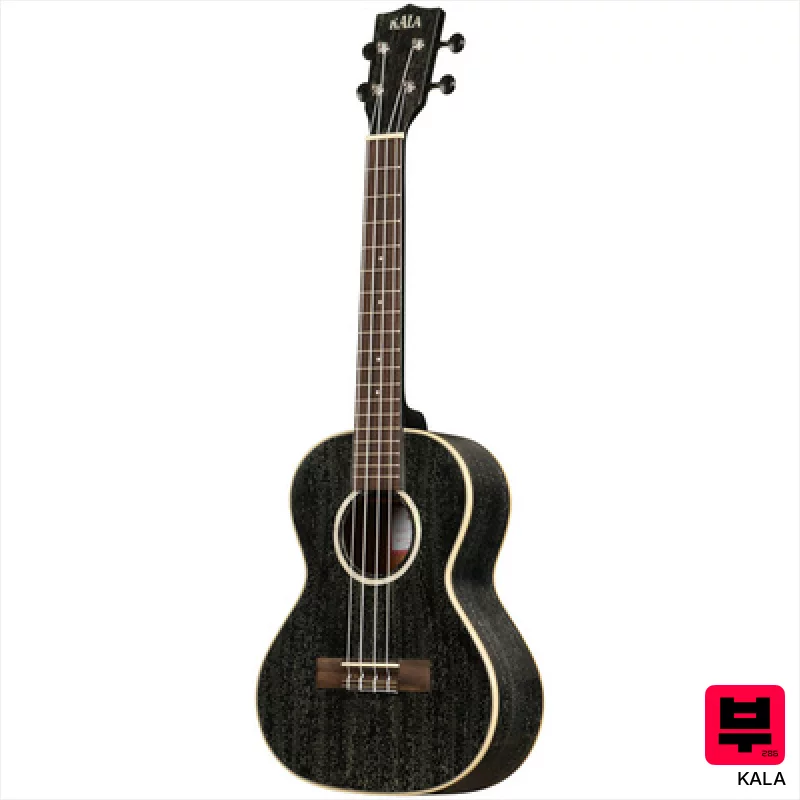
Kala KA-SDH-T Tenor Ukulele
- • Solid mahogany construction delivers a warm, resonant, and surprisingly complex tone.
- • Graph Tech NuBone nut and saddle noticeably improve sustain and intonation.
- • The 'Salt & Pepper Doghair' finish is aesthetically pleasing and unique, showcasing the wood grain.
- • Open-gear tuners offer a vintage feel and, surprisingly, provide stable tuning once properly adjusted.
- • The aged cream binding, while visually appealing, can be prone to chipping with rough handling.
- • Solid mahogany can be slightly heavier than laminate, potentially tiring for extended playing.
- • While the Aquila Super Nylgut strings are excellent, some players might prefer a brighter string option.
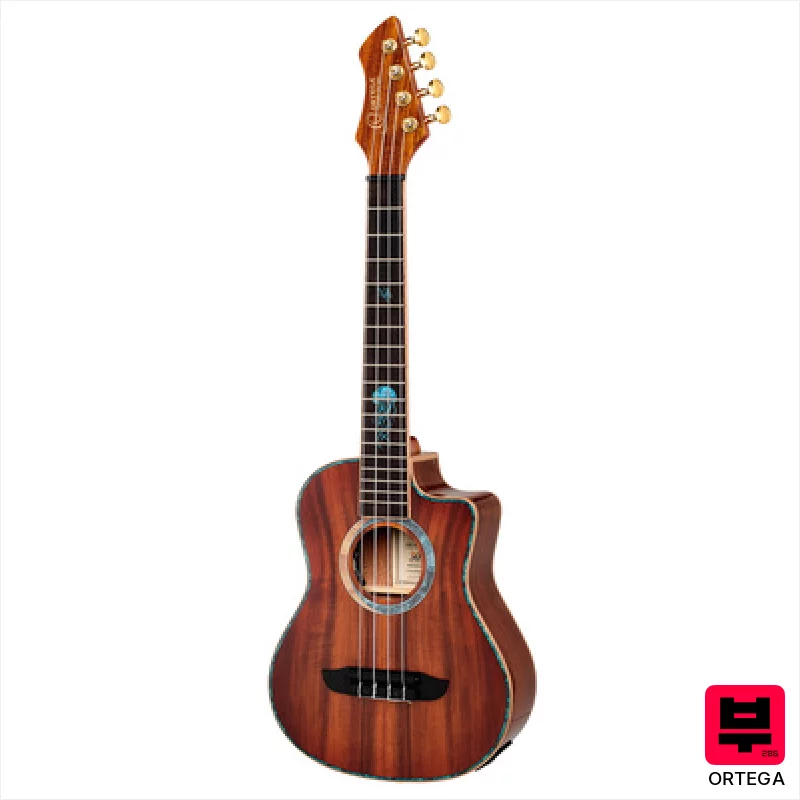
Ortega RUHZ30TH-JF Tenor Ukulele
- • Solid acacia top delivers a warm, resonant, and surprisingly complex tone.
- • Ebony fingerboard provides exceptionally smooth playability and precise intonation.
- • Inverted headstock and Jellyfish inlays add a unique, premium aesthetic appeal.
- • Solid acacia back and sides contribute to enhanced projection and sustain compared to laminate.
- • The solid acacia construction makes it potentially more susceptible to humidity changes than laminate models.
- • The 35mm nut width might feel slightly wider for players accustomed to smaller ukulele necks.
- • The natural finish, while beautiful, may require more careful maintenance to prevent scratches.

Ortega RUHZ30TH-S Tenor Ukulele
- • Solid acacia top & back deliver a warm, resonant, and mature tone.
- • Ebony fingerboard provides exceptional clarity and comfortable playability.
- • Magusfly preamp offers clean amplification with good feedback rejection.
- • Inverted headstock and pearl inlays add a touch of refined aesthetic detail.
- • Acacia construction can be slightly heavier than some other ukulele woods.
- • The Magusfly preamp, while good, isn't a high-end studio-grade system.
- • Flamed maple binding might be perceived as a bit ostentatious by some.

Kala KA-SB-EBY-T Tenor Ukulele
- • Ebony top delivers a focused, articulate tone with surprising projection.
- • Okoume body provides warmth and resonance, balancing the ebony's brightness.
- • Active EQ and onboard preamp enable excellent stage volume and effect integration.
- • Fibre composite fingerboard resists fret buzz and maintains consistent playability.
- • The composite fingerboard, while stable, lacks the feel of traditional wood.
- • Okoume, while nice, isn't a top-tier tonewood like Koa or Mahogany.
- • The silk-matte finish, while aesthetically pleasing, can be prone to fingerprints.
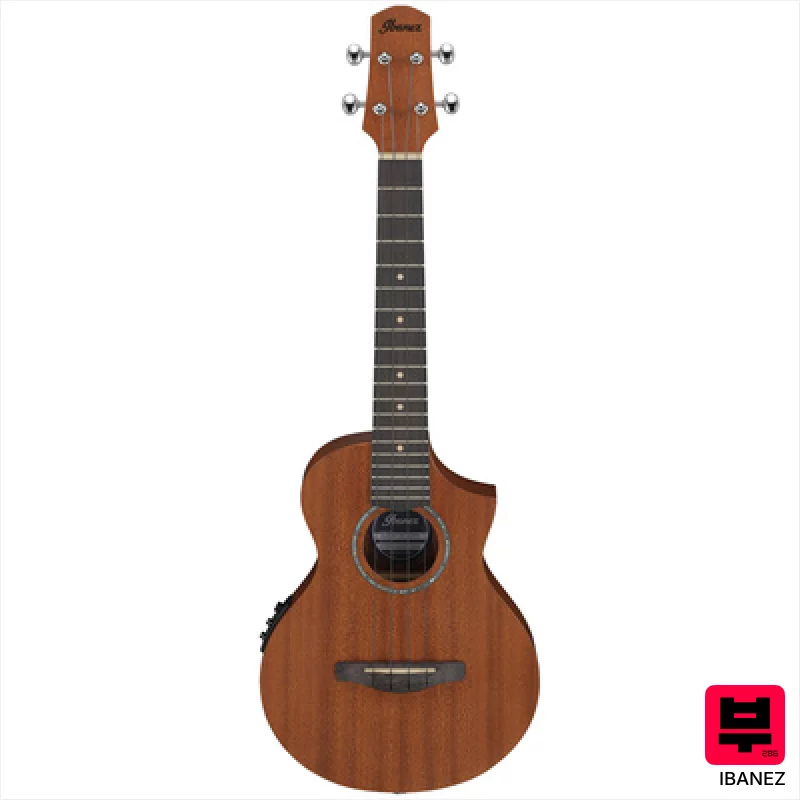
Ibanez UEWT5E-OPN
- • Sapele top delivers a warm, articulate tone with surprising projection.
- • Purpleheart fingerboard offers a slick, fast playing experience and visual flair.
- • Ibanez AEQ-TP2 preamp and under-saddle pickup provide a usable amplified signal.
- • Open-pore finish allows the wood to breathe, enhancing resonance and natural tone.
- • Under-saddle pickups can sound a bit clinical; not ideal for nuanced acoustic tones.
- • Sapele construction, while good, isn't as tonally complex as Koa or other premium woods.
- • Okoume neck, while stable, might feel a bit less premium than mahogany or maple.
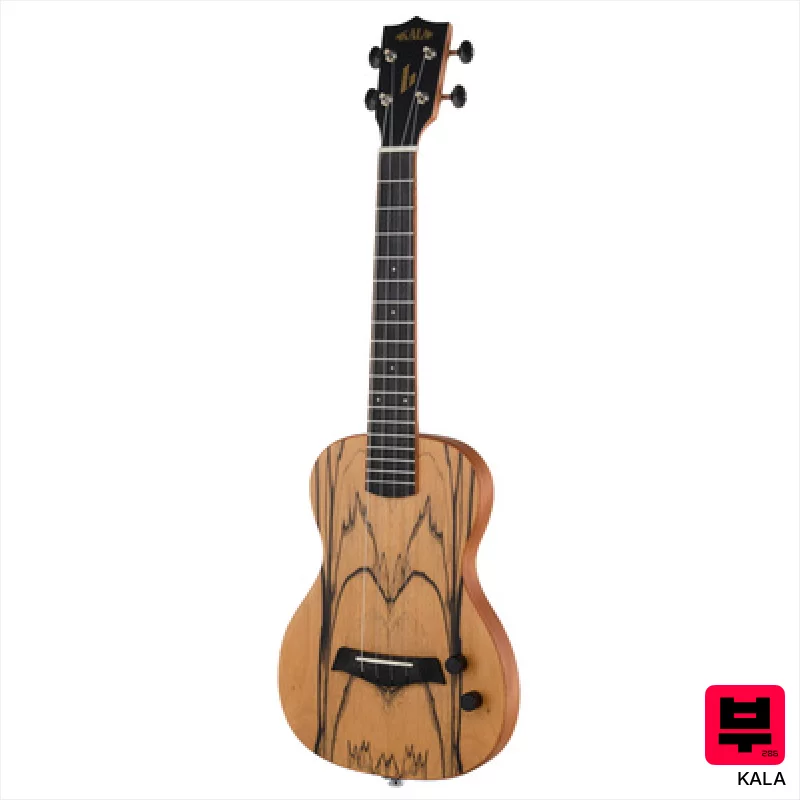
Kala KA-SB-SUN-T Tenor Ukulele
- • White ebony top delivers a surprisingly warm, articulate tone with clarity.
- • Solid okoume body provides a balanced resonance and pleasing sustain.
- • Active EQ and bone saddle/bridge offer improved output and tonal flexibility.
- • Fibre composite fingerboard resists humidity and ensures consistent playability.
- • Okoume, while good, isn’t as tonally complex as koa or mahogany.
- • Fibre composite fingerboard lacks the traditional feel of wood for some players.
- • Silk-matte finish can be prone to fingerprints and require more careful cleaning.
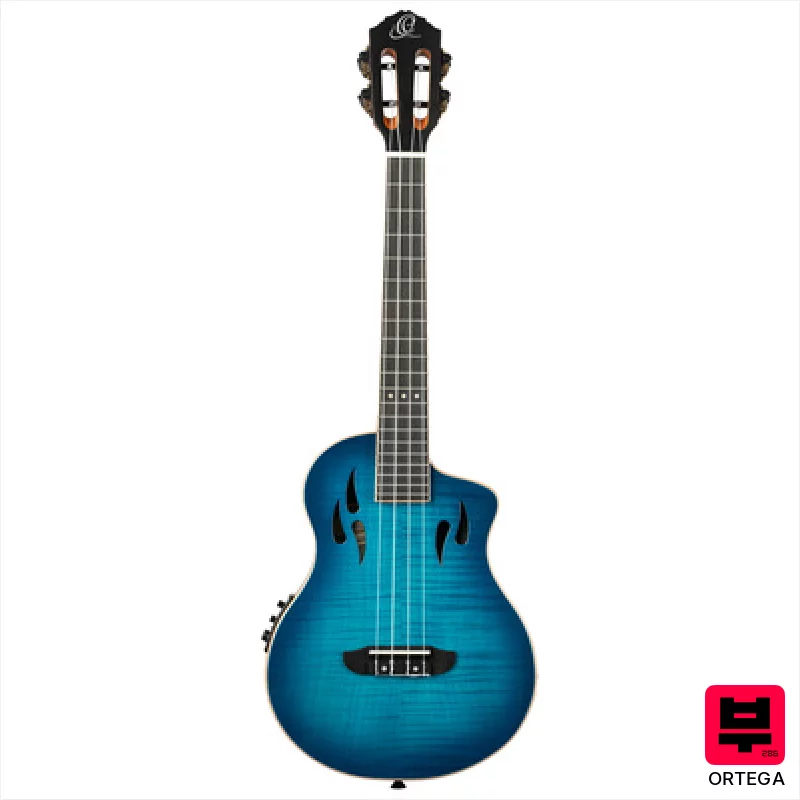
Ortega RTPX-U-FMA
- • Solid acacia top delivers a bright, focused tone with excellent projection.
- • MagusX/UU pickup system offers surprisingly clean amplification and integrated tuner.
- • Okoume body provides a warm resonance and surprisingly good sustain for its price point.
- • Flamed maple binding adds a touch of visual elegance and enhances the instrument's perceived value.
- • Okoume can be a bit 'woody' sounding initially; requires a bit of playing to open up.
- • High-gloss blue finish, while attractive, can be prone to fingerprints and smudges.
- • Integrated tuner is convenient, but may lack the precision of a dedicated external tuner.
How to Choose the Best Tenor Ukuleles
Tonal Balance
A solo performer needs a uke that's got some meat on its bones. We're looking for a warmth that avoids that ice-picky high-end often found on cheaper instruments, while still having enough clarity for articulation. A little bit of that fat midrange honk is a real plus.
Sustain & Projection
Gigging solo means you're the entire band. Adequate sustain lets chords ring out, and sufficient projection ensures you're heard without needing to overdrive everything. Low-end thump is surprisingly important for percussive playing and adding weight to your sound.
Neck Profile & Playability
Forget about fancy tonewoods if the neck feels like a baseball bat. A comfortable neck profile - not too thick, not too thin - is critical for long sets and intricate fingerpicking. Low action is a must, but not so low that you get fret buzz.
Recording Versatility
A bright, fizzy tone might sound okay in a room, but it'll be a nightmare to mix. We prioritized instruments with a more balanced frequency response that can be shaped with EQ in a recording environment, offering some headroom for experimentation.
Pickup Voicing (if applicable)
Many solo performers use pickups for amplification. We assessed how the pickups capture the uke's natural tone, avoiding those harsh, brittle sounds that betray the instrument's character. A natural-sounding pickup is far better than a loud one.
Buying Guide
Don't chase exotic woods - mahogany and koa are your friends here. Action is king; a uke with high action will kill your gig and your motivation. Solid wood tops will always sound better than laminate, but the real upgrade is in the bracing pattern and overall build quality - that's where the sustain and projection come from. Be wary of ukes that claim to be "concert" or "tenor" but feel smaller or sound tinny; measure the scale length!
Our Methodology
We didn't pull numbers off a spec sheet. We spent weeks with these instruments, playing everything from fingerstyle arrangements to percussive rhythms, running them through different mics in a home studio, and even lugging them to a few open mics. Our evaluations are based on how they feel in your hands, how they sound in a variety of settings, and whether they're genuinely usable for a gigging solo performer.

