AudioFu Chart · October 2026
Best Tenor Trombones Under $300 2026
The top pick is pBone music pBone Green ($159). Startone SSL-45 Bb-Tenor Trombone leads the high end. Ranked by the AudioFu Index from 4 models across 2 brands, prices checked every night.
Last updated: October 20, 2026
Top 4
Full detail for the 4 highest AudioFu Index scores. Every other model is listed below.
-
- Size8"
The pBone Green is a fantastic entry point for students or anyone wanting a trombone without the investment or maintenance of a traditional brass model. The plastic build makes it incredibly robust and easy to handle, and the bright tone cuts through well. It's a solid choice for beginner band or casual music-making, though serious players will eventually outgrow its limitations.
Pros
- Durable ABS plastic construction withstands student handling and travel.
- Fiberglass slide offers surprisingly smooth action for a plastic instrument.
- Lightweight at 800g, making it comfortable for younger or less experienced players.
Cons
- ABS plastic inherently lacks the tonal resonance of brass, impacting richness.
- Fiberglass slide, while smooth, isn't as precise as a metal slide.
55AudioFu
IndexStableno change since Aug 17Aug 17$159 now$159€142 at Thomann · in stockCheck price ↗ -
This Startone trombone is a fantastic entry point for students or players on a tight budget. The ABS construction keeps it incredibly light and easy to manage, while the Bb/F keys provide a surprising amount of flexibility. It’s a great practice instrument, but don’t expect the same resonance as a higher-end brass model.
Pros
- Lightweight ABS construction makes it very easy to handle
- Bb/F configuration expands range and versatility for players
- Includes a soft gig bag for convenient transport and storage
Cons
- ABS plastic won't offer the tonal complexity of brass
- Mouthpiece quality is likely basic, may need upgrading later
45AudioFu
IndexStableno change since Aug 17Aug 17$156 now$156€139 at Thomann · in stockCheck price ↗ -
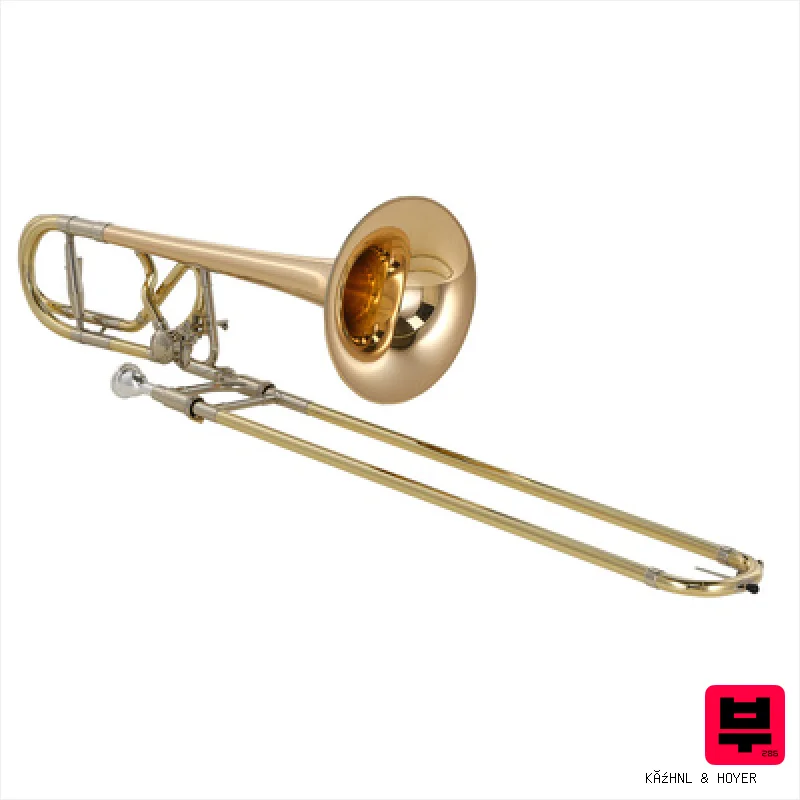
The Startone SSL-45 is a surprisingly capable student-level trombone. Its brass construction gives it a decent tone, and the ML bore makes it manageable for players transitioning from smaller horns. It's a great starting point for young players or those on a budget looking for a functional instrument.
Pros
- Solid brass body provides a warm, resonant tonal foundation
- ML bore offers a comfortable, responsive feel for intermediate players
- 205mm bell projects sound effectively without being overly bright
Cons
- Lacquered finish may be prone to wear with heavy use and less-than-ideal care
- Entry-level mouthpiece will likely need upgrading for serious playing
38AudioFu
IndexStableno change since Aug 17Aug 17$212 now$212€189 at Thomann · in stockCheck price ↗ -
This Startone trombone is a great entry point for students or players wanting a lightweight, portable instrument. The ABS construction keeps it incredibly light and easy to maneuver, but don't expect the warmth and richness of a brass horn—it's best suited for simpler jazz and practice routines.
Pros
- Lightweight ABS plastic construction makes it very easy to handle
- Dual bore design offers a surprisingly responsive and flexible sound
- Dark blue finish is visually appealing and distinct
Cons
- ABS plastic won't offer the resonance of brass, limiting tonal complexity
- Plastic slide may exhibit increased friction and require more frequent maintenance
32AudioFu
IndexStableno change since Aug 17Aug 17$129 now$129€115 at Thomann · in stockCheck price ↗
Tenor Trombones by the numbers
Measured across all 15 models we track, not a sample.
Median $159 — half of all tenor trombones here cost less.
median of 8 models · 8"–8"
How to choose the best tenor trombones
Material
Most horns in this price range will be brass-plated, often with a nickel silver or copper outer layer. Full brass is rare, and that's fine - the plating is what impacts the sound. Expect a slightly darker, warmer tone with a copper finish, and a brighter, more projecting sound with nickel silver. Don't chase full brass; it's not worth the extra cost at this level.
Valve Slide
The valve slide is where a lot of cheap horns fall apart. Look for a slide that moves freely and doesn't stick. A poorly lubricated or ill-fitting slide will kill your intonation and your enjoyment. Expect to clean and oil it regularly.
Action & Response
A higher action (the distance between the mouthpiece and the valve casing) will feel stiff and require more air. Ideally, you want something playable without being a workout. Response refers to how quickly the horn reacts to your breath - a sluggish response makes articulation muddy.
Bell Diameter
A larger bell (around 2.75 inches) generally projects better and offers more low-end thump. Smaller bells are more compact but can get lost in a loud mix. This is a balancing act; don't expect a massive sound from a smaller bell.
Finish & Durability
Let's be real - these aren't heirloom instruments. Expect minor cosmetic flaws. The finish is less about aesthetics and more about protecting the brass from corrosion. A thicker, more robust plating will last longer, but it's rarely a guarantee.
Buying guide
Alright, so you need a tenor trombone but your budget's looking tighter than a snare drum head. It's a common situation. You don't want to drop a grand on a Bach, but you also don't want to wrestle a piece of junk that sounds like a strangled goose. Let's break down the best options you can realistically get for under $300, focusing on what you actually need for gigs, rehearsals, and even some decent recording.
At this price point, you're making compromises. Expect a slightly less refined feel, potentially a bit more resistance, and a tone that isn't as complex or nuanced as a higher-end horn. Don't expect the 'fat midrange honk' you hear from a pro-level Bach; it's more of a focused, slightly leaner sound.
Prioritize playability and a decent valve slide over cosmetic perfection - a horn that feels good is always better than a pretty one that's hard to play.
How the AudioFu Index works
Five measured signals and nothing else — no stars from strangers, no “tested by experts” we didn’t do. The weights are fixed and public. We don’t play these instruments; we measure the market around them.
This chart covers 15 tenor trombones from the Thomann catalogue. Before you buy, read hands-on reviews and, where you can, play it. Full methodology.
AudioFu earns a commission when you buy through our Thomann links. It never changes the order — the index does.
- Demand40%
How many of this exact model are for sale on Reverb right now — what musicians actually buy and resell.
- Lineup20%
How many finishes Thomann stocks — makers expand the models that sell.
- Price15%
Where the price has moved since we started tracking in August.
- Specs15%
How completely the maker documents it.
- Maker10%
How deep the brand’s range is in this category.
Questions
Is a student model from a reputable brand (like Yamaha or Jupiter) better than a cheaper, no-name horn?
Generally, yes. Student models have better QC, more consistent construction, and often better valve slides. The sound might not be dramatically different, but the overall playing experience will be noticeably improved.
Can I record with a trombone in this price range?
Absolutely, but be mindful of its limitations. It'll likely lack the complexity and sustain of a higher-end horn, so mic placement and EQ will be crucial. Don't expect it to magically sound like a $3000 horn.
What about used horns? Are they a good option?
Used horns can be a great value, but you need to know what you're looking at. Check the slide action, look for signs of heavy wear, and be prepared to clean and possibly repair it. A local repair shop can be your best friend here.
What's the deal with different mouthpieces?
The mouthpiece has a huge impact on the sound. Don't cheap out on a decent mouthpiece - it's more important than the horn itself. A standard 12C mouthpiece is a good starting point and will work well across most horns in this price range.
Will this horn cut through a rock band?
It'll be a challenge. You'll need to work your air and articulation, and potentially some EQ boost. Don't expect it to dominate the mix like a pro-level horn, but with some effort, you can definitely be heard.