
Best Summing Mixer for Professional Mixing 2026
Let's be honest, most DAWs do a decent job of summing, but if you're pushing for that last 1-3% of polish - that analog warmth, that glue - a dedicated summing mixer is still a serious tool. It's not about replacing your digital workflow; it's about adding a critical analog stage to give your mixes a certain something. We're not talking about a glorified volume control here; we're talking about a crucial ingredient in crafting a truly professional-sounding record.
Last updated: June 3, 2026 • Next update: June 10, 2026
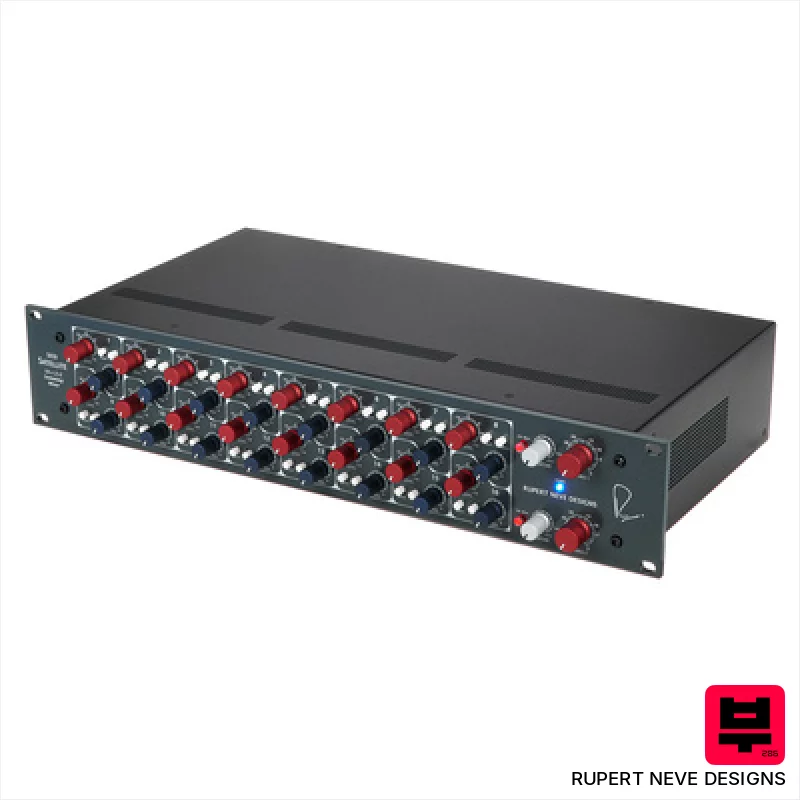
Rupert Neve Designs 5059 Satellite Shelford
- • Neve's Class A discrete circuitry delivers a warm, cohesive sonic signature.
- • The 'Silk' and 'Silk+' options offer nuanced harmonic enhancement.
- • Custom-wound transformers impart a pleasing, vintage-inspired color.
- • Flexible routing simplifies outboard gear integration, expanding creative possibilities.
- • The 2U height and substantial weight make rack mounting a consideration.
- • The price point places it firmly in the premium-priced category.
- • Limited channel count may not suit very large or complex mixes.
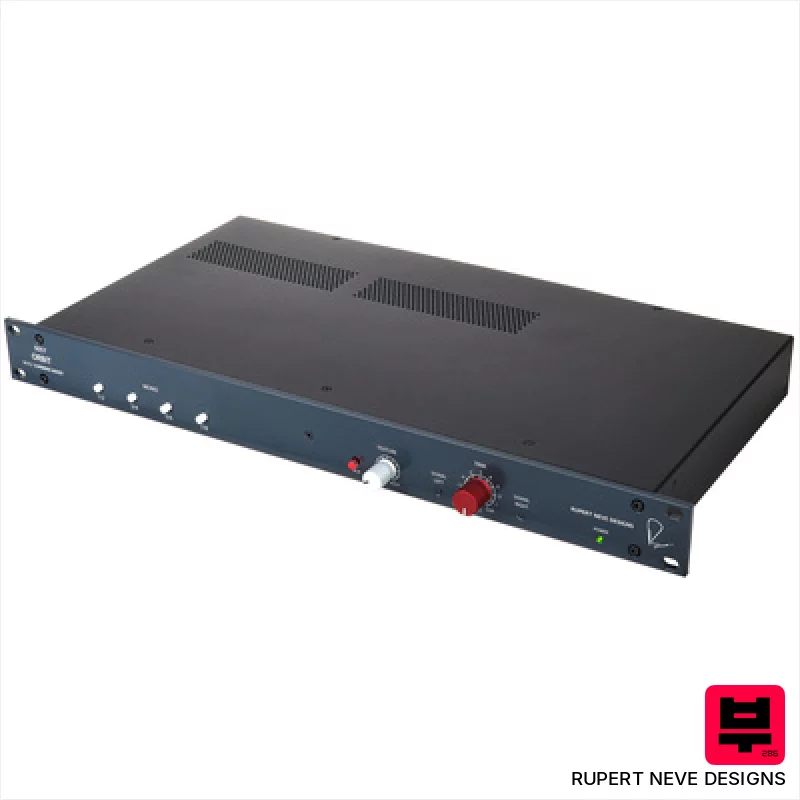
Rupert Neve Designs 5057 Orbit
- • Exceptional clarity and depth due to Rupert Neve's signature Class-A design.
- • Silk/Blue modes offer nuanced tonal shaping, adding subtle character.
- • Ultra-low crosstalk creates a remarkably wide and focused stereo image.
- • Robust construction with quality components ensures long-term reliability.
- • Premium-priced, making it a significant investment for smaller studios.
- • Limited channel count compared to larger summing consoles.
- • Size and weight may pose challenges for portable or space-constrained setups.

Dangerous Music 2 Bus XT
- • Exceptional build quality; robust steel chassis feels incredibly solid.
- • Transformer circuit adds a pleasing warmth and subtle harmonic richness.
- • Coherence circuit offers subtle glue and improved stereo imaging.
- • Flexible routing options with dual mono and expansion capabilities.
- • Premium-priced, a significant investment for smaller studios.
- • Limited channel count compared to some larger summing consoles.
- • 1U height might require careful rack management in some setups.

Dangerous Music 2 Bus+
- • Cinemag transformers deliver a noticeably warmer, richer low-end response
- • Flexible coloration options offer nuanced sonic shaping without harshness
- • Cascadable design provides scalability for larger mixing projects
- • Robust, all-metal construction exudes quality and promises long-term reliability
- • Premium-priced, making it inaccessible for smaller or budget-conscious studios
- • Limited routing flexibility compared to more complex summing consoles
- • The inBLENDin FET limiter is fixed, restricting dynamic control options

Neve 8816 Summing Mixer
- • Classic Neve sound: warmth, depth, and subtle harmonic saturation.
- • Transformer-based outputs deliver that signature Neve 'glue'.
- • Flexible insert routing allows for creative signal processing workflows.
- • Solo In Place functionality is invaluable for tracking and mixing.
- • Premium-priced, a significant investment for smaller studios.
- • 2U rack height might be restrictive in some setups.
- • Limited channel count compared to larger format consoles.

SPL MixDream XP Mk2
- • Class A circuitry delivers a noticeably warmer, more cohesive stereo image.
- • The individually switchable -18dB pads offer excellent headroom management for hot signals.
- • DB25 connectivity streamlines workflow, ideal for complex multi-channel setups.
- • Solid, weighty construction inspires confidence in its long-term durability.
- • Limited to 16 channels; may not suffice for larger, complex mixes.
- • Relatively compact size necessitates careful rack space planning.
- • DB25 connectivity requires compatible interface or adapter, adding potential complexity.
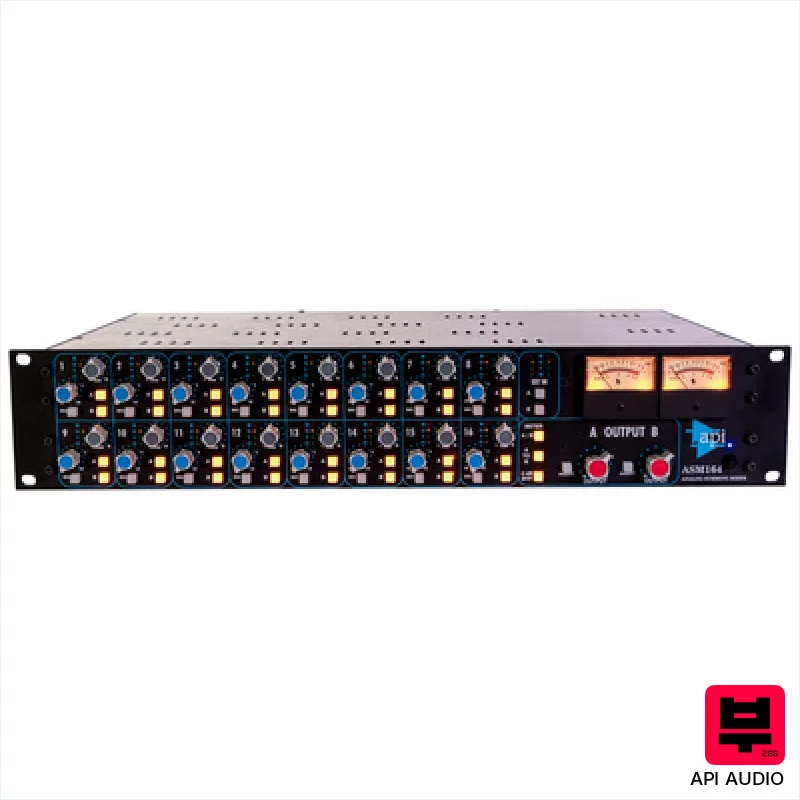
API Audio ASM164
- • API 2510 op-amps deliver signature warmth and punch.
- • Dual Mix-A/B buses offer unparalleled flexibility in routing.
- • Robust 19” rackmount build feels incredibly solid and reliable.
- • Rasterized volume control provides precise, repeatable gain staging.
- • The Sub-D25 connections feel dated and less convenient than XLR.
- • Limited routing options compared to more modern summing solutions.
- • Premium-priced, a significant investment for smaller studios.

Sonifex Redbox RB-SM2
- • Robust steel chassis provides excellent shielding and durability.
- • Sonifex’s Totalizer circuit delivers a pleasing, cohesive low-end response.
- • Discrete analog summing preserves signal integrity and adds subtle warmth.
- • Compact 1U design saves valuable rack space in tight studios.
- • Limited to stereo-to-mono summing; lacks routing flexibility.
- • The XLR connections feel a bit basic for a premium-priced device.
- • No metering beyond the Totalizer LED ladder; requires external metering.

Pokket pokketmixer vol+
- • Compact size makes it supremely portable for mobile recording setups
- • The 'inVol +' feature provides useful gain for quieter sources
- • 3-band EQ offers basic tonal shaping on each channel
- • Includes cables and a case, adding immediate value and convenience
- • Passive design limits headroom and dynamic range significantly
- • 3.5mm connections are fragile and not ideal for professional use
- • EQ is basic, lacking precision for critical mixing tasks
How to Choose the Best Summing Mixer
Tonal Character
This is the big one. Are we talking about a sterile, transparent summing, or something with a discernible color? Some add a subtle warmth, others a pleasing harmonic saturation - it's about finding what complements your tracks and adds that crucial 'vibe'. That fat midrange honk can be a lifesaver on a thin acoustic guitar, while a gentle roll-off of the high-end can tame harsh digital artifacts.
Headroom and Noise Floor
Professional mixes demand serious headroom. Clipping isn't an option, and a noisy summing stack will ruin a pristine recording. We're looking for units that can handle hot signals without introducing unwanted artifacts or hiss - especially when pushing levels for that final master bus.
Channel Features & Routing
Beyond simple summing, consider features like inserts, EQ, panning, and aux sends. The more flexibility you have to shape the sound at the summing stage, the more versatile the mixer becomes - crucial for complex arrangements and creative processing.
Stereo Imaging & Width
A great summing mixer shouldn't just combine channels; it should enhance the stereo image. We're listening for a wider, more immersive soundstage, without sacrificing mono compatibility - a critical factor for playback on various systems.
Build Quality & Reliability
Let's face it, these things aren't cheap. You want something that's going to last, with robust components and solid construction. Cheap components mean a higher risk of failure down the line, especially when dealing with hot signals and long recording sessions.
Buying Guide
Don't fall for the hype. A summing mixer isn't a magic bullet; it's a tool. The best one for you depends on your sonic goals and budget. Be wary of units promising 'vintage' mojo for a fraction of the cost - those are often just colored noise. Spend the money on something with a good reputation and a transparent, clean sound if you want to add subtle warmth, or go for a more characterful option if you're after something bolder.
Our Methodology
We've spent countless hours A/B-ing summing mixers against various DAWs, using them in actual mix sessions across genres - everything from indie rock to electronic music. Our evaluations aren't based on spec sheets; we're listening for how they affect the overall tonal balance, stereo image, and perceived loudness. We've also put these through the ringer in real-world recording scenarios, because a mixer that sounds great in a vacuum might fall apart under pressure.

