
Best Summing Mixer 2026
So you're looking at a summing mixer? Good call. Digital mixing is powerful, but sometimes, you need that analog glue - that subtle warmth and cohesion that just seems to make a mix breathe. It's not about replacing your DAW, it's about taking your digital tracks and giving them a final polish, a certain feel that's hard to replicate in the box. Let's break down what to look for, because not all summing mixers are created equal.
Last updated: September 28, 2026
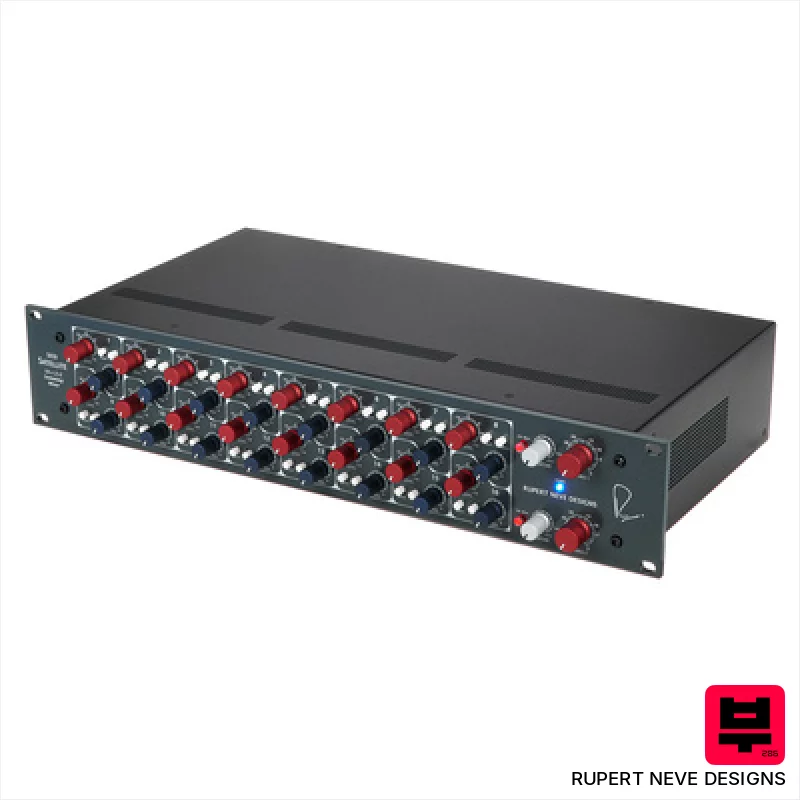
Rupert Neve Designs 5059 Satellite Shelford
- • Neve's Class A discrete circuitry delivers a warm, cohesive sonic signature.
- • The 'Silk' and 'Silk+' options offer nuanced harmonic enhancement.
- • Custom-wound transformers impart a pleasing, vintage-inspired color.
- • Flexible routing simplifies outboard gear integration, expanding creative possibilities.
- • The 2U height and substantial weight make rack mounting a consideration.
- • The price point places it firmly in the premium-priced category.
- • Limited channel count may not suit very large or complex mixes.
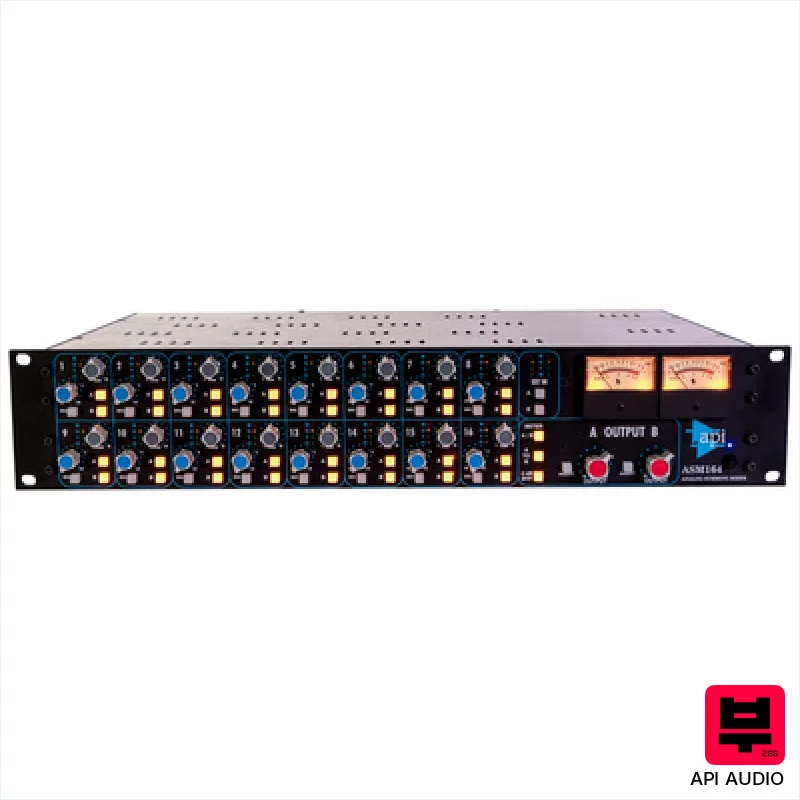
API Audio ASM164
- • API 2510 op-amps deliver signature warmth and punch.
- • Dual Mix-A/B buses offer unparalleled flexibility in routing.
- • Robust 19” rackmount build feels incredibly solid and reliable.
- • Rasterized volume control provides precise, repeatable gain staging.
- • The Sub-D25 connections feel dated and less convenient than XLR.
- • Limited routing options compared to more modern summing solutions.
- • Premium-priced, a significant investment for smaller studios.

Dangerous Music 2 Bus+
- • Cinemag transformers deliver a noticeably warmer, richer low-end response
- • Flexible coloration options offer nuanced sonic shaping without harshness
- • Cascadable design provides scalability for larger mixing projects
- • Robust, all-metal construction exudes quality and promises long-term reliability
- • Premium-priced, making it inaccessible for smaller or budget-conscious studios
- • Limited routing flexibility compared to more complex summing consoles
- • The inBLENDin FET limiter is fixed, restricting dynamic control options
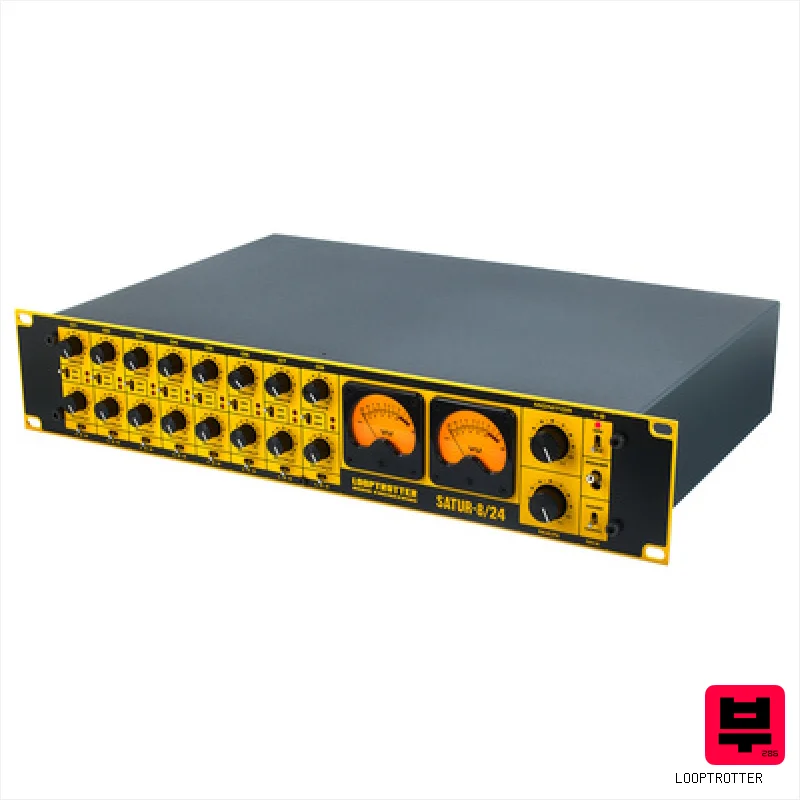
Looptrotter Satur 8/24 Summing Mixer
- • 24 channels let you sum huge mixes cleanly
- • Class A summing ensures warm, high-fidelity output
- • Drive control lets you shape input saturation depth
- • Individual outputs let first 8 channels work as an 8-channel saturator
- • No digital I/O means no direct computer recording
- • THD indicators show 4% and 8% but no specific target
- • Separate monitor and main levels add extra setup steps
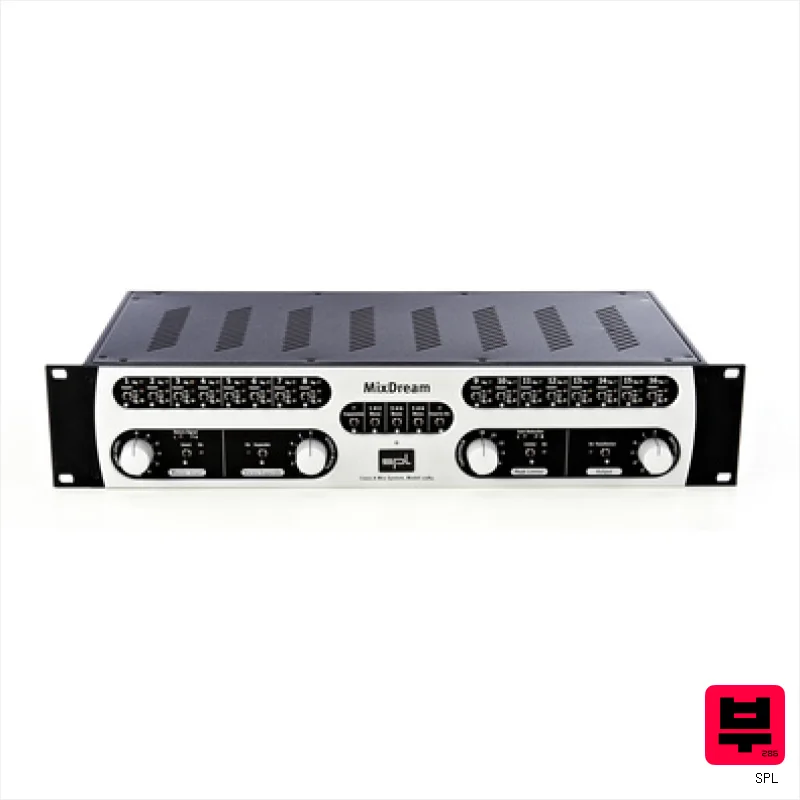
SPL MixDream
- • Keeps full computer automation while mixing tracks.
- • Uses high-quality discrete Class-A analog technology.
- • Delivers extremely low noise at -97 dBu.
- • Can add up to 16 audio tracks to stereo.
- • Lacks traditional faders and panorama controllers.
- • Requires multiple units to sum more than 16 tracks.
- • Weight and specific connection types are not stated.
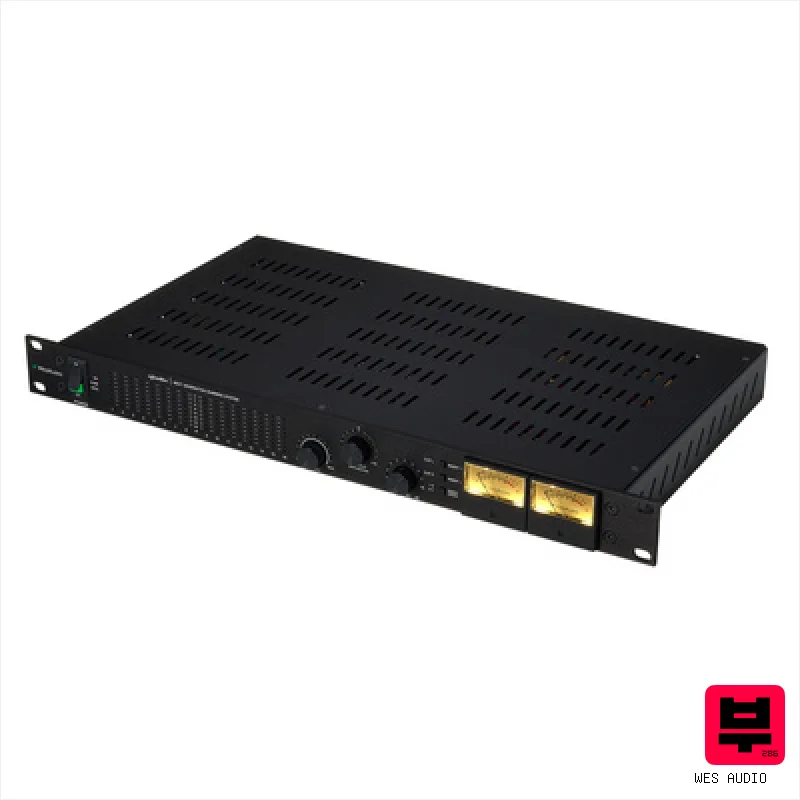
WES Audio ngSumBox
- • Fifteen controllable channels plus two extra stems for flexible routing
- • Variable THD lets you shape the sound on every single channel
- • LCD routing and LED meters give you instant visual feedback
- • MC and HUI support means you can control it with other gear
- • Only two external inputs limits your ability to add more stems
- • No specific power requirements or weight data is provided in the text
- • Limited analog inputs with only two Sub-D25 connections for line sources

Dangerous Music 2 Bus XT
- • Exceptional build quality; robust steel chassis feels incredibly solid.
- • Transformer circuit adds a pleasing warmth and subtle harmonic richness.
- • Coherence circuit offers subtle glue and improved stereo imaging.
- • Flexible routing options with dual mono and expansion capabilities.
- • Premium-priced, a significant investment for smaller studios.
- • Limited channel count compared to some larger summing consoles.
- • 1U height might require careful rack management in some setups.
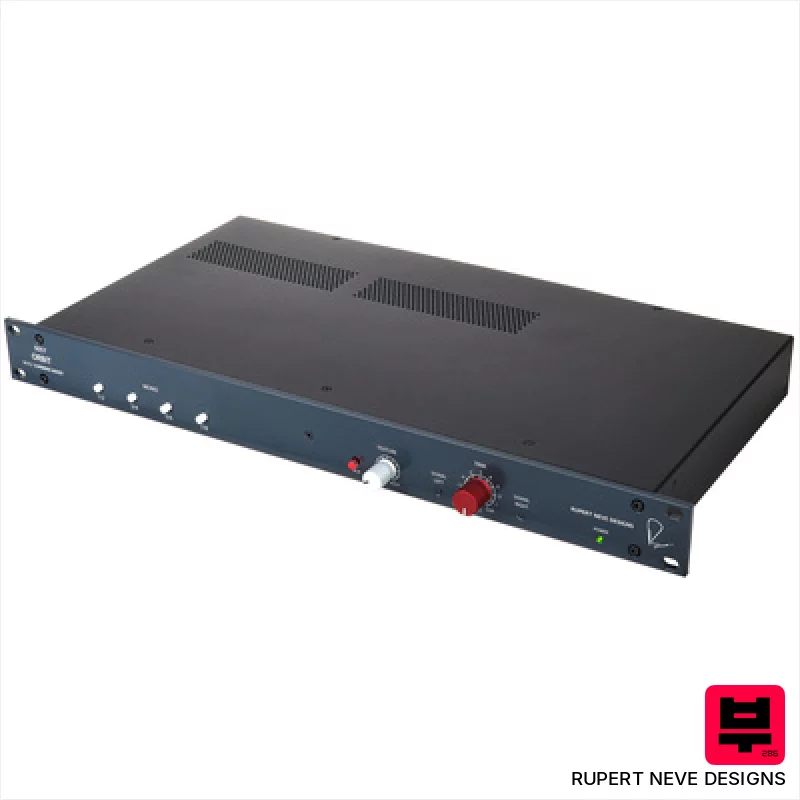
Rupert Neve Designs 5057 Orbit
- • Exceptional clarity and depth due to Rupert Neve's signature Class-A design.
- • Silk/Blue modes offer nuanced tonal shaping, adding subtle character.
- • Ultra-low crosstalk creates a remarkably wide and focused stereo image.
- • Robust construction with quality components ensures long-term reliability.
- • Premium-priced, making it a significant investment for smaller studios.
- • Limited channel count compared to larger summing consoles.
- • Size and weight may pose challenges for portable or space-constrained setups.

SPL MixDream XP Mk2
- • Class A circuitry delivers a noticeably warmer, more cohesive stereo image.
- • The individually switchable -18dB pads offer excellent headroom management for hot signals.
- • DB25 connectivity streamlines workflow, ideal for complex multi-channel setups.
- • Solid, weighty construction inspires confidence in its long-term durability.
- • Limited to 16 channels; may not suffice for larger, complex mixes.
- • Relatively compact size necessitates careful rack space planning.
- • DB25 connectivity requires compatible interface or adapter, adding potential complexity.

Neve 8816 Summing Mixer
- • Classic Neve sound: warmth, depth, and subtle harmonic saturation.
- • Transformer-based outputs deliver that signature Neve 'glue'.
- • Flexible insert routing allows for creative signal processing workflows.
- • Solo In Place functionality is invaluable for tracking and mixing.
- • Premium-priced, a significant investment for smaller studios.
- • 2U rack height might be restrictive in some setups.
- • Limited channel count compared to larger format consoles.
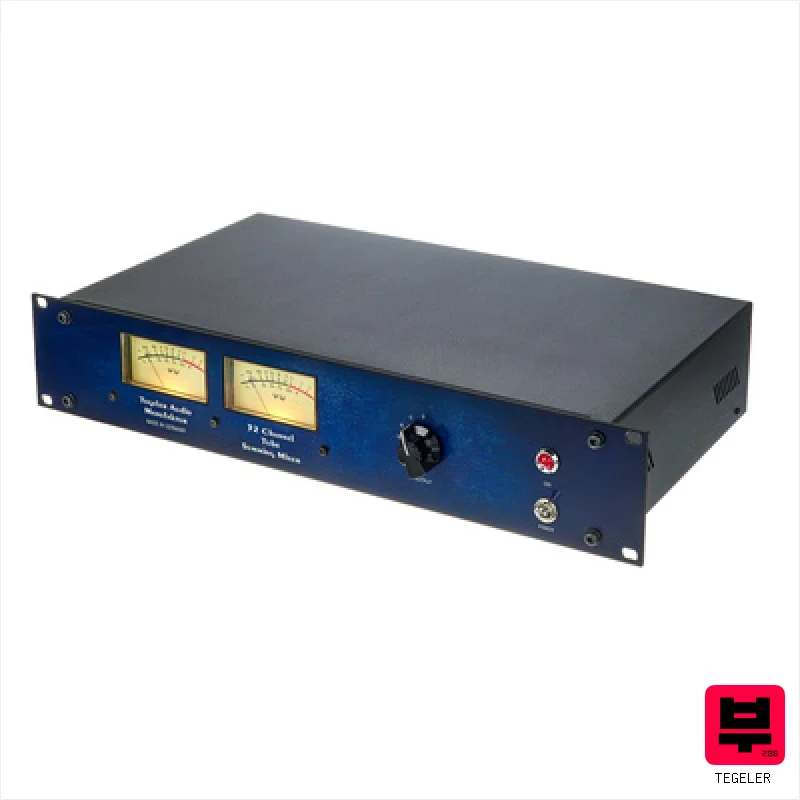
Tegeler TSM Tube Summing Mixer
- • Uses real tubes for warm analog totalizing sound
- • 22 dBu headroom handles loud tracks cleanly
- • 22 balanced inputs plus stereo Neutrik sockets
- • High quality ring core transformer powers unit
- • 2U height makes it hard to fit in small racks
- • No digital or MIDI control options available
- • Manual power supply requires external AC outlet

Sonifex Redbox RB-SM2
- • Robust steel chassis provides excellent shielding and durability.
- • Sonifex’s Totalizer circuit delivers a pleasing, cohesive low-end response.
- • Discrete analog summing preserves signal integrity and adds subtle warmth.
- • Compact 1U design saves valuable rack space in tight studios.
- • Limited to stereo-to-mono summing; lacks routing flexibility.
- • The XLR connections feel a bit basic for a premium-priced device.
- • No metering beyond the Totalizer LED ladder; requires external metering.
Summing Mixer by the numbers
Measured across all 12 models in this category, so «wide», «short» or «expensive» mean something you can check.
How to Choose the Best Summing Mixer
Gain Staging & Headroom
This is HUGE. Cheap summing mixers often clip easily, robbing you of dynamics and adding harshness. You want headroom to play with, to let things breathe, and to avoid that digital-sounding crunch when things get lively - especially when tracking a loud band. A mixer that forces you to run everything at ridiculously low levels isn't doing you any favors.
EQ & Filtering
Some summing mixers have built-in EQ or high-pass filters. While this can be convenient, be wary. Cheap filters can sound muffled or introduce phase issues. If the EQ is there for convenience, it should be subtle and transparent, not a major tonal shaping tool. You want it to clean up, not color.
Noise Floor & Dynamic Range
A low noise floor is essential for a clean, professional sound. It's not just about quietness; it's about preserving the subtle details in your mix. A low dynamic range will compress the life out of your music, squashing the transients and reducing the impact of your low-end thump.
Channel Count & Routing
Think about your workflow. A mixer with too few channels is useless, obviously. But also consider routing options - aux sends, subgroups, inserts. Flexibility is key, especially if you're planning on using it for more than just basic summing.
Transformer Presence (or Lack Thereof)
Some mixers use transformers to impart a certain color or "vintage" vibe. This can be great, but it's also a potential trap. Transformers can add saturation and harmonic distortion, which can sound cool, but can also muddy up a mix if overdone. Transparent summing is still a valid (and often preferred) option.
Buying Guide
Don't fall for the hype. A summing mixer isn't a magic bullet; it's a tool. Spend your money wisely. If you're on a budget, look for used options from reputable brands. Be wary of mixers that promise 'massive' sonic improvements for next to nothing - they're likely cutting corners somewhere, usually in component quality or gain staging. Ultimately, a transparent, well-engineered mixer with good headroom will serve you better than a colored one that's constantly on the verge of clipping.
How This List Is Built
We don't play these instruments — we're a catalog, not a review desk, and we'd rather say so than pretend otherwise. This page covers 12 summing mixer from the Thomann catalogue, which is the largest single source of specification data in this category: 12 in detail, the rest listed with their specifications.
Position is computed, not curated. We parse the manufacturer's own description into actual values — nut width, scale, fret count, fingerboard radius, size, alloy — and rank on them: how many specifications a model has published, how many of them are measurable numbers, and how precisely it meets this page's criterion. A product image adds a little. Price is not a ranking signal: it tells you nothing about whether a neck fits your hand. The same inputs always produce the same order, so nothing here is shuffled to look fresh.
What this list is good for: narrowing a category down to a shortlist by spec and budget. What it isn't: a substitute for hearing an instrument. Before you buy, read hands-on reviews and, where you can, play it. Full methodology.

