
Best Subwoofers for Extended Low Frequency 2026
So, you're chasing that sub-bass rumble, huh? Not just the generic thump, but that felt-in-your-chest low-end that makes your kick drum and 808s genuinely move something. Getting there requires a subwoofer that's built for the job, not just any generic studio monitor extension. This isn't about adding a little more bass; it's about experiencing the full spectrum of low frequencies - and doing it accurately.
Last updated: July 22, 2026 • Next update: July 29, 2026

Kali Audio WS-6.2
- • Dual 6.5” woofers deliver surprisingly tight, controlled low-end response.
- • Horizontally opposed drivers minimize cone interference and room interaction.
- • The XLR output with integrated crossover simplifies integration with existing monitors.
- • Solid build quality with a robust MDF cabinet dampening unwanted resonances.
- • Relatively heavy; placement and transport require careful consideration.
- • Limited frequency extension below 31.5 Hz; not ideal for extreme sub-bass reproduction.
- • RCA input feels a bit like an afterthought on a pro-level subwoofer.
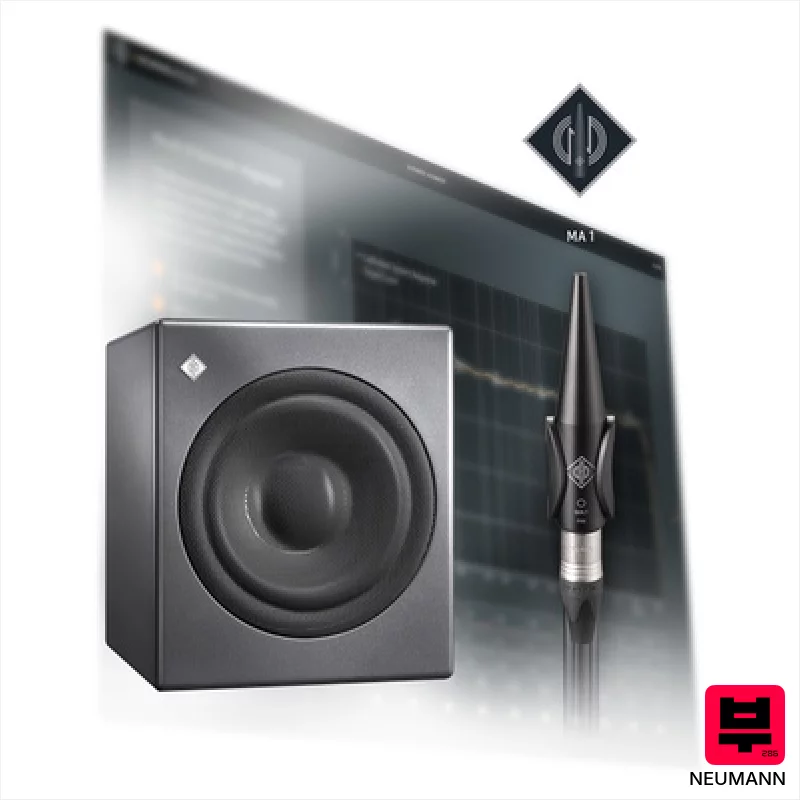
Neumann Monitor Alignment Kit 1
- • Exceptional transient response thanks to the long-excursion woofer.
- • DSP-driven FIR phase correction significantly improves imaging.
- • Automatic calibration simplifies setup and ensures accuracy.
- • LFE modes offer flexibility for various playback scenarios.
- • Requires optional MA 1 for full calibration functionality, adding to cost.
- • Size and weight make placement challenging in smaller spaces.
- • Limited frequency extension beyond 750 Hz necessitates full-range monitors.
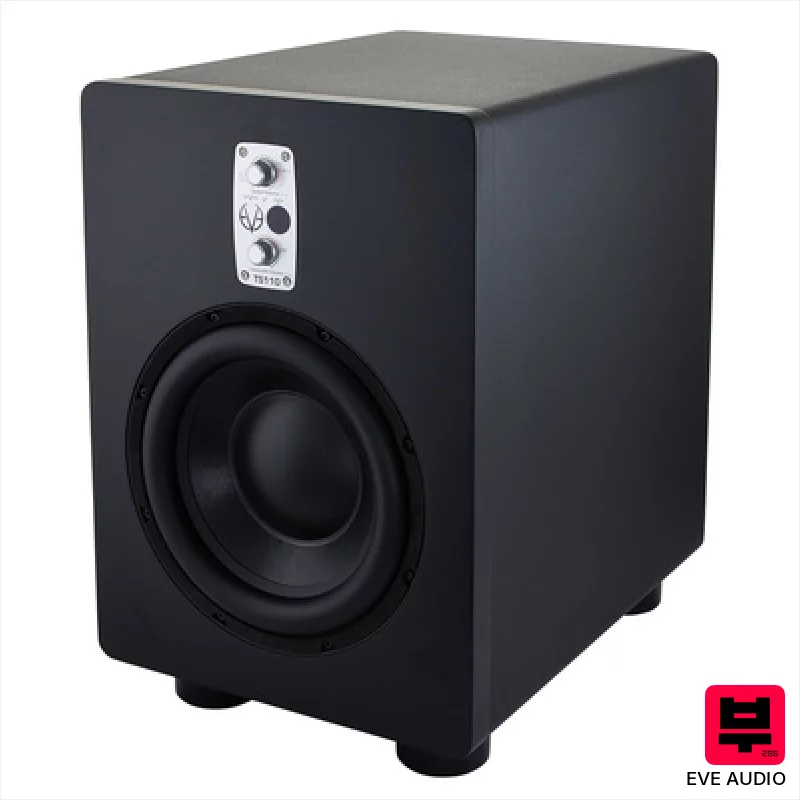
EVE Audio TS110
- • Impressive low-end extension for its size, down to 28Hz.
- • Passive radiator design eliminates annoying port noise.
- • Robust build quality with a substantial, weighty feel.
- • Flexible crossover options offer precise satellite integration.
- • Size and weight make placement a consideration in smaller rooms.
- • Limited versatility for non-critical listening applications.
- • Price point positions it firmly in the premium-priced subwoofer category.

PSI Audio Sub A125-M Studio Black
- • Exceptional transient response for accurate bass reproduction.
- • Class-G amplifier delivers clean power without excessive heat.
- • Magnetically shielded design minimizes interference with sensitive studio equipment.
- • Robust build quality; feels incredibly solid and well-engineered.
- • Relatively compact size limits maximum low-frequency extension compared to larger subs.
- • Price point positions it firmly in the premium-priced studio monitor category.
- • Limited connectivity beyond balanced XLR, lacks some modern options.
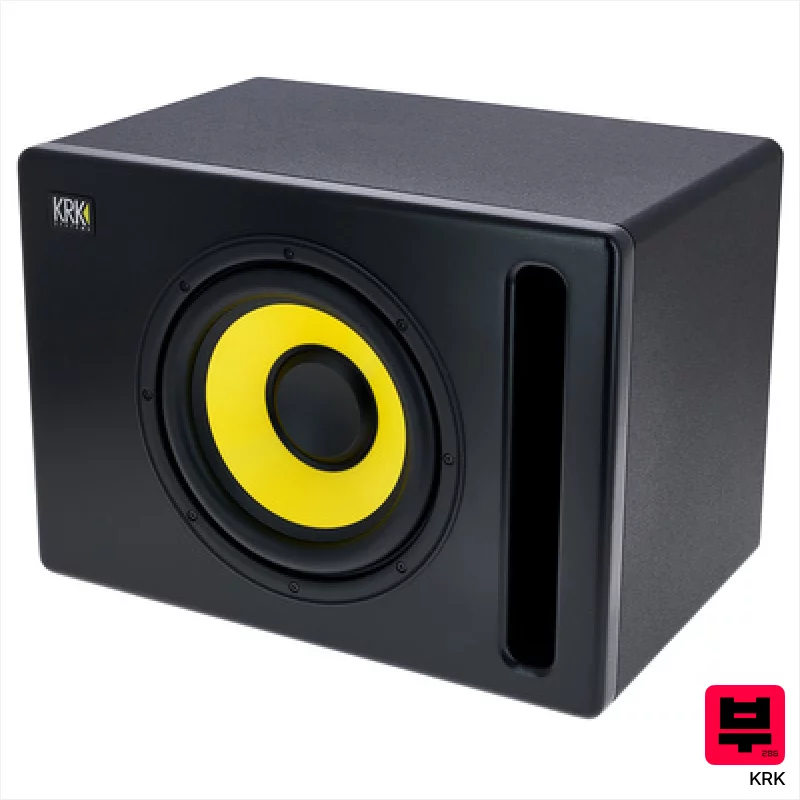
KRK S10G4
- • Glass-aramid composite woofer delivers tight, controlled low-end response.
- • Class D amplifier provides ample power without excessive heat or distortion.
- • Comprehensive connectivity options including XLR and TRS for flexible integration.
- • Adjustable crossover and polarity switches allow for precise system tuning.
- • Can be a bit boomy in smaller, untreated rooms without careful placement.
- • The MDF enclosure, while sturdy, isn't quite as inert as more premium options.
- • Limited low-frequency extension compared to larger, more powerful subwoofers.

Neumann Monitor Alignment Kit 3
- • KH 750 DSP delivers exceptional low-end extension and clarity.
- • FIR phase correction significantly improves imaging with Neumann monitors.
- • Automatic calibration simplifies setup and ensures accurate response.
- • Dual KH 80 DSPs provide a balanced and detailed stereo field.
- • High-end price point makes it inaccessible for many home studios.
- • Requires optional MA 1 for full calibration functionality and benefits.
- • Subwoofer's size and weight can be challenging for smaller rooms.
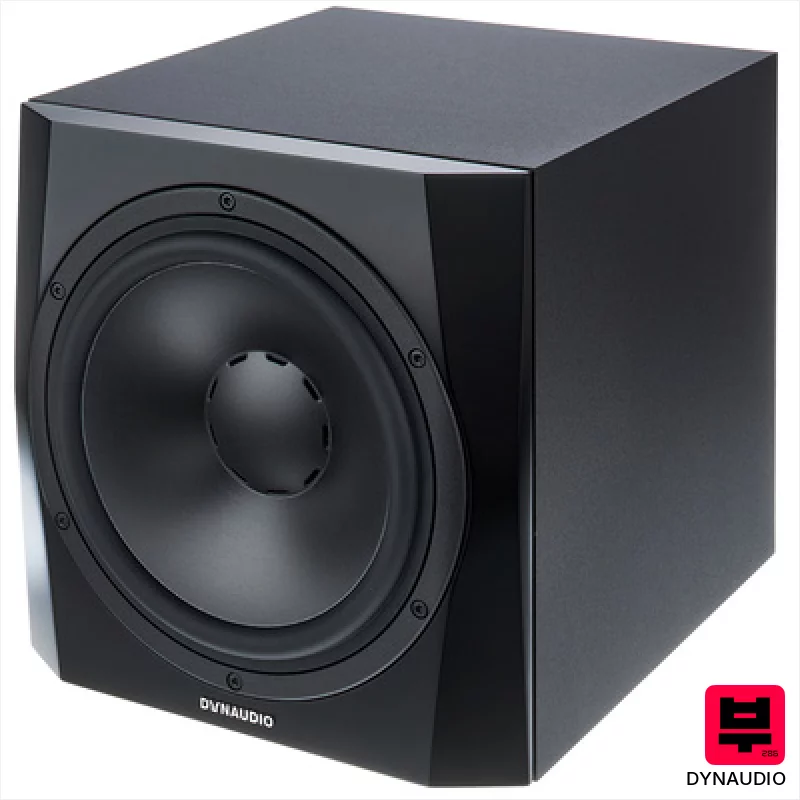
Dynaudio 9S
- • Dynaudio’s signature neutral and detailed sound shines through.
- • Solid build quality with a substantial, well-damped MDF enclosure.
- • Clean, powerful Class-D amplification avoids distortion at higher volumes.
- • SAT output provides flexible integration with existing monitor setups.
- • Limited low-frequency extension compared to larger, more expensive subwoofers.
- • Relatively heavy for studio use, especially in smaller spaces.
- • Lacks advanced room correction features found on some competing models.

Genelec 7380 AP
- • Exceptional transient response for clean, impactful low-end reproduction
- • Flow-optimized bass reflex design minimizes turbulence and maximizes efficiency
- • Sophisticated DSP allows for precise room correction and calibration
- • Robust construction with premium-grade components ensures long-term reliability
- • High-end price point places it out of reach for many home studios
- • Requires GLM Kit or 9320 controller for optimal performance and calibration
- • Significant weight and size necessitate careful placement and planning
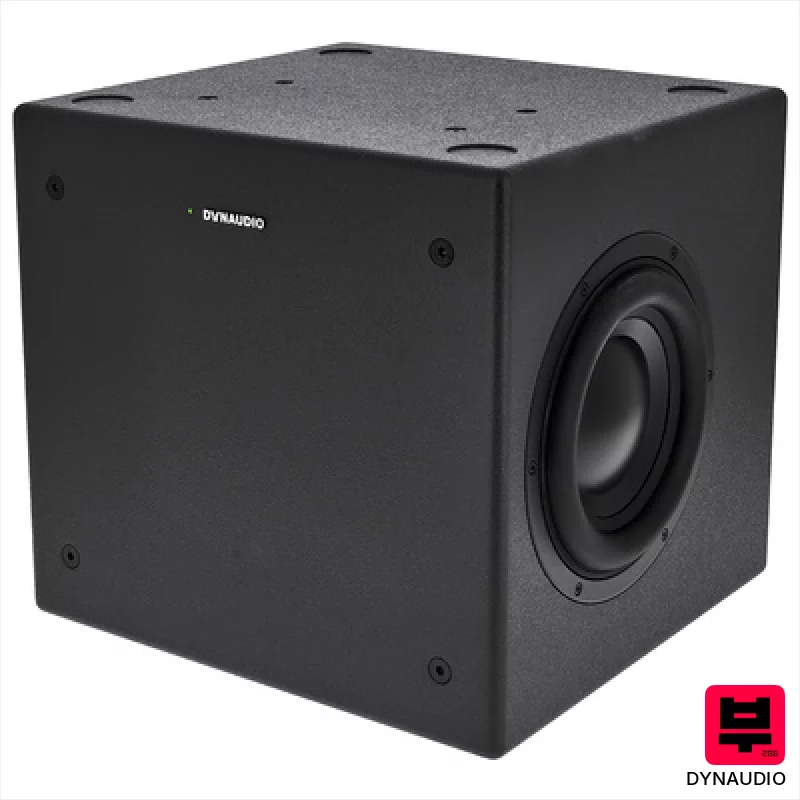
Dynaudio Core Sub Compact
- • Dual 9” woofers deliver tight, controlled low-end extension with impressive headroom.
- • Class-D amplification ensures efficiency and clean power delivery across the frequency spectrum.
- • AES3 digital connectivity offers pristine audio transfer and seamless integration with digital workflows.
- • Solid build quality and Dynaudio’s renowned acoustic design translate to accurate and reliable performance.
- • Its compact size, while advantageous, might limit its impact in very large mixing rooms.
- • Premium-priced, making it a significant investment for smaller studios or hobbyists.
- • Limited analog connectivity; primarily geared towards digital audio production environments.
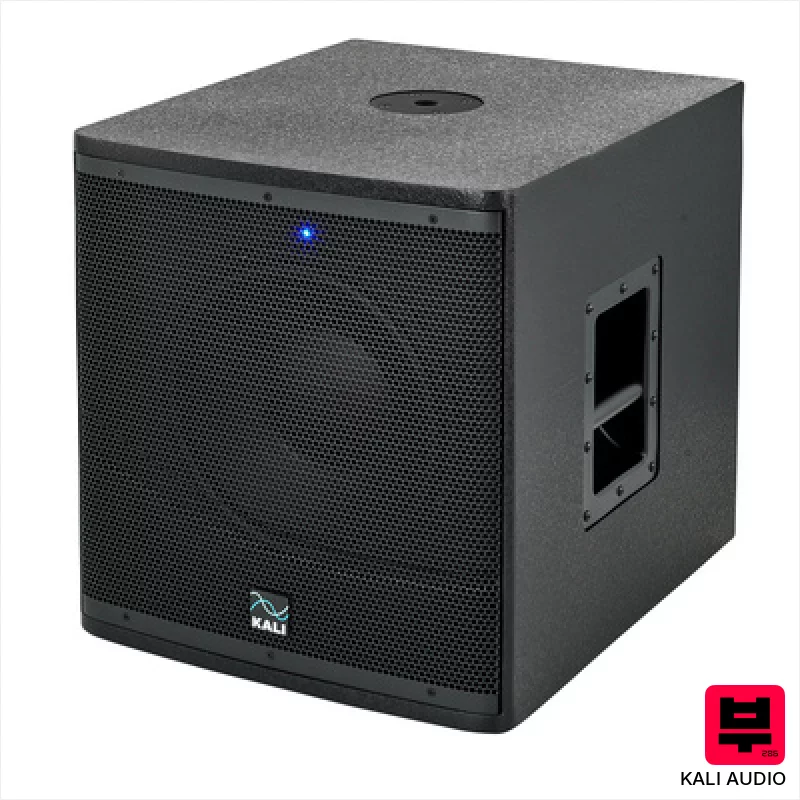
Kali Audio WS-12 V2
- • Excellent transient response for tight, defined low-end reproduction.
- • The bypass footswitch is genuinely useful for quick A/B comparisons.
- • Robust Class D amp ensures reliable power delivery and minimal heat.
- • Discrete crossover frequencies offer precise integration with existing monitors.
- • Size and weight make placement challenging in smaller or crowded spaces.
- • Limited EQ controls; may require external processing for nuanced adjustments.
- • While clean, the sound signature leans towards neutral; lacks inherent 'warmth'.

Genelec 7370 APM
- • Exceptional transient response thanks to the Class-D amplification.
- • Flow-optimized bass reflex design delivers clean, extended low-end.
- • Sophisticated GLM integration allows precise room correction.
- • Robust build quality; Genelec’s signature durability and reliability.
- • High-end price point makes it a significant investment.
- • Requires GLM software for optimal calibration, adding complexity.
- • Size and weight necessitate careful placement and handling.
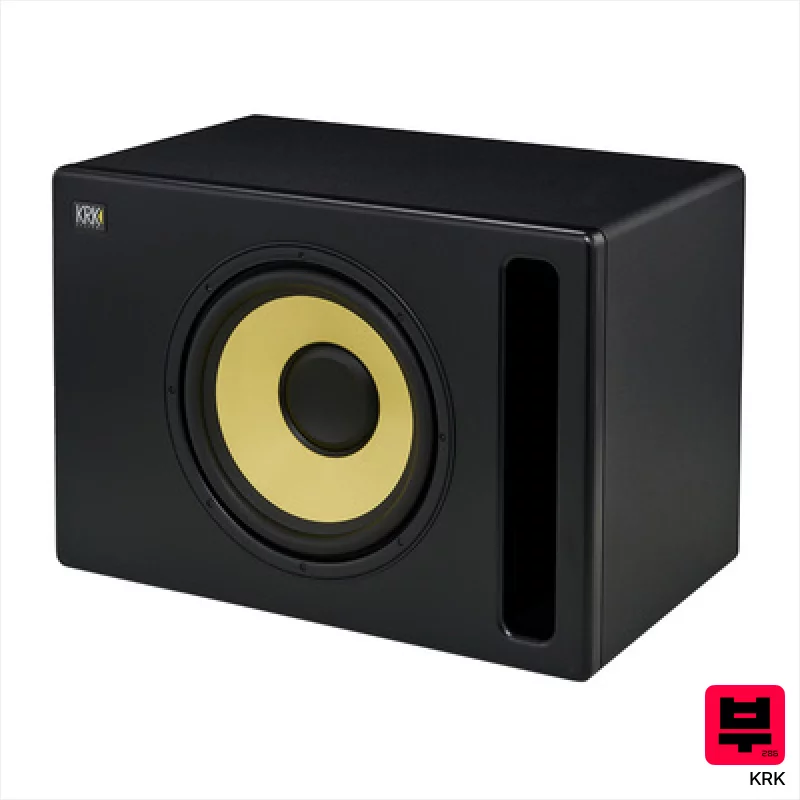
KRK S12G4
- • Glass-aramid composite woofer delivers tight, controlled low-end response.
- • Class D amplifier provides ample power without excessive heat or noise.
- • Adjustable crossover allows seamless integration with existing monitor setup.
- • Robust MDF construction minimizes resonance and provides a stable platform.
- • Bass can be slightly boomy in untreated rooms, requiring careful placement.
- • Size and weight make it less suitable for smaller, mobile setups.
- • Limited EQ controls beyond the basic switches; lacks more advanced shaping.

Neumann KH 750 DSP AES67
- • Ultra Long Excursion woofer delivers impactful, controlled low-end response.
- • AES67/ST-2100 capability provides unparalleled flexibility in networked audio environments.
- • FIR phase correction optimizes performance with Neumann's analogue monitors, improving clarity.
- • Robust NMOS technology ensures reliable detection and seamless network management.
- • High-end price point puts it out of reach for many home recording setups.
- • Weight necessitates careful handling and a sturdy placement solution.
- • AES67 functionality requires compatible network infrastructure, adding complexity.
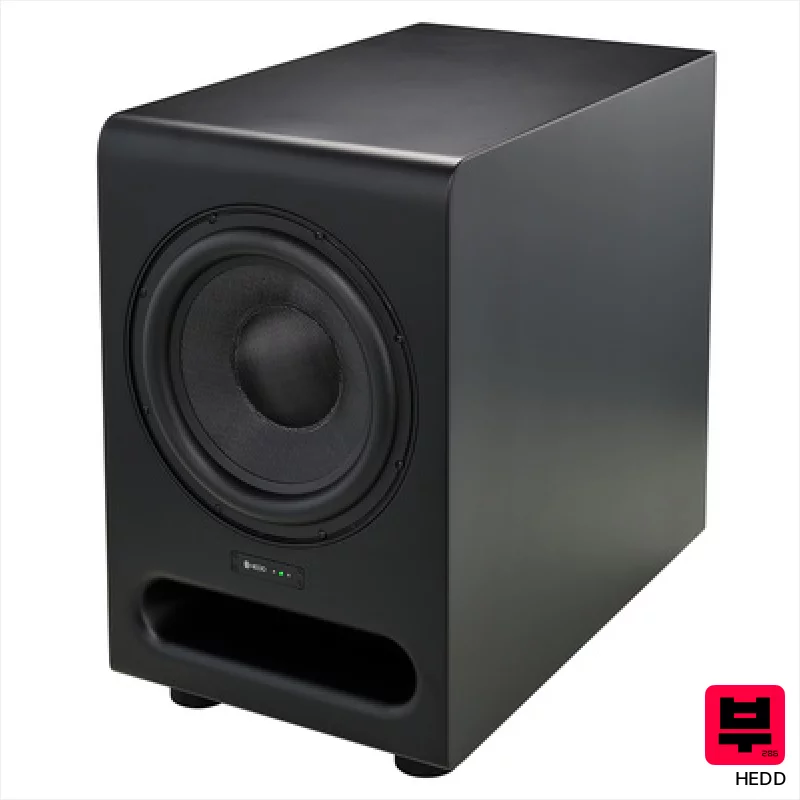
HEDD Bass 12
- • The HEDD CoP system offers remarkable flexibility in room integration and bass response.
- • 700W of power delivers serious headroom and clean, articulate low-end reproduction.
- • DSP linearisation minimizes distortion, resulting in a remarkably transparent and accurate sound.
- • Robust construction with quality components ensures longevity and minimal resonance.
- • The substantial weight makes placement and transport a two-person job.
- • The premium-priced tag puts it out of reach for many home recording setups.
- • Limited high-frequency extension restricts its usefulness as a full-range monitoring solution.
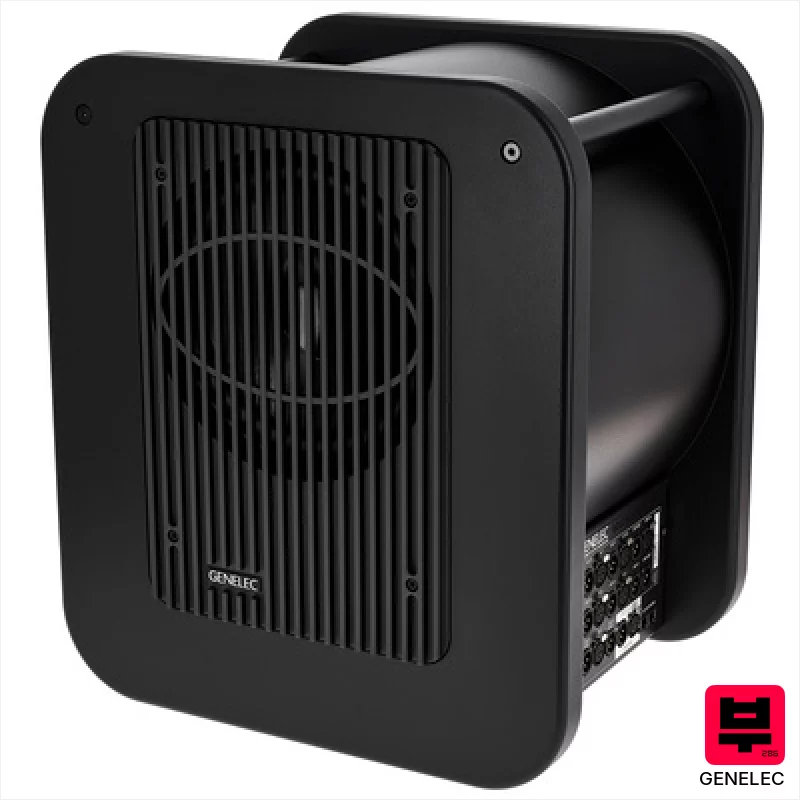
Genelec 7360 APM
- • Exceptional transient response for accurate low-frequency detail.
- • Genelec’s GLM integration offers unparalleled room correction capabilities.
- • Robust Class-D amplifier delivers clean, powerful bass reproduction.
- • The compact size belies a significant and controlled low-end presence.
- • Requires GLM calibration for optimal performance; adds to overall investment.
- • Limited frequency extension below 30Hz, not ideal for extreme sub-bass applications.
- • The design, while functional, lacks a certain aesthetic flair.
How to Choose the Best Subwoofers
Driver Size & Material
Bigger isn't always better, but a larger driver (15" or greater) generally gives you more cone area for moving that air at low frequencies. Material matters too - Kevlar or treated paper often provide a more natural, less plasticky sound than cheaper polypropylene.
Frequency Response & Extension
Obviously, you want that low-end extension, but look beyond the numbers. A spec that says 20Hz doesn't mean it sounds like 20Hz. We're after smooth, usable response down to the extremes, without excessive peaks or dips.
Amplification & Headroom
Extended low frequencies demand serious power. Weak amplification will just compress and distort, losing all that detail. You need headroom to handle dynamic peaks without clipping or sounding thin.
Port Design & Tuning
Sealed cabinets offer tighter, more controlled bass, while ported designs can deliver more output at the expense of some precision. The tuning frequency needs to match your monitors and genre - too high, and you'll miss the sub-bass; too low, and it'll be a muddy mess.
Transient Response & Clarity
It's easy for subwoofers to turn into blurry blobs of low-end. We're looking for a subwoofer that can articulate individual bass notes and deliver tight, punchy transients - even when the levels are cranked.
Buying Guide
Don't fall for the 'more watts = better bass' trap. A well-designed 1000W sub with a decent driver will often outperform a poorly designed 2000W beast. Pay attention to driver quality - that's where a lot of corners get cut. And remember, subwoofers are often the weakest link in a system; don't cheap out on this part of your monitoring chain.
Our Methodology
We're not looking at spec sheets here. We've spent countless hours A/B'ing these subwoofers with a variety of studio monitors, running them through everything from electronic music production to tracking live drums and bass. We're listening for accuracy, transient response, and how they integrate into a full mix - because a subwoofer that sounds good solo isn't worth a damn if it muddies up your tracks.

