
Best Subwoofers for Electronic Music Production 2026
Let's be honest, your nearfields are only telling half the story when you're crafting electronic music. That sub-bass wobble, the kick drum's fundamental, the sheer weight of a synth pad - you need to feel it, not just hear it. Picking the right subwoofer isn't about specs; it's about translating your vision from your brain to the room, and that takes careful consideration. This is about finding that low-end foundation that'll make your tracks hit harder, both on headphones and blasting through a club sound system.
Last updated: July 22, 2026 • Next update: July 29, 2026

Kali Audio WS-6.2
- • Dual 6.5” woofers deliver surprisingly tight, controlled low-end response.
- • Horizontally opposed drivers minimize cone interference and room interaction.
- • The XLR output with integrated crossover simplifies integration with existing monitors.
- • Solid build quality with a robust MDF cabinet dampening unwanted resonances.
- • Relatively heavy; placement and transport require careful consideration.
- • Limited frequency extension below 31.5 Hz; not ideal for extreme sub-bass reproduction.
- • RCA input feels a bit like an afterthought on a pro-level subwoofer.
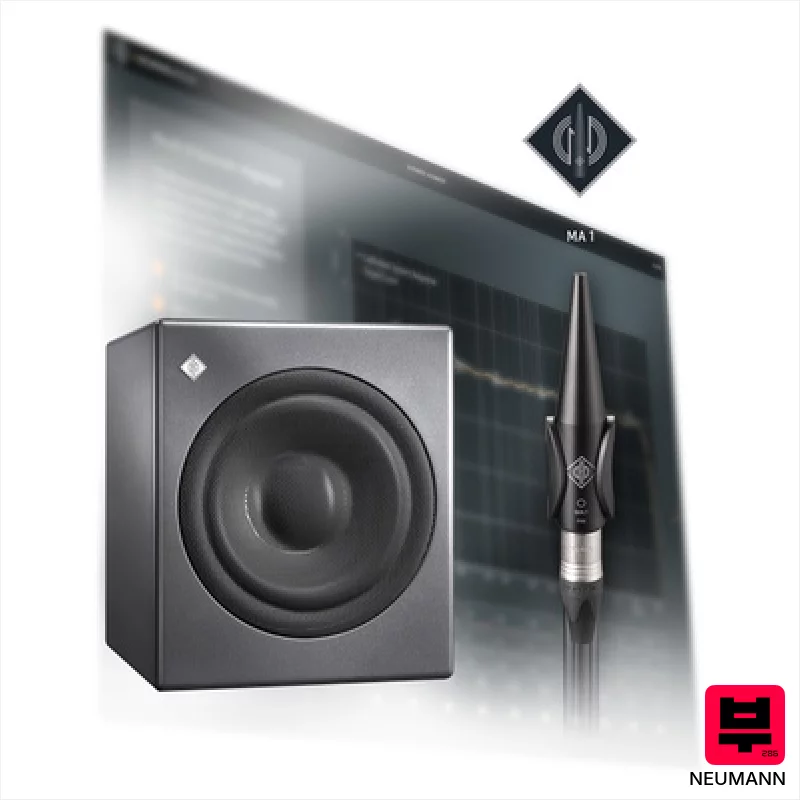
Neumann Monitor Alignment Kit 1
- • Exceptional transient response thanks to the long-excursion woofer.
- • DSP-driven FIR phase correction significantly improves imaging.
- • Automatic calibration simplifies setup and ensures accuracy.
- • LFE modes offer flexibility for various playback scenarios.
- • Requires optional MA 1 for full calibration functionality, adding to cost.
- • Size and weight make placement challenging in smaller spaces.
- • Limited frequency extension beyond 750 Hz necessitates full-range monitors.

PSI Audio Sub A125-M Studio Black
- • Exceptional transient response for accurate bass reproduction.
- • Class-G amplifier delivers clean power without excessive heat.
- • Magnetically shielded design minimizes interference with sensitive studio equipment.
- • Robust build quality; feels incredibly solid and well-engineered.
- • Relatively compact size limits maximum low-frequency extension compared to larger subs.
- • Price point positions it firmly in the premium-priced studio monitor category.
- • Limited connectivity beyond balanced XLR, lacks some modern options.
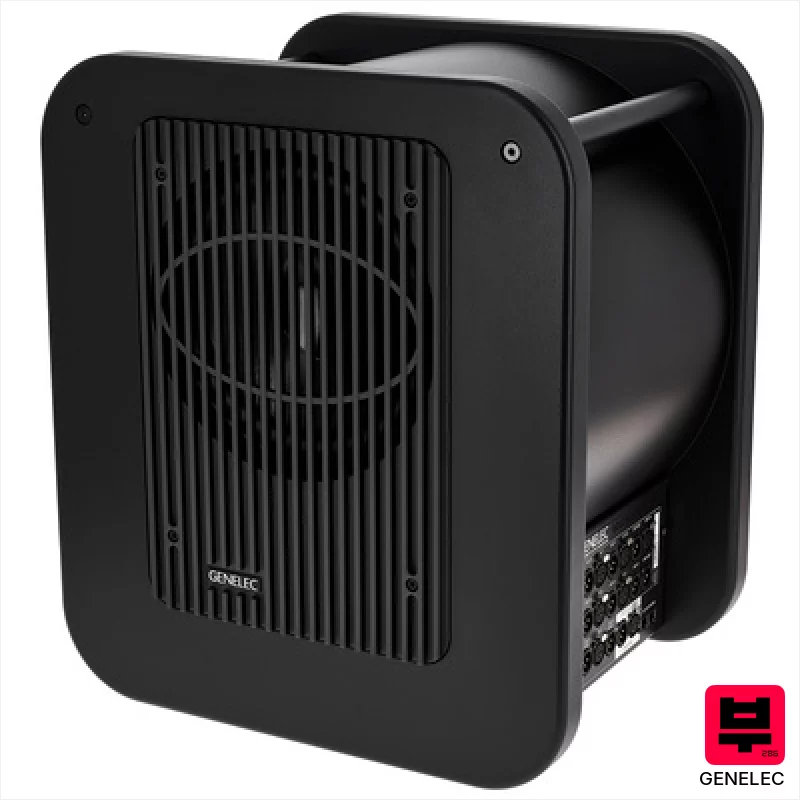
Genelec 7360 APM
- • Exceptional transient response for accurate low-frequency detail.
- • Genelec’s GLM integration offers unparalleled room correction capabilities.
- • Robust Class-D amplifier delivers clean, powerful bass reproduction.
- • The compact size belies a significant and controlled low-end presence.
- • Requires GLM calibration for optimal performance; adds to overall investment.
- • Limited frequency extension below 30Hz, not ideal for extreme sub-bass applications.
- • The design, while functional, lacks a certain aesthetic flair.

Neumann KH 750 DSP
- • Exceptional transient response thanks to the long-excursion woofer.
- • DSP offers precise room correction and LFE flexibility.
- • Robust build quality; feels incredibly solid and well-engineered.
- • Seamless integration with Neumann monitors via optional MA 1 software.
- • Significant weight makes placement and transport challenging.
- • Premium-priced, representing a considerable investment.
- • Limited frequency extension beyond 750Hz necessitates full-range monitors.

Genelec 7350 APM
- • Exceptional transient response for accurate low-end detail.
- • Robust MDF construction minimizes unwanted resonance and vibrations.
- • Integrated SAM DSP offers precise room adaptation and calibration.
- • Extensive connectivity options facilitate seamless studio integration.
- • Requires GLM Kit/9320 for full calibration potential; adds to cost.
- • Relatively compact size limits maximum SPL in larger rooms.
- • Lacks a built-in high-pass filter for direct connection to sources.

PSI Audio Sub A125-M Studio Red
- • Exceptional transient response for detailed low-frequency information.
- • Class-G amplification offers clean power with impressive efficiency.
- • Magnetically shielded design minimizes interference with other studio equipment.
- • Robust build quality; the cabinet feels incredibly solid and well-damped.
- • Relatively compact size limits maximum SPL compared to larger subwoofers.
- • Limited frequency extension below 28Hz might require more substantial reinforcement for certain genres.
- • Price point places it in a premium category, restricting accessibility.
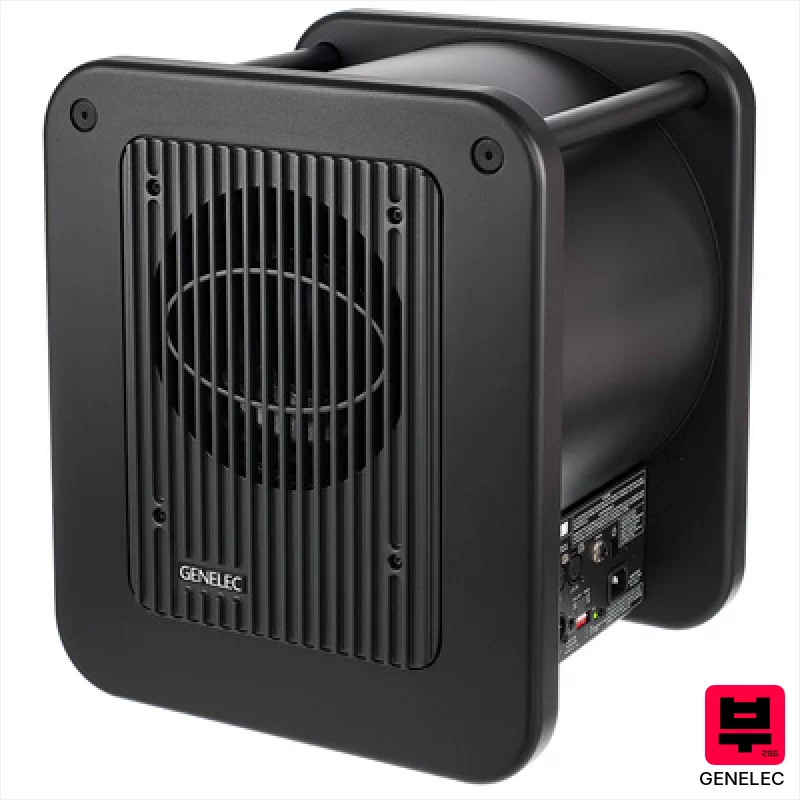
Genelec 7050 CPM
- • Exceptional transient response for accurate low-frequency detail.
- • Genelec’s DIP switch room adaptation is genuinely effective.
- • Robust, well-damped 205mm woofer chassis minimizes unwanted resonance.
- • Flexible I/O allows seamless integration into complex monitoring setups.
- • Relatively heavy, making placement and transport cumbersome.
- • Limited frequency extension below 24Hz might not satisfy extreme bass enthusiasts.
- • Premium-priced, representing a significant investment for smaller studios.
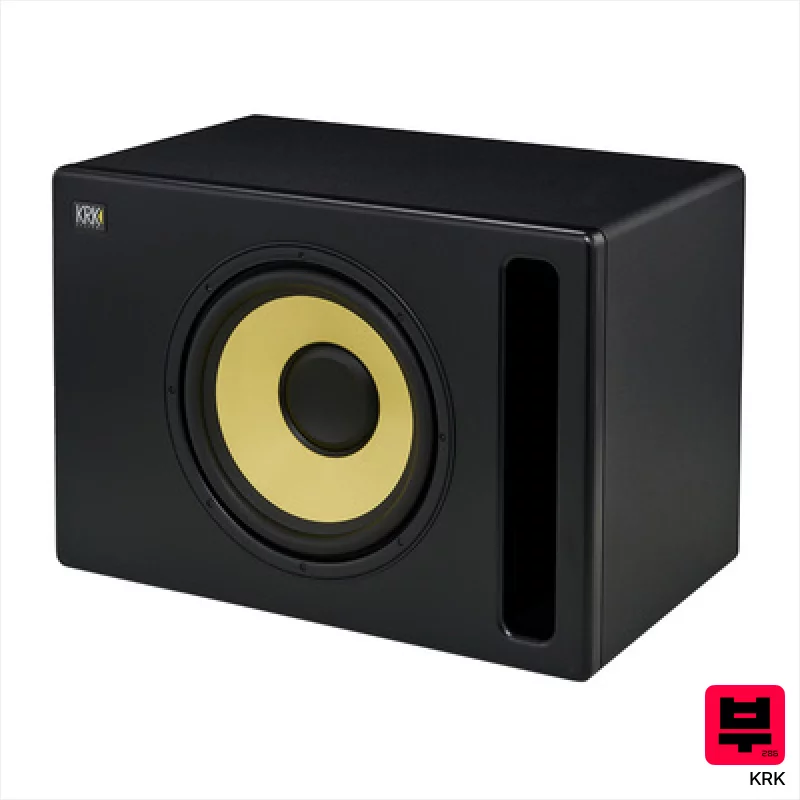
KRK S12G4
- • Glass-aramid composite woofer delivers tight, controlled low-end response.
- • Class D amplifier provides ample power without excessive heat or noise.
- • Adjustable crossover allows seamless integration with existing monitor setup.
- • Robust MDF construction minimizes resonance and provides a stable platform.
- • Bass can be slightly boomy in untreated rooms, requiring careful placement.
- • Size and weight make it less suitable for smaller, mobile setups.
- • Limited EQ controls beyond the basic switches; lacks more advanced shaping.
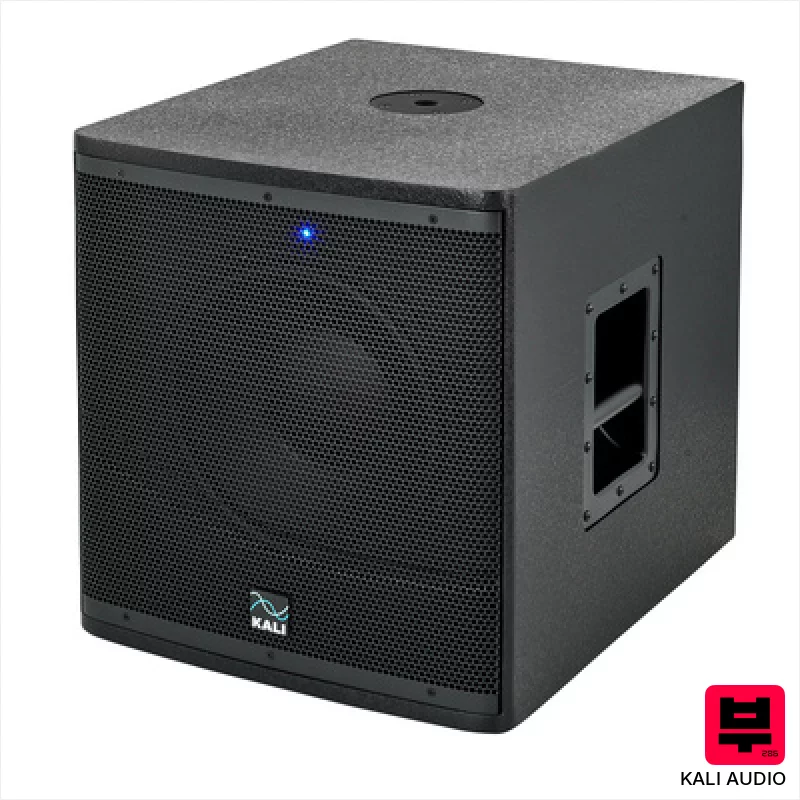
Kali Audio WS-12 V2
- • Excellent transient response for tight, defined low-end reproduction.
- • The bypass footswitch is genuinely useful for quick A/B comparisons.
- • Robust Class D amp ensures reliable power delivery and minimal heat.
- • Discrete crossover frequencies offer precise integration with existing monitors.
- • Size and weight make placement challenging in smaller or crowded spaces.
- • Limited EQ controls; may require external processing for nuanced adjustments.
- • While clean, the sound signature leans towards neutral; lacks inherent 'warmth'.

Genelec 7370 APM
- • Exceptional transient response thanks to the Class-D amplification.
- • Flow-optimized bass reflex design delivers clean, extended low-end.
- • Sophisticated GLM integration allows precise room correction.
- • Robust build quality; Genelec’s signature durability and reliability.
- • High-end price point makes it a significant investment.
- • Requires GLM software for optimal calibration, adding complexity.
- • Size and weight necessitate careful placement and handling.

Neumann Monitor Alignment Kit 3
- • KH 750 DSP delivers exceptional low-end extension and clarity.
- • FIR phase correction significantly improves imaging with Neumann monitors.
- • Automatic calibration simplifies setup and ensures accurate response.
- • Dual KH 80 DSPs provide a balanced and detailed stereo field.
- • High-end price point makes it inaccessible for many home studios.
- • Requires optional MA 1 for full calibration functionality and benefits.
- • Subwoofer's size and weight can be challenging for smaller rooms.
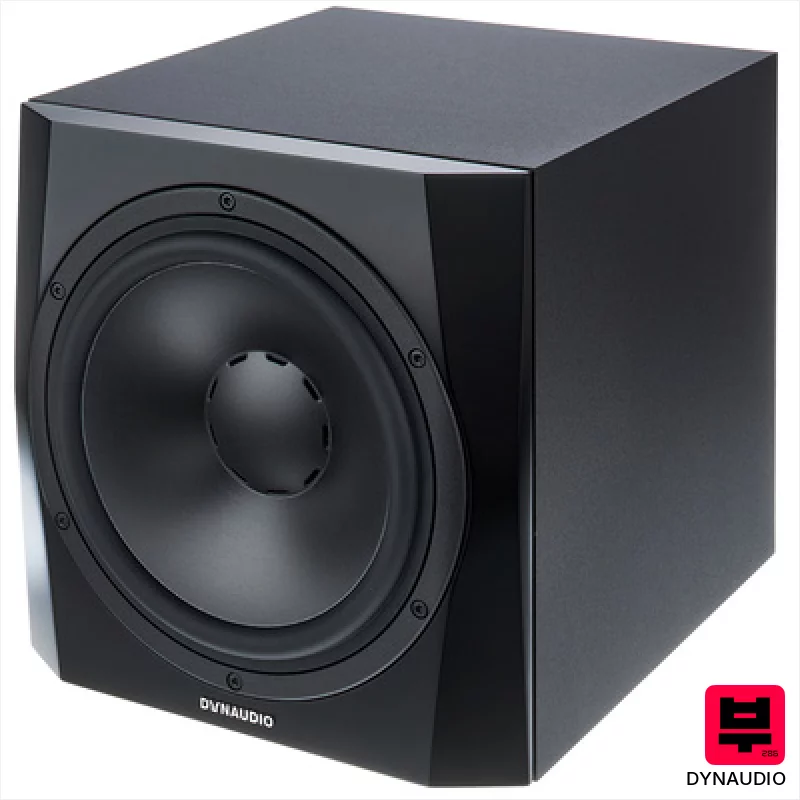
Dynaudio 9S
- • Dynaudio’s signature neutral and detailed sound shines through.
- • Solid build quality with a substantial, well-damped MDF enclosure.
- • Clean, powerful Class-D amplification avoids distortion at higher volumes.
- • SAT output provides flexible integration with existing monitor setups.
- • Limited low-frequency extension compared to larger, more expensive subwoofers.
- • Relatively heavy for studio use, especially in smaller spaces.
- • Lacks advanced room correction features found on some competing models.

ADAM Audio T10S
- • Solid Class-D amp delivers clean, impactful low-end response.
- • Well-matched frequency response with Adam's T-series monitors.
- • Flexible crossover options provide tailored low-frequency integration.
- • Robust MDF construction minimizes unwanted cabinet resonance.
- • Limited sub-bass extension compared to larger, more expensive subs.
- • Size and weight make placement and transport a consideration.
- • May be overkill for smaller rooms or nearfield listening environments.

Genelec 7380 AP
- • Exceptional transient response for clean, impactful low-end reproduction
- • Flow-optimized bass reflex design minimizes turbulence and maximizes efficiency
- • Sophisticated DSP allows for precise room correction and calibration
- • Robust construction with premium-grade components ensures long-term reliability
- • High-end price point places it out of reach for many home studios
- • Requires GLM Kit or 9320 controller for optimal performance and calibration
- • Significant weight and size necessitate careful placement and planning
How to Choose the Best Subwoofers
Low-Frequency Extension
Obviously, you want it to go low, but it's not just about 20Hz. It's about how clean it gets down there - muddy sub-bass is worse than no sub-bass. Think about the difference between a tight 808 and a blurry rumble.
Transient Response
Electronic music lives and dies on its transients. A sluggish sub will smear everything, making your kicks sound weak and your snares disappear. You want something that can react quickly and accurately to those initial impulses.
Driver Size & Material
A bigger driver generally means more headroom and the ability to move more air, but it's not a guarantee of quality. Driver material (like Kevlar or paper) impacts stiffness and damping, influencing the overall tone - a lighter cone often means less distortion at higher volumes.
Integration with Nearfields
A sub that doesn't play nicely with your existing monitors is a headache waiting to happen. Phase alignment is crucial - mismatched phase response can create frustrating dips and peaks in your frequency spectrum. Look for models with adjustable phase and high-pass filters.
Power & Headroom
You're building sub-bass; you need the power to move that air. A sub that clips easily is useless. Consider your room size and typical listening levels - a small bedroom studio doesn't need the same power as a commercial mixing room.
Buying Guide
Don't fall for the 'more is better' trap. A cheap subwoofer with a massive driver will likely sound like a bloated mess. Spend your money on something with a well-engineered driver, a clean amplifier, and features that allow you to integrate it seamlessly with your monitors. Phase alignment is everything - spend the time to dial it in. And remember, a subwoofer is an investment; it's not a place to cut corners.
Our Methodology
We aren't just looking at frequency response charts here. We put these subwoofers through the wringer: layering complex drum patterns, sculpting deep basslines in Ableton, and even sending test tracks to a few producer friends who live and breathe electronic music. The real test? Can it help you mix better, and will it survive a few late-night sessions without falling apart?

