
Best Wild Dog Stomp/Drum Boxes 2026
Premium Wild Dog stomp/drum boxes - legendary tone and craftsmanship
Last updated: September 28, 2026
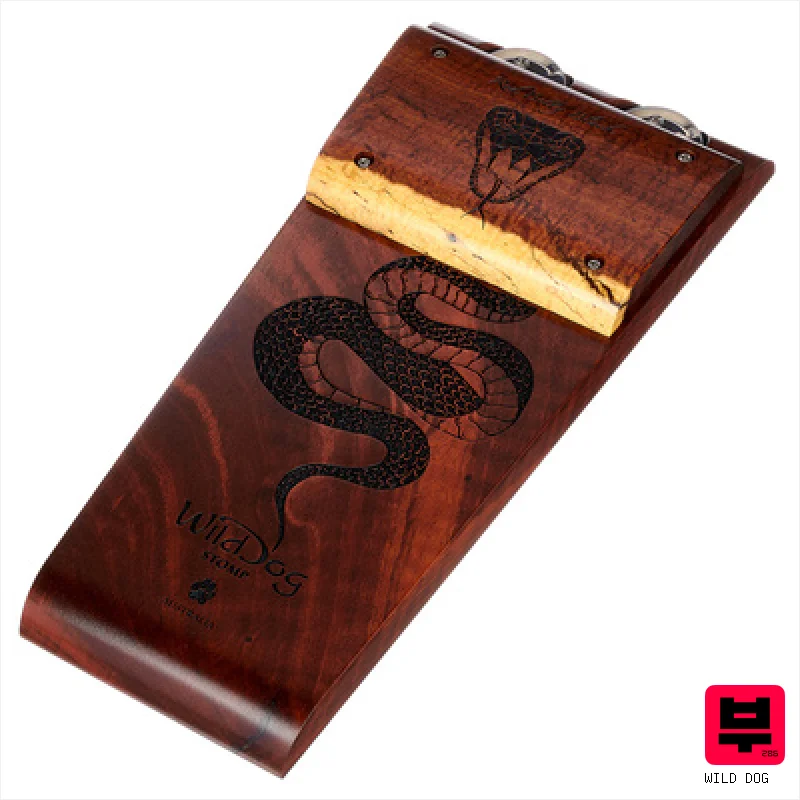
Wild Dog Red Belly Black
- • Solid figured red rubberwood body construction
- • Adjustable chrome tambourine jingles
- • Loud and powerful passive output
- • Handmade in Australia with neoprene cover
- • No power supply means no active effects
- • Single 6.3mm jack limits output options
- • Compact size may feel small for large hands
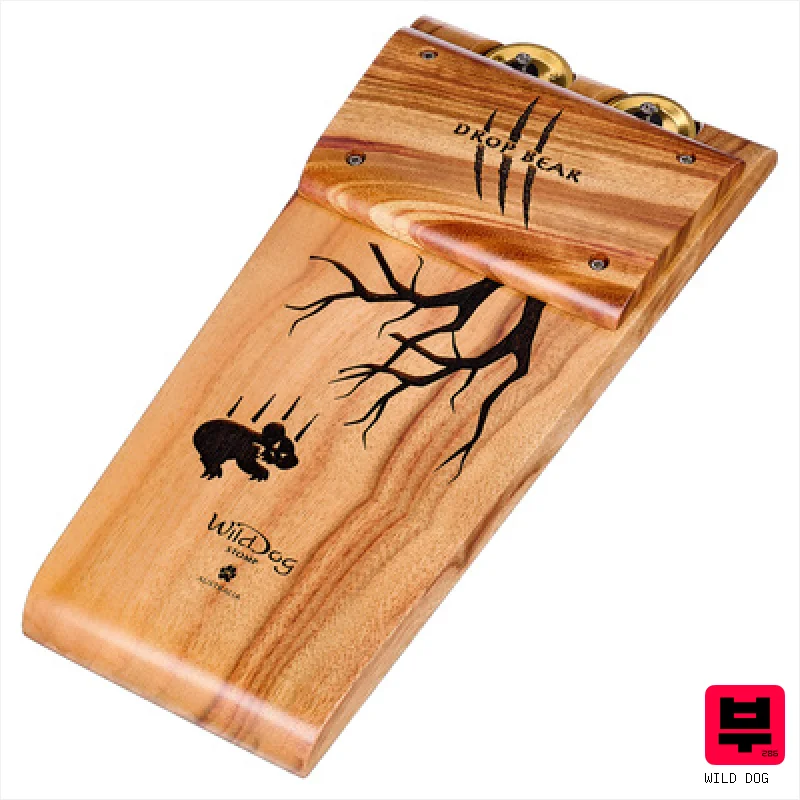
Wild Dog Drop Bear
- • Solid camphor laurel wood body feels sturdy
- • Adjustable brass jingles add rhythmic texture
- • Non-slip rubber feet keep it stable
- • Passive design needs no external power
- • Kickboard material is not explicitly named
- • No pedalboard mounting holes visible
- • Input jack type is not specified
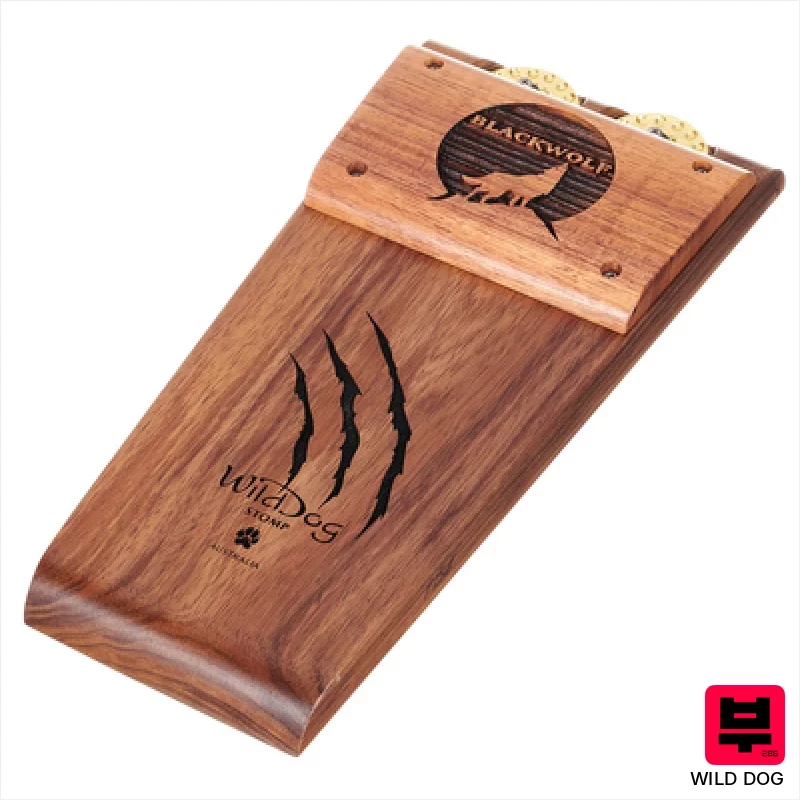
Wild Dog Blackwolf
- • Australian blackwood construction delivers a warm, resonant, and complex percussive tone.
- • Adjustable brass jingles offer a wide range of tambourine sounds, from subtle shimmer to bright crash.
- • Solid, ergonomic design and rubber feet provide stability and comfortable playing experience.
- • Handmade quality suggests attention to detail and a higher level of craftsmanship compared to mass-produced alternatives.
- • Passive design limits tonal shaping options; reliant on external amplification for volume.
- • Blackwood, while beautiful, can be sensitive to humidity and temperature changes.
- • Relatively heavy at 1.1 kg; portability might be a concern for gigging musicians.

Wild Dog Bunyip
- • Bowyakka wood provides a uniquely resonant and warm percussive tone.
- • Solid construction and rubber feet ensure stability and durability on stage.
- • Adjustable tambourine jingles allow for customized sonic textures and rhythms.
- • Passive design eliminates power requirements, simplifying setup and operation.
- • Limited sonic palette compared to multi-effect stomp boxes.
- • Bowyakka wood, while beautiful, may be less common and potentially harder to repair.
- • The fixed jingle configuration offers less dynamic control than some alternatives.

Wild Dog Yowie
- • Solid Australian timber construction lends warmth and resonance
- • Passive design eliminates noise and simplifies setup significantly
- • Gold-plated jack ensures reliable signal transfer and longevity
- • Neoprene cover protects from damage and travel wear
- • Passive nature limits tonal flexibility compared to powered stomp boxes
- • Relatively heavy for a stomp box, may be cumbersome for some
- • Limited control options restrict complex rhythmic programming
Stomp/Drum Boxes by the numbers
Measured across all 48 models in this category, so «wide», «short» or «expensive» mean something you can check.
How This List Is Built
We don't play these instruments — we're a catalog, not a review desk, and we'd rather say so than pretend otherwise. This page covers 5 of 48 stomp/drum boxes from the Thomann catalogue, which is the largest single source of specification data in this category: 5 in detail, the rest listed with their specifications.
Position is computed, not curated. We parse the manufacturer's own description into actual values — nut width, scale, fret count, fingerboard radius, size, alloy — and rank on them: how many specifications a model has published, how many of them are measurable numbers, and how precisely it meets this page's criterion. A product image adds a little. Price is not a ranking signal: it tells you nothing about whether a neck fits your hand. The same inputs always produce the same order, so nothing here is shuffled to look fresh.
What this list is good for: narrowing a category down to a shortlist by spec and budget. What it isn't: a substitute for hearing an instrument. Before you buy, read hands-on reviews and, where you can, play it. Full methodology.
How to Choose the Best Stomp/Drum Boxes
Budget Planning
- • Under $200: Entry-level
- • $200-$500: Intermediate
- • $500-$1000: Advanced
- • $1000+: Professional
Quality Check
- • Sound clarity & tone
- • Build materials & finish
- • Hardware durability
- • Overall craftsmanship
Key Features
- • Your musical style
- • Skill level match
- • Intended use case
- • Brand reputation

