
Best Stomp/Drum Boxes Under $100 2026
Alright, so you're looking for a stomp/drum box without blowing your budget? It's a tricky proposition, let's be honest. You want that rhythmic backbone for practice, songwriting, or even adding some low-end thump to a sparse gig, but $100 ain't a lot in the world of music tech. We're going to look at what's realistically achievable at this price point, and I'll tell you what to expect - and what to compromise on.
Last updated: September 28, 2026
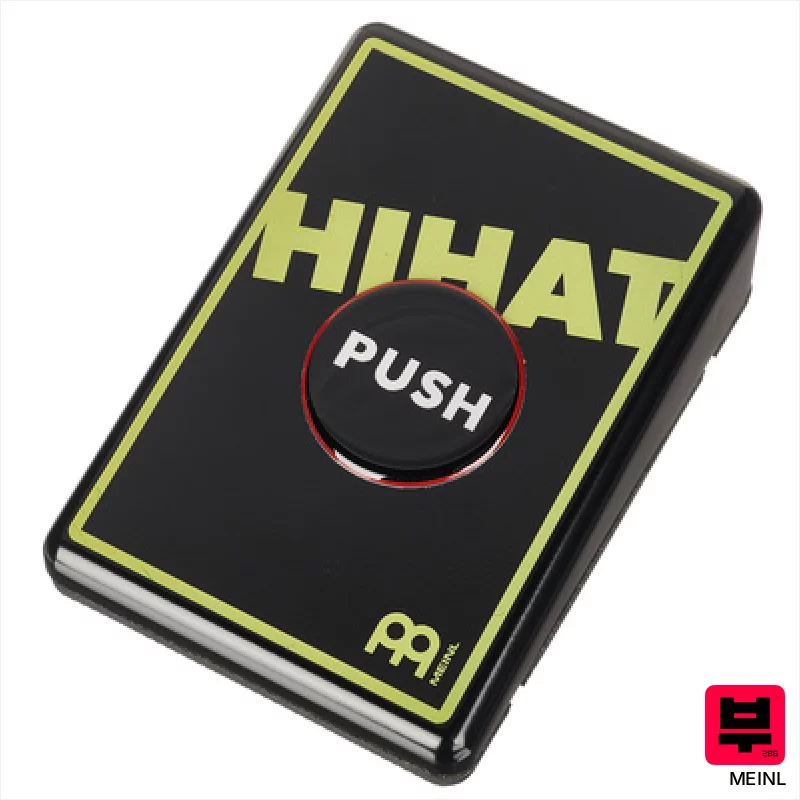
Meinl Perc. Digital Stomp Box Hi-Hat
- • Compact size ideal for travel and stage setups.
- • Rubber base provides excellent stability on various surfaces.
- • Pre-programmed hi-hat sounds offer realistic open/close dynamics.
- • 6.3mm jack ensures compatibility with standard stomp box setups.
- • Limited to hi-hat sounds; lacks broader percussion options.
- • Single sound profile might feel restrictive for complex rhythms.
- • Trigger surface is small, demanding precise footwork for nuanced control.

Meinl Perc. Digital Stomp Box Clap
- • Compact size makes it incredibly portable for gigging musicians.
- • Rubber base provides secure grip, preventing unwanted movement onstage.
- • Simple design offers immediate usability without complex programming.
- • Dedicated clap sound is surprisingly natural and impactful for a digital device.
- • Single clap sound limits versatility compared to multi-sound stomp boxes.
- • 6.3mm jack is becoming less common; requires an adapter for many modern interfaces.
- • Plastic construction feels a little less robust than higher-end percussion options.
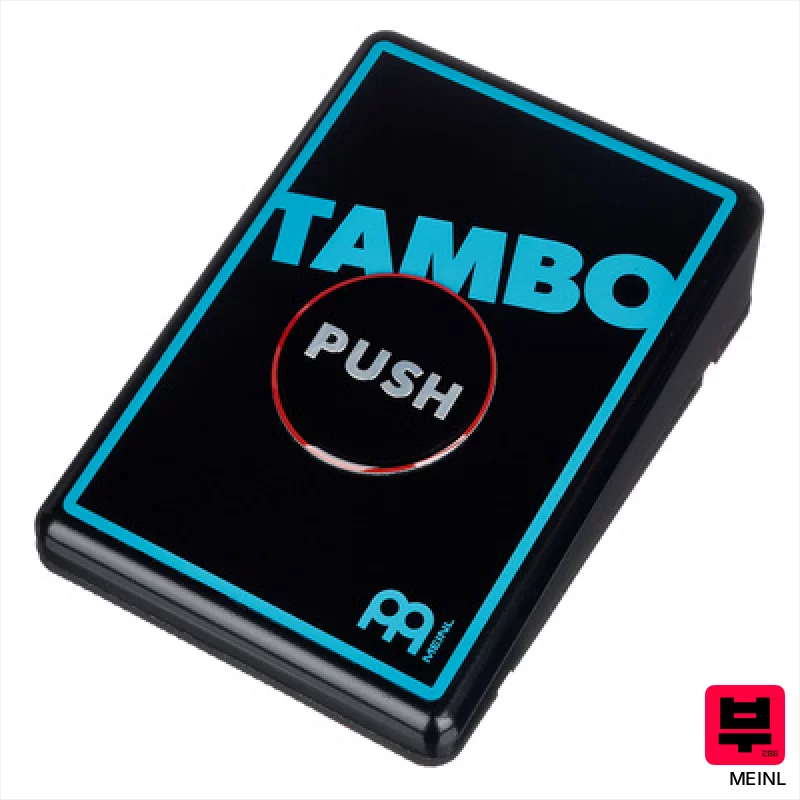
Meinl Perc. Digital Stomp Box Tamb.
- • Compact size allows for easy integration into pedalboard setups.
- • Pre-programmed tambourine sound is surprisingly authentic and responsive.
- • Rubber base provides excellent stability, preventing unwanted movement.
- • 6.3mm jack ensures compatibility with most standard stompbox power supplies.
- • Limited to a single tambourine sound; lacks tonal variation options.
- • Plastic enclosure feels a bit budget-friendly compared to higher-end stompboxes.
- • Dependence on Meinl's programming limits customization and potential for user modification.

Schlagwerk SamJam Guitar Snare -Ma.
- • Macassar veneer provides a surprisingly resonant, percussive tone
- • Adhesive is solvent-free, minimizing risk to guitar finish (if compatible)
- • Compact size allows for easy portability and quick setup
- • Handmade in Germany ensures a degree of quality control and craftsmanship
- • Limited to guitars without nitrocellulose finishes – a significant restriction
- • Macassar veneer is relatively soft, prone to wear with heavy use
- • Sound is inherently limited compared to a full drum kit or dedicated percussion instrument
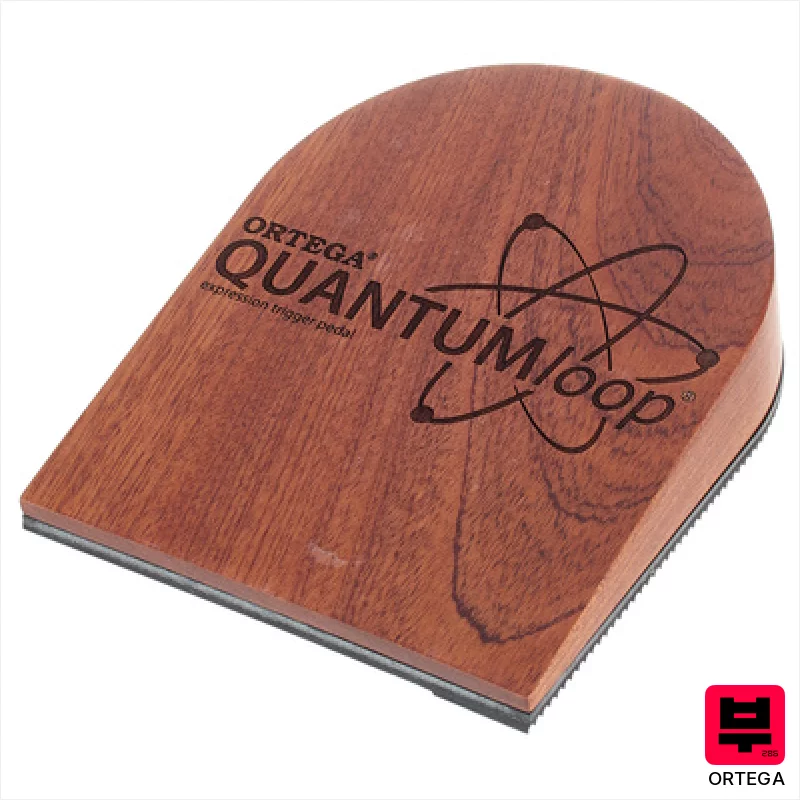
Ortega QUANTUMexp
- • Solid mahogany housing provides excellent resonance and road-worthiness.
- • Dedicated expression control expands Quantumloop’s sonic possibilities.
- • Compact size makes it easily portable and integrates into tight pedalboards.
- • Battery operation offers convenient, power-independent performance.
- • Battery-only power restricts usage to situations without external power.
- • Limited functionality outside of the Ortega Quantumloop ecosystem.
- • Mahogany housing, while resonant, can be susceptible to finish wear.
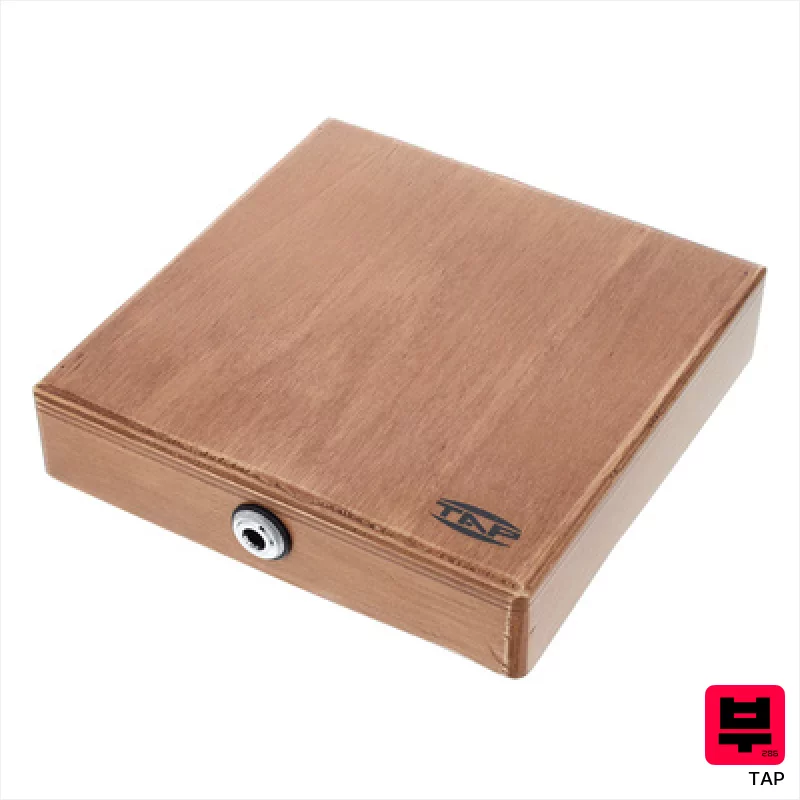
TAP SB-A Stomp Box Single Trigger
- • Ash body provides a warm, resonant tone with surprising projection.
- • Piezo pickup delivers a surprisingly deep and impactful low-end response.
- • Compact size makes it incredibly portable and easy to integrate into a rig.
- • Simple design allows for immediate, intuitive playing without complex programming.
- • Limited tonal palette; best suited for percussive, rhythmic applications.
- • 6.3mm jack output may require an adapter for some modern interfaces.
- • Ash construction, while good, isn't as robust as hardwoods like maple.
Stomp/Drum Boxes by the numbers
Measured across all 6 models in this category, so «wide», «short» or «expensive» mean something you can check.
How to Choose the Best Stomp/Drum Boxes
Sound Quality
At this price, don't expect boutique drum samples. We're looking for usable sounds - solid kick drums, crisp snares, decent hi-hats - that aren't offensively muddy or brittle. The dynamic range will be limited, but there should be enough articulation to make them feel like real drums.
Rhythm Programming
How easy is it to program simple grooves? Some boxes have limited step sequencing or frustrating interfaces. We're prioritizing units with a decent level of flexibility and intuitive controls, even if it means sacrificing some advanced features.
Build Quality
Let's face it, $100 builds don't use aerospace-grade aluminum. We're assessing the robustness of the enclosure, the responsiveness of the footswitch (if applicable), and the overall feel of the unit - will it survive a gig in a cramped club?
Connectivity
Does it offer enough ins/outs for your needs? Stereo outputs are a plus, and a MIDI input (even a basic one) can unlock a lot of creative possibilities. A lack of connectivity is a real limitation at any price point.
Ease of Use
A complex menu system can be a nightmare, especially when you're just trying to lay down a basic groove. We're looking for units that are relatively straightforward to operate, even if you're not a programming wizard.
Buying Guide
Realistically, at this price, you're making trade-offs. Don't expect pristine sound or bombproof construction. The biggest compromise will likely be in the sample quality - you're not getting the nuance of a professionally recorded drum kit. Focus on units with a simple, intuitive interface and solid, usable sounds; a little bit of grit can actually add character. Don't overpay for features you won't use - a complex sequencer is useless if you can't figure it out.
How This List Is Built
We don't play these instruments — we're a catalog, not a review desk, and we'd rather say so than pretend otherwise. This page covers 6 stomp/drum boxes from the Thomann catalogue, which is the largest single source of specification data in this category: 6 in detail, the rest listed with their specifications.
Position is computed, not curated. We parse the manufacturer's own description into actual values — nut width, scale, fret count, fingerboard radius, size, alloy — and rank on them: how many specifications a model has published, how many of them are measurable numbers, and how precisely it meets this page's criterion. A product image adds a little. Price is not a ranking signal: it tells you nothing about whether a neck fits your hand. The same inputs always produce the same order, so nothing here is shuffled to look fresh.
What this list is good for: narrowing a category down to a shortlist by spec and budget. What it isn't: a substitute for hearing an instrument. Before you buy, read hands-on reviews and, where you can, play it. Full methodology.

