
Best Stereo Microphones Under $500 2026
Alright, so you need a stereo mic but your bank account isn't screaming "platinum studio." Been there. Getting a decent stereo image without breaking the $500 barrier is totally doable, but you gotta know what you're looking for. We're gonna cover some solid options that'll give you a wider, more immersive sound than a single mic ever could, whether you're tracking acoustic guitars, drum overheads, or even just trying to capture a more natural vibe for your bedroom recordings.
Last updated: September 29, 2026
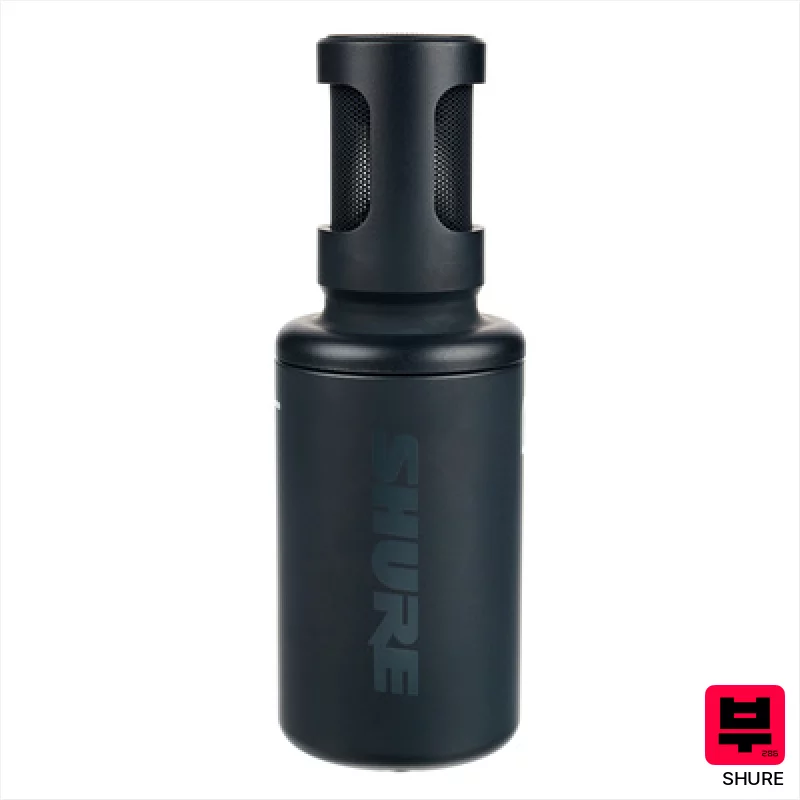
Shure MV88+Stereo USB Mic
- • Excellent stereo imaging for capturing immersive soundscapes.
- • ShurePlus MOTIV app offers surprisingly deep control over sound shaping.
- • Compact and lightweight design makes it ideal for mobile recording.
- • Robust metal housing feels durable and well-built for its size.
- • USB-C/Micro-USB reliance can be limiting with modern setups.
- • Limited frequency response compared to dedicated studio condenser mics.
- • Stereo field width can be narrow, requiring careful placement.

Soundman OKM II Classic/Studio A3
- • Excellent natural soundstage, captures spaciousness exceptionally well
- • Robust electret capsules offer surprising durability for the price
- • A3 adaptor provides crucial flexibility for various preamp setups
- • Compact size and lightweight design enable discreet placement
- • Electret mics can be noisier than true condenser alternatives
- • Omnidirectional pickup is not ideal for isolating sound sources
- • Limited frequency response compared to higher-end stereo pairs

Soundman OKM II Classic/Studio Solo
- • Excellent natural sound, remarkably clean for electrets
- • Compact size facilitates discreet, close-proximity placement
- • Robust construction; feels durable despite its light weight
- • Artificial head stereophony creates convincing spatial imaging
- • Limited frequency response compared to higher-end studio mics
- • Electret capsule means less transient detail than condenser mics
- • Omnidirectional pickup can be problematic in noisy environments

Soundman OKM II Classic A3
- • Excellent natural stereo imaging thanks to the artificial head design
- • Surprisingly robust construction for a budget-friendly pair of mics
- • A3 adapter effectively tames low-frequency rumble and proximity effect
- • Lightweight and comfortable for extended field recording sessions
- • Electret capsules offer less dynamic range compared to condenser alternatives
- • Omnidirectional pattern picks up more ambient noise – requires careful placement
- • Limited flexibility for different polar patterns – strictly omni
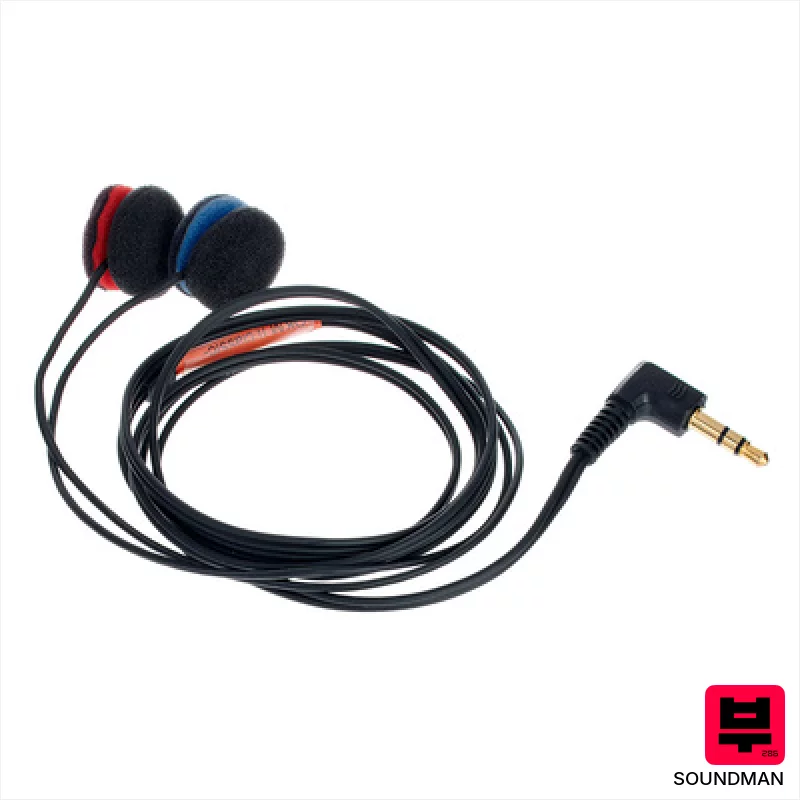
Soundman OKM II Classic Solo
- • Excellent off-axis rejection minimizes room noise effectively.
- • Compact and lightweight design makes it ideal for field recording.
- • Omnidirectional capsules provide a natural, open stereo image.
- • Durable electret capsule construction ensures reliable performance.
- • Electret capsules may exhibit slightly less detail than condenser alternatives.
- • Limited dynamic range compared to higher-end stereo microphones.
- • Requires phantom power, not suitable for all recording setups.

Superlux S502
- • Gold diaphragms deliver surprisingly detailed and balanced stereo imaging.
- • Robust metal housing provides a reassuring level of durability for the price.
- • Included cable is a thoughtful addition, simplifying initial setup.
- • Cardioid capsules offer excellent off-axis rejection, minimizing room noise.
- • The 200 Ohm impedance requires a decent preamp for optimal gain and headroom.
- • Superlux build quality, while adequate, isn't on par with premium brands.
- • The included windscreen is basic; a better one would improve performance in wind.
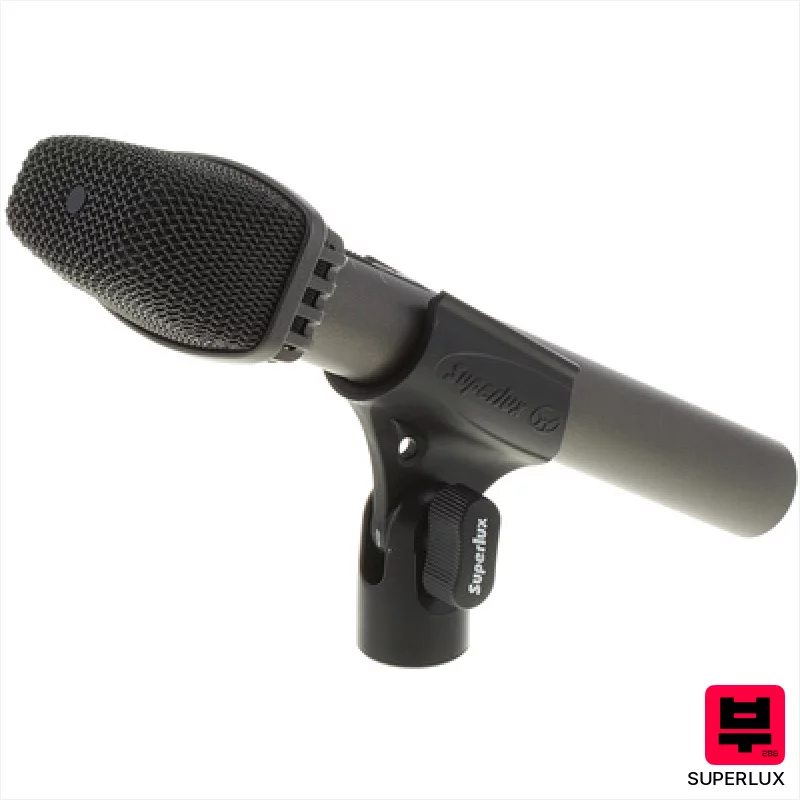
Superlux E523/D
- • Surprisingly robust metal housing for a budget stereo mic
- • Decent transient response for acoustic instruments and vocals
- • Dual power options offer flexibility in recording locations
- • Wide frequency response captures a good amount of detail
- • Somewhat noisy self-noise, especially at higher gain settings
- • Plastic capsule housing feels a bit cheap and prone to cracking
- • Stereo imaging isn't as precise as more expensive models
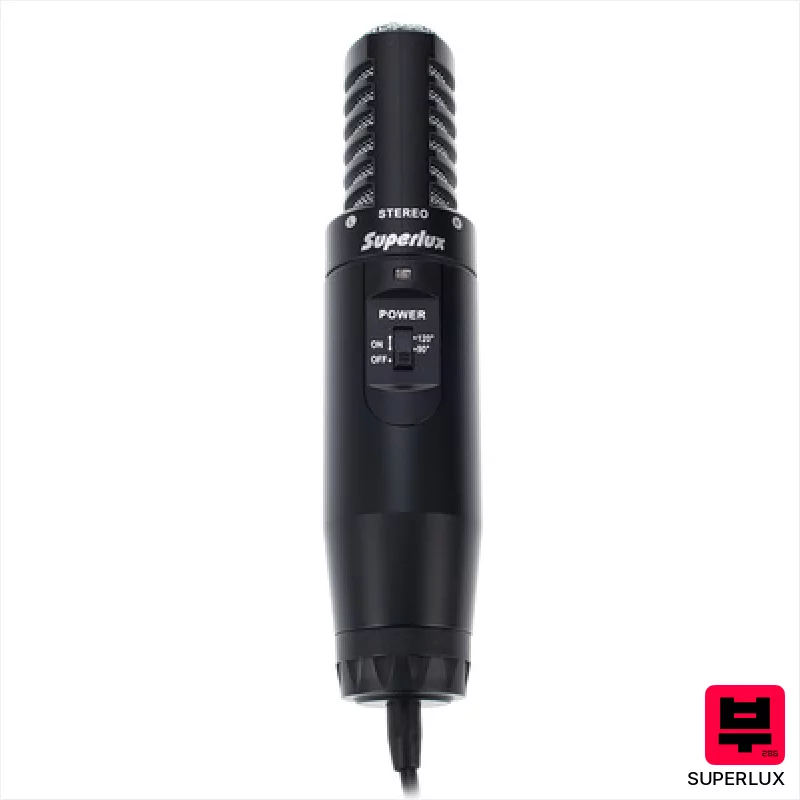
Superlux E531
- • Surprisingly natural stereo imaging for the price.
- • Lightweight design makes it ideal for mounting on tripods.
- • Battery power offers convenient, portable operation.
- • Decent transient response captures quick acoustic details.
- • High impedance requires a preamp or microphone interface.
- • Frequency response lacks extended highs; sounds slightly dull.
- • Plastic construction feels noticeably cheap and fragile.
Stereo Microphones by the numbers
Measured across all 8 models in this category, so «wide», «short» or «expensive» mean something you can check.
How to Choose the Best Stereo Microphones
Stereo Width & Imaging
How well the mic creates a sense of space. A good stereo mic should place instruments accurately, not just smear them into a wide, indistinct blob.
Frequency Response
You're not looking for flat, you're looking for character. Does it have a warm low-end thump for acoustic guitars? Does it capture the airiness of cymbals without sounding harsh? This is where a mic's personality shines through.
Self-Noise
This is crucial for quieter sources. A noisy mic will just amplify the hiss, making it harder to get a clean recording. Lower self-noise means more headroom and a cleaner signal.
Polar Pattern Options
X/Y, ORTF, Mid/Side... having multiple patterns gives you flexibility to tailor the stereo image to the source and the room's acoustics.
Build Quality & Durability
Let's be real, you're gigging, or you're at least moving this mic around. Cheap plastic and flimsy capsules aren't gonna last long. Something that can take a bump or two is a big plus.
Buying Guide
At this price point, you're making compromises. You won't get the pristine detail of a Neumann, and the capsule might not be as consistent across the frequency spectrum. Often, you're trading off a little bit of low-end extension or a slightly less refined high-end response to get the stereo image. Don't expect super-low self-noise - it's a tough ask. Look for mics with well-defined polar patterns and a decent capsule; that's where you'll find the biggest gains.
How This List Is Built
We don't play these instruments — we're a catalog, not a review desk, and we'd rather say so than pretend otherwise. This page covers 8 stereo microphones from the Thomann catalogue, which is the largest single source of specification data in this category: 8 in detail, the rest listed with their specifications.
Position is computed, not curated. We parse the manufacturer's own description into actual values — nut width, scale, fret count, fingerboard radius, size, alloy — and rank on them: how many specifications a model has published, how many of them are measurable numbers, and how precisely it meets this page's criterion. A product image adds a little. Price is not a ranking signal: it tells you nothing about whether a neck fits your hand. The same inputs always produce the same order, so nothing here is shuffled to look fresh.
What this list is good for: narrowing a category down to a shortlist by spec and budget. What it isn't: a substitute for hearing an instrument. Before you buy, read hands-on reviews and, where you can, play it. Full methodology.

