
Best Stereo Microphones Under $300 2026
Alright, so you need a stereo mic but your bank account isn't cooperating? Been there. Getting that wide, immersive sound is crucial, whether you're tracking a drum kit, a jangly acoustic guitar duo, or just trying to capture some decent room tone in your bedroom studio. We're diving into the best stereo mics you can snag for under $300 - because a great recording shouldn't bankrupt you.
Last updated: September 30, 2026
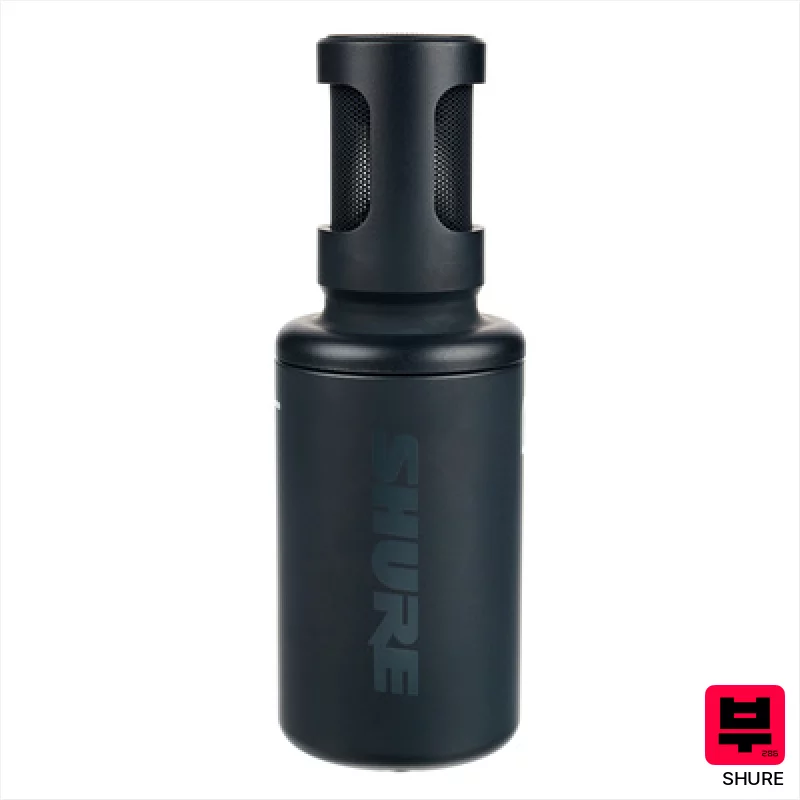
Shure MV88+Stereo USB Mic
- • Excellent stereo imaging for capturing immersive soundscapes.
- • ShurePlus MOTIV app offers surprisingly deep control over sound shaping.
- • Compact and lightweight design makes it ideal for mobile recording.
- • Robust metal housing feels durable and well-built for its size.
- • USB-C/Micro-USB reliance can be limiting with modern setups.
- • Limited frequency response compared to dedicated studio condenser mics.
- • Stereo field width can be narrow, requiring careful placement.

Soundman OKM II Classic/Studio A3
- • Excellent natural soundstage, captures spaciousness exceptionally well
- • Robust electret capsules offer surprising durability for the price
- • A3 adaptor provides crucial flexibility for various preamp setups
- • Compact size and lightweight design enable discreet placement
- • Electret mics can be noisier than true condenser alternatives
- • Omnidirectional pickup is not ideal for isolating sound sources
- • Limited frequency response compared to higher-end stereo pairs

Soundman OKM II Classic/Studio Solo
- • Excellent natural sound, remarkably clean for electrets
- • Compact size facilitates discreet, close-proximity placement
- • Robust construction; feels durable despite its light weight
- • Artificial head stereophony creates convincing spatial imaging
- • Limited frequency response compared to higher-end studio mics
- • Electret capsule means less transient detail than condenser mics
- • Omnidirectional pickup can be problematic in noisy environments

Soundman OKM II Classic A3
- • Excellent natural stereo imaging thanks to the artificial head design
- • Surprisingly robust construction for a budget-friendly pair of mics
- • A3 adapter effectively tames low-frequency rumble and proximity effect
- • Lightweight and comfortable for extended field recording sessions
- • Electret capsules offer less dynamic range compared to condenser alternatives
- • Omnidirectional pattern picks up more ambient noise – requires careful placement
- • Limited flexibility for different polar patterns – strictly omni
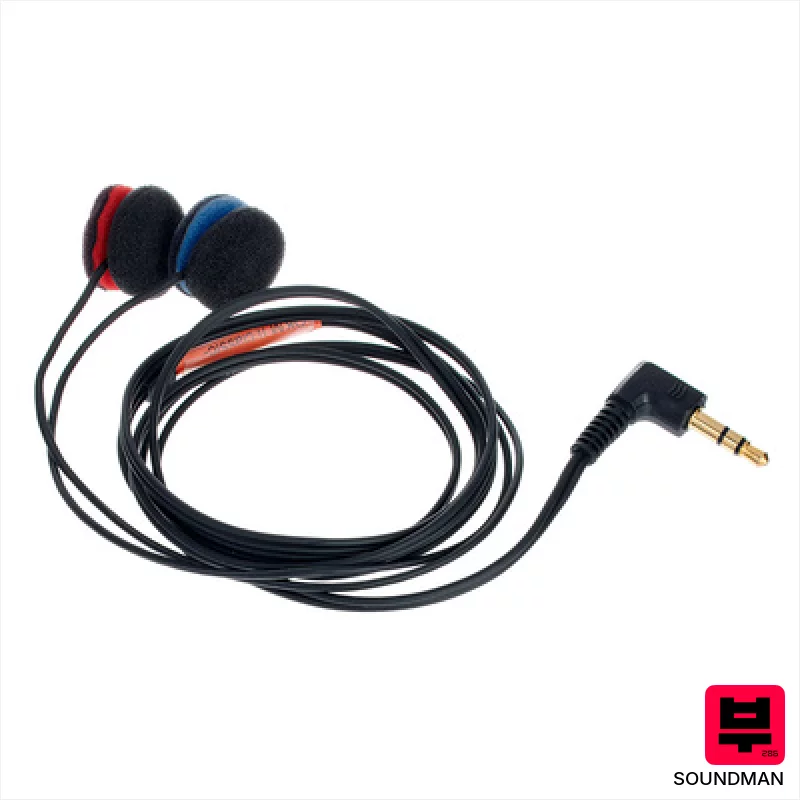
Soundman OKM II Classic Solo
- • Excellent off-axis rejection minimizes room noise effectively.
- • Compact and lightweight design makes it ideal for field recording.
- • Omnidirectional capsules provide a natural, open stereo image.
- • Durable electret capsule construction ensures reliable performance.
- • Electret capsules may exhibit slightly less detail than condenser alternatives.
- • Limited dynamic range compared to higher-end stereo microphones.
- • Requires phantom power, not suitable for all recording setups.

Superlux S502
- • Gold diaphragms deliver surprisingly detailed and balanced stereo imaging.
- • Robust metal housing provides a reassuring level of durability for the price.
- • Included cable is a thoughtful addition, simplifying initial setup.
- • Cardioid capsules offer excellent off-axis rejection, minimizing room noise.
- • The 200 Ohm impedance requires a decent preamp for optimal gain and headroom.
- • Superlux build quality, while adequate, isn't on par with premium brands.
- • The included windscreen is basic; a better one would improve performance in wind.
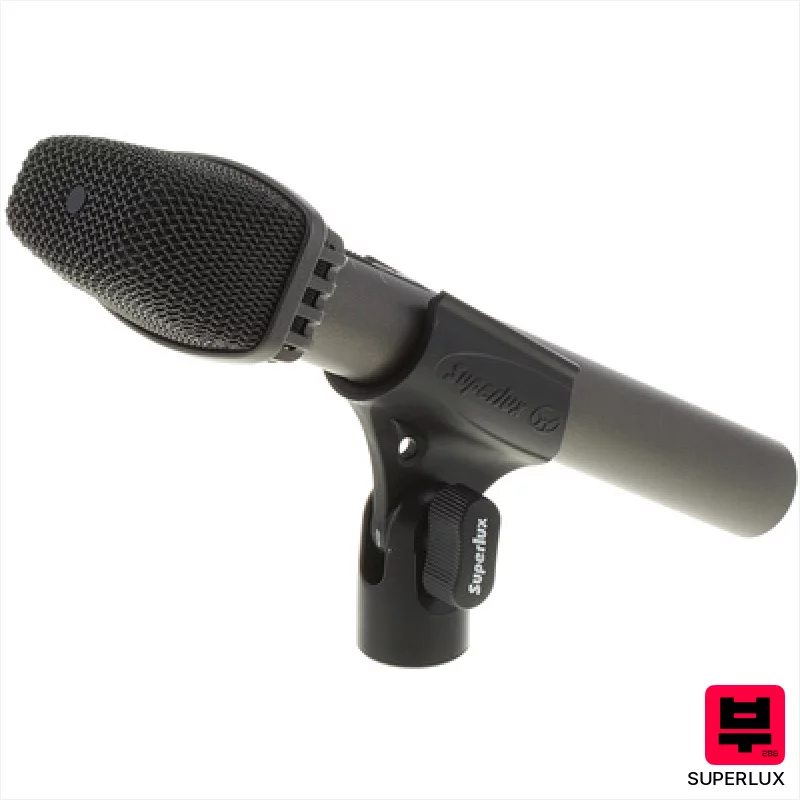
Superlux E523/D
- • Surprisingly robust metal housing for a budget stereo mic
- • Decent transient response for acoustic instruments and vocals
- • Dual power options offer flexibility in recording locations
- • Wide frequency response captures a good amount of detail
- • Somewhat noisy self-noise, especially at higher gain settings
- • Plastic capsule housing feels a bit cheap and prone to cracking
- • Stereo imaging isn't as precise as more expensive models
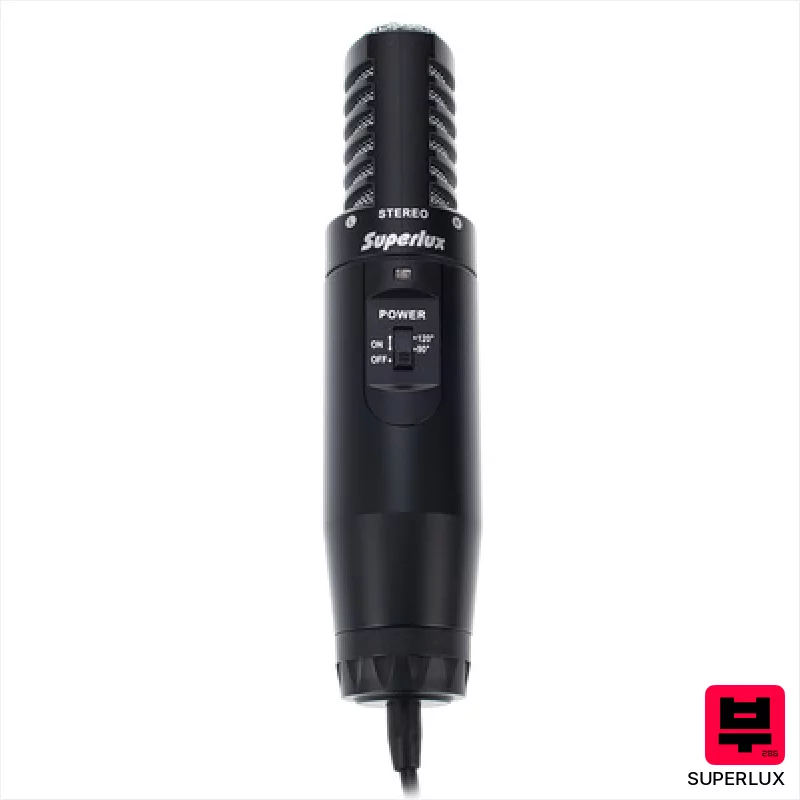
Superlux E531
- • Surprisingly natural stereo imaging for the price.
- • Lightweight design makes it ideal for mounting on tripods.
- • Battery power offers convenient, portable operation.
- • Decent transient response captures quick acoustic details.
- • High impedance requires a preamp or microphone interface.
- • Frequency response lacks extended highs; sounds slightly dull.
- • Plastic construction feels noticeably cheap and fragile.
Stereo Microphones by the numbers
Measured across all 8 models in this category, so «wide», «short» or «expensive» mean something you can check.
How to Choose the Best Stereo Microphones
Frequency Response
Don't expect a perfectly flat response at this price. We're looking for mics that capture a usable tonal balance - avoiding harsh peaks and muddy lows, and ideally, offering some character without being overly colored.
Polar Patterns
Most under-$300 stereo mics will offer X/Y or Mid/Side (M/S) options. X/Y is generally simpler to use for a wide stereo image, while M/S gives you more flexibility in post-processing, but requires a bit more understanding.
Self-Noise
Lower self-noise is critical, especially when recording quieter sources like vocals or acoustic instruments. Anything above 18dB A-weighted starts to become noticeable in quieter recordings, and it's a common compromise at this budget.
Build Quality
Let's be real, plastic cases and flimsy clips are part of the deal. We're assessing how well these mics will hold up to gigging - how robust the capsules are, and how likely they are to survive a drop or two.
Stereo Image Width
A stereo mic is useless if it doesn't create a believable stereo image. We're listening for accurate placement of instruments and a sense of space, not a narrow or blurry soundstage.
Buying Guide
At this price point, you're making trade-offs. Don't expect the pristine detail of a Neumann. Expect a workable solution that gets you closer to a true stereo recording than a single mic ever could. Capsule quality is usually the first thing to be skimped on - listen for a lack of detail in the high frequencies and a tendency towards muddiness in the low-mids. Also, be prepared to potentially invest in a decent shock mount and pop filter, as the included accessories are often...basic.
How This List Is Built
We don't play these instruments — we're a catalog, not a review desk, and we'd rather say so than pretend otherwise. This page covers 8 stereo microphones from the Thomann catalogue, which is the largest single source of specification data in this category: 8 in detail, the rest listed with their specifications.
Position is computed, not curated. We parse the manufacturer's own description into actual values — nut width, scale, fret count, fingerboard radius, size, alloy — and rank on them: how many specifications a model has published, how many of them are measurable numbers, and how precisely it meets this page's criterion. A product image adds a little. Price is not a ranking signal: it tells you nothing about whether a neck fits your hand. The same inputs always produce the same order, so nothing here is shuffled to look fresh.
What this list is good for: narrowing a category down to a shortlist by spec and budget. What it isn't: a substitute for hearing an instrument. Before you buy, read hands-on reviews and, where you can, play it. Full methodology.

