
Best Hartke Solid-State Bass Combos 2026
Alright, let's talk Hartke bass combos. For years, Hartke's been a go-to for players needing a solid, reliable, and surprisingly articulate solid-state sound - especially when you need to cut through a loud band. They're not about mimicking vintage tube warmth; Hartke's signature is a tight, punchy low-end with a distinct midrange presence that can really lock in with a drummer. If you're tired of muddy low-mids and want something that'll define your groove, keep reading.
Last updated: September 29, 2026

Hartke HD508
- • Neodymium speakers deliver surprisingly tight, articulate low-end response.
- • Hartke’s Shape control genuinely sculpts the tonal character effectively.
- • The Class D amp provides substantial power without excessive heat or weight.
- • Solid build quality; feels robust and ready for gigging regularly.
- • EQ is basic; lacks mid-frequency sweep or more nuanced control.
- • The 4x8” speaker configuration isn’t ideal for extreme low-frequency extension.
- • The aesthetic, while clean, might be considered a little bland by some.
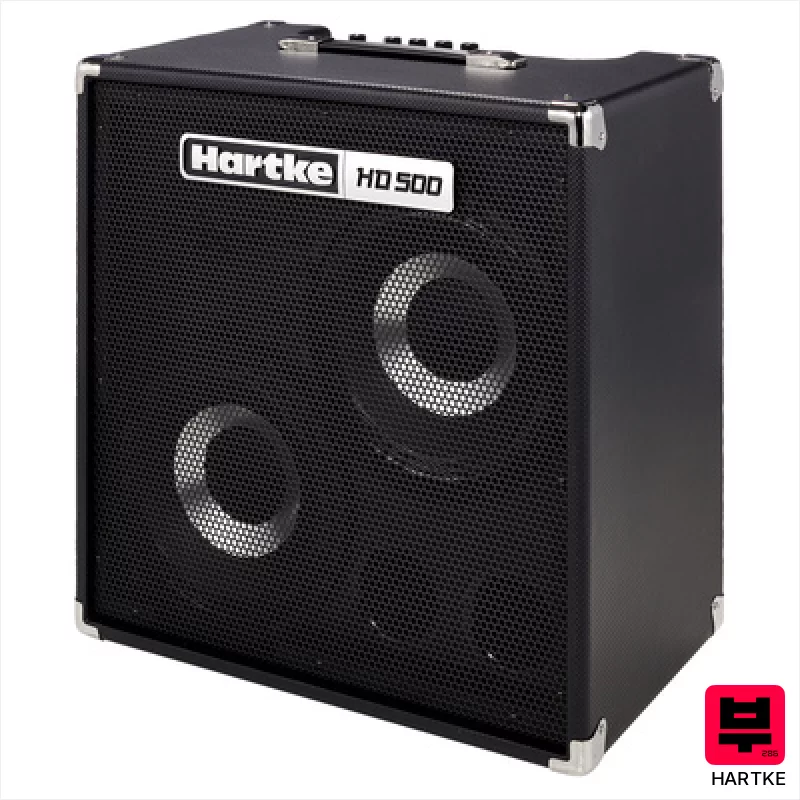
Hartke HD500
- • Hartke’s signature tight, defined low-end presence is noticeable.
- • Neodymium speakers deliver surprisingly punchy and clear mids.
- • The 3-band EQ offers useful shaping capabilities for most genres.
- • Compact size and Class D amp make it relatively lightweight for its power.
- • The EQ isn't as flexible as more modern amp modeling options.
- • The 10-inch speakers limit extreme low-frequency extension.
- • Shape control can be a little unpredictable and hard to dial in.
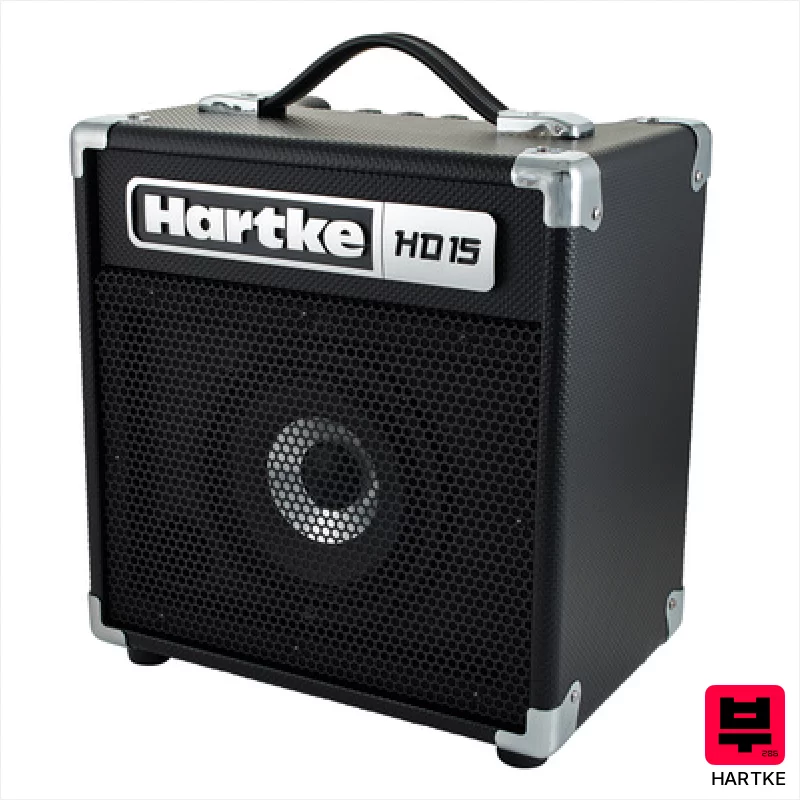
Hartke HD15 Combo
- • Compact size ideal for practice and small gigs
- • HyDrive speaker delivers surprisingly full low-end response
- • Simple EQ offers focused tone shaping capabilities
- • Built-in limiter prevents speaker damage from accidental overdrive
- • Limited wattage restricts performance in louder band settings
- • 6.5 inch speaker lacks the deep extension of larger drivers
- • Aux input is stereo only, limiting mono signal options
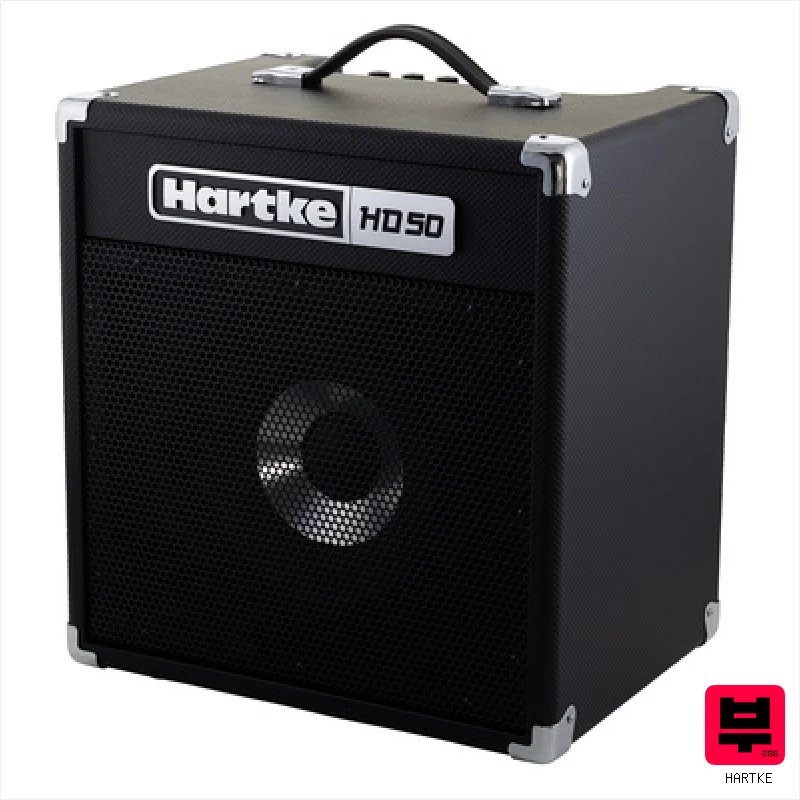
Hartke HD50
- • Ten-inch hybrid speakers handle low-end punch well
- • Five-watt output delivers solid volume for practice
- • Four EQ bands let you shape the tone easily
- • AUX input allows connecting external sources cleanly
- • No headphone jack listed for silent listening
- • Weight is not stated so it may be heavy
- • Missing built-in effects for sound shaping
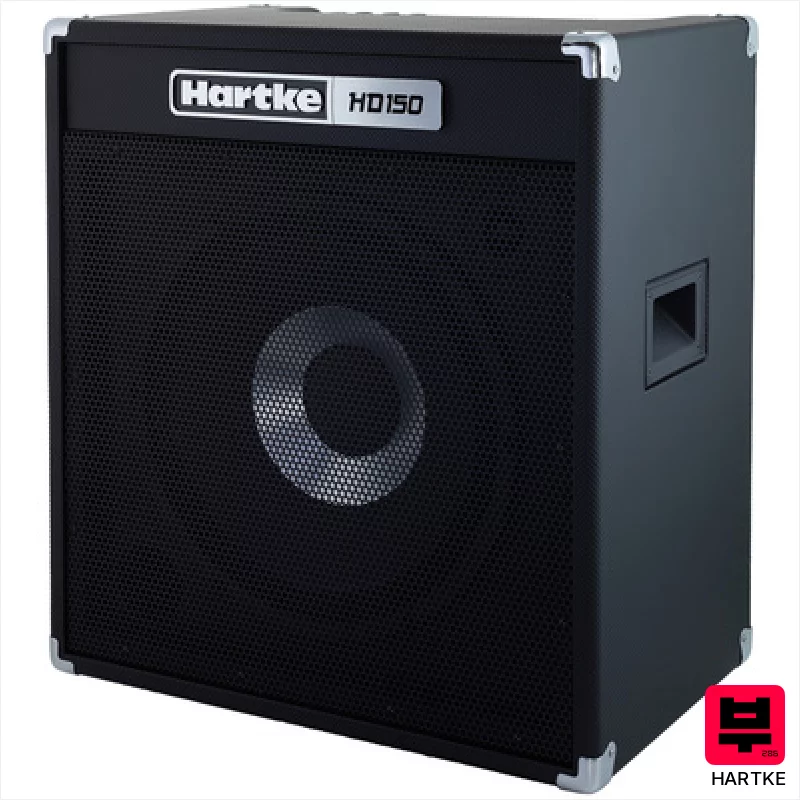
Hartke HD150
- • Hybrid speaker delivers surprisingly tight low-end response.
- • 7-band EQ provides considerable tonal shaping flexibility.
- • DI output is clean and usable for live or recording applications.
- • Compact size and lightweight design for easy portability.
- • Tweeter can occasionally sound harsh at higher volumes.
- • Limited headroom compared to higher-wattage amplifiers.
- • Effects loop isn't the most pristine for complex pedal chains.
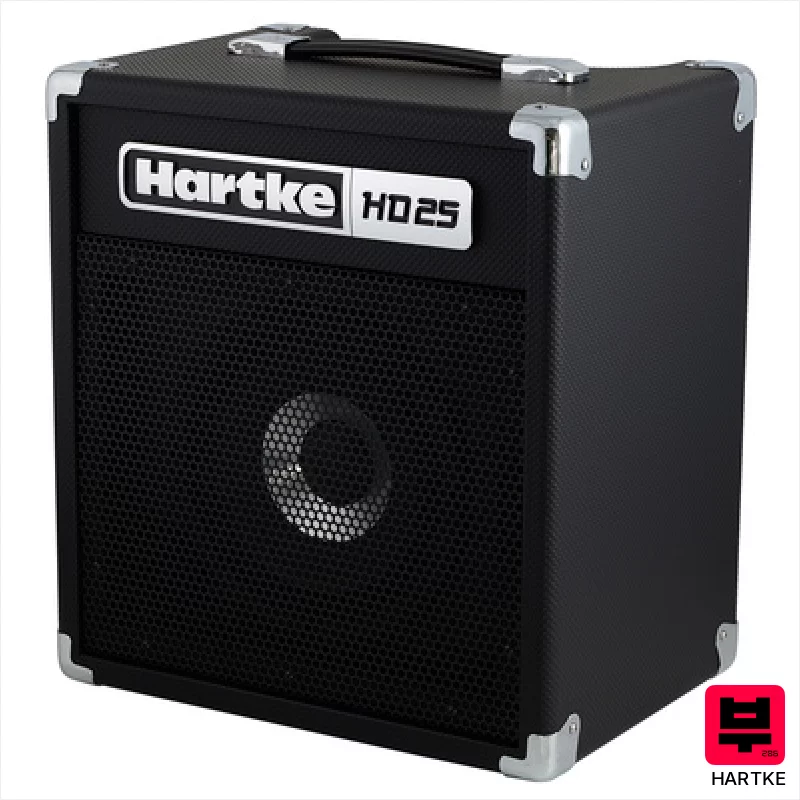
Hartke HD25
- • Compact design ideal for small spaces and practice
- • Hartke’s signature mid-focused sound provides clear articulation
- • Simple controls allow for quick tonal shaping on the fly
- • Headphone output enables silent practice without signal loss
- • Limited wattage restricts performance for larger gigs or band rehearsals
- • 8-inch speaker lacks the low-end thump of larger drivers
- • Basic EQ offers less precise tone sculpting than more advanced amps
- • Build quality feels somewhat plasticky given Hartke's reputation
Solid-State Bass Combos by the numbers
Measured across all 108 models in this category, so «wide», «short» or «expensive» mean something you can check.
How to Choose the Best Solid-State Bass Combos
Hartke Sound Signature
That's the key. Hartke's EQ tends to emphasize the midrange - it's not a scooped sound, but it's got that characteristic 'honk' that helps your bass line sit right where it needs to be in a mix. It's great for Motown, funk, or anything where you need clarity.
Build Quality & Reliability
Hartke has a reputation for dependability, and for good reason. Their chassis are robust, the components are generally well-chosen, and they're designed to withstand the rigors of gigging. You're not getting boutique craftsmanship, but they're built to last.
Headroom & Clean Breakup
Hartke amps generally maintain a clean tone at moderate volumes. The breakup, when you push them, is more of a tight, compressed distortion than a fuzzy, tube-like saturation. This makes them versatile-good for clean tones and aggressive playing.
Speaker Choice
Hartke often uses Celestion speakers, which lends a certain character to the overall sound. The specific speaker model affects the low-end thump and high-end articulation. A good Celestion can really make the amp sing, but it's also a potential point of upgrade down the road.
Portability & Features
Many Hartke combos are relatively compact and lightweight, making them gig-friendly. Features like effects loops and multiple speaker outputs are common and add to their versatility, but don't expect a ton of fancy digital modeling.
Buying Guide
Hartke solid-state combos are a great value, but be realistic. You're not getting a vintage tube amp vibe. The biggest trade-off is the lack of that organic tube compression and warmth. Higher-wattage models offer more headroom, which is crucial for playing with loud bands, but they also add weight. Don't skimp on the speaker - if you're serious about your tone, consider an aftermarket Celestion for a noticeable improvement.
How This List Is Built
We don't play these instruments — we're a catalog, not a review desk, and we'd rather say so than pretend otherwise. This page covers 6 of 108 solid-state bass combos from the Thomann catalogue, which is the largest single source of specification data in this category: 6 in detail, the rest listed with their specifications.
Position is computed, not curated. We parse the manufacturer's own description into actual values — nut width, scale, fret count, fingerboard radius, size, alloy — and rank on them: how many specifications a model has published, how many of them are measurable numbers, and how precisely it meets this page's criterion. A product image adds a little. Price is not a ranking signal: it tells you nothing about whether a neck fits your hand. The same inputs always produce the same order, so nothing here is shuffled to look fresh.
What this list is good for: narrowing a category down to a shortlist by spec and budget. What it isn't: a substitute for hearing an instrument. Before you buy, read hands-on reviews and, where you can, play it. Full methodology.

