
Best Solid-State Bass Combos for Practice 2026
Let's be real, lugging a massive tube stack to your bedroom for practice is just ridiculous. Solid-state bass combos have come a long way, and a lot of us are finding they're the perfect solution for quiet, versatile practice-especially when you want that direct, punchy bass tone without the tube warmth (or the heat). We're going to look at some combos that'll get the job done without emptying your bank account, focusing on what actually matters when you're laying down basslines at home.
Last updated: July 22, 2026 • Next update: July 29, 2026
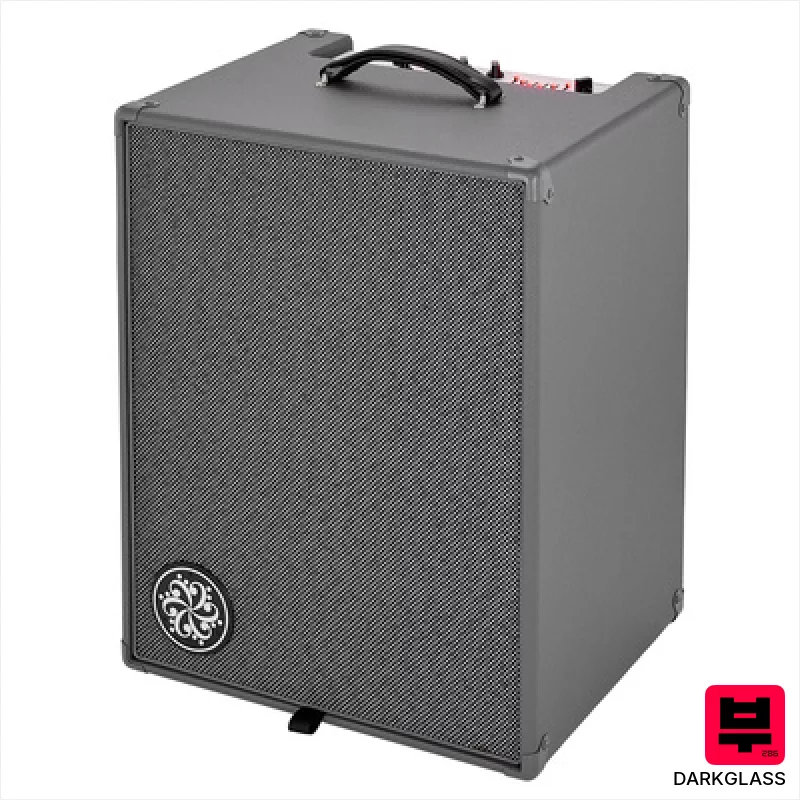
Darkglass Infinity 500 Combo 210
- • Neodymium Eminence speakers deliver tight, articulate low-end response.
- • Darkglass’s signature amp voicing provides aggressive, modern distortion tones.
- • Comprehensive EQ section allows for precise tonal shaping and customization.
- • Serial FX loop offers flexibility for integrating external effects pedals.
- • Relatively heavy for a combo, limiting portability for some players.
- • The tweeter, while nice, can be a bit harsh at higher volumes.
- • EQ can be overwhelming for players seeking a more straightforward amp experience.

Markbass CMB 121 Blackline Combo
- • Markbass’s signature Art Tube voicing delivers a surprisingly warm, tube-like character.
- • The 12” speaker offers a balanced frequency response, avoiding excessive boominess common in smaller cabs.
- • The EQ section, with its unique mid-low and mid-high controls, allows for precise tone shaping.
- • The integrated XLR DI output provides a clean, usable signal for recording or live sound reinforcement.
- • The lightweight construction, while convenient, might feel slightly less robust than heavier, all-steel amps.
- • 150 watts is adequate for smaller gigs, but power users will likely want more headroom.
- • The auxiliary input lacks a level control, potentially causing volume imbalances.
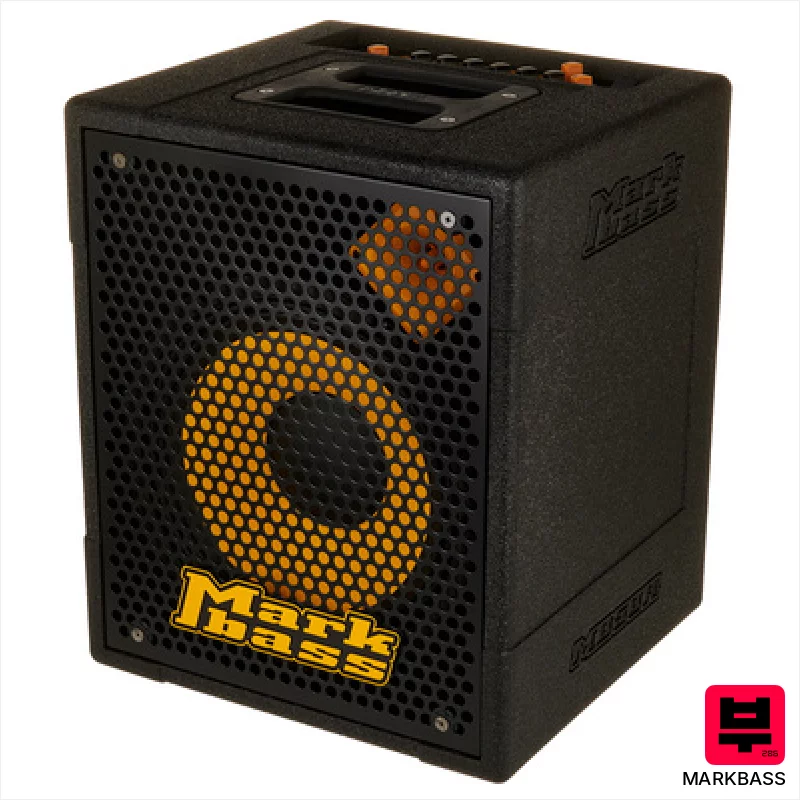
Markbass MB58R Mini CMD 121 P Combo
- • Markbass’s signature 'Neapolitan’ tone is surprisingly present even at lower volumes.
- • The 12” ceramic speaker delivers a tight, focused low-end with surprising projection.
- • Biodegradable housing is a genuinely commendable and unique design choice.
- • Compact size and relatively light weight (for a combo) make it very giggable.
- • The piezo tweeter can sound brittle at higher volumes, lacking warmth and smoothness.
- • Single-channel design limits versatility for players needing complex tonal shaping.
- • Scooped Mid LED isn’t the most intuitive or useful visual indicator.
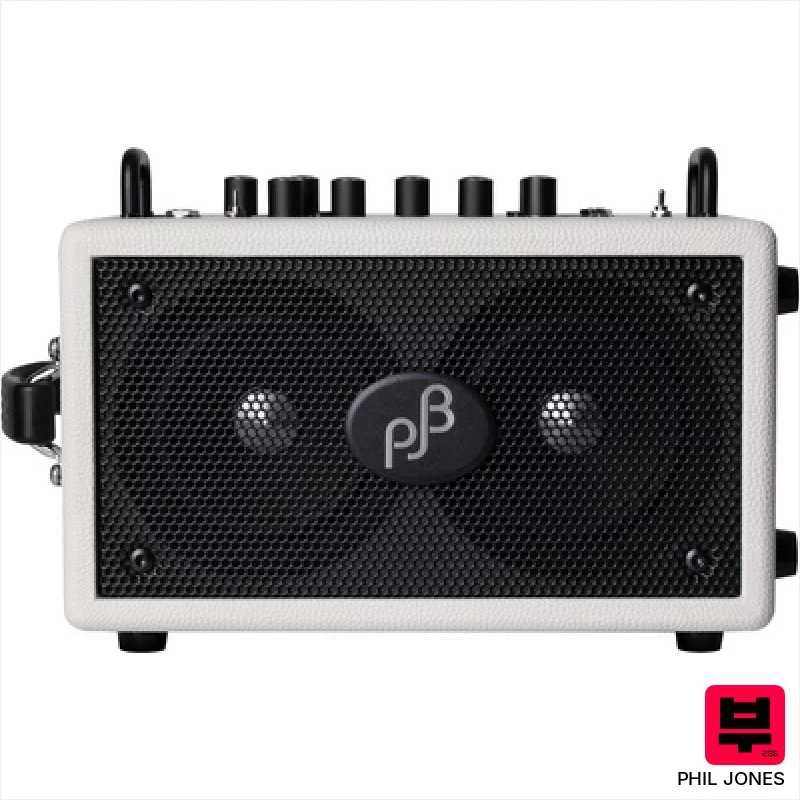
Phil Jones Double Four Plus BG-80 WH
- • Excellent portability due to lightweight Class D amp design.
- • PJB 'Long-Thro' speakers deliver surprisingly full, articulate tone.
- • Active/Passive switch offers genuine flexibility for varied pickups.
- • Bluetooth 5.1 adds convenient backing track/jamming capabilities.
- • EQ range (+/- 15dB) is somewhat limited for extreme tonal sculpting.
- • 4” speakers lack serious low-end thump for heavier genres.
- • Tolex covering, while durable, isn't the most premium aesthetic.
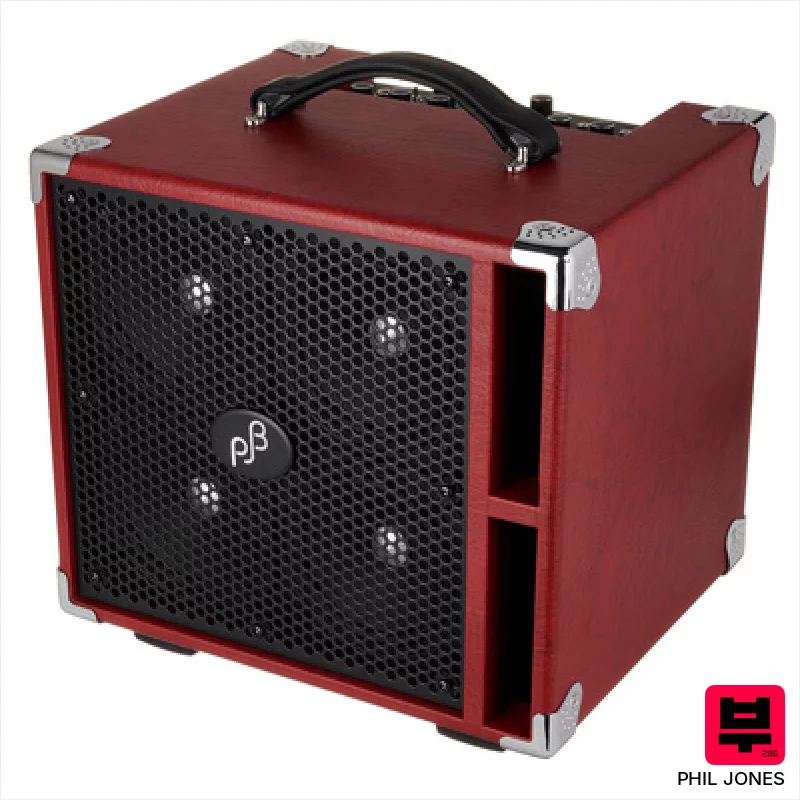
Phil Jones BG-450 Compact Plus Combo RD
- • Piranha speakers deliver surprising clarity and low-end extension.
- • Class D power offers significant headroom without excessive weight.
- • The active/passive switch is genuinely useful for varied pickups.
- • FX loop with wet/dry mix adds considerable tonal flexibility.
- • The 5” speakers limit extreme low-frequency reproduction, despite the power.
- • EQ range, while broad, can be a bit unruly at higher boosts.
- • The compact design sacrifices some ergonomic handle comfort.
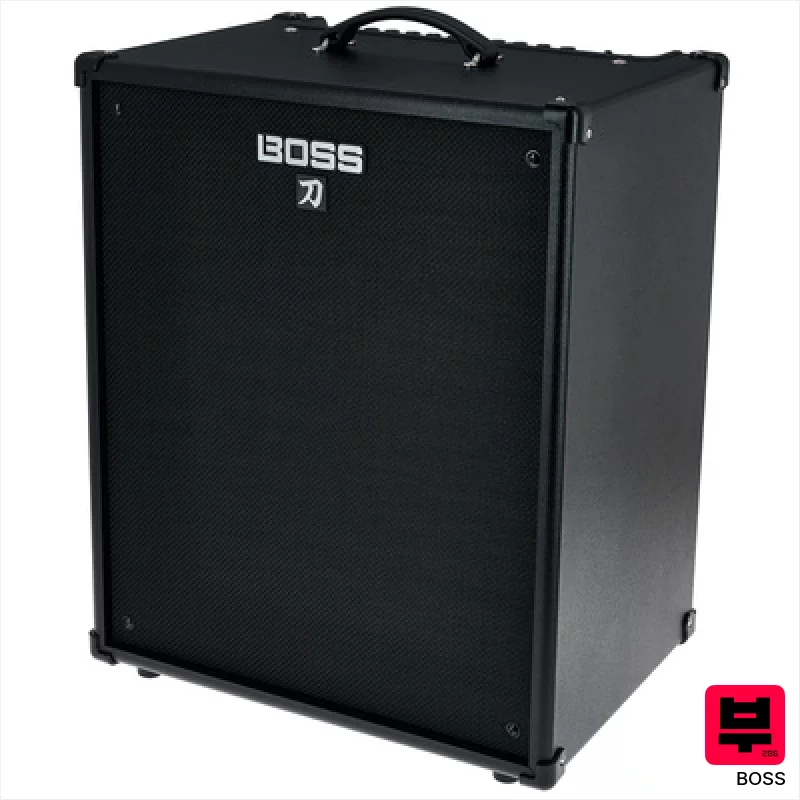
Boss Katana-210 Bass
- • Excellent modelling versatility covers a wide range of bass tones.
- • The 2x10” speaker configuration delivers surprisingly full low-end response.
- • BOSS Tone Studio software provides deep customization and tonal shaping.
- • Power Control feature maintains tone and feel at low practice volumes.
- • The 10” speakers lack the extreme sub-bass of larger cabinets.
- • While versatile, the amp character leans toward modern, less vintage.
- • The plastic enclosure feels a little less premium than some competitors.

Phil Jones BE-17 Bass Engine 70W Red
- • Compact Class-D design delivers surprising power and efficiency.
- • PJB ferrite speaker provides a focused, articulate low-end response.
- • Flexible EQ with +/-15dB range allows for significant tonal shaping.
- • Bluetooth 5.1 offers convenient music playback and connectivity.
- • 7” speaker limits extreme low-frequency extension for serious sub-bass needs.
- • EQ lacks a mid-frequency control, restricting precise tone sculpting.
- • While portable, the ferrite speaker adds noticeable weight for its size.
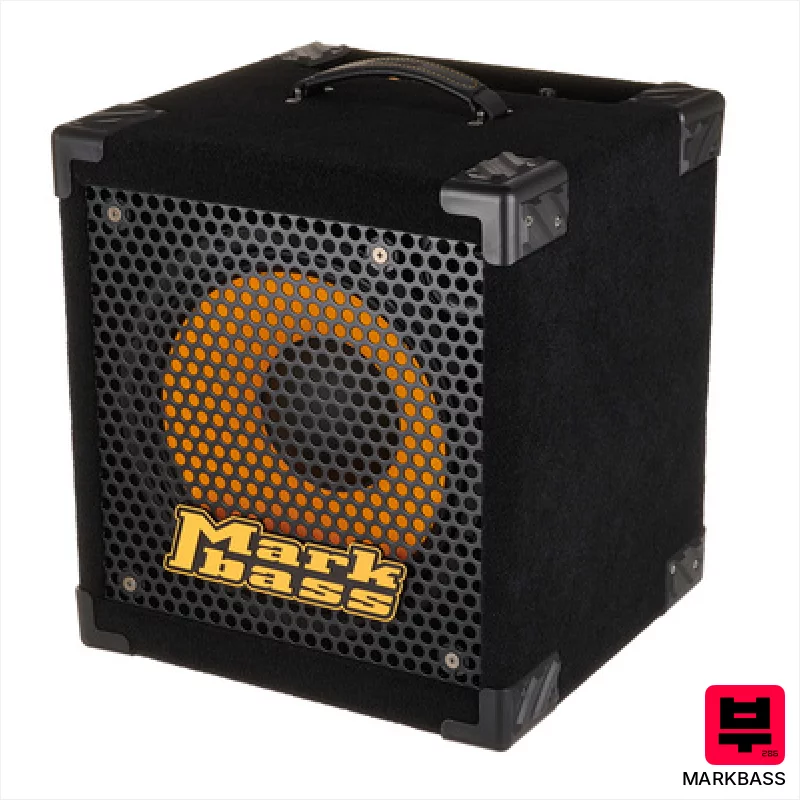
Markbass Mini CMD 121P V
- • Neodymium speaker delivers surprisingly powerful, articulate low-end.
- • Compact design and low weight make it incredibly portable for a 500W amp.
- • Markbass's 'Old School' mode adds a pleasing, vintage warmth and saturation.
- • Versatile EQ section with scooped-mid and FSW modes caters to diverse playing styles.
- • Limited power for very large venues or extremely loud bands.
- • Piezo tweeter can occasionally sound harsh at higher volumes; requires careful EQ adjustments.
- • Single channel design restricts complex layering or splitting sounds.
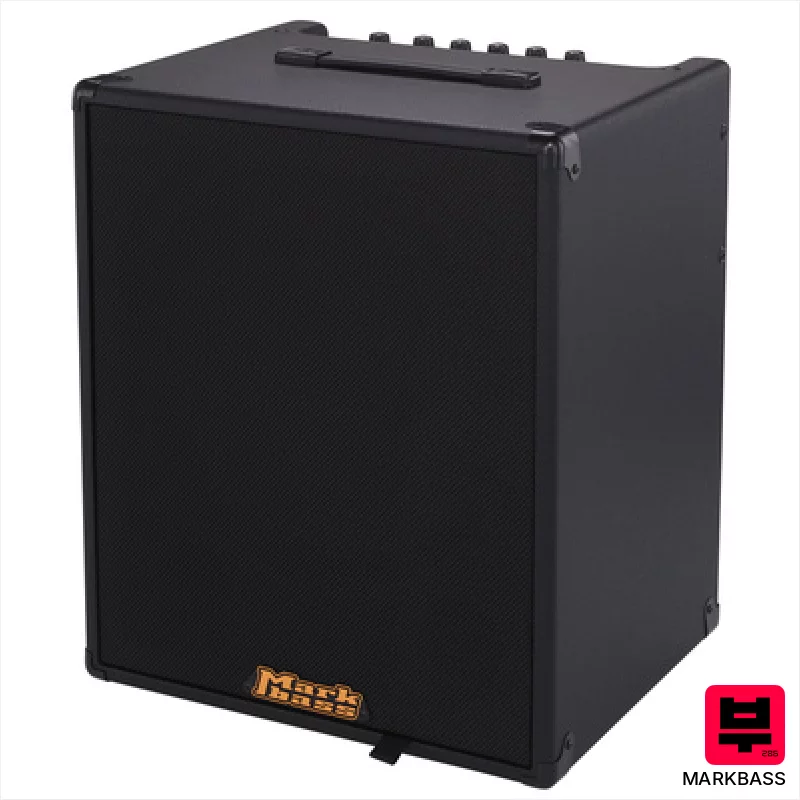
Markbass CMB 151 Black Line
- • Markbass’s Art Tube circuitry delivers a surprisingly warm, tube-like overdrive.
- • The 15” speaker provides a remarkably full and deep low-end response.
- • The EQ section with 'Mid Low' and 'Mid High' controls offers precise tone shaping.
- • The balanced XLR DI output is excellent for recording and live sound reinforcement.
- • The Black Line series, while reliable, lacks the premium build quality of their higher-end offerings.
- • At 150W, it's a bit heavy for frequent gigging or easy transport.
- • The single channel limits versatility for players needing complex signal chains.
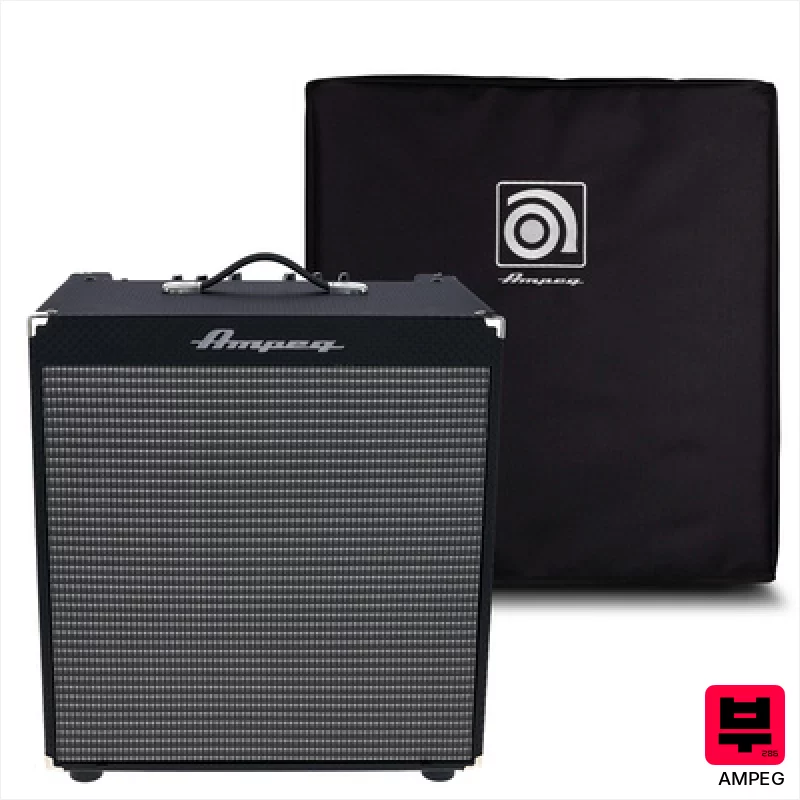
Ampeg RB-115 Bundle
- • Custom Eminence speaker delivers a warm, punchy low-end response.
- • SGT Overdrive adds a usable grit for rock and blues tones.
- • Solid build quality with durable 600-denier vinyl cover.
- • Versatile connectivity with DI out, effects loop, and speaker out.
- • Relatively heavy at 15.5kg, making transport a challenge.
- • 3-band EQ is basic; more advanced users might want more control.
- • Ultra-Hi/Lo switch offers limited tonal shaping compared to parametric EQ.
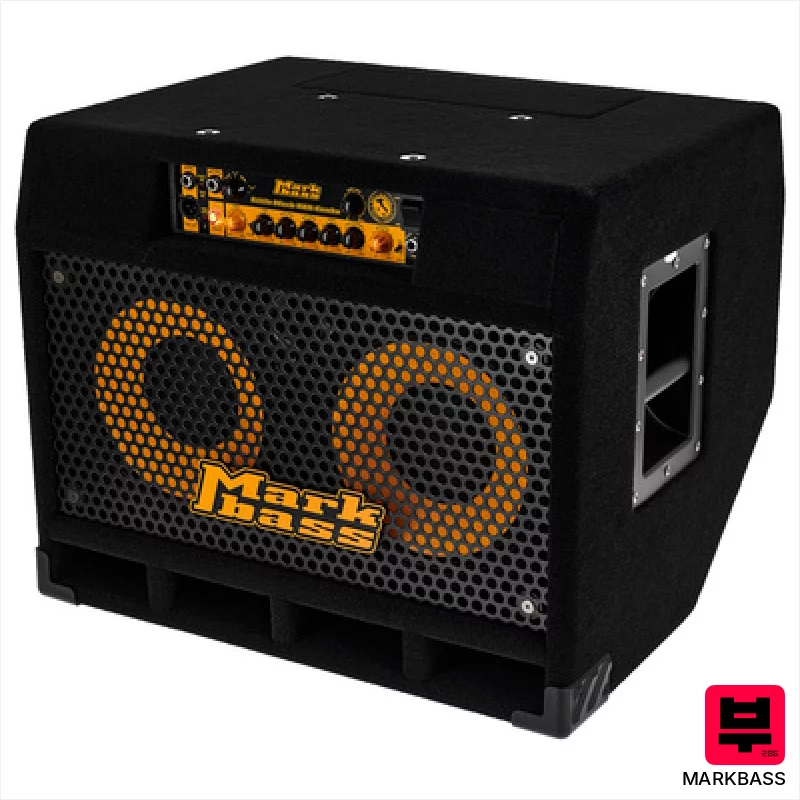
Markbass CMD 102P V
- • Neodymium speakers deliver impressive low-end extension and clarity.
- • Markbass's FSW (Finnish Sound Wave) mode offers a uniquely sculpted, modern tone.
- • Compact design and relatively low weight for a 2x10 combo—easily portable.
- • Versatile EQ with 'Old School' mode emulates classic tube amp characteristics.
- • Tweeter can be overly prominent if not carefully adjusted, occasionally harsh.
- • Limited headroom at higher volumes compared to larger Markbass offerings.
- • The angled monitor wedge, while useful, isn't ideal for all stage setups.
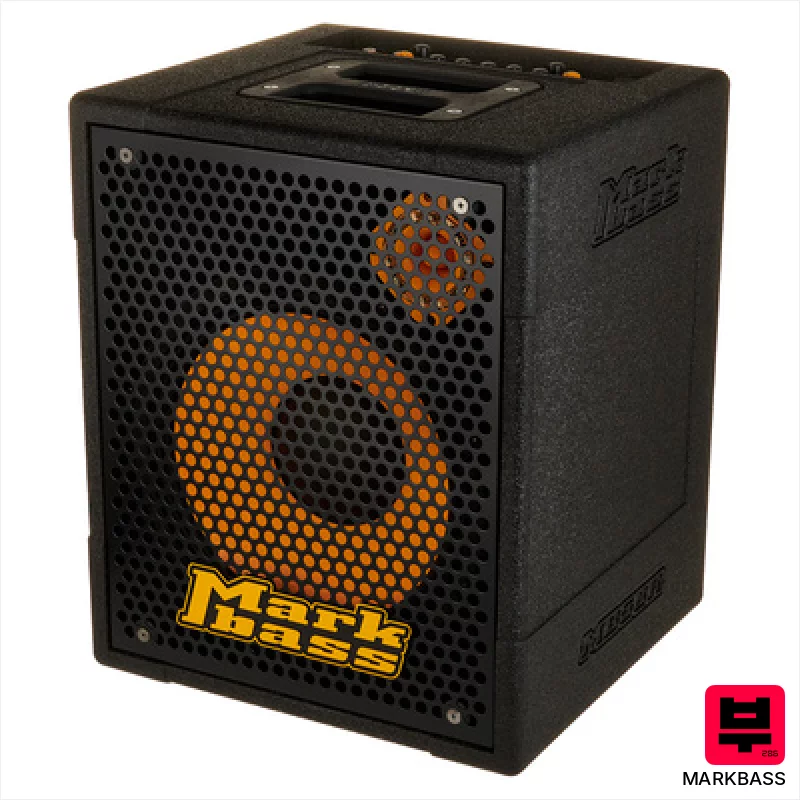
Markbass MB58R Mini CMD 121 Pure Combo
- • Neodymium speaker delivers tight, articulate low-end response.
- • Markbass’s signature 'Old School' mode adds pleasing harmonic richness.
- • Biodegradable housing is a surprisingly thoughtful, eco-conscious touch.
- • Compact size and 10.3kg weight make it surprisingly portable for the power.
- • The single channel limits tonal flexibility compared to multi-channel amps.
- • High-end frequencies can be a bit harsh without careful EQ adjustments.
- • While powerful, it might struggle in very large venues or loud band situations.
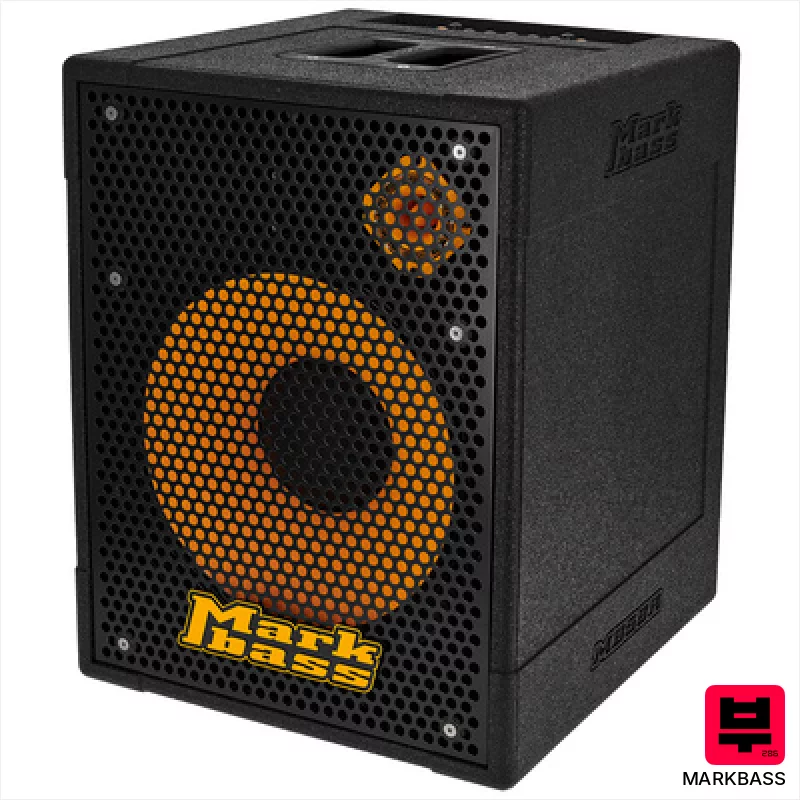
Markbass MB58R CMD 151 Pure Combo
- • Neodymium speaker delivers tight, focused low-end response.
- • Markbass's 'Old School' mode adds warmth and vintage character.
- • Bi-amp design provides clean headroom and powerful output.
- • Biodegradable housing showcases Markbass's commitment to sustainability.
- • Relatively heavy for a combo, portability can be an issue.
- • EQ, while flexible, might feel slightly limited for complex tones.
- • High-frequency tweeter can occasionally be a bit harsh at higher volumes.
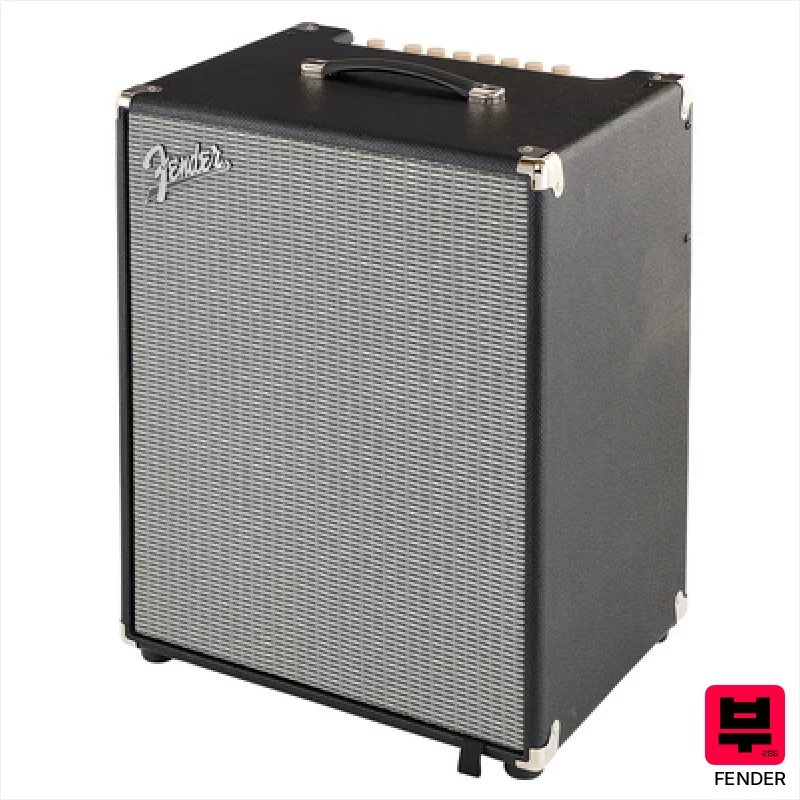
Fender Rumble 800 Combo
- • 800 watts delivers serious volume, easily handles a full band situation.
- • 2x10” Eminence speakers provide a surprisingly warm, full-bodied low-end response.
- • Contour and Vintage switches offer useful tonal shaping for different genres.
- • The compression tweeter adds clarity and articulation without harshness.
- • Relatively heavy for a combo amp, transport can be a challenge for solo players.
- • The overdrive, while usable, lacks the complexity of dedicated overdrive pedals.
- • The EQ, while functional, could benefit from a wider frequency range.

GR Bass AT Cube Acoustic
- • Italian craftsmanship ensures robust build and lasting reliability.
- • The Celestion speaker delivers a surprisingly full, articulate low-end.
- • Versatile EQ with notch filter handles feedback and shaping tones effectively.
- • Lightweight for a powerful combo, making transport relatively easy.
- • Limited effects options compared to more feature-rich competitors.
- • The 'bright' switch can be overly aggressive, requiring careful adjustment.
- • While versatile, it’s primarily optimized for double bass/acoustic bass – electric bass use is limited.
How to Choose the Best Solid-State Bass Combos
Quiet Operation
It's a practice amp, not a concert amp. We're looking for combos that offer genuinely usable low volumes - the kind where you can hear yourself think without driving your neighbors insane. Some cheap ones just get fizzy and harsh when you turn them down.
Tonal Versatility
You're not always playing the same genre. A combo that can handle clean, funky slap, and a bit of gritty distortion is way more useful than one that only does one thing well. The ability to dial in different EQ curves is a big plus.
Headroom & Cleanliness
Even at lower volumes, a combo needs to retain its clarity and dynamic response. Clipping and breakup at moderate levels is a sign of poor design. We want that clean articulation, especially when practicing complex lines.
Speaker Quality
A cheap speaker will make any amp sound bad. We're looking for combos with decent speakers that can reproduce the low-end thump without sounding muddy or boxy - something that translates reasonably well if you ever mic it up to record.
Connectivity
Beyond just an input and a speaker, useful features like headphone jacks, aux inputs for backing tracks, and line outputs for recording are essential for modern practice routines.
Buying Guide
Don't get fooled by wattage numbers. A 20-watt solid-state combo can sound surprisingly loud. Focus on the speaker size and the overall build quality-a flimsy amp won't hold up to regular use. Solid-state amps often cut corners on the speaker to save money, so listen carefully at low volumes. Spending a little more for a combo with a decent speaker and a few more connectivity options is almost always worth it.
Our Methodology
We didn't just pull these combos from spec sheets. We spent hours playing them through a variety of basses-fenders, musicmans, even a few boutique instruments-running them through DI boxes, and A/B-ing them against each other. The goal wasn't just to find 'good' amps, but to pinpoint which ones nail the specific needs of a practice environment: quiet operation, decent tone, and enough features to keep things interesting.

