AudioFu Chart · October 2026
Best Signature Guitars Under $800 2026
The top pick is Ibanez PS60 Paul Stanley Signature Iceman ($402). PRS SE Silver Sky Summit Purple leads the high end. Ranked by the AudioFu Index from 4 models across 4 brands, prices checked every night.
Last updated: October 19, 2026
Top 4
Full detail for the 4 highest AudioFu Index scores. Every other model is listed below.
-
Ibanez PS60 Paul Stanley Signature Iceman
PS60-SSL · Ibanez
30 for sale on Reverb2 finishes at Thomann
- Nut width43 mm (1.69")
- Scale628 mm (24.72")
- BodyPoplar body
The PS60-SSL is a seriously fun guitar, embodying Paul Stanley's stage presence and offering a surprisingly powerful sound for its price. It’s a great entry point into the Ibanez world and a solid choice for players wanting that classic rock vibe without the premium price tag – especially those drawn to a slightly shorter scale and a bit more aggression.
Pros
- Poplar body delivers a surprisingly resonant and balanced tone.
- Infinity R pickups offer a hot, aggressive output ideal for rock and glam.
- Maple neck provides fast playability and comfortable access up the fretboard.
Cons
- New Zealand pine fretboard can feel a bit softer than rosewood or ebony.
- Scale length is shorter, limiting low-end extension and sustain compared to longer scales.
63AudioFu
IndexStableno change since Aug 17Aug 17$402 now$402€357 at Thomann · in stockCheck price ↗ -
Epiphone Joan Jett Signature Olympic Special
Joan Jett Olympic Special VSB · Epiphone
16 for sale on Reverb1 finish at Thomann
- Scale629 mm (24.76")
- Frets22 frets
- Fingerboard radius305 mm (12.01")
- BodyMahogany body
- FingerboardRosewood fingerboard
This guitar feels solid thanks to its mahogany body and neck. The single PowerHammer Pro pickup drives it loud, but the one volume knob and on/off switch keep the controls simple. It suits players who want a classic sound without extra features.
Pros
- Mahogany body and neck for strong sustain and warmth
- Rosewood fingerboard with 22 medium jumbo frets
- PowerHammer Pro bridge pickup for solid output
Cons
- Single volume control limits tone shaping options
- On/Off toggle switch lacks master volume or pickup selection
54AudioFu
IndexStableno change since Sep 17Sep 17$652 now$652€579 at Thomann · in stockCheck price ↗ -
- Nut width42 mm (1.65")
- Scale648 mm (25.51")
- BodyPoplar body
- FingerboardMaple fingerboard
This SE Silver Sky Summit Purple is a fantastic option for players chasing a modern Fender vibe without the Fender price tag. The neck profile is incredibly comfortable, and the pickups have a surprising amount of grit when you dig in – it’s a great platform for indie, funk, and lighter rock styles. It’s a really well-built instrument for the money.
Pros
- The 635JM 'S' pickups deliver a surprisingly thick and articulate clean tone.
- Maple fretboard offers a snappy feel and bright, clear note definition.
- The 635JM neck profile is comfortable and familiar for a wide range of players.
Cons
- Poplar body can feel a bit less resonant compared to mahogany or alder.
- Shorter scale length (648mm) might feel cramped for players with larger hands.
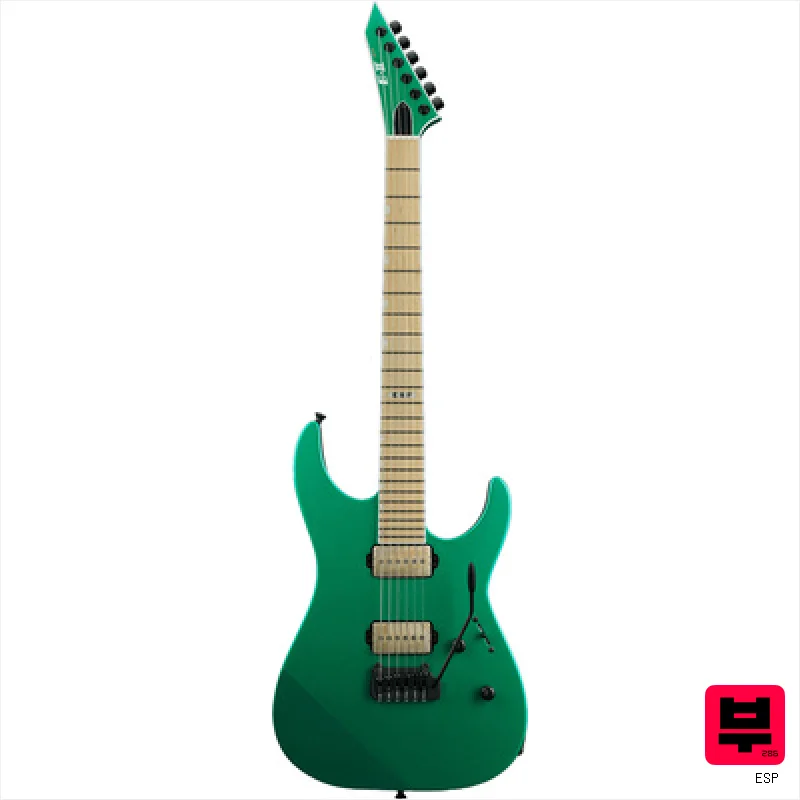
-
- Scale648 mm (25.51")
- Frets22 frets
- BodyBasswood body
- FingerboardLaurel fingerboard
This guitar has a sleek matte finish and a soft neck that feels comfortable to play. The long scale and extra frets help you reach high notes easily. It sounds big and loud thanks to the custom humbuckers. Great for players who want a solid tone without spending a fortune.
Pros
- Matte olive green finish looks unique and modern
- Soft V neck profile is easy for any hand size
- 22 frets give plenty of reach up the neck
Cons
- No weight listed makes handling feel unknown
- Body is basswood instead of heavier maple
40AudioFu
IndexStableno change since Aug 17Aug 17$737 now$737€655 at Thomann · in stockCheck price ↗
Signature Guitars by the numbers
Measured across all 5 models we track, not a sample.
median of 5 models · 628 mm (24.72")–648 mm (25.51")
most common · 5 models
How the AudioFu Index works
Five measured signals and nothing else — no stars from strangers, no “tested by experts” we didn’t do. The weights are fixed and public. We don’t play these instruments; we measure the market around them.
This chart covers 5 signature guitars from the Thomann catalogue. Before you buy, read hands-on reviews and, where you can, play it. Full methodology.
AudioFu earns a commission when you buy through our Thomann links. It never changes the order — the index does.
- Demand40%
How many of this exact model are for sale on Reverb right now — what musicians actually buy and resell.
- Lineup20%
How many finishes Thomann stocks — makers expand the models that sell.
- Price15%
Where the price has moved since we started tracking in August.
- Specs15%
How completely the maker documents it.
- Maker10%
How deep the brand’s range is in this category.
Questions
What should I look for when buying signature guitars?
Key factors include build quality, sound characteristics, playability, brand reputation, warranty coverage, and value for money. Consider your musical style, skill level, and intended use to find the best match.
How much should I spend on signature guitars?
Budget depends on your needs and experience level. Beginners can find quality options for $200-500, intermediate players should consider $500-1500 range, while professionals often invest $1500+ for premium features.
Are expensive signature guitars worth the investment?
Higher-priced signature guitars typically offer better materials, craftsmanship, and performance. They're worth it if you're serious about music, perform regularly, or need professional-grade features.
What are the best brands for signature guitars?
Top brands combine quality, innovation, and reliability. We evaluate brands based on build quality, sound performance, durability, and customer satisfaction to recommend the best options for different budgets.
Should I buy signature guitars online or in-store?
Both have advantages. Online offers better prices and selection, while stores allow hands-on testing. We recommend researching online first, then testing in stores if possible. Many online retailers offer excellent return policies.