
Best Sampler Modules for Loop Creation 2026
Alright, so you're diving into the modular world and want to build some seriously cool loop-based sounds? A sampler module is your gateway. Forget those sterile, pristine digital samples - we're talking about mangling, warping, and sculpting audio into something completely new. These aren't just playback devices; they're sonic playgrounds for loop creation, and choosing the right one can make or break your sound.
Last updated: July 22, 2026 • Next update: July 29, 2026
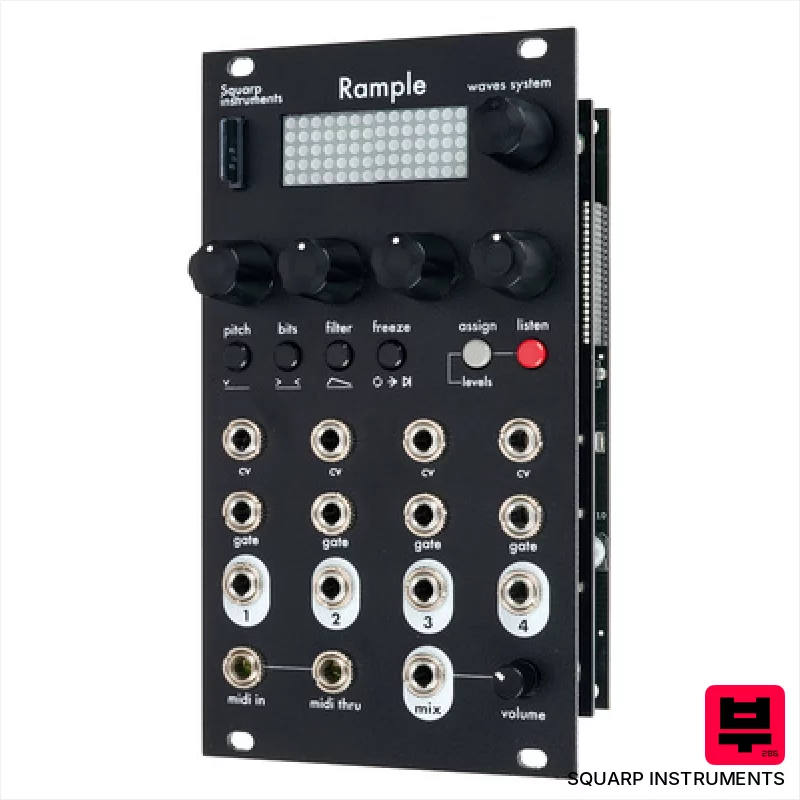
Squarp Instruments Rample
- • Excellent sample layering capabilities for complex textures.
- • Intuitive matrix display simplifies navigation and parameter tweaking.
- • DC-coupled outputs unlock creative CV modulation possibilities.
- • Compact 14TE width maximizes space within a Eurorack setup.
- • Limited memory compared to dedicated sample workstations.
- • The matrix display, while clever, can feel cramped for complex edits.
- • Effect selection, while versatile, lacks deep parameter customization.
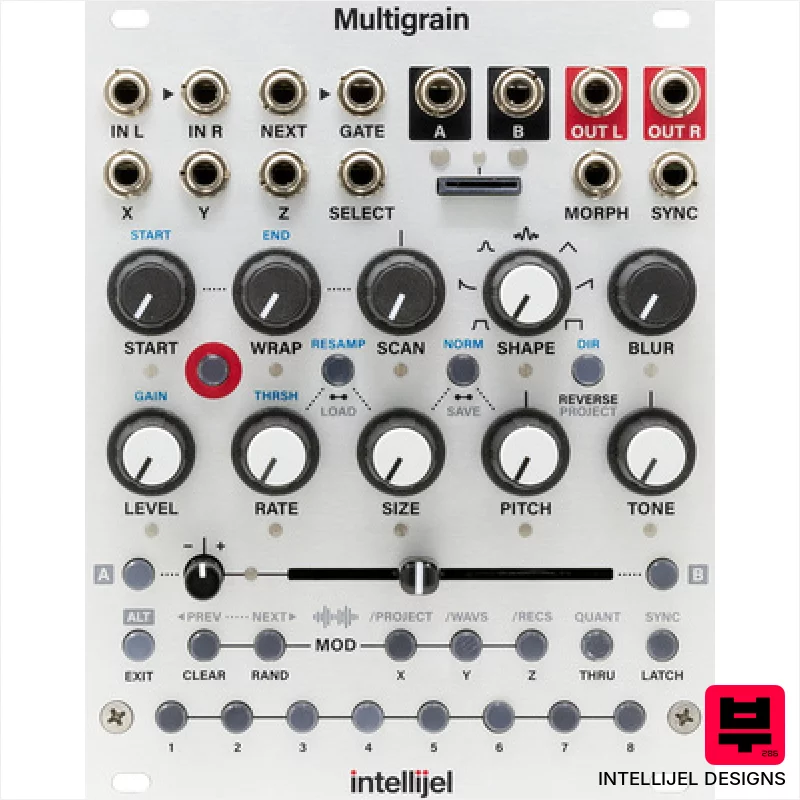
Intellijel Designs Multigrain
- • Exceptional granular engine delivers truly unique, evolving textures.
- • Intuitive parameter mapping allows for deep sonic exploration on the fly.
- • MicroSD card storage enables vast sample libraries and project portability.
- • Morph CV input unlocks incredibly expressive, evolving soundscapes.
- • The learning curve can be steep for granular synthesis newcomers.
- • Limited sample length (32s) restricts complex, long-form sample manipulation.
- • Intellijel’s aesthetic, while iconic, might not appeal to all.
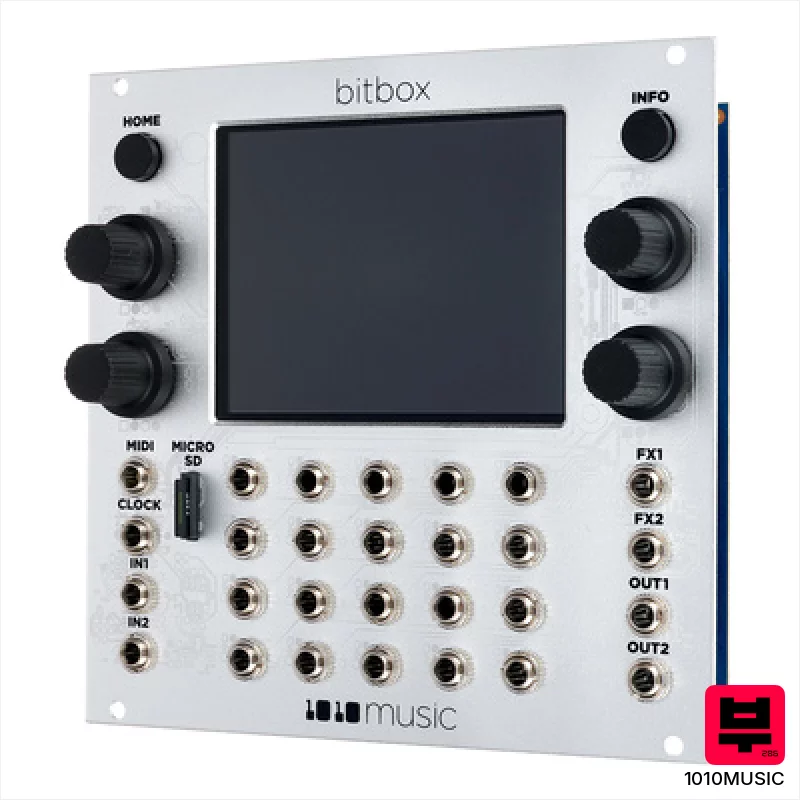
1010music bitbox MK2
- • Exceptional sample manipulation capabilities for granular textures
- • Robust DC-coupled I/O offers precise CV control
- • Internal resampling simplifies complex looping workflows
- • Intuitive pad layout fosters immediate creative exploration
- • 64MB internal memory limits large sample libraries
- • Steep learning curve for advanced granular and slicing features
- • Limited onboard effects compared to dedicated effects units

Make Noise Morphagene
- • Exceptional voltage control offers incredible sonic manipulation possibilities
- • Layering capability creates rich, evolving textures and soundscapes
- • SD card storage allows for extensive sample libraries and experimentation
- • 24-bit codec ensures high-fidelity recordings and playback
- • Limited sample time necessitates creative, concise sound design
- • 20HP footprint demands careful modular system planning
- • Steep learning curve for users unfamiliar with granular synthesis
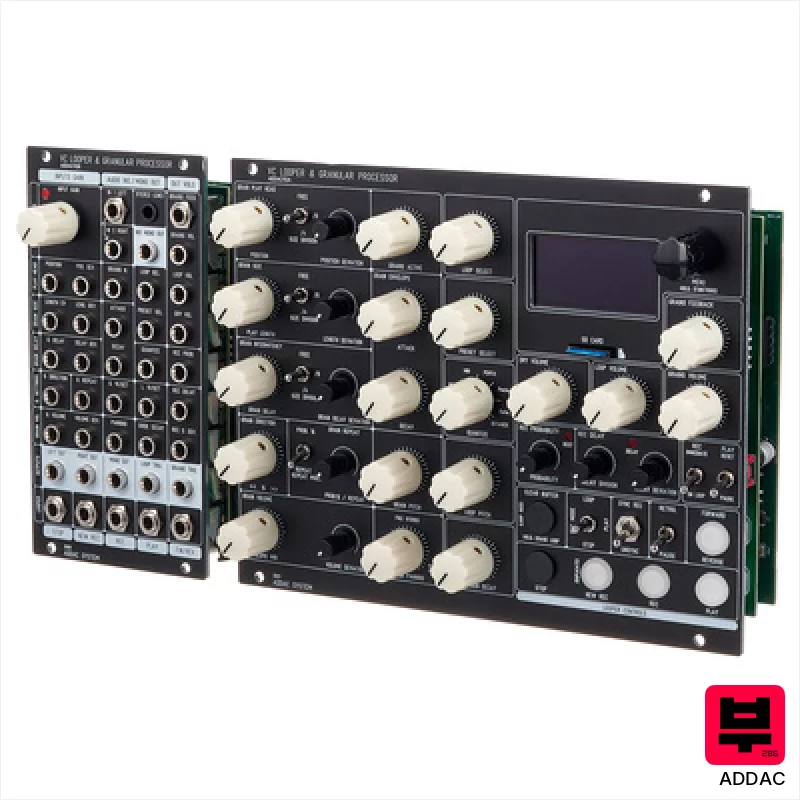
ADDAC 112 VC Looper & Granular Proc.
- • Exceptional granular engine offers incredible textural possibilities.
- • Comprehensive CV control unlocks deep, expressive manipulation.
- • SD card storage simplifies loop management and preset recall.
- • Dual mono inputs and stereo line input provide flexible routing options.
- • The 32HP/13HP footprint can be restrictive in smaller racks.
- • Mono .wav recording limits stereo field manipulation post-capture.
- • Learning curve is steep for granular synthesis newcomers.

4ms Sampler
- • Excellent sample fidelity with 24-bit/48kHz resolution.
- • 60 banks offer a surprising amount of sonic flexibility.
- • MicroSD card provides expandable storage for extensive sample libraries.
- • CV inputs offer deep modulation possibilities for creative sound design.
- • Limited polyphony restricts layering complex sample arrangements.
- • The interface, while functional, lacks the visual feedback of more modern samplers.
- • Power consumption could be a concern for power-constrained modular systems.

Erica Synths Sample Drum
- • Dual channels offer incredible flexibility for layered drum patterns
- • MicroSD storage provides vast sample library potential
- • 6 encoders grant precise, real-time control over sample playback
- • Solid build quality typical of Erica Synths’ robust design
- • 14TE width can be restrictive in smaller Eurorack cases
- • Sample editing features are basic; more advanced editing requires external tools
- • Limited polyphony restricts complex, multi-sample drum kits
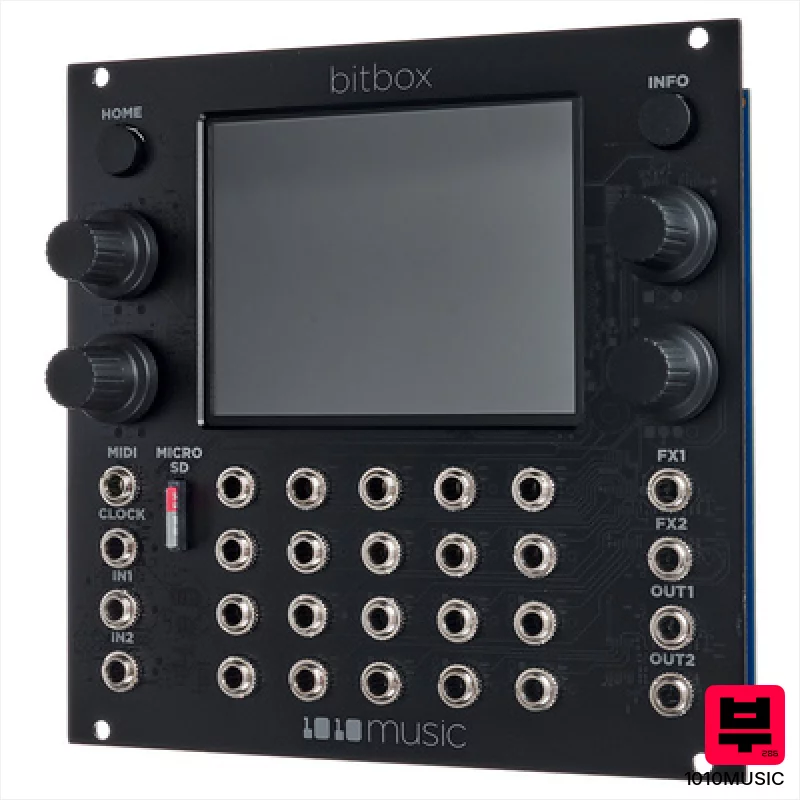
1010music bitbox MK2 Black Edition
- • Robust CNC-machined aluminum chassis feels incredibly solid and premium.
- • Exceptional flexibility in sample manipulation with granular and slicer modes.
- • CV control over parameters opens incredible possibilities for performance and sequencing.
- • MicroSD card support allows for massive sample libraries and extended playback.
- • The learning curve is steep; mastering all features takes dedicated practice.
- • Limited polyphony compared to dedicated sampler workstations.
- • Black Edition’s matte finish is a fingerprint magnet.
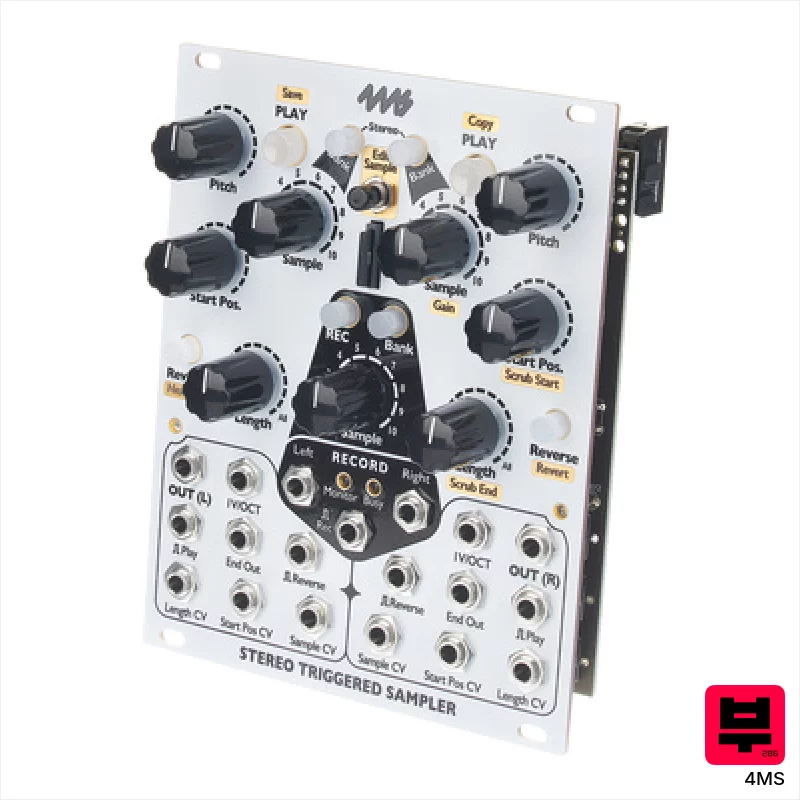
4ms Stereo Triggered Sampler
- • Exceptional stereo fidelity captures nuances often lost in mono samplers.
- • Intuitive on-module editing drastically simplifies workflow, a 4ms hallmark.
- • MicroSD card storage offers immense flexibility and sample library potential.
- • CV control over key parameters unlocks complex, generative sequencing possibilities.
- • 20 TE width demands significant space in a Eurorack setup.
- • Steeper learning curve compared to simpler sampler modules.
- • Power draw is relatively high, requiring a robust power supply.
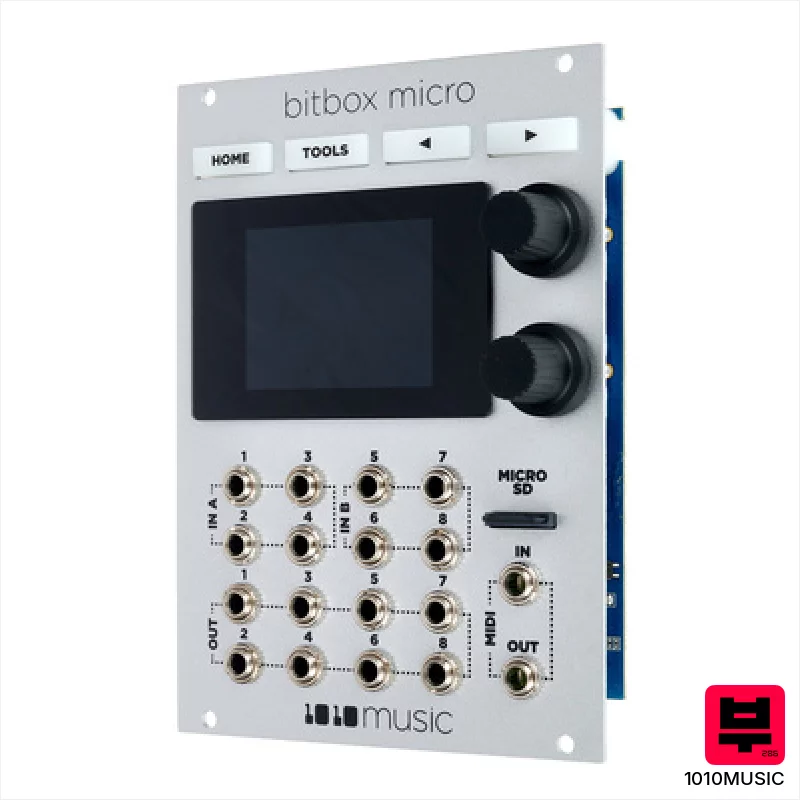
1010music bitbox micro
- • Intuitive touchscreen provides precise control over complex sampling workflows
- • DC-coupled audio paths allow for seamless integration with Eurorack systems
- • MicroSD card support unlocks massive sample libraries and extended playback
- • Automated multisampling via CV/MIDI streamlines creative experimentation
- • 18HP footprint might be restrictive for smaller Eurorack cases
- • Touchscreen resolution, while functional, isn't the highest fidelity
- • Limited physical controls demand reliance on CV/MIDI for nuanced adjustments
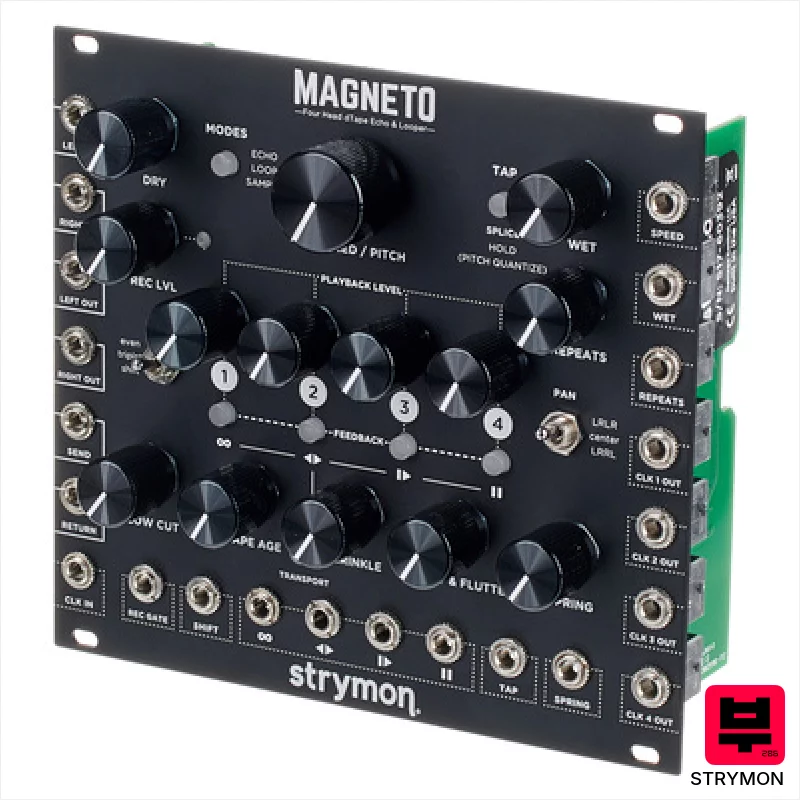
Strymon Magneto
- • Strymon’s Varispeed algorithm delivers incredibly nuanced, evolving textures.
- • Four playback heads allow for complex, interwoven delay patterns and rhythmic loops.
- • The spring reverb emulation is remarkably authentic, adding warmth and character.
- • Phase-aligned clocking ensures tight synchronization with other Eurorack modules.
- • 15-second maximum duration limits longer phrase sampling and looping capabilities.
- • Power draw is relatively high, requiring a robust power supply.
- • The learning curve can be steep for users unfamiliar with tape delay mechanics.
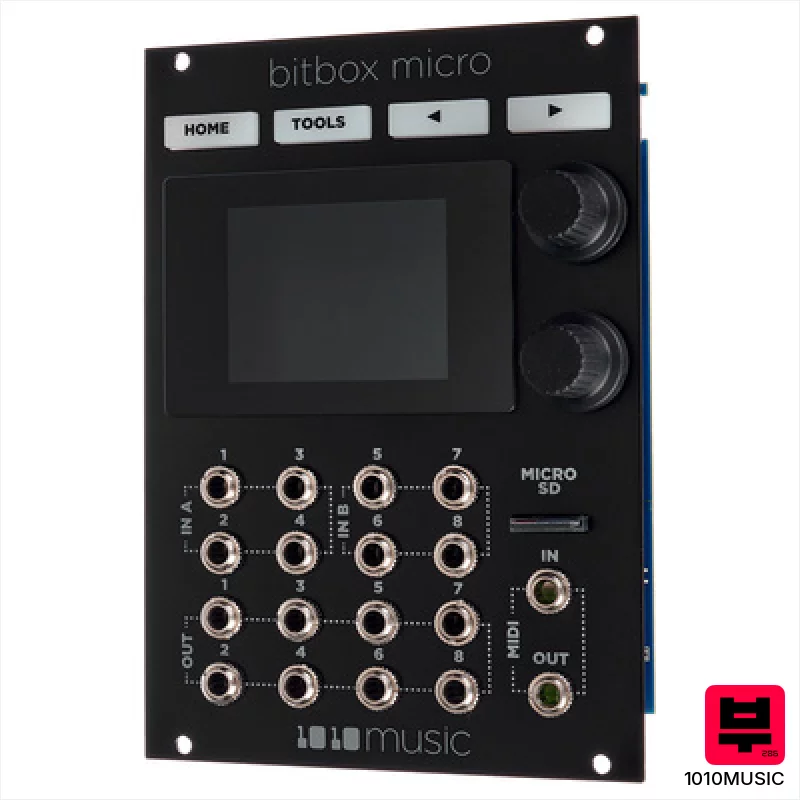
1010music bitbox micro Black Edition
- • Intuitive touchscreen interface significantly streamlines sample manipulation.
- • Robust build quality; the black anodized aluminum feels premium and durable.
- • Flexible routing options allow for complex, evolving soundscapes.
- • MicroSD card support unlocks vast sample libraries and extended playback.
- • 18HP footprint can be limiting in smaller Eurorack cases.
- • Steep learning curve for users unfamiliar with granular synthesis techniques.
- • DC-coupled design might require careful voltage considerations with certain modules.

4ms WAV Recorder
- • High-resolution 24-bit/96kHz recording captures nuanced sonic details.
- • Robust microSD card support enables extensive sample libraries.
- • 4ms's signature build quality ensures long-term reliability.
- • Seamless integration with other 4ms Listen modules expands creative workflows.
- • 6 TE width can be limiting in smaller Eurorack cases.
- • MicroSD card not included; an unexpected extra expense.
- • Gain control lacks fine-grained resolution for delicate recordings.
How to Choose the Best Sampler Modules
Sample Length & Polyphony
Longer sample times (at least 8 seconds, ideally 12+) are crucial for evolving loops. Polyphony dictates how many samples can play simultaneously - more is better for layering and complex textures.
Granular Engine
This is where the magic happens. A good granular engine allows you to chop samples into tiny grains and manipulate their pitch, time, and density, leading to those glitchy, evolving textures loopers crave. The more parameters you have, the more creative you can be.
Modulation Capabilities
Sample playback parameters need to be modulation-ready. We're talking CV inputs for pitch, grain size, playback speed, and more. This is what allows you to create evolving, dynamic loops that breathe and respond to your performance.
Envelope Shaping
Basic attack/decay/sustain is fine, but look for modules with multiple envelopes, looping envelopes, or even envelope generators for truly dynamic looping. This controls how your loops fade in, sustain, and fade out, a critical element for creating movement and interest.
Audio Routing & Effects
The ability to route audio through internal effects (like reverb, delay, or distortion) or external modules is essential. A little bit of grit or space can transform a simple loop into something truly captivating.
Buying Guide
Don't fall for the "more features = better" trap. Some of these modules get complex quickly, and you'll spend more time tweaking menus than actually making music. If you're new to granular synthesis, start with something relatively straightforward. Cheaper modules often cut corners on sample playback quality - listen for aliasing and digital artifacts. Paying a bit more for a module with a clean signal path and good headroom will save you headaches later.
Our Methodology
We're not just looking at spec sheets here. I've spent years gigging, recording, and just plain messing around with gear, and that's how we evaluate these samplers. We're A/B-ing against each other, throwing them into real-world band rehearsal scenarios (because that's where the rubber meets the road), and paying close attention to how they handle complex loops and dynamic performances.

