
Best Reporter Microphones Under $5,000 2026
So, you need a solid reporter mic, but your studio budget isn't exactly limitless? Been there. Getting that clear, present vocal signal without blowing your entire advance is key, especially when you're balancing rent, strings, and that vintage fuzz pedal you've been eyeing. This list digs into the best reporter mics you can realistically snag for under $5000, focusing on what you actually get for your money.
Last updated: April 11, 2026
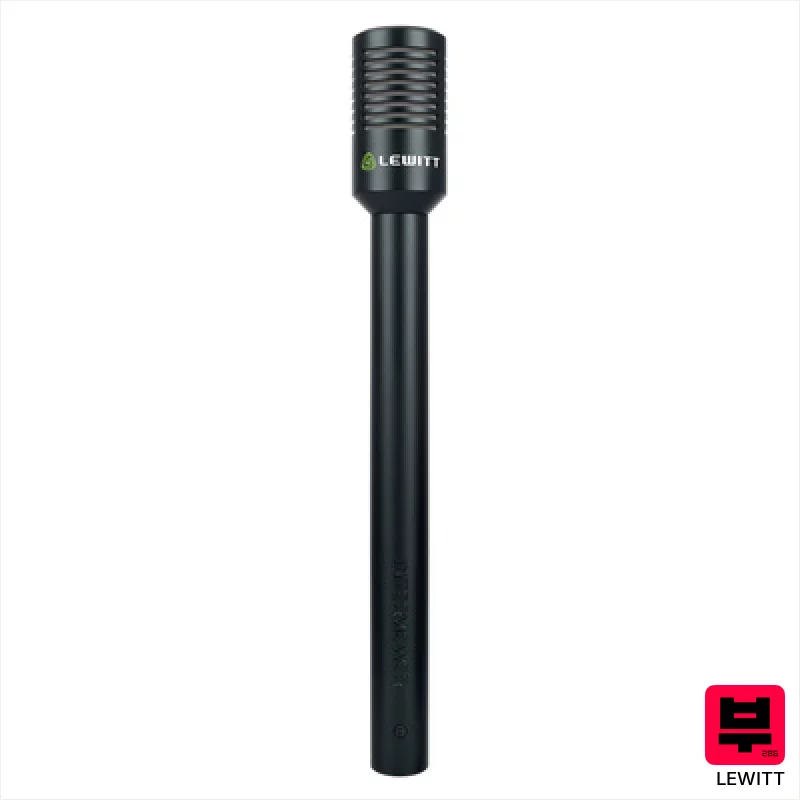
Lewitt Interviewer
- • Robust zinc die-cast body feels built to withstand field use
- • Omnidirectional pickup captures clear audio without needing precise mic placement
- • Gold-plated XLR ensures reliable signal transfer and resists corrosion
- • Included accessories like the flag and cable simplify on-location recording
- • Lacks a high-pass filter for rumble and low-frequency noise
- • Limited frequency response compared to studio condensers, sacrificing some detail
- • While durable, the metal body can still pick up handling noise
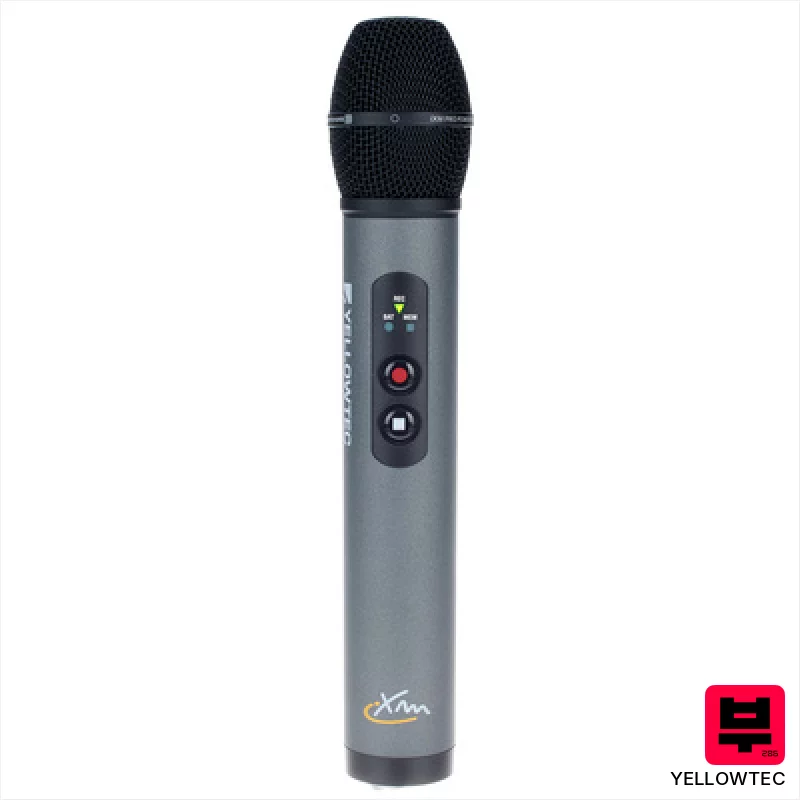
Yellowtec iXm Premium Omni
- • Exceptional LEA engine eliminates distortion, maintains pristine audio
- • Beyerdynamic capsule delivers clear, natural, broadcast-ready sound
- • Dual battery system provides extended runtime for demanding shoots
- • Intuitive controls and pre-roll buffer streamline interview workflows
- • Premium-priced, making it a significant investment for smaller operations
- • Omnidirectional pickup can be problematic in noisy environments
- • Relatively bulky and heavy for handheld operation, tiring over long periods
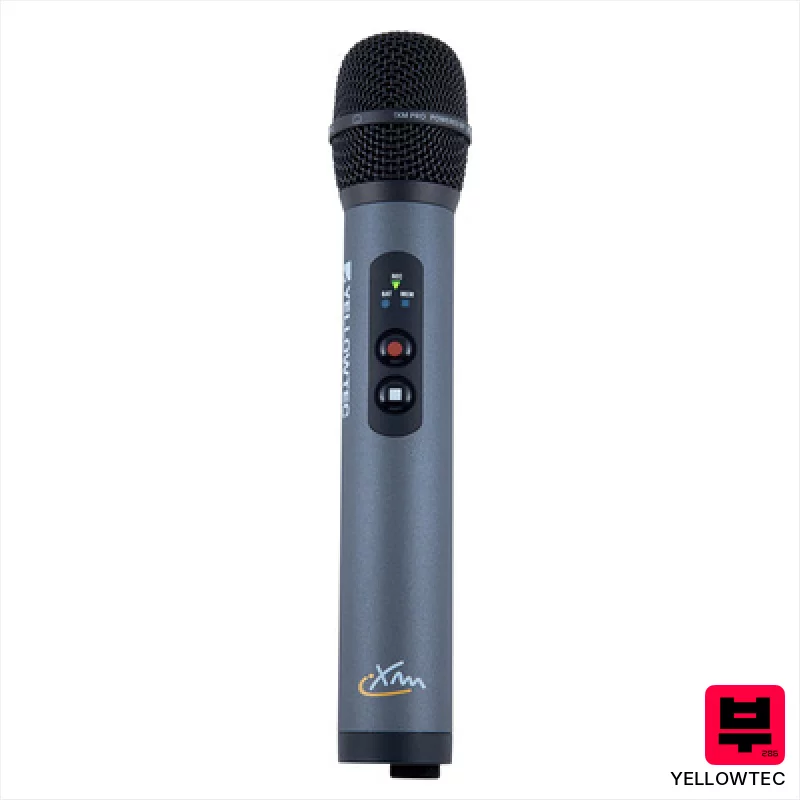
Yellowtec iXm Bundle Pro Cardioid
- • Excellent LEA engine eliminates clipping, crucial for interview scenarios
- • Dual power system offers exceptional flexibility and extended runtime
- • Robust build quality with durable materials; feels premium in hand
- • Pre-roll buffer prevents missed crucial moments during recording
- • Cardioid pattern limits versatility in multi-mic situations
- • Premium-priced, a significant investment for budget-conscious users
- • Size and weight can be cumbersome for extended handheld operation

Yellowtec iXm Bundle Pro Supercardioid
- • Excellent LEA engine eliminates clipping, preserving dynamic range.
- • Supercardioid pattern offers strong rejection of off-axis noise.
- • Dual battery system provides extended recording time in the field.
- • Robust build quality with a reassuringly solid feel and durable materials.
- • Premium-priced, a significant investment for many users.
- • Supercardioid pattern can be tricky to manage in tight spaces.
- • Limited versatility; optimized for speech, not ideal for music recording.
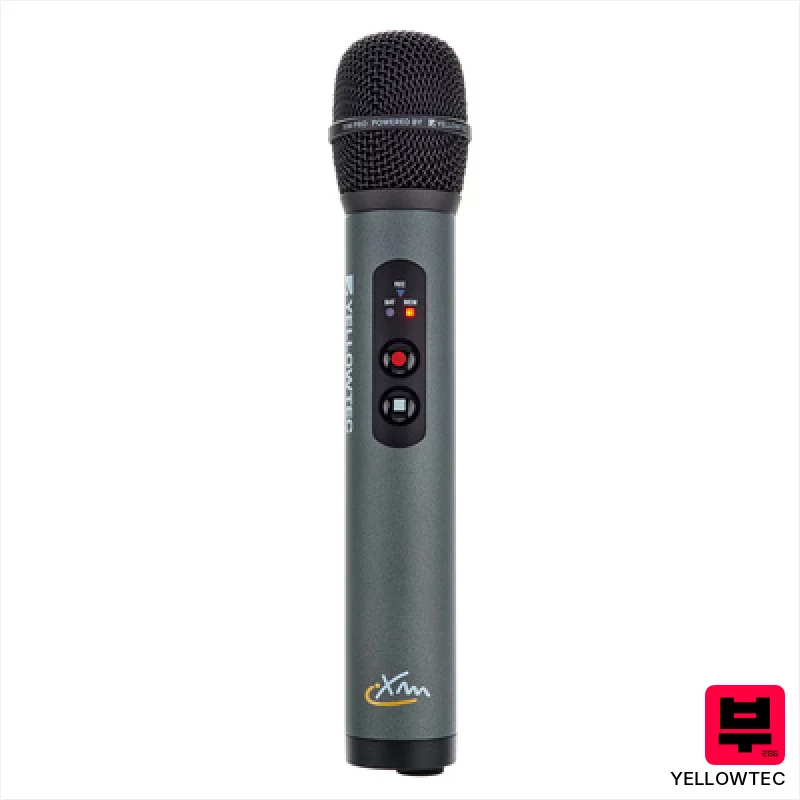
Yellowtec iXm Pro Cardioid
- • Exceptional LEA engine eliminates clipping, provides clean audio
- • Robust Swiss-built construction ensures longevity and reliability
- • Dual battery system offers extended field recording capability
- • Pre-roll buffer prevents missed critical moments in interviews
- • Premium-priced, represents a significant investment for many users
- • Cardioid pattern limits versatility in multi-mic scenarios
- • Relatively bulky and heavier than smaller reporter mics

Sennheiser MD21-U
- • Robust metal housing provides exceptional durability for field use
- • Omnidirectional pickup captures clear audio even in noisy environments
- • Natural vocal reproduction avoids harshness or artificial coloration
- • Excellent off-axis rejection minimizes background noise effectively
- • Somewhat heavy, potentially fatiguing for extended handheld use
- • Limited polar pattern options restrict versatility for studio applications
- • Higher impedance requires a suitable preamp for optimal performance

Rode Interview Pro
- • Excellent omni pickup for natural, uncolored interviews.
- • Integrated recorder eliminates external gear complexity.
- • Robust build quality; feels solid and dependable in hand.
- • License-free operation simplifies setup, avoiding bureaucratic hurdles.
- • The 246g weight can be fatiguing during prolonged handheld use.
- • Omnidirectional nature picks up ambient noise, requiring careful environment selection.
- • Limited flexibility for studio recording compared to dedicated mics.

Sennheiser MD46 Microphone
- • Robust zinc die-cast construction ensures lasting durability on location
- • Cardioid pattern effectively rejects background noise for clear recordings
- • Long handle facilitates comfortable grip and discreet placement
- • Excellent off-axis rejection minimizes room ambience and unwanted sounds
- • Limited frequency response compared to studio condensers, lacking high-end detail
- • Relatively high impedance requires a suitable preamp for optimal performance
- • The long handle can be unwieldy in tight spaces or on a stand
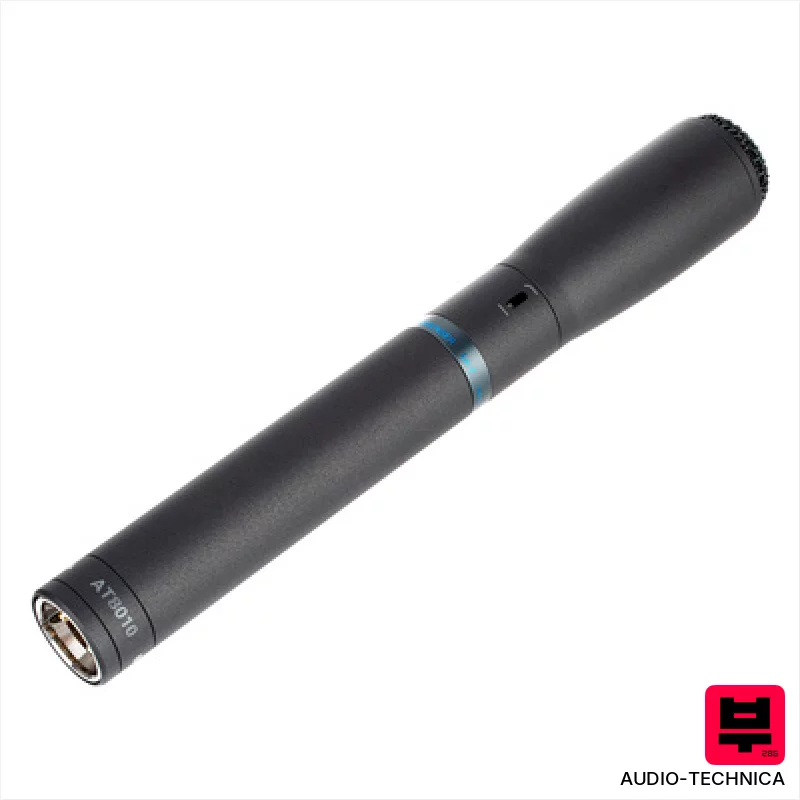
Audio-Technica AT 8010
- • Excellent off-axis rejection minimizes room noise effectively
- • Robust metal body feels durable and inspires confidence
- • Battery operation provides unmatched flexibility in remote locations
- • Clear, natural sound reproduction excels in broadcast environments
- • Somewhat bulky design isn't ideal for extremely cramped spaces
- • Omnidirectional nature demands careful microphone placement
- • Higher impedance requires a preamp with sufficient gain
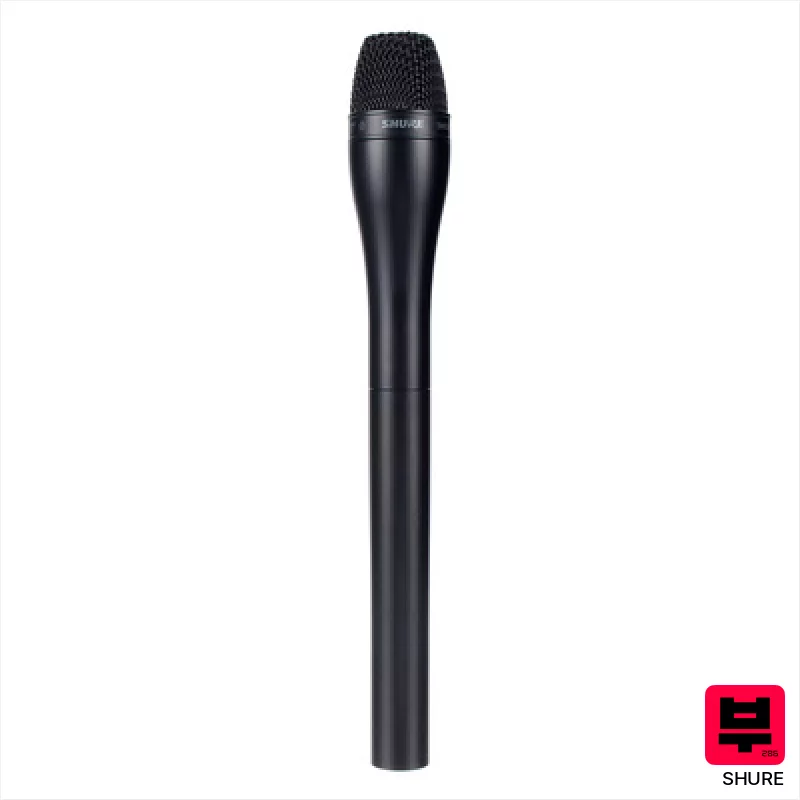
Shure SM 63 LB
- • Robust zinc alloy body provides excellent durability for field use
- • Omnidirectional pickup accurately captures ambient sound and multiple speakers
- • Clear, natural voice reproduction ideal for broadcast and interviews
- • Lightweight design and included clip offer comfortable, stable on-air use
- • Lacks a built-in shock mount, can pick up handling noise
- • Omnidirectional pattern isn’t suitable for isolating single sound sources
- • Limited frequency response compared to condenser reporter mics

Sennheiser MD42
- • Robust double mesh head effectively rejects wind and plosives
- • Shock-mounted capsule minimizes handling noise for clean recordings
- • Omnidirectional pickup captures natural room ambience and sound sources
- • Durable construction withstands demanding on-location reporting environments
- • Limited frequency response compared to studio condensers, lacking detail in highs
- • Significant weight makes prolonged use tiring, especially with accessories
- • Omnidirectional pattern picks up unwanted background noise readily

Shure VP64 A
- • Neodymium magnet delivers strong signal, minimizing preamp noise.
- • Omnidirectional pattern simplifies placement; forgiving for quick setups.
- • Robust internal rubber suspension reduces handling noise effectively.
- • Attractive, low-profile design integrates well with camera rigs.
- • Omnidirectional nature picks up ambient noise; not ideal for loud environments.
- • Dynamic mic lacks the sensitivity needed for quiet vocal recordings.
- • Limited frequency response compared to condenser alternatives; lacks detail.
Reporter Microphones by the numbers
Measured across all 12 models in this category, so «wide», «short» or «expensive» mean something you can check.
How to Choose the Best Reporter Microphones
Polar Pattern
Cardioid is king for most reporting situations - it rejects stage noise and focuses on the source. Figure-8 can be useful for interviews with two people, but demands more careful mic placement.
Frequency Response
Look for a balanced response. Too much emphasis on the high end can sound brittle and harsh; too much low-end can get muddy in a mix. That 'fat midrange honk' is often what makes a vocal sit well - it needs to be present without being overpowering.
Sensitivity & Self-Noise
Lower self-noise is crucial for quiet environments. Higher sensitivity means you'll need less preamp gain, which can help keep your noise floor clean. It's a balancing act; more sensitivity can also pick up more room noise.
Build Quality & Durability
Gigging means bumps, drops, and general abuse. A mic that falls apart after a few gigs is a waste of money, no matter how good it sounds in a controlled environment. Solid construction and a decent shock mount are essential.
Transient Response & Articulation
Can the mic accurately reproduce fast, percussive sounds like vocal plosives or the attack of a snare drum? Good transient response means the mic isn't smearing the details - it's capturing the nuance of the performance.
Buying Guide
At this price point, you're mostly trading off features and build quality. Don't expect the absolute lowest self-noise or the widest frequency response. Often, a slightly less 'perfect' mic that's built like a tank and sounds consistently good is better than a mic that sounds amazing for 10 minutes before the capsule starts rattling. Watch out for mics relying heavily on hype - they might sound great solo, but fall flat in a mix.
How This List Is Built
We don't play these instruments — we're a catalog, not a review desk, and we'd rather say so than pretend otherwise. This page covers 12 reporter microphones from the Thomann catalogue, which is the largest single source of specification data in this category: 12 in detail, the rest listed with their specifications.
Position is computed, not curated. We parse the manufacturer's own description into actual values — nut width, scale, fret count, fingerboard radius, size, alloy — and rank on them: how many specifications a model has published, how many of them are measurable numbers, and how precisely it meets this page's criterion. A product image adds a little. Price is not a ranking signal: it tells you nothing about whether a neck fits your hand. The same inputs always produce the same order, so nothing here is shuffled to look fresh.
What this list is good for: narrowing a category down to a shortlist by spec and budget. What it isn't: a substitute for hearing an instrument. Before you buy, read hands-on reviews and, where you can, play it. Full methodology.

