
Best Reporter Microphones for Broadcast 2026
So, you're stepping up your broadcast game? Forget those cheap clip-ons that sound like you're talking through a tin can. A good reporter mic isn't just about picking up your voice; it's about delivering it with clarity, warmth, and a professional polish - especially when you're battling background noise or recording a remote. Let's dial in the right mic for the job, so you sound like the pro you are.
Last updated: July 22, 2026 • Next update: July 29, 2026
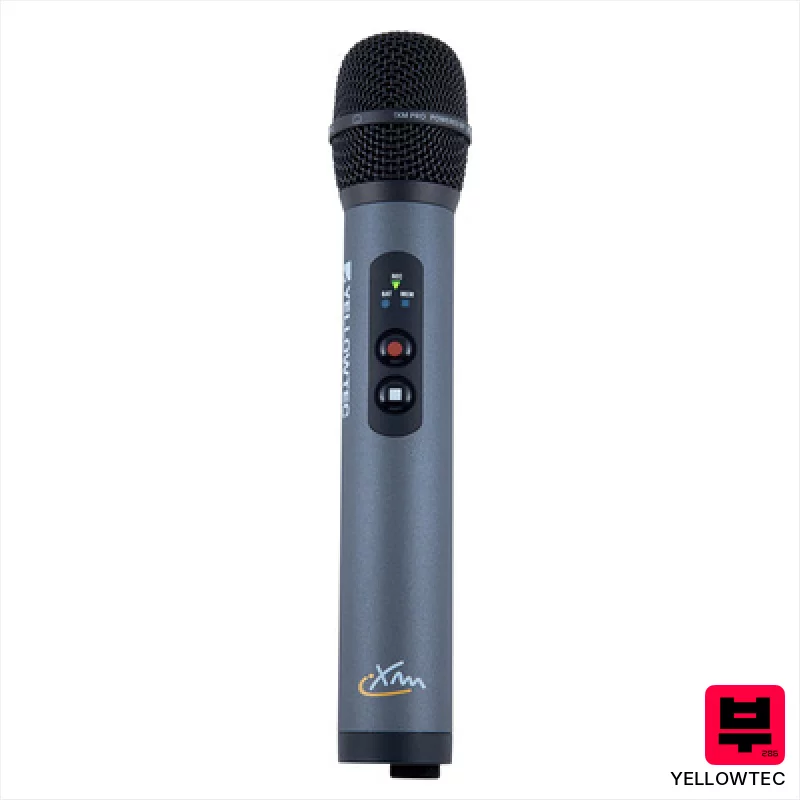
Yellowtec iXm Bundle Pro Cardioid
- • Excellent LEA engine eliminates clipping, crucial for interview scenarios
- • Dual power system offers exceptional flexibility and extended runtime
- • Robust build quality with durable materials; feels premium in hand
- • Pre-roll buffer prevents missed crucial moments during recording
- • Cardioid pattern limits versatility in multi-mic situations
- • Premium-priced, a significant investment for budget-conscious users
- • Size and weight can be cumbersome for extended handheld operation
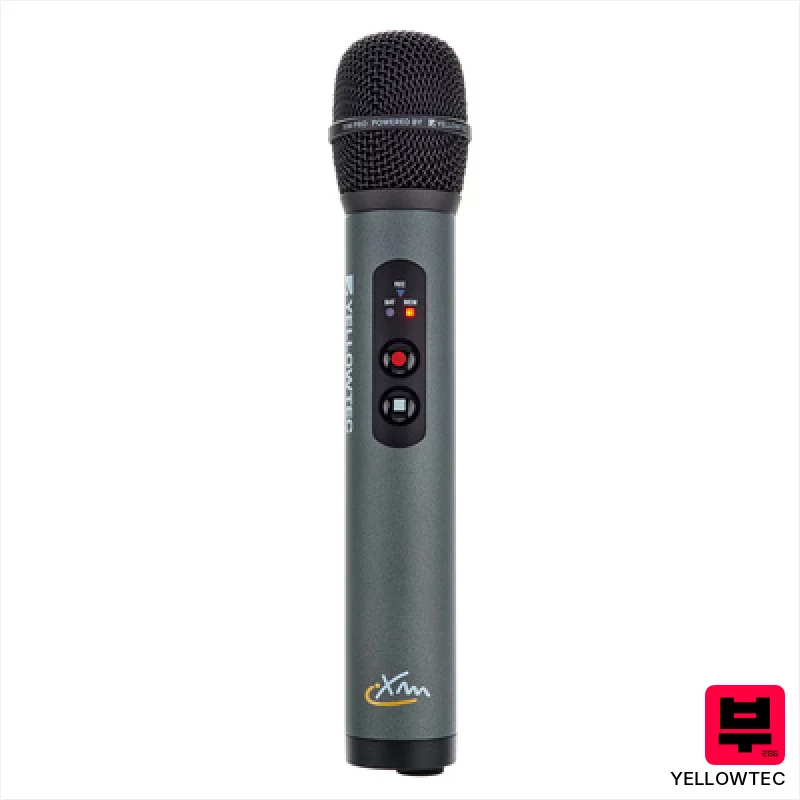
Yellowtec iXm Pro Cardioid
- • Exceptional LEA engine eliminates clipping, provides clean audio
- • Robust Swiss-built construction ensures longevity and reliability
- • Dual battery system offers extended field recording capability
- • Pre-roll buffer prevents missed critical moments in interviews
- • Premium-priced, represents a significant investment for many users
- • Cardioid pattern limits versatility in multi-mic scenarios
- • Relatively bulky and heavier than smaller reporter mics
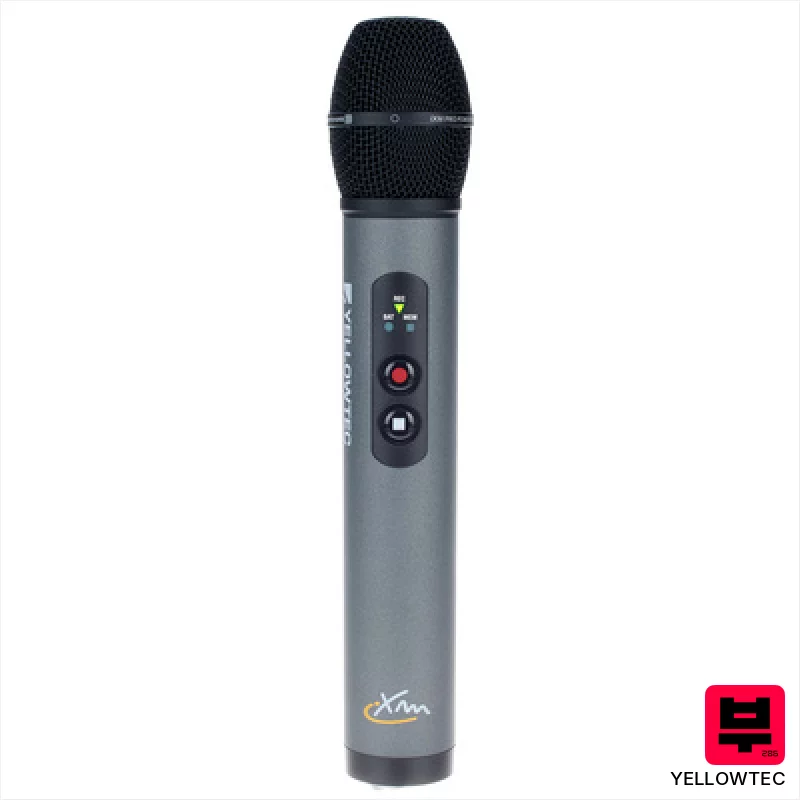
Yellowtec iXm Premium Omni
- • Exceptional LEA engine eliminates distortion, maintains pristine audio
- • Beyerdynamic capsule delivers clear, natural, broadcast-ready sound
- • Dual battery system provides extended runtime for demanding shoots
- • Intuitive controls and pre-roll buffer streamline interview workflows
- • Premium-priced, making it a significant investment for smaller operations
- • Omnidirectional pickup can be problematic in noisy environments
- • Relatively bulky and heavy for handheld operation, tiring over long periods

Yellowtec iXm Bundle Pro Supercardioid
- • Excellent LEA engine eliminates clipping, preserving dynamic range.
- • Supercardioid pattern offers strong rejection of off-axis noise.
- • Dual battery system provides extended recording time in the field.
- • Robust build quality with a reassuringly solid feel and durable materials.
- • Premium-priced, a significant investment for many users.
- • Supercardioid pattern can be tricky to manage in tight spaces.
- • Limited versatility; optimized for speech, not ideal for music recording.

Sennheiser MD46 Microphone
- • Robust zinc die-cast construction ensures lasting durability on location
- • Cardioid pattern effectively rejects background noise for clear recordings
- • Long handle facilitates comfortable grip and discreet placement
- • Excellent off-axis rejection minimizes room ambience and unwanted sounds
- • Limited frequency response compared to studio condensers, lacking high-end detail
- • Relatively high impedance requires a suitable preamp for optimal performance
- • The long handle can be unwieldy in tight spaces or on a stand
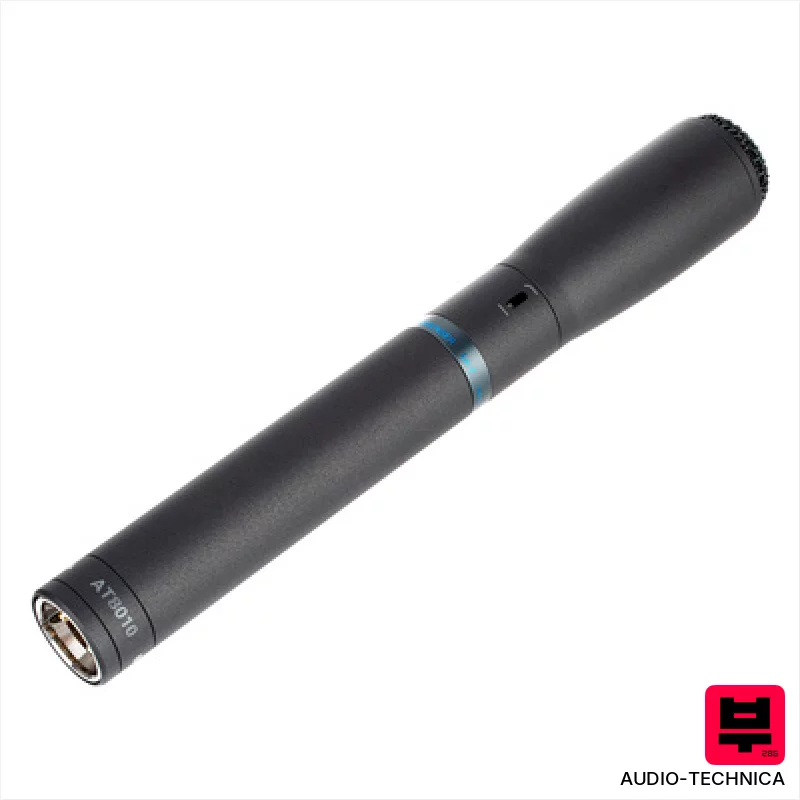
Audio-Technica AT 8010
- • Excellent off-axis rejection minimizes room noise effectively
- • Robust metal body feels durable and inspires confidence
- • Battery operation provides unmatched flexibility in remote locations
- • Clear, natural sound reproduction excels in broadcast environments
- • Somewhat bulky design isn't ideal for extremely cramped spaces
- • Omnidirectional nature demands careful microphone placement
- • Higher impedance requires a preamp with sufficient gain

Sennheiser MD21-U
- • Robust metal housing provides exceptional durability for field use
- • Omnidirectional pickup captures clear audio even in noisy environments
- • Natural vocal reproduction avoids harshness or artificial coloration
- • Excellent off-axis rejection minimizes background noise effectively
- • Somewhat heavy, potentially fatiguing for extended handheld use
- • Limited polar pattern options restrict versatility for studio applications
- • Higher impedance requires a suitable preamp for optimal performance

Rode Interview Pro
- • Excellent omni pickup for natural, uncolored interviews.
- • Integrated recorder eliminates external gear complexity.
- • Robust build quality; feels solid and dependable in hand.
- • License-free operation simplifies setup, avoiding bureaucratic hurdles.
- • The 246g weight can be fatiguing during prolonged handheld use.
- • Omnidirectional nature picks up ambient noise, requiring careful environment selection.
- • Limited flexibility for studio recording compared to dedicated mics.
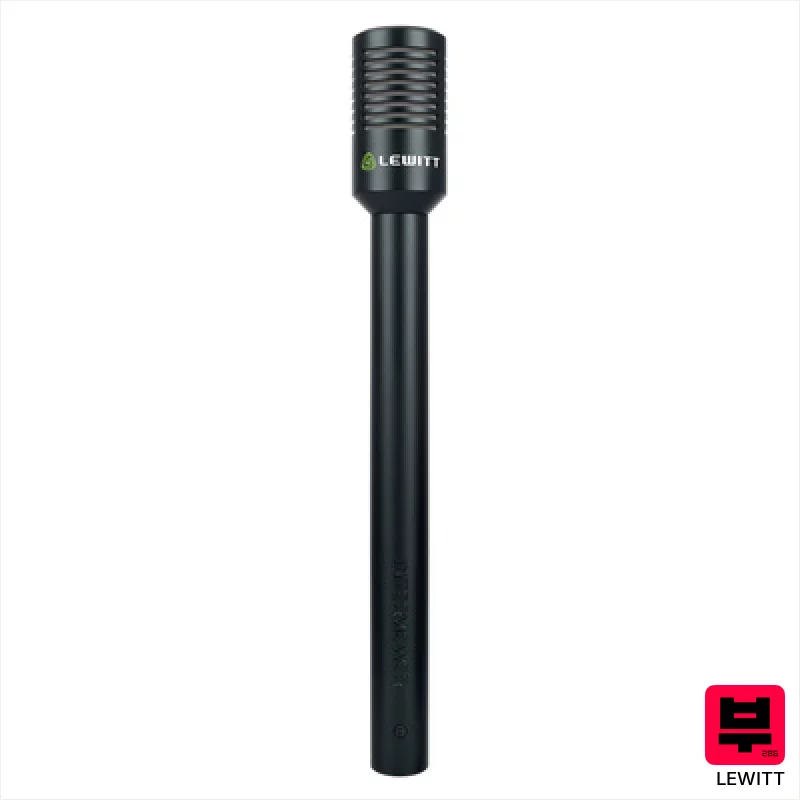
Lewitt Interviewer
- • Robust zinc die-cast body feels built to withstand field use
- • Omnidirectional pickup captures clear audio without needing precise mic placement
- • Gold-plated XLR ensures reliable signal transfer and resists corrosion
- • Included accessories like the flag and cable simplify on-location recording
- • Lacks a high-pass filter for rumble and low-frequency noise
- • Limited frequency response compared to studio condensers, sacrificing some detail
- • While durable, the metal body can still pick up handling noise

Sennheiser MD42
- • Robust double mesh head effectively rejects wind and plosives
- • Shock-mounted capsule minimizes handling noise for clean recordings
- • Omnidirectional pickup captures natural room ambience and sound sources
- • Durable construction withstands demanding on-location reporting environments
- • Limited frequency response compared to studio condensers, lacking detail in highs
- • Significant weight makes prolonged use tiring, especially with accessories
- • Omnidirectional pattern picks up unwanted background noise readily
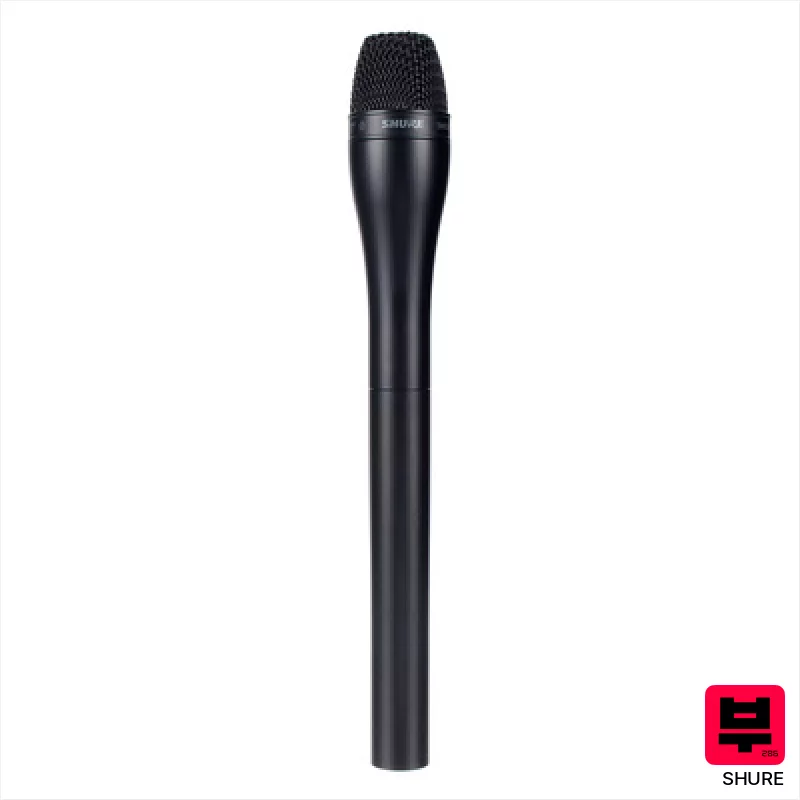
Shure SM 63 LB
- • Robust zinc alloy body provides excellent durability for field use
- • Omnidirectional pickup accurately captures ambient sound and multiple speakers
- • Clear, natural voice reproduction ideal for broadcast and interviews
- • Lightweight design and included clip offer comfortable, stable on-air use
- • Lacks a built-in shock mount, can pick up handling noise
- • Omnidirectional pattern isn’t suitable for isolating single sound sources
- • Limited frequency response compared to condenser reporter mics

Shure VP64 A
- • Neodymium magnet delivers strong signal, minimizing preamp noise.
- • Omnidirectional pattern simplifies placement; forgiving for quick setups.
- • Robust internal rubber suspension reduces handling noise effectively.
- • Attractive, low-profile design integrates well with camera rigs.
- • Omnidirectional nature picks up ambient noise; not ideal for loud environments.
- • Dynamic mic lacks the sensitivity needed for quiet vocal recordings.
- • Limited frequency response compared to condenser alternatives; lacks detail.
How to Choose the Best Reporter Microphones
Polar Pattern
Broadcast almost always demands a tight cardioid pattern to reject room reflections and background bleed. A supercardioid can be even better for focused isolation, but be mindful of the off-axis response - some can get thin and harsh.
Frequency Response
You want a mic that captures the full vocal range, but with a slight emphasis in the lower mids (around 250-500Hz) for warmth and presence. Avoid anything overly hyped in the high frequencies, which can sound brittle and fatiguing.
Sensitivity & Output
A mic with good sensitivity and a healthy output level is crucial, especially for field reporting where you might be dealing with less-than-ideal preamp conditions. You want a strong, clean signal without having to crank the gain too high, which introduces noise.
Durability & Build Quality
Reporter mics get tossed around. A robust metal body and a reliable shock mount are non-negotiable. Cheap plastic housings crack, and flimsy mounts transmit handling noise - trust me, I've been there.
Off-Axis Rejection
How well does the mic reject sounds coming from the sides and rear? A good mic will maintain clarity even when someone walks behind it, or when you're not perfectly centered.
Buying Guide
Don't fall for the 'more expensive equals better' trap. A $200 mic can sound fantastic in the right hands, but you're often paying for convenience and a more refined build. Watch out for mics that claim to be 'all-in-one' - those often cut corners on both the capsule and the electronics. Prioritize a mic with a natural, uncolored sound and a tight cardioid pattern, and you'll be golden.
Our Methodology
We're not basing this list on manufacturer specs alone. We've spent hours A/B'ing these mics against each other in typical broadcast scenarios - live interviews, VO work, field reporting - and evaluating them based on how they actually sound in a real-world setting. We're listening for that natural vocal reproduction, how well they handle dynamic range, and how much they color the sound (or don't).

