
Best Percussion & Sampling Pads for Sound Design 2026
So, you're diving into sound design? Forget your standard drum machine loops - we're talking crafting textures, evolving soundscapes, and building percussive elements from scratch. A good sampling pad isn't just a trigger; it's a sculpting tool. Let's break down which pads give you the sonic flexibility you need to build those unique soundscapes, from glitchy IDM to cinematic scores.
Last updated: July 22, 2026 • Next update: July 29, 2026
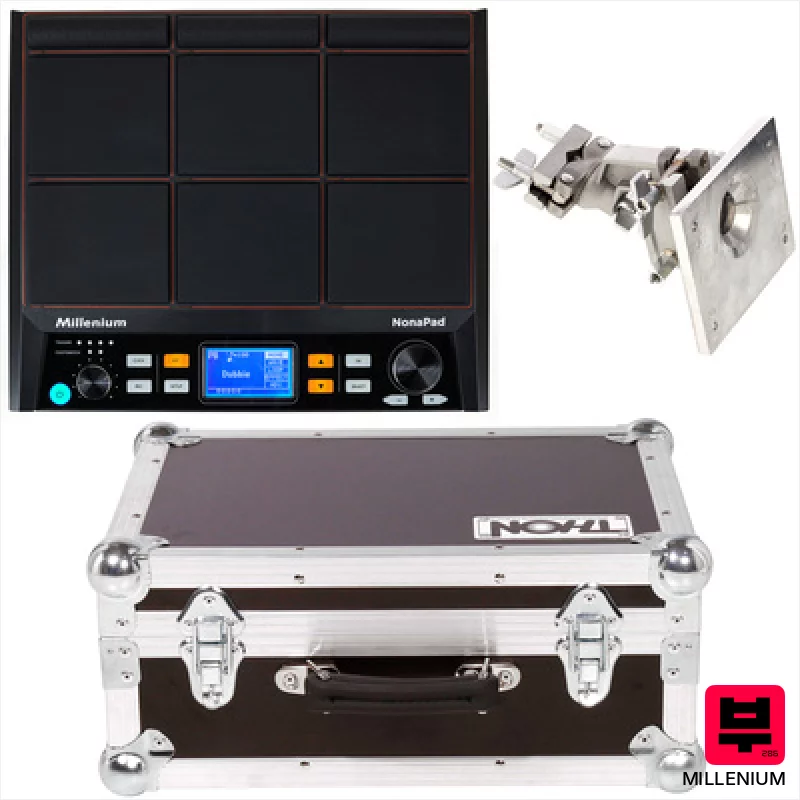
Millenium NonaPad Case Bundle
- • 9 velocity-sensitive pads offer responsive and nuanced performance.
- • Internal memory provides ample space for user-created samples and kits.
- • A/B sampling feature allows for creative layering and unique sound design.
- • Compact size and lightweight design (2.4kg) enable portability and easy setup.
- • Limited pad size might feel cramped for drummers with larger hands.
- • 3-band EQ is basic; advanced sound shaping will require external processing.
- • The included power supply, while convenient, could be a lower quality component.
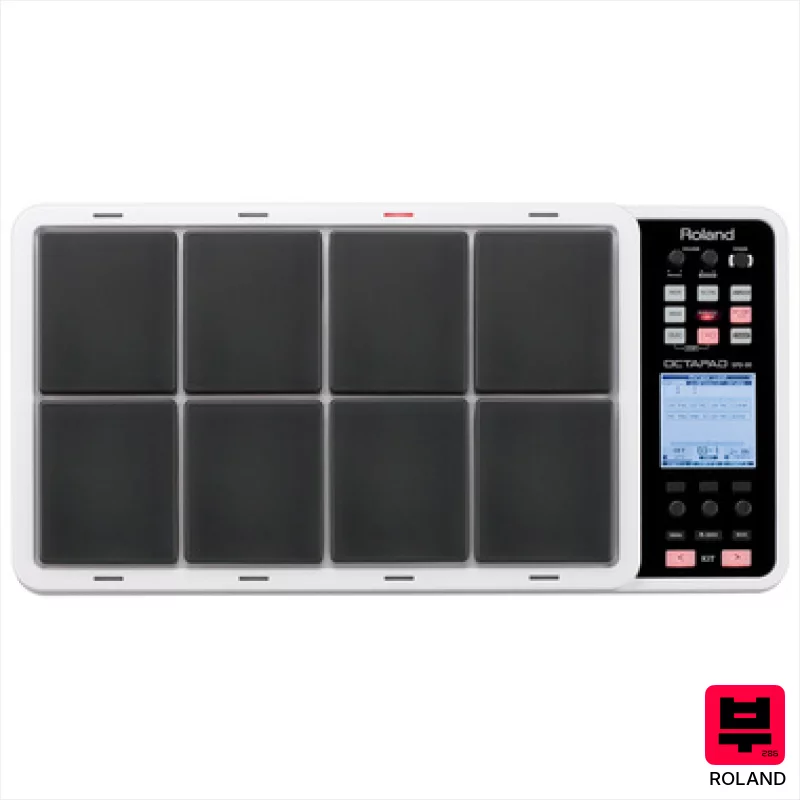
Roland SPD-30 Octapad
- • Excellent sound editing capabilities for nuanced tones
- • Versatile dual-trigger inputs expand performance possibilities
- • Built-in looper facilitates on-the-fly composition and experimentation
- • Compact size and lightweight design enhance portability for gigs
- • LCD screen resolution is somewhat limited for detailed waveform viewing
- • Pad surface material could benefit from a more textured feel
- • Limited onboard storage might require external sampling solutions for extensive libraries
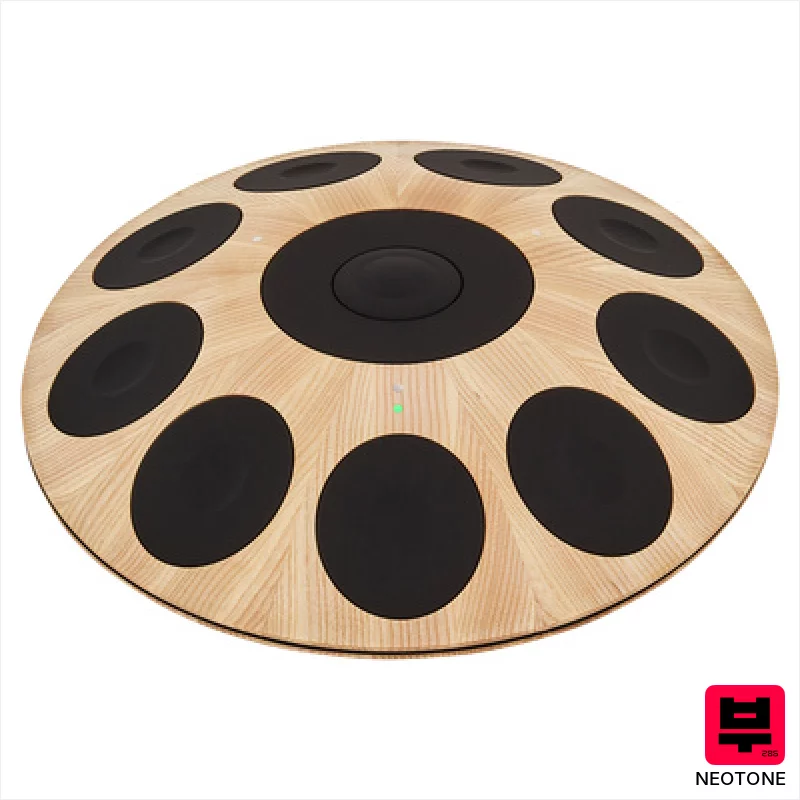
Neotone One Digital Handpan Ash
- • Ash wood construction provides warm, resonant acoustic character
- • Exceptional positional accuracy (0.5cm) allows for nuanced playing
- • Impressive 112dB SNR ensures clean, noise-free audio output
- • Extensive scale customization via UI unlocks incredible sonic versatility
- • Premium-priced, represents a significant investment for most musicians
- • The larger diameter (470mm) makes it less portable than acoustic handpans
- • Limited tactile feedback compared to traditional acoustic handpans
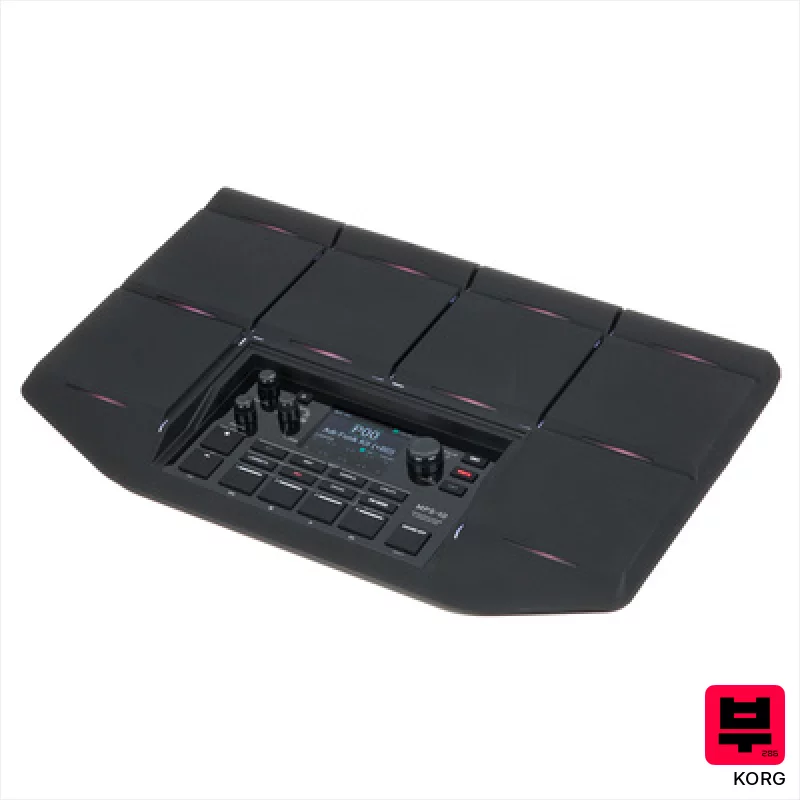
Korg MPS-10
- • Excellent pad responsiveness for nuanced performance and dynamic control.
- • Massive sample library provides a huge range of sonic possibilities.
- • Built-in looper with effects is a serious creative tool for live performance.
- • Impressive 48-voice polyphony avoids frustrating sample cut-offs during complex patterns.
- • The LCD screen, while functional, could benefit from higher resolution and brightness.
- • The workflow, particularly sampling, may have a learning curve for new users.
- • Its size and weight make it less ideal for mobile or gigging situations.

Neotone Mutant Digital Handpan Ash
- • Ash wood construction delivers a warm, resonant acoustic feel
- • Extensive scale library offers incredible sonic flexibility and experimentation
- • Low 5ms latency ensures real-time responsiveness for nuanced playing
- • Comprehensive MIDI implementation unlocks integration with DAWs and external gear
- • The substantial size and weight (likely around 12-15 lbs) limit portability
- • Premium-priced point puts it out of reach for many casual percussionists
- • Reliance on battery power requires planning and potential charging downtime

DDrum NIO Percussion Pad
- • Responsive rubber pads offer surprisingly realistic feel.
- • Built-in sounds are surprisingly usable and well-sampled.
- • Multiple kit slots allow for considerable customization.
- • Robust construction feels solid and travel-ready.
- • Limited pad size restricts advanced playing techniques.
- • Trigger inputs lack dedicated gain adjustment controls.
- • Sound engine, while decent, isn't as flexible as dedicated samplers.

Roland SPD-30 Octapad Bundle
- • Versatile pad surfaces allow for diverse percussion sounds
- • Built-in effects add significant sonic shaping capabilities
- • Dual-trigger inputs expand creative performance options
- • Compact size and weight enable portability for gigs and practice
- • LCD screen resolution is somewhat limited for detailed editing
- • Sound library, while extensive, might need expansion for niche genres
- • The included Millennium clamp is basic; a sturdier mount is recommended
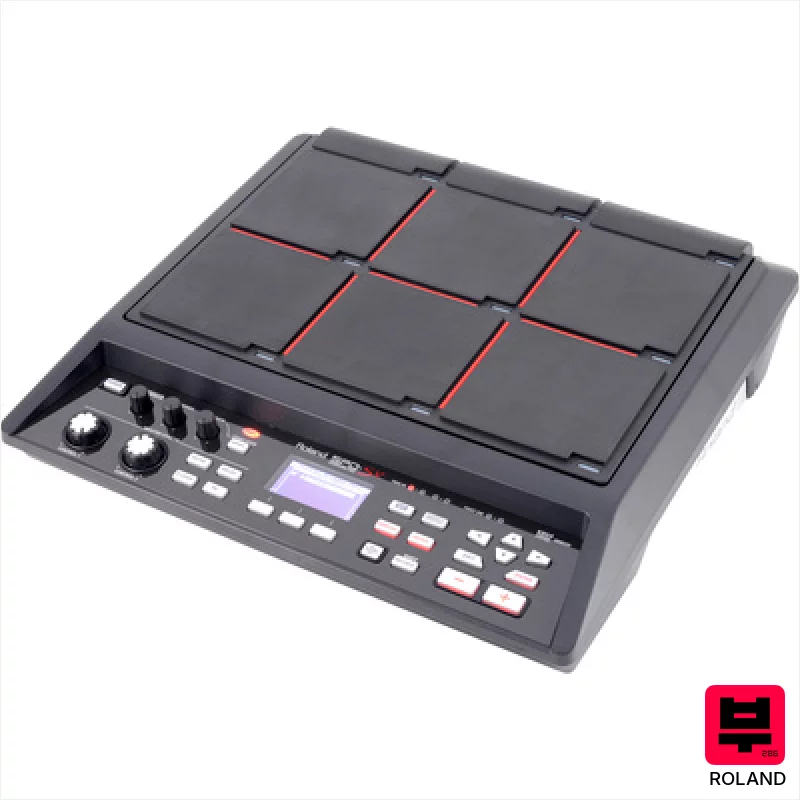
Roland SPD-SX Sampling Pad
- • Excellent pad responsiveness with Roland’s trusted velocity sensitivity
- • Wave Manager software simplifies complex sampling workflows effectively
- • Durable build quality, feels solid and ready for gigging demands
- • Large backlit LCD offers clear visibility even in low-light conditions
- • Price point positions it as a premium investment for serious users
- • Limited pad layout might require creative workaround for complex kits
- • Size and weight make it less ideal for ultra-portable setups

Yamaha DTX-Multi 12
- • 12 dynamic pads offer incredible versatility for complex rhythms
- • DTXTREME and Motif sounds deliver a genuinely professional sonic palette
- • Built-in effects add creative depth without external processing
- • CUBASE AI inclusion lowers the barrier to entry for music production
- • The compact size can feel cramped for players accustomed to larger setups
- • Limited pad sensitivity adjustments might frustrate advanced users
- • The included CUBASE AI is a limited version; full functionality requires a paid upgrade
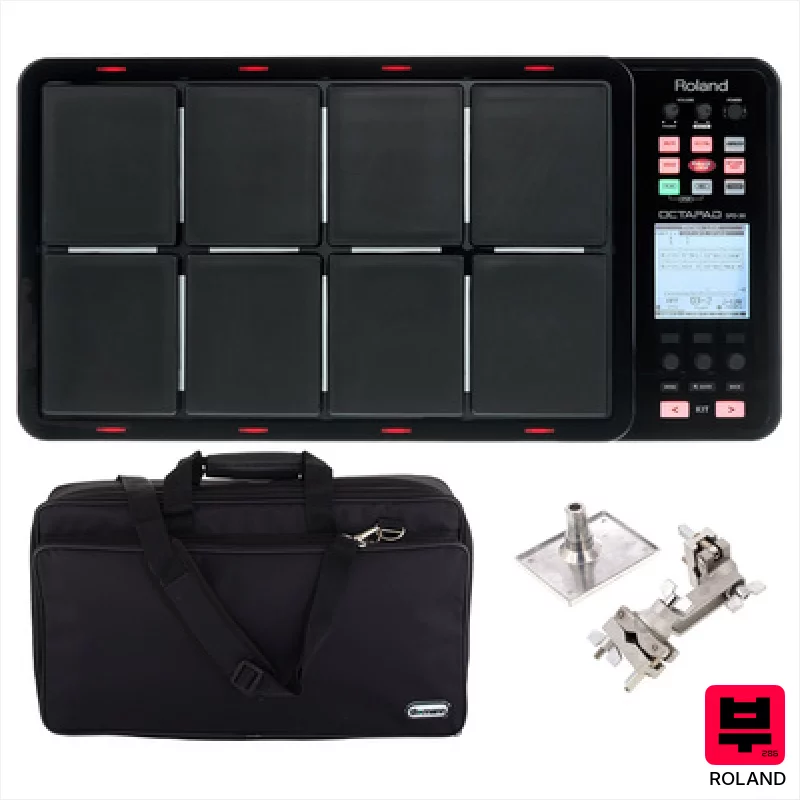
Roland SPD-30-BK Octapad Bundle
- • Excellent sound editing capabilities offer deep sonic customization.
- • Dual-trigger inputs expand versatility for complex triggering setups.
- • Built-in looper enables on-the-fly phrase creation and layering.
- • Compact size and relatively light weight facilitate portability and stage use.
- • Limited pad size may feel cramped for players accustomed to larger pads.
- • Graphic LCD is functional but lacks the resolution of modern displays.
- • Sound library, while extensive, could benefit from more contemporary samples.

Roland SPD-20 Pro BK Octapad
- • Excellent rubber pads offer responsive, nuanced playing feel.
- • Roland's sound library provides a wide range of percussion options.
- • The kit chain functionality allows for complex, layered sounds.
- • Compact size and sturdy build make it gig-ready and durable.
- • Limited pad size restricts advanced techniques like rolls.
- • The user interface can feel a bit cramped and less intuitive.
- • Sound editing options, while present, are not as deep as dedicated samplers.
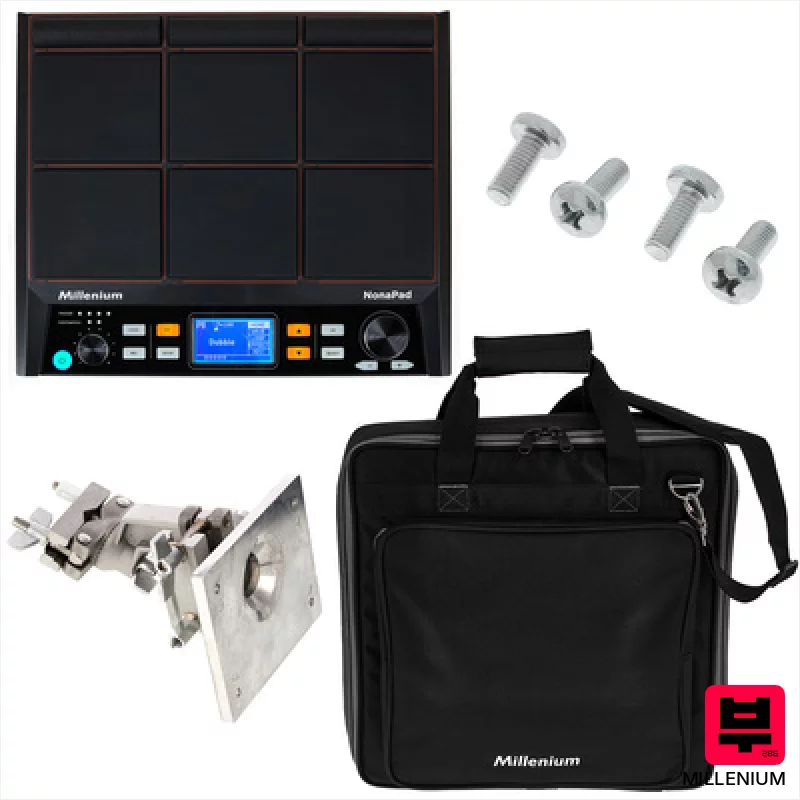
Millenium NonaPad Bag Bundle
- • 9 velocity-sensitive pads offer nuanced dynamic response.
- • Internal memory provides ample space for user samples.
- • A/B sampling feature allows for creative sound layering possibilities.
- • Kit chaining simplifies preset switching during performance.
- • Limited pad size may feel cramped for drummers with larger hands.
- • Build quality, while adequate, uses primarily plastic components.
- • The 3-band EQ is basic, lacking precise tonal shaping.
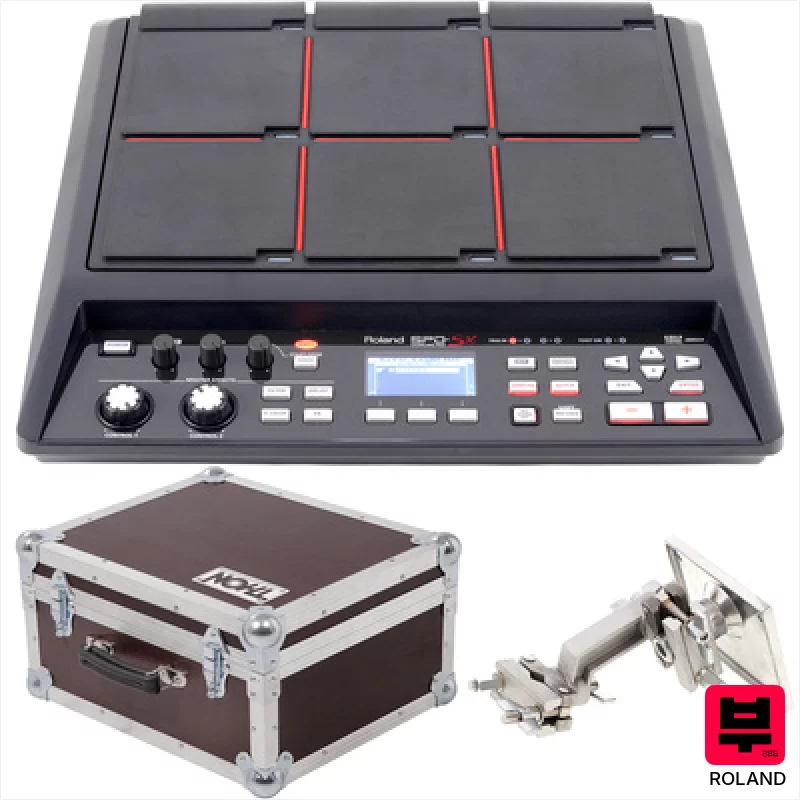
Roland SPD-SX Sampling Pad Bundle
- • Nine high-quality pads offer responsive, nuanced trigger performance.
- • Wave Manager software simplifies complex sample manipulation and organization.
- • Large, backlit LCD improves visibility even in low-light performance conditions.
- • The included Thon case provides robust protection and convenient transport.
- • The unit’s size and weight (2.5 kg) can be cumbersome for smaller setups.
- • 16GB of internal memory, while decent, can be limiting for extensive sample libraries.
- • The Multi-Pad Sampling, while powerful, has a learning curve for new users.
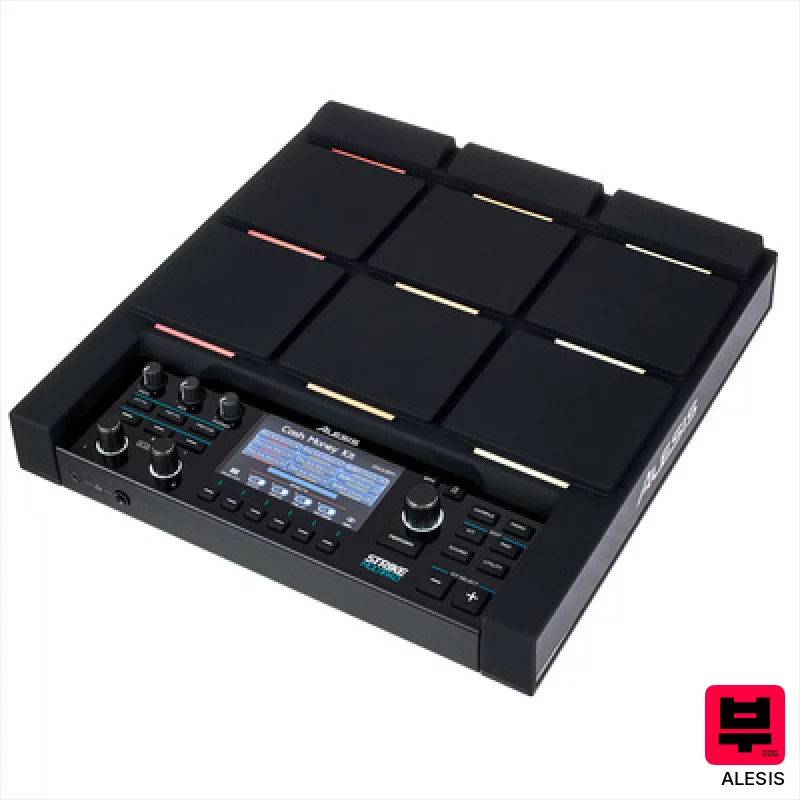
Alesis Strike MultiPad
- • Velocity-sensitive pads offer dynamic, expressive performance.
- • Large color display simplifies navigation and sound editing.
- • Built-in loop recorder unlocks creative real-time performance possibilities.
- • Extensive sound library provides a wide range of sonic textures.
- • The plastic enclosure feels somewhat budget-oriented, not as robust as higher-end units.
- • FAT32 USB requirement can be limiting for very large sample imports.
- • The 4.3-in display, while functional, isn't as crisp as dedicated tablets.

Roland HPD-20 Handsonic Pad
- • Silicone pads offer excellent damping and a surprisingly natural feel
- • SuperNatural sounds provide a wide palette of realistic percussion textures
- • D-Beam control adds unique, expressive modulation possibilities
- • Quick record function streamlines loop creation and experimentation
- • Price point places it firmly in the professional, high-end category
- • The silicone pads, while good, won’t replicate the feel of acoustic surfaces
- • Limited pad layout may restrict complex, layered rhythmic patterns
How to Choose the Best Percussion & Sampling Pads
Dynamic Sensitivity
This is critical. You need a pad that registers subtle nuances - ghost notes, choked hits - to create complex rhythms and textures. A pad that just triggers a sound on the slightest touch is useless for nuanced sound design, especially when you're layering multiple samples.
Velocity Range
Closely tied to dynamics, a wider velocity range gives you more control over the intensity of each hit. Think about building a crescendo from a barely audible whisper to a massive impact - you need the headroom to make it happen.
Aftertouch & Modulation
Aftertouch is your secret weapon for evolving sounds. Being able to add filter sweeps, pitch bends, or reverb washes after the initial trigger opens up a universe of possibilities. Look for pads with assignable aftertouch controls.
Sample Time Length
Longer sample times (beyond the standard few seconds) let you capture longer, more complex sounds - field recordings, granular textures, evolving drones. This is a huge factor for building ambient soundscapes and experimental percussion.
Connectivity & Integration
MIDI mapping is non-negotiable. Beyond basic triggering, look for pads with assignable MIDI CCs, expression pedal inputs, and the ability to sync with your DAW. Seamless integration is key for a fluid workflow.
Buying Guide
Don't fall for the hype. The cheapest pads often skimp on dynamic sensitivity - they feel mushy and unresponsive. Spending a bit more on a pad with a better surface material and more responsive sensors pays dividends in playability. Also, consider your workflow: if you're primarily layering samples in your DAW, a pad with extensive MIDI mapping is essential. If you're performing live, aftertouch and expression pedal integration will become your best friends.
Our Methodology
We're not relying on spec sheets here. We've spent countless hours triggering samples, layering sounds, and pushing these pads to their limits - both in the studio and simulating live performance scenarios. The real test is how they feel to play, how they respond to dynamics, and ultimately, how they translate into a finished track.

