
Best Percussion & Sampling Pads for Sampling 2026
So, you're diving into the world of sampling, huh? It's a rabbit hole, but a seriously rewarding one. Finding the right percussion pads isn't just about slapping something under your sticks; it's about capturing those unique transient attacks, that body, that subtle resonance - the stuff that makes a sample sound real. Let's talk about pads that'll actually elevate your samples beyond the generic drum machine vibe.
Last updated: July 22, 2026 • Next update: July 29, 2026
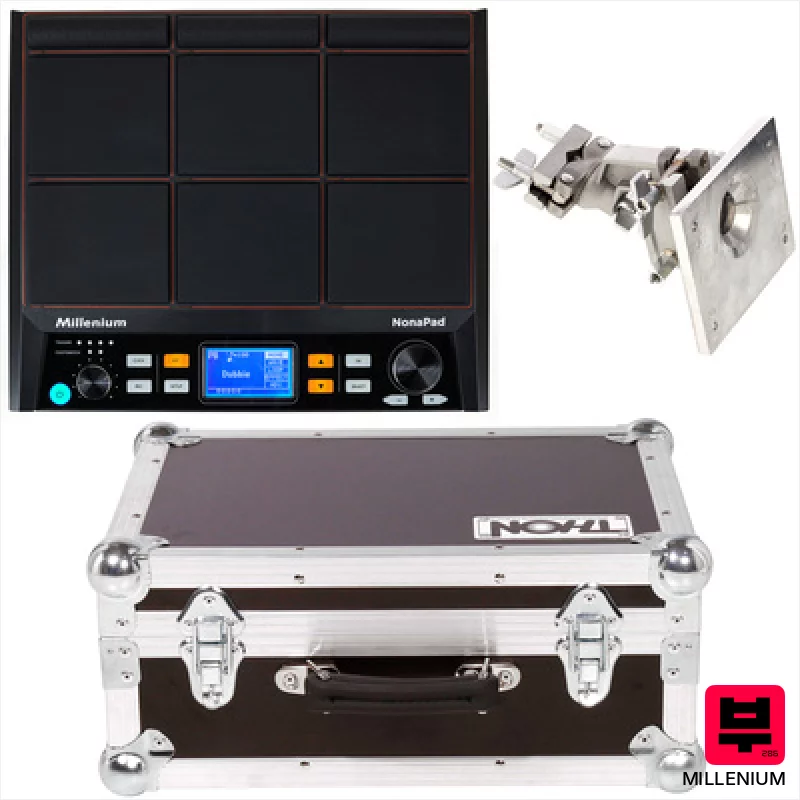
Millenium NonaPad Case Bundle
- • 9 velocity-sensitive pads offer responsive and nuanced performance.
- • Internal memory provides ample space for user-created samples and kits.
- • A/B sampling feature allows for creative layering and unique sound design.
- • Compact size and lightweight design (2.4kg) enable portability and easy setup.
- • Limited pad size might feel cramped for drummers with larger hands.
- • 3-band EQ is basic; advanced sound shaping will require external processing.
- • The included power supply, while convenient, could be a lower quality component.

Roland SPD-30-BK Octapad
- • Excellent sound editing capabilities offer nuanced tonal shaping.
- • The dual-trigger inputs allow for complex, realistic hi-hat patterns.
- • Built-in looper simplifies on-the-fly beat creation and layering.
- • Compact size and relatively light weight (3.8 kg) enhance portability.
- • The 160x160 pixel LCD screen can feel cramped for detailed editing.
- • Limited pad sensitivity range compared to higher-end drum modules.
- • Sound library, while extensive, could benefit from more modern percussion sounds.
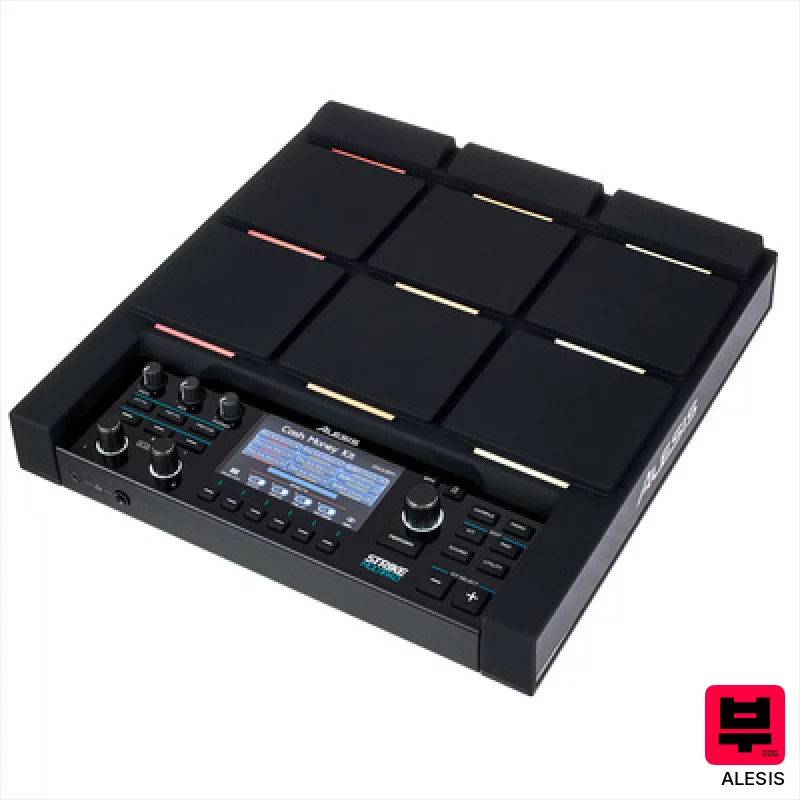
Alesis Strike MultiPad
- • Velocity-sensitive pads offer dynamic, expressive performance.
- • Large color display simplifies navigation and sound editing.
- • Built-in loop recorder unlocks creative real-time performance possibilities.
- • Extensive sound library provides a wide range of sonic textures.
- • The plastic enclosure feels somewhat budget-oriented, not as robust as higher-end units.
- • FAT32 USB requirement can be limiting for very large sample imports.
- • The 4.3-in display, while functional, isn't as crisp as dedicated tablets.

Yamaha DTX-Multi 12
- • 12 dynamic pads offer incredible versatility for complex rhythms
- • DTXTREME and Motif sounds deliver a genuinely professional sonic palette
- • Built-in effects add creative depth without external processing
- • CUBASE AI inclusion lowers the barrier to entry for music production
- • The compact size can feel cramped for players accustomed to larger setups
- • Limited pad sensitivity adjustments might frustrate advanced users
- • The included CUBASE AI is a limited version; full functionality requires a paid upgrade

Roland HPD-20 Handsonic Pad
- • Silicone pads offer excellent damping and a surprisingly natural feel
- • SuperNatural sounds provide a wide palette of realistic percussion textures
- • D-Beam control adds unique, expressive modulation possibilities
- • Quick record function streamlines loop creation and experimentation
- • Price point places it firmly in the professional, high-end category
- • The silicone pads, while good, won’t replicate the feel of acoustic surfaces
- • Limited pad layout may restrict complex, layered rhythmic patterns
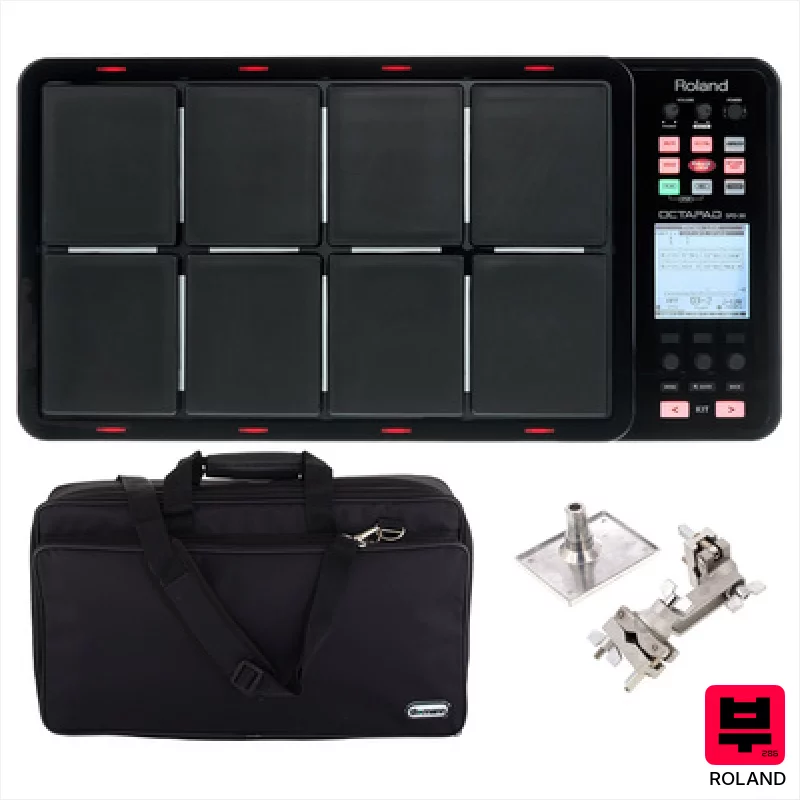
Roland SPD-30-BK Octapad Bundle
- • Excellent sound editing capabilities offer deep sonic customization.
- • Dual-trigger inputs expand versatility for complex triggering setups.
- • Built-in looper enables on-the-fly phrase creation and layering.
- • Compact size and relatively light weight facilitate portability and stage use.
- • Limited pad size may feel cramped for players accustomed to larger pads.
- • Graphic LCD is functional but lacks the resolution of modern displays.
- • Sound library, while extensive, could benefit from more contemporary samples.

Roland SPD-30 Octapad Bundle
- • Versatile pad surfaces allow for diverse percussion sounds
- • Built-in effects add significant sonic shaping capabilities
- • Dual-trigger inputs expand creative performance options
- • Compact size and weight enable portability for gigs and practice
- • LCD screen resolution is somewhat limited for detailed editing
- • Sound library, while extensive, might need expansion for niche genres
- • The included Millennium clamp is basic; a sturdier mount is recommended
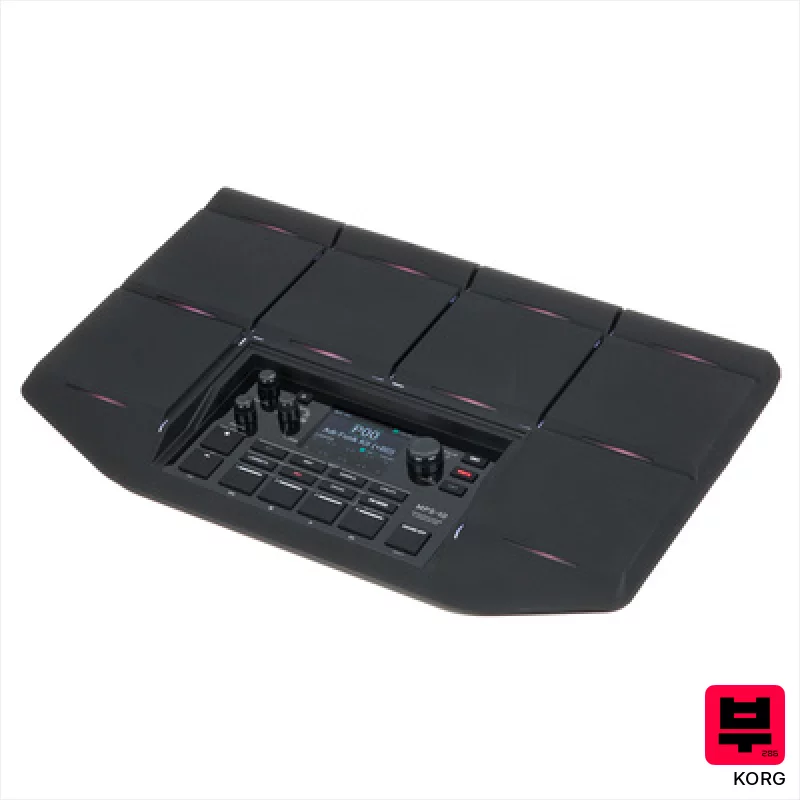
Korg MPS-10
- • Excellent pad responsiveness for nuanced performance and dynamic control.
- • Massive sample library provides a huge range of sonic possibilities.
- • Built-in looper with effects is a serious creative tool for live performance.
- • Impressive 48-voice polyphony avoids frustrating sample cut-offs during complex patterns.
- • The LCD screen, while functional, could benefit from higher resolution and brightness.
- • The workflow, particularly sampling, may have a learning curve for new users.
- • Its size and weight make it less ideal for mobile or gigging situations.

DDrum NIO Percussion Pad
- • Responsive rubber pads offer surprisingly realistic feel.
- • Built-in sounds are surprisingly usable and well-sampled.
- • Multiple kit slots allow for considerable customization.
- • Robust construction feels solid and travel-ready.
- • Limited pad size restricts advanced playing techniques.
- • Trigger inputs lack dedicated gain adjustment controls.
- • Sound engine, while decent, isn't as flexible as dedicated samplers.

Roland SPD-SX PRO Sampling Pad
- • Excellent pad sensitivity for nuanced triggering and dynamic response.
- • The 32GB internal memory is a huge boon for serious sample libraries.
- • Intuitive color display simplifies complex kit editing and navigation.
- • Dedicated app streamlines sample management and offers deep customization options.
- • The weight makes it less portable for gigging musicians; a dedicated bag is a must.
- • The MP3 import, while convenient, introduces audio quality compromises.
- • While versatile, it’s best suited for percussionists; a full drum kit replacement is less ideal.
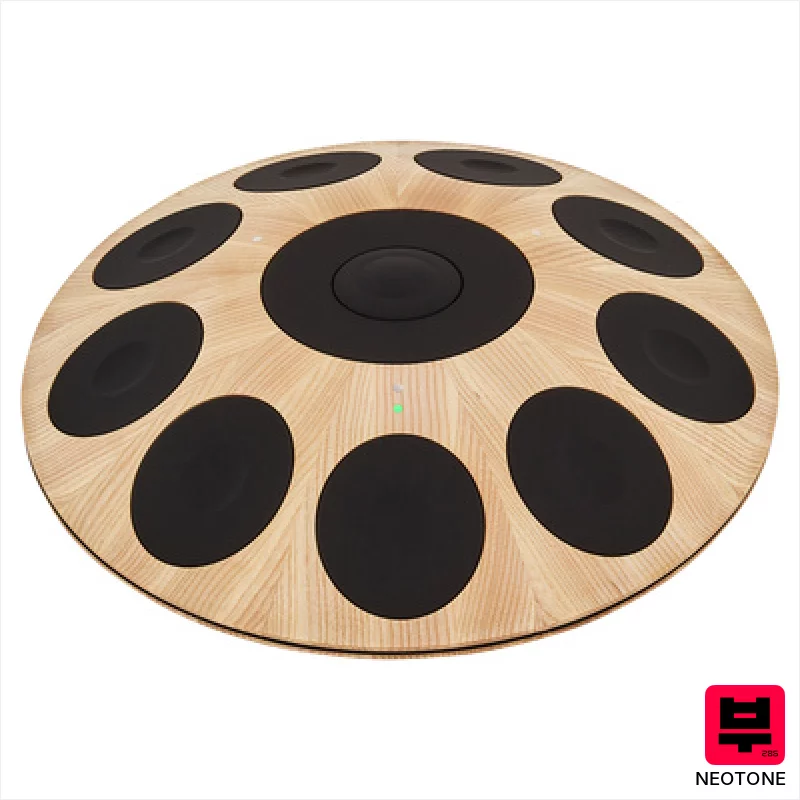
Neotone One Digital Handpan Ash
- • Ash wood construction provides warm, resonant acoustic character
- • Exceptional positional accuracy (0.5cm) allows for nuanced playing
- • Impressive 112dB SNR ensures clean, noise-free audio output
- • Extensive scale customization via UI unlocks incredible sonic versatility
- • Premium-priced, represents a significant investment for most musicians
- • The larger diameter (470mm) makes it less portable than acoustic handpans
- • Limited tactile feedback compared to traditional acoustic handpans
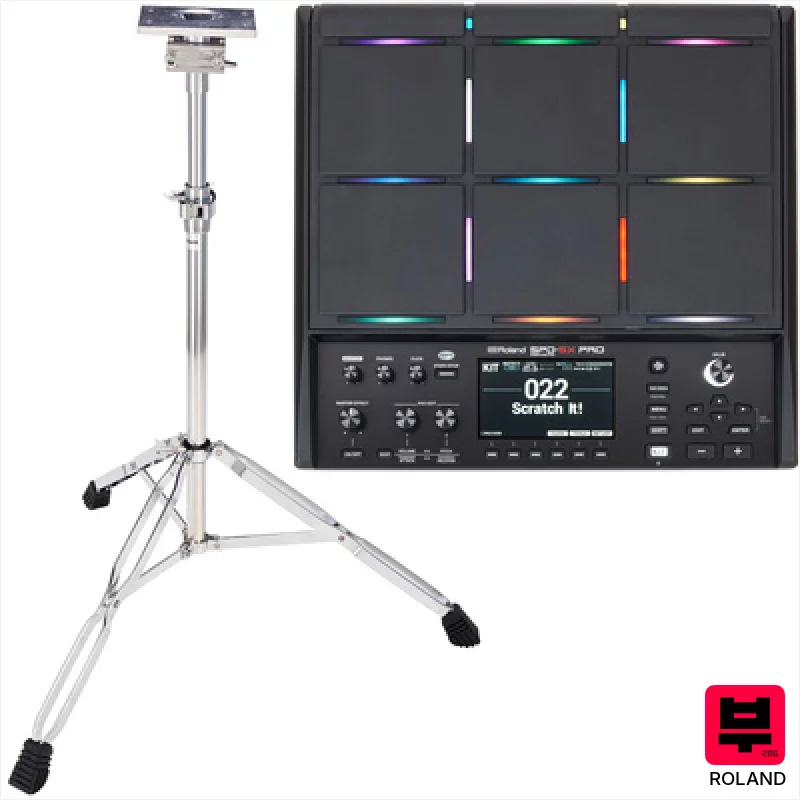
Roland SPD-SX PRO Sampling Pad Bundle
- • Excellent internal memory for extensive sample libraries
- • Intuitive 16-step sequencer unlocks creative rhythmic possibilities
- • Color display offers clear visual feedback and kit editing
- • Dedicated app streamlines sample management and kit customization
- • The weight makes it less ideal for mobile performance setups
- • The MP3 import conversion can slightly degrade audio quality
- • Limited pad velocity sensitivity compared to dedicated acoustic pads
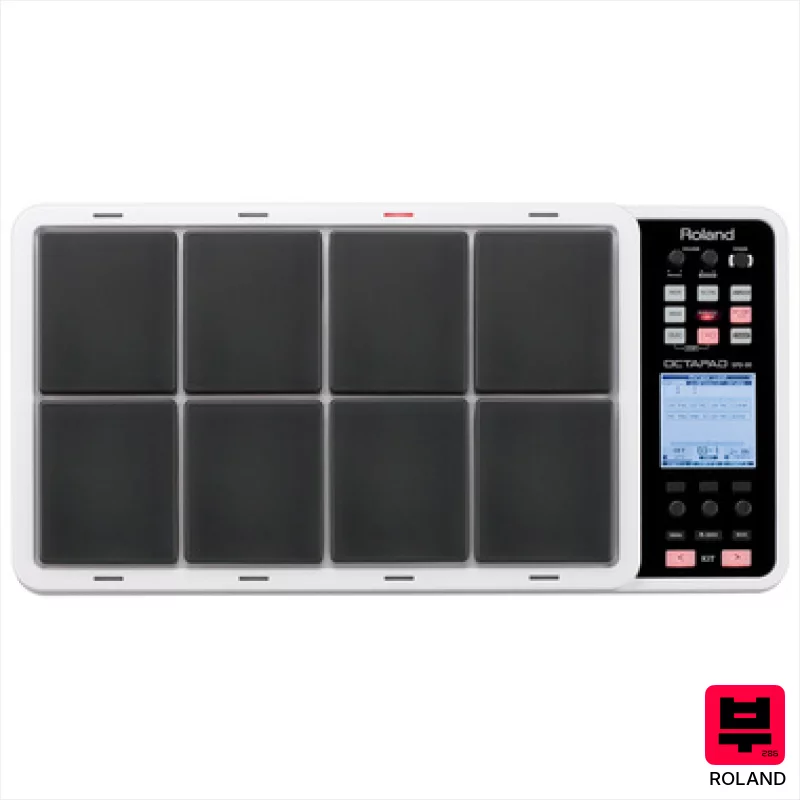
Roland SPD-30 Octapad
- • Excellent sound editing capabilities for nuanced tones
- • Versatile dual-trigger inputs expand performance possibilities
- • Built-in looper facilitates on-the-fly composition and experimentation
- • Compact size and lightweight design enhance portability for gigs
- • LCD screen resolution is somewhat limited for detailed waveform viewing
- • Pad surface material could benefit from a more textured feel
- • Limited onboard storage might require external sampling solutions for extensive libraries
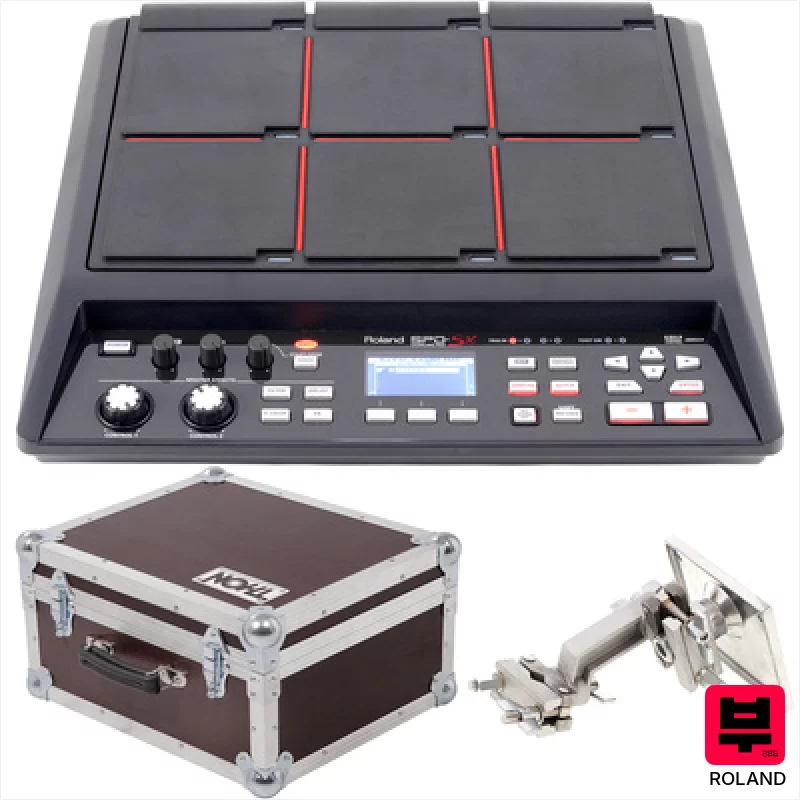
Roland SPD-SX Sampling Pad Bundle
- • Nine high-quality pads offer responsive, nuanced trigger performance.
- • Wave Manager software simplifies complex sample manipulation and organization.
- • Large, backlit LCD improves visibility even in low-light performance conditions.
- • The included Thon case provides robust protection and convenient transport.
- • The unit’s size and weight (2.5 kg) can be cumbersome for smaller setups.
- • 16GB of internal memory, while decent, can be limiting for extensive sample libraries.
- • The Multi-Pad Sampling, while powerful, has a learning curve for new users.
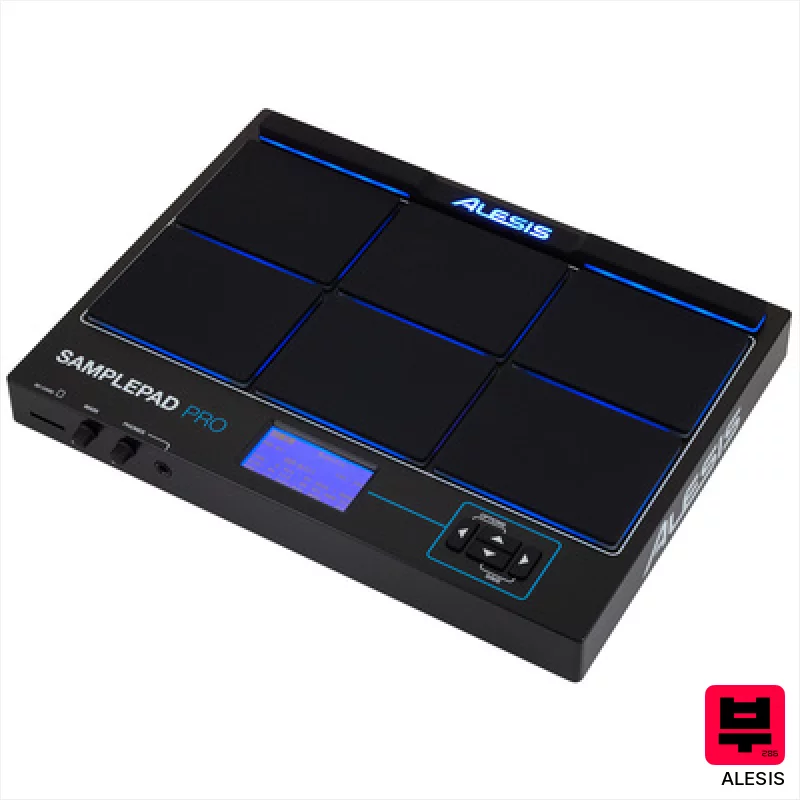
Alesis Samplepad Pro
- • Rubber pads offer decent bounce for a budget-friendly pad.
- • Stereoscopic surfaces provide a basic level of dynamic response.
- • Compact size makes it ideal for smaller spaces or mobile setups.
- • Built-in sounds offer immediate playability without extra gear.
- • Rubber pads lack the feel and nuance of mesh pads.
- • Limited sound editing capabilities beyond kit selection.
- • Stereoscopic dynamics are rudimentary; not for advanced playing techniques.
How to Choose the Best Percussion & Sampling Pads
Transient Response
This is HUGE. You want a pad that reacts instantly and cleanly to the stick. A slow, rubbery response will muddy your samples and bury that initial attack - crucial for things like snares and rimshots. We're looking for that 'snap' that cuts through.
Resonance & Sustain
Too little and your samples sound dry and lifeless. Too much and you get unwanted ringing and phase issues. The sweet spot is a subtle resonance that adds warmth and body, without lingering for ages. It's about capturing the character of the surface.
Noise Floor
Cheap pads often have a high noise floor - a constant hiss or rumble that gets baked into your samples. This is a real pain to clean up in post. A clean recording starts with a clean pad - silence is golden.
Material Properties
Different materials - felt, mesh, latex - impart different tonal qualities. Felt is warm and mellow, mesh is bright and snappy, latex can be surprisingly punchy. Consider the sonic character you're after.
Durability & Playability
Pads take a beating. They need to withstand repeated impacts without tearing or deforming. Also, a comfortable playing surface is vital, especially during long recording sessions. Nobody wants a pad that feels like hitting concrete.
Buying Guide
Don't chase the cheapest option; you'll pay for it in frustration later. The difference between a $20 pad and a $50 one is usually a much cleaner transient and a lower noise floor - both critical for sampling. Look for pads specifically marketed for sampling or percussion recording; these are usually made with more care and attention to detail. Ultimately, it's about finding a pad that inspires you to experiment and capture sounds you love.
Our Methodology
We're not looking at spec sheets here. We've spent countless hours hitting these pads - in a bedroom studio, a noisy rehearsal space, and even a few club gigs. We've A/B'd them against each other, layered them, processed them, and generally abused them to see how they behave under pressure and how they translate to a sample library. It's about feel, tone, and how well they record.

