
Best Percussion & Sampling Pads for Electronic Music 2026
So, you're diving deeper into electronic music production and want to move beyond basic drum machines? Sampling pads are your ticket to textures, rhythms, and soundscapes that'll actually grab someone's attention. Forget cookie-cutter loops - we're talking about building sounds from the ground up. This isn't just about hitting a button; it's about sculpting percussion with nuance and expression, and these pads are the tools to do it.
Last updated: July 22, 2026 • Next update: July 29, 2026

Roland SPD-SX PRO Sampling Pad
- • Excellent pad sensitivity for nuanced triggering and dynamic response.
- • The 32GB internal memory is a huge boon for serious sample libraries.
- • Intuitive color display simplifies complex kit editing and navigation.
- • Dedicated app streamlines sample management and offers deep customization options.
- • The weight makes it less portable for gigging musicians; a dedicated bag is a must.
- • The MP3 import, while convenient, introduces audio quality compromises.
- • While versatile, it’s best suited for percussionists; a full drum kit replacement is less ideal.
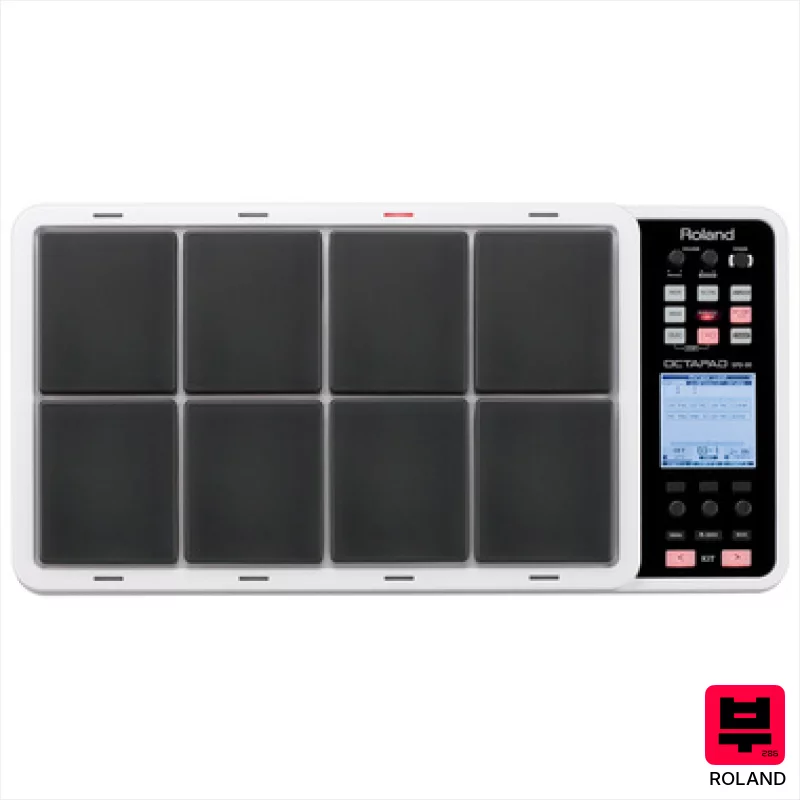
Roland SPD-30 Octapad
- • Excellent sound editing capabilities for nuanced tones
- • Versatile dual-trigger inputs expand performance possibilities
- • Built-in looper facilitates on-the-fly composition and experimentation
- • Compact size and lightweight design enhance portability for gigs
- • LCD screen resolution is somewhat limited for detailed waveform viewing
- • Pad surface material could benefit from a more textured feel
- • Limited onboard storage might require external sampling solutions for extensive libraries
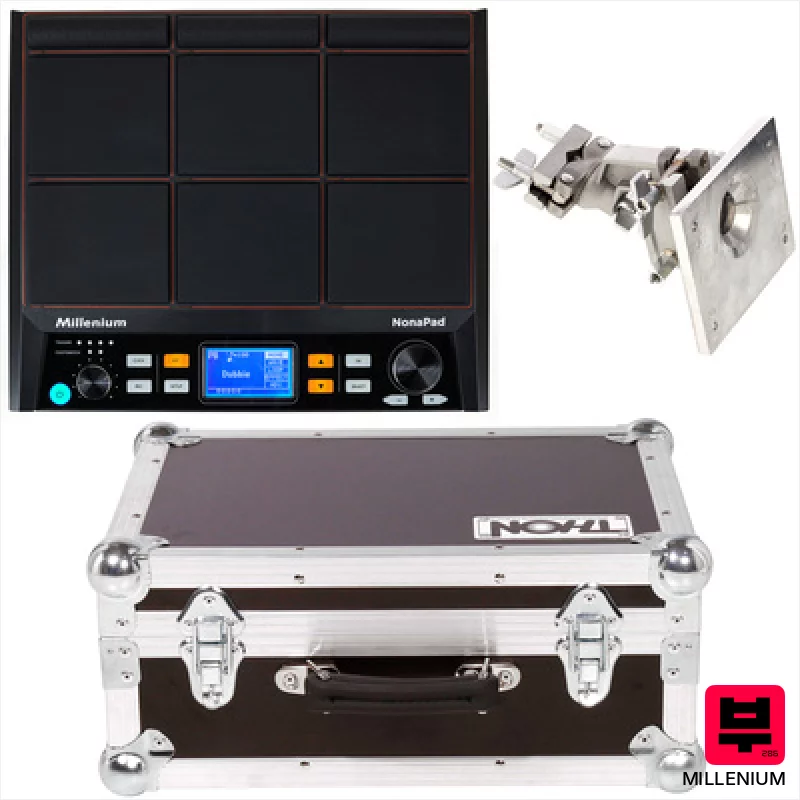
Millenium NonaPad Case Bundle
- • 9 velocity-sensitive pads offer responsive and nuanced performance.
- • Internal memory provides ample space for user-created samples and kits.
- • A/B sampling feature allows for creative layering and unique sound design.
- • Compact size and lightweight design (2.4kg) enable portability and easy setup.
- • Limited pad size might feel cramped for drummers with larger hands.
- • 3-band EQ is basic; advanced sound shaping will require external processing.
- • The included power supply, while convenient, could be a lower quality component.

Yamaha DTX-Multi 12
- • 12 dynamic pads offer incredible versatility for complex rhythms
- • DTXTREME and Motif sounds deliver a genuinely professional sonic palette
- • Built-in effects add creative depth without external processing
- • CUBASE AI inclusion lowers the barrier to entry for music production
- • The compact size can feel cramped for players accustomed to larger setups
- • Limited pad sensitivity adjustments might frustrate advanced users
- • The included CUBASE AI is a limited version; full functionality requires a paid upgrade

Roland SPD-30-BK Octapad
- • Excellent sound editing capabilities offer nuanced tonal shaping.
- • The dual-trigger inputs allow for complex, realistic hi-hat patterns.
- • Built-in looper simplifies on-the-fly beat creation and layering.
- • Compact size and relatively light weight (3.8 kg) enhance portability.
- • The 160x160 pixel LCD screen can feel cramped for detailed editing.
- • Limited pad sensitivity range compared to higher-end drum modules.
- • Sound library, while extensive, could benefit from more modern percussion sounds.
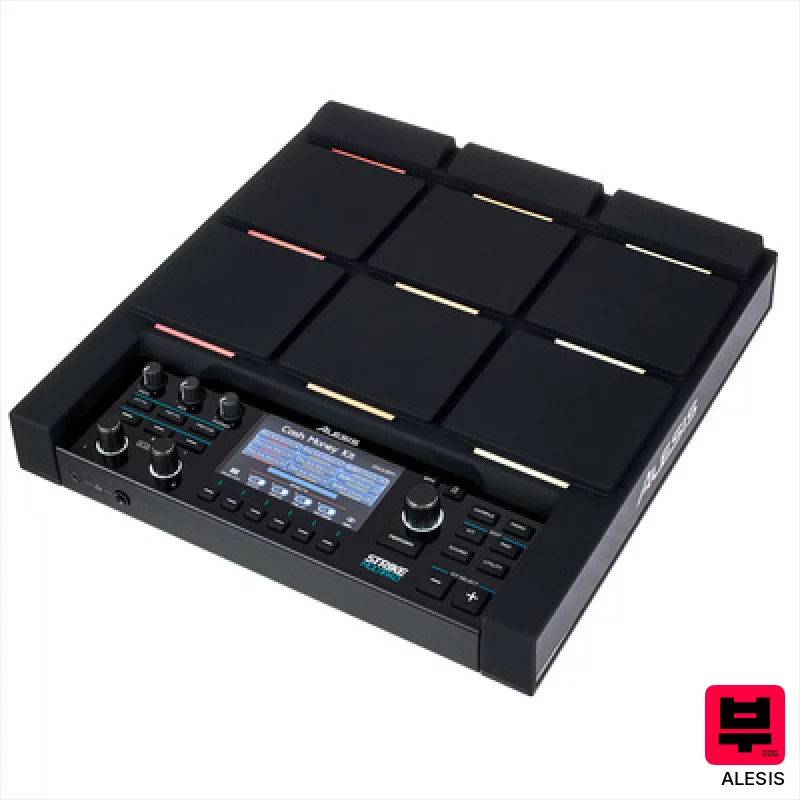
Alesis Strike MultiPad
- • Velocity-sensitive pads offer dynamic, expressive performance.
- • Large color display simplifies navigation and sound editing.
- • Built-in loop recorder unlocks creative real-time performance possibilities.
- • Extensive sound library provides a wide range of sonic textures.
- • The plastic enclosure feels somewhat budget-oriented, not as robust as higher-end units.
- • FAT32 USB requirement can be limiting for very large sample imports.
- • The 4.3-in display, while functional, isn't as crisp as dedicated tablets.
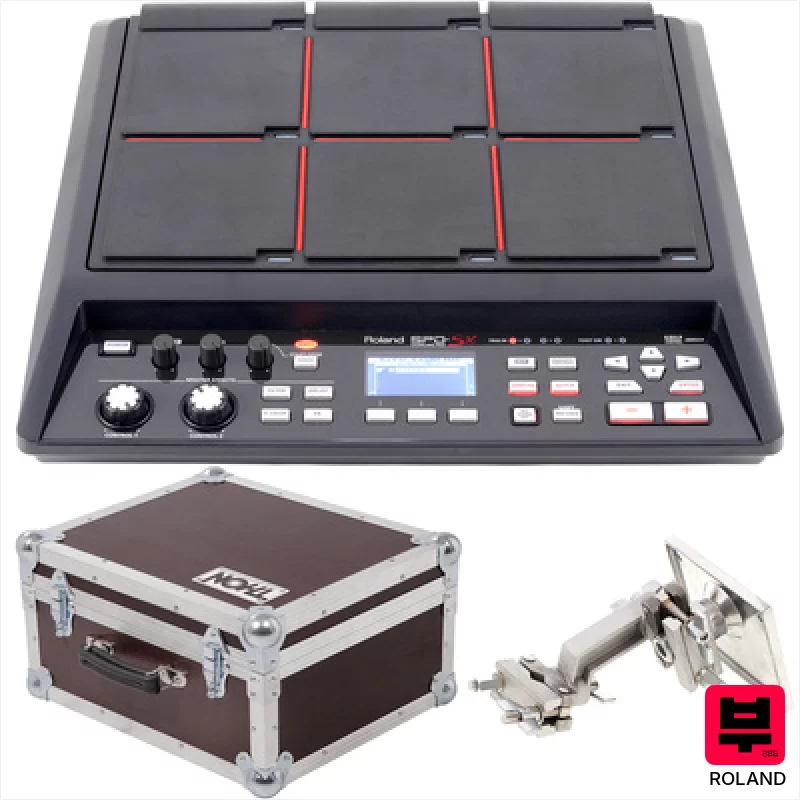
Roland SPD-SX Sampling Pad Bundle
- • Nine high-quality pads offer responsive, nuanced trigger performance.
- • Wave Manager software simplifies complex sample manipulation and organization.
- • Large, backlit LCD improves visibility even in low-light performance conditions.
- • The included Thon case provides robust protection and convenient transport.
- • The unit’s size and weight (2.5 kg) can be cumbersome for smaller setups.
- • 16GB of internal memory, while decent, can be limiting for extensive sample libraries.
- • The Multi-Pad Sampling, while powerful, has a learning curve for new users.
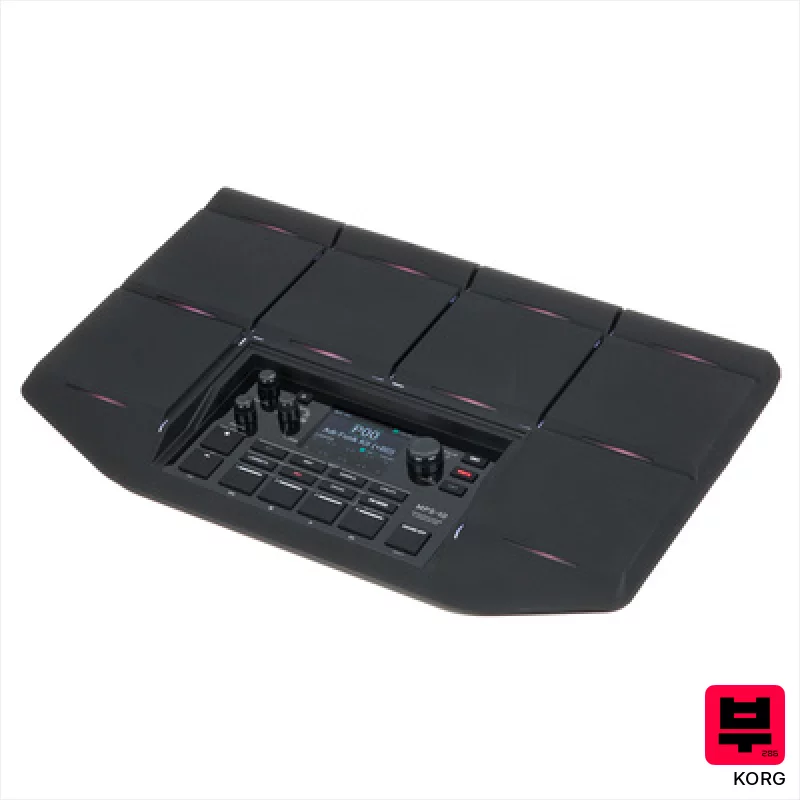
Korg MPS-10
- • Excellent pad responsiveness for nuanced performance and dynamic control.
- • Massive sample library provides a huge range of sonic possibilities.
- • Built-in looper with effects is a serious creative tool for live performance.
- • Impressive 48-voice polyphony avoids frustrating sample cut-offs during complex patterns.
- • The LCD screen, while functional, could benefit from higher resolution and brightness.
- • The workflow, particularly sampling, may have a learning curve for new users.
- • Its size and weight make it less ideal for mobile or gigging situations.
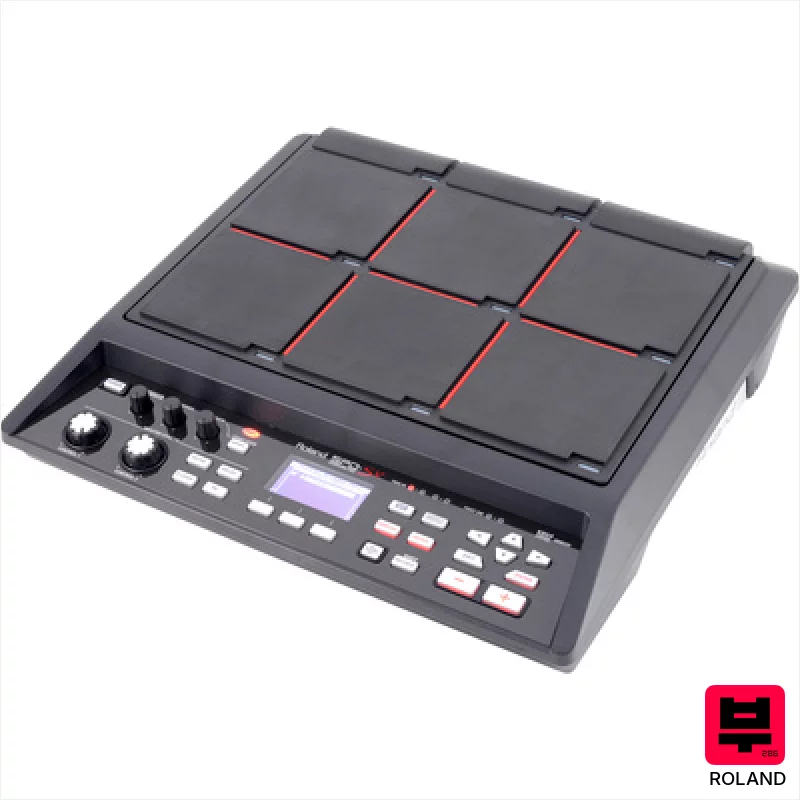
Roland SPD-SX Sampling Pad
- • Excellent pad responsiveness with Roland’s trusted velocity sensitivity
- • Wave Manager software simplifies complex sampling workflows effectively
- • Durable build quality, feels solid and ready for gigging demands
- • Large backlit LCD offers clear visibility even in low-light conditions
- • Price point positions it as a premium investment for serious users
- • Limited pad layout might require creative workaround for complex kits
- • Size and weight make it less ideal for ultra-portable setups
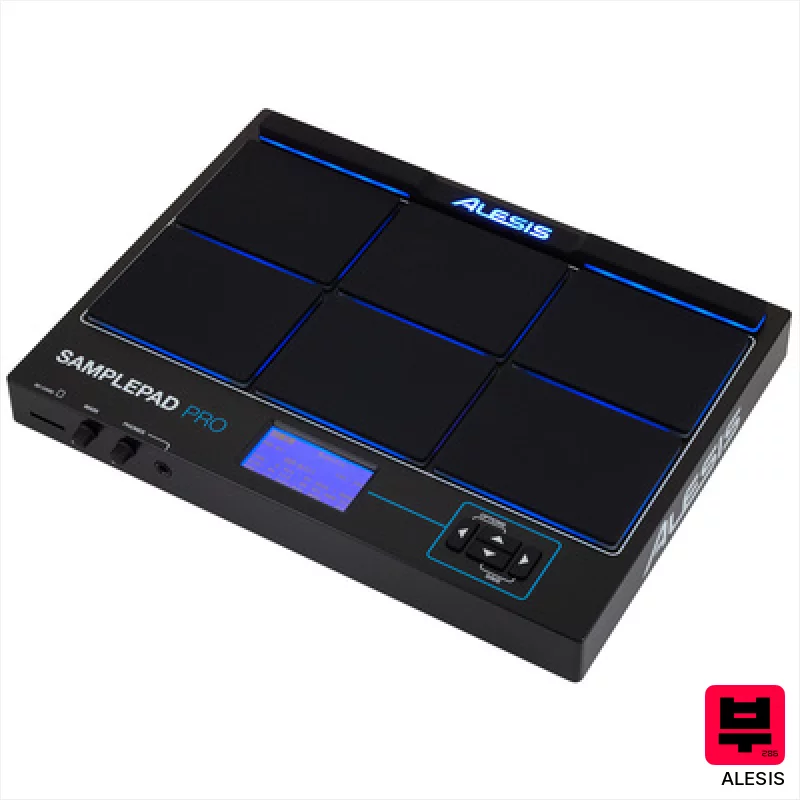
Alesis Samplepad Pro
- • Rubber pads offer decent bounce for a budget-friendly pad.
- • Stereoscopic surfaces provide a basic level of dynamic response.
- • Compact size makes it ideal for smaller spaces or mobile setups.
- • Built-in sounds offer immediate playability without extra gear.
- • Rubber pads lack the feel and nuance of mesh pads.
- • Limited sound editing capabilities beyond kit selection.
- • Stereoscopic dynamics are rudimentary; not for advanced playing techniques.
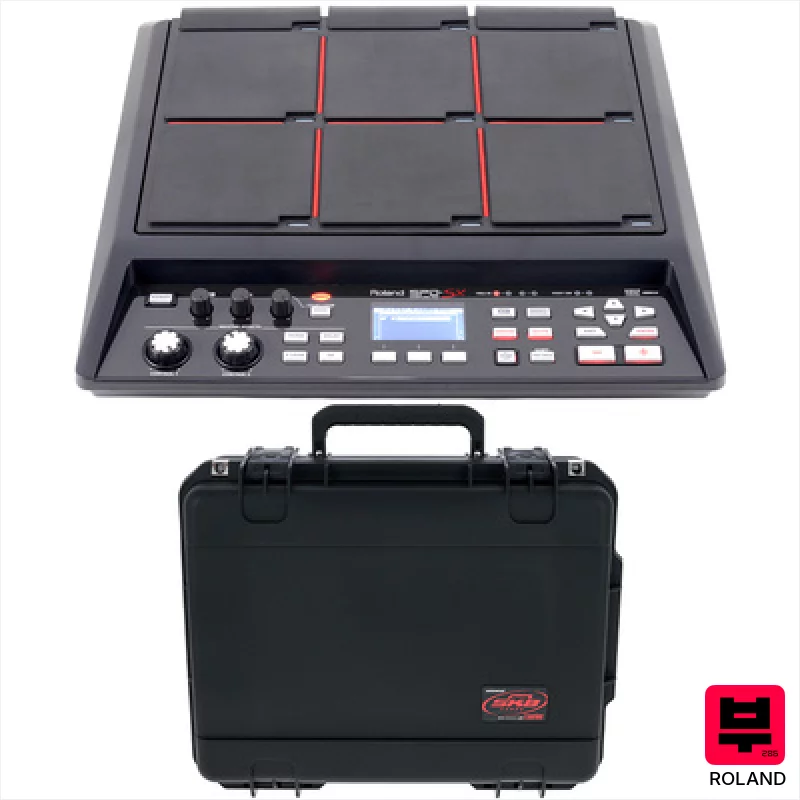
Roland SPD-SX Pad + SKB 3i Case
- • SKB 3i case offers exceptional, rugged protection from road abuse.
- • Roland’s Wave Manager simplifies sound importing and editing workflows.
- • 9 velocity-sensitive pads provide responsive and nuanced performance.
- • Large backlit LCD offers clear visibility even in dimly lit environments.
- • The SPD-SX’s pad surface can feel a bit plasticky and lacks a premium feel.
- • Internal memory, while generous at 16GB, can still fill up quickly with larger samples.
- • The unit’s weight combined with the SKB case makes transport a bit cumbersome.

DDrum NIO Percussion Pad
- • Responsive rubber pads offer surprisingly realistic feel.
- • Built-in sounds are surprisingly usable and well-sampled.
- • Multiple kit slots allow for considerable customization.
- • Robust construction feels solid and travel-ready.
- • Limited pad size restricts advanced playing techniques.
- • Trigger inputs lack dedicated gain adjustment controls.
- • Sound engine, while decent, isn't as flexible as dedicated samplers.
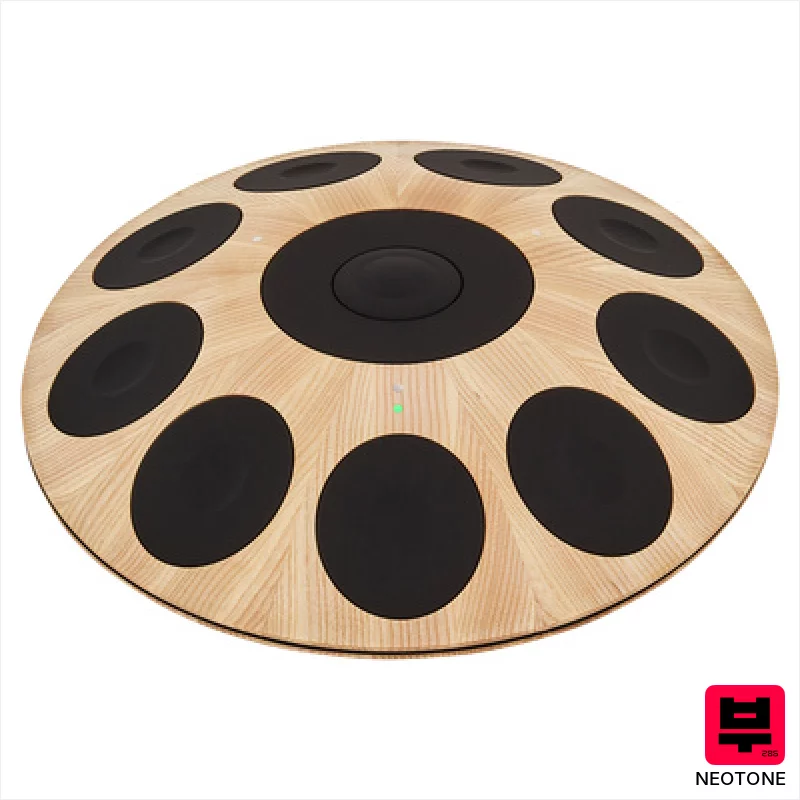
Neotone One Digital Handpan Ash
- • Ash wood construction provides warm, resonant acoustic character
- • Exceptional positional accuracy (0.5cm) allows for nuanced playing
- • Impressive 112dB SNR ensures clean, noise-free audio output
- • Extensive scale customization via UI unlocks incredible sonic versatility
- • Premium-priced, represents a significant investment for most musicians
- • The larger diameter (470mm) makes it less portable than acoustic handpans
- • Limited tactile feedback compared to traditional acoustic handpans

Neotone Mutant Digital Handpan Ash
- • Ash wood construction delivers a warm, resonant acoustic feel
- • Extensive scale library offers incredible sonic flexibility and experimentation
- • Low 5ms latency ensures real-time responsiveness for nuanced playing
- • Comprehensive MIDI implementation unlocks integration with DAWs and external gear
- • The substantial size and weight (likely around 12-15 lbs) limit portability
- • Premium-priced point puts it out of reach for many casual percussionists
- • Reliance on battery power requires planning and potential charging downtime
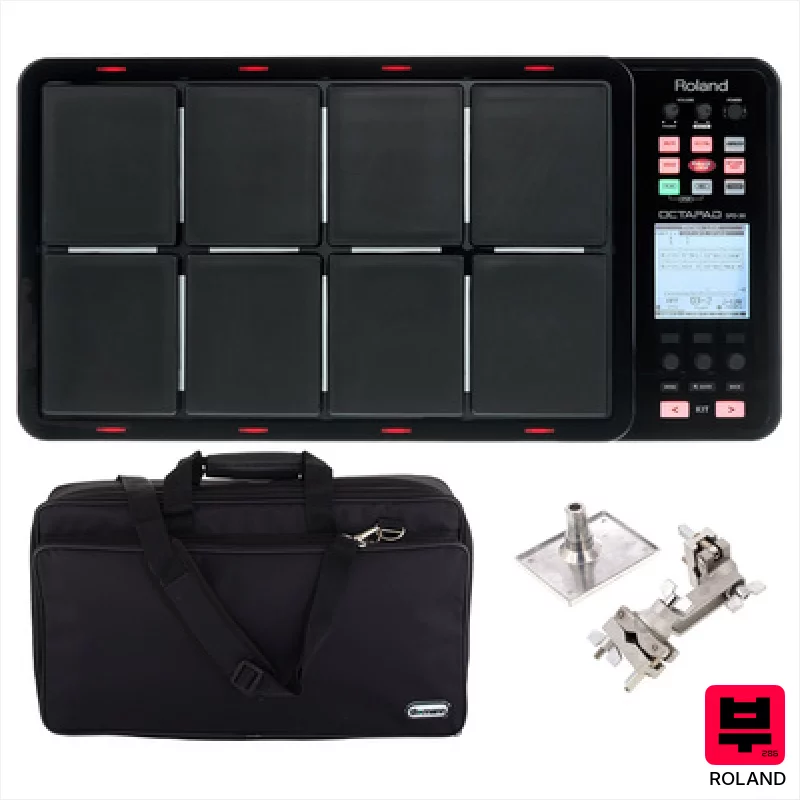
Roland SPD-30-BK Octapad Bundle
- • Excellent sound editing capabilities offer deep sonic customization.
- • Dual-trigger inputs expand versatility for complex triggering setups.
- • Built-in looper enables on-the-fly phrase creation and layering.
- • Compact size and relatively light weight facilitate portability and stage use.
- • Limited pad size may feel cramped for players accustomed to larger pads.
- • Graphic LCD is functional but lacks the resolution of modern displays.
- • Sound library, while extensive, could benefit from more contemporary samples.
How to Choose the Best Percussion & Sampling Pads
Sensitivity & Dynamics
This is everything. A pad that doesn't respond to subtle touches is useless for nuanced textures. We're looking for pads with a wide dynamic range, allowing for everything from gentle whispers to hard-hitting impacts. Cheap pads often have a dead zone at the beginning of the strike.
Sound Quality & Sample Playback
Obviously, the sound is crucial. But it's not just about the sample itself; it's about how the pad handles it - does it introduce noise, distortion, or latency? We're listening for clean playback and the ability to layer samples without muddying the mix.
Connectivity & Integration
MIDI control is non-negotiable. Beyond simple triggering, look for pads with velocity, aftertouch, and continuous controller support. Seamless integration with your DAW and other gear is a massive time-saver in the studio.
Build Quality & Playability
Pads take a beating. We're assessing the feel of the surface - is it grippy, responsive, and durable? The action needs to be consistent and comfortable for long sessions, whether you're laying down intricate patterns or just jamming.
Sound Engine/Effects
Some pads have built-in effects like reverb, delay, or filters. While these aren't always a replacement for dedicated plugins, they can add a layer of sonic texture and immediacy that's great for live performance or quick ideas.
Buying Guide
Don't fall for the hype. A lot of pads promise the moon, but cut corners on sensitivity or build quality. Spending a little more upfront for a pad with a responsive surface and reliable MIDI implementation will save you headaches down the line. If you're primarily recording, focus on sample quality and latency; if you're gigging, durability and ease of use are key - a pad that falls apart mid-set isn't worth it, no matter how cool it sounds.
Our Methodology
We don't just read spec sheets here. We've spent countless hours banging on these pads in our studio, layering them into tracks across genres from techno to experimental hip-hop, and even dragging them to band rehearsals to see how they hold up under pressure. Our evaluations are based on real-world performance - how they feel to play, how they sound in a mix, and how reliable they are when the lights are low and the crowd's roaring.

