
Best Overhead Microphones for Studio Recording 2026
Okay, so you're ready to level up your drum recordings? Overhead mics are the foundation - get those wrong, and the whole kit sounds phasey and lifeless. It's not just about throwing up a pair of condensers; it's about picking mics that capture the kit's natural vibe and translate well in the mix. Let's break down the best options for studio recording, focusing on what really matters for that punch and clarity.
Last updated: July 1, 2026 • Next update: July 8, 2026

Audio-Technica AT4041
- • Excellent transient response for capturing drum overhead detail
- • Robust metal body provides surprising durability for its class
- • Cardioid pattern minimizes bleed from other instruments on stage
- • Extended frequency response captures subtle nuances across the spectrum
- • Can be slightly sensitive to handling noise without proper technique
- • Lacks the low-end heft of some dedicated kick drum mics
- • Requires phantom power, limiting use with some older interfaces
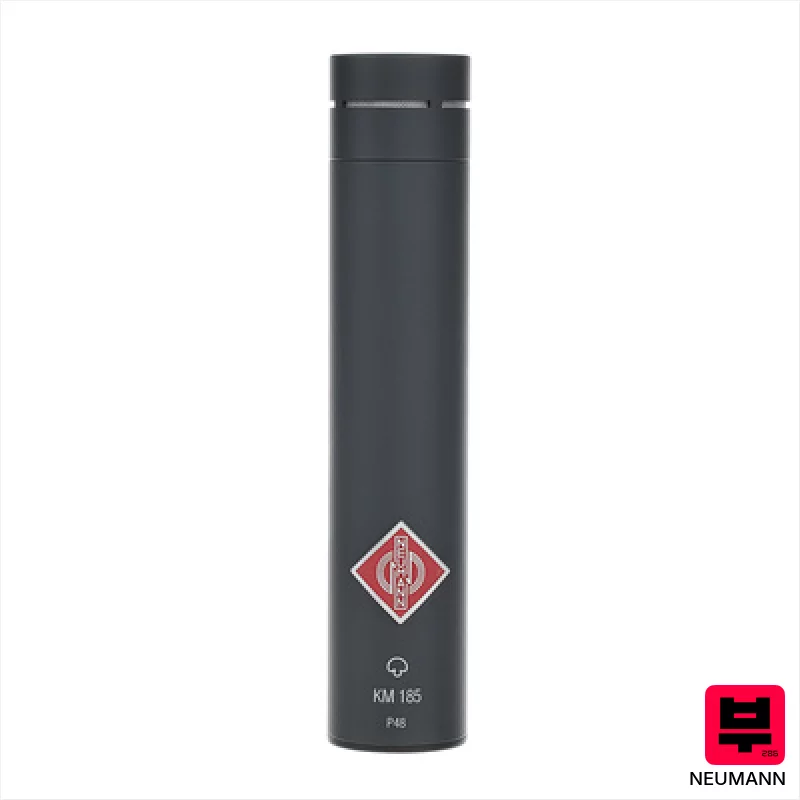
Neumann KM185 mt
- • Exceptional transient response captures nuanced drum detail
- • Hypercardioid pattern minimizes bleed, ideal for loud stages
- • Robust Neumann build quality ensures years of reliable use
- • Detailed, balanced sound – complements various drum tunings
- • Hypercardioid's narrow pattern demands precise mic placement
- • Premium-priced, a significant investment for budget-conscious users
- • Limited versatility; not ideal for vocals or acoustic instruments
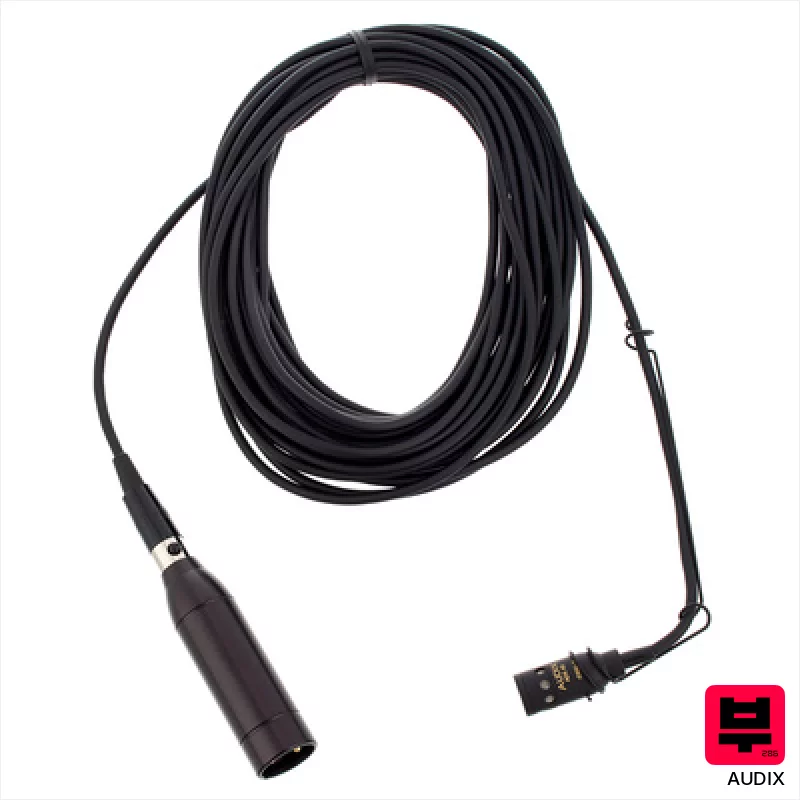
Audix ADX 40
- • Excellent transient response for crisp cymbal articulation
- • Cardioid pattern minimizes bleed from other kit elements
- • Included APS910 simplifies phantom power in non-traditional setups
- • Robust wire hanger allows for precise, stable overhead positioning
- • Mini-XLR cable is proprietary and potentially a replacement hassle
- • Cardioid pattern limits stereo imaging potential compared to omni mics
- • Relatively heavy for extended hanging during long gigs
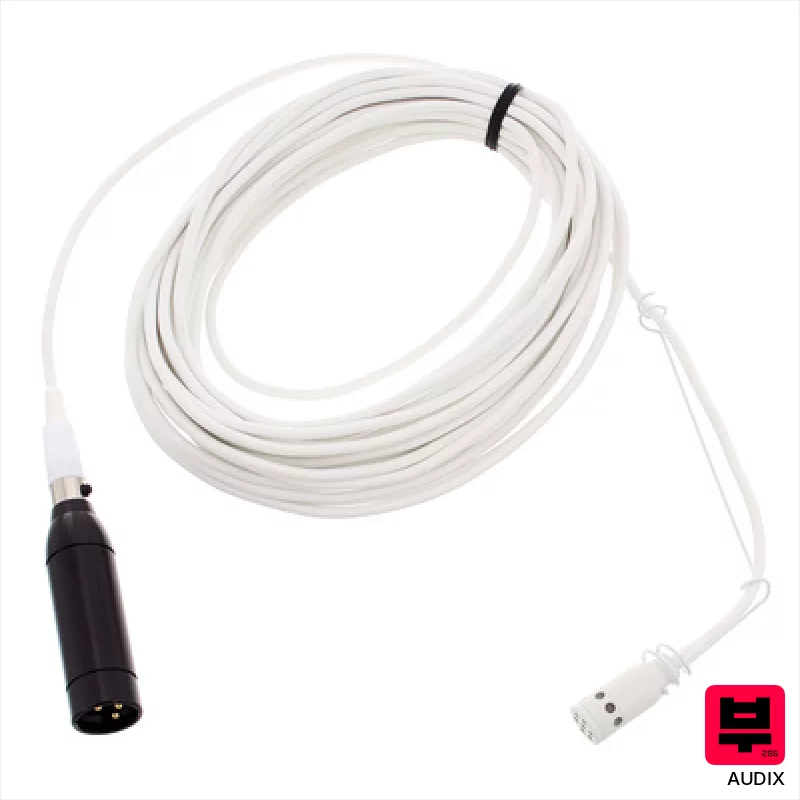
Audix ADX 40 White
- • Exceptional transient response for detailed cymbal capture
- • Unique hanging design simplifies overhead mic placement
- • Included APS910 expands phantom power compatibility
- • Bright, airy sound with surprisingly robust low-end
- • Cardioid pattern limits stereo imaging possibilities
- • White finish might not suit all stage aesthetics
- • Mini-XLR cable adds a potential point of failure
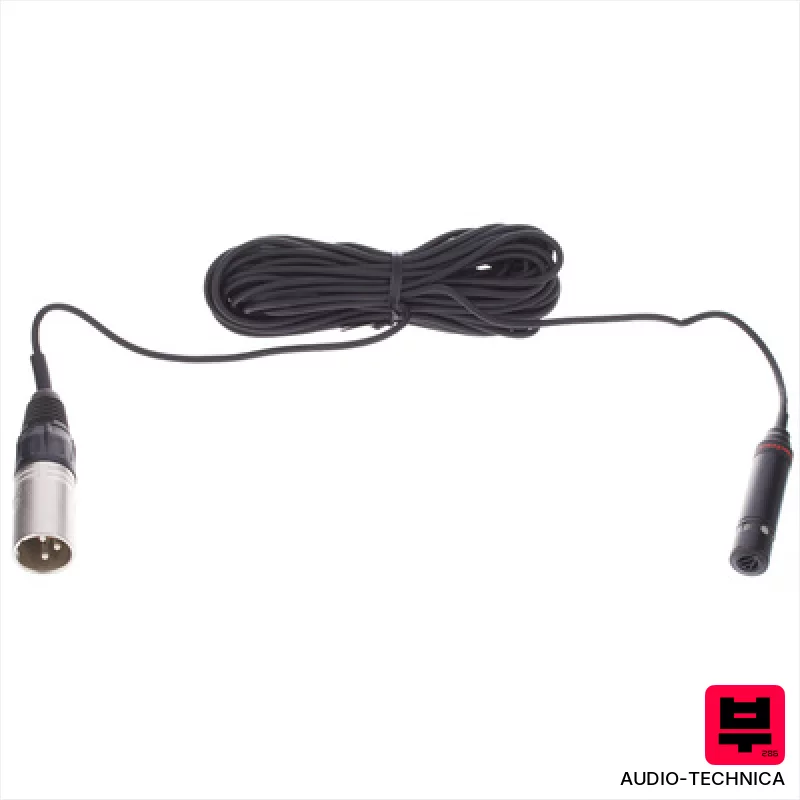
Audio-Technica Pro45
- • Excellent value for a dedicated overhead mic – hard to beat the price.
- • Cardioid pattern minimizes bleed from other kit pieces, crucial for drum isolation.
- • Long, solid-mounted cable simplifies hanging and reduces cable noise issues.
- • Surprisingly robust build quality for its price point; feels dependable.
- • Cardioid pattern limits flexibility; not ideal for omnidirectional room mic needs.
- • Limited frequency response compared to higher-end overhead options.
- • Lacks the low-end warmth and detail of more sophisticated condenser designs.

Audix F9
- • Gold diaphragm delivers a crisp, detailed cymbal shimmer.
- • Compact size and light weight simplify overhead mic rigging.
- • Cardioid pattern minimizes bleed from other kit elements.
- • Versatile enough for acoustic instruments beyond just drums.
- • Cardioid pattern limits stereo imaging potential for advanced overhead techniques.
- • Lower sensitivity compared to some premium overhead mics; may require preamp gain.
- • Build feels somewhat plasticky; not as robust as higher-end Audix models.
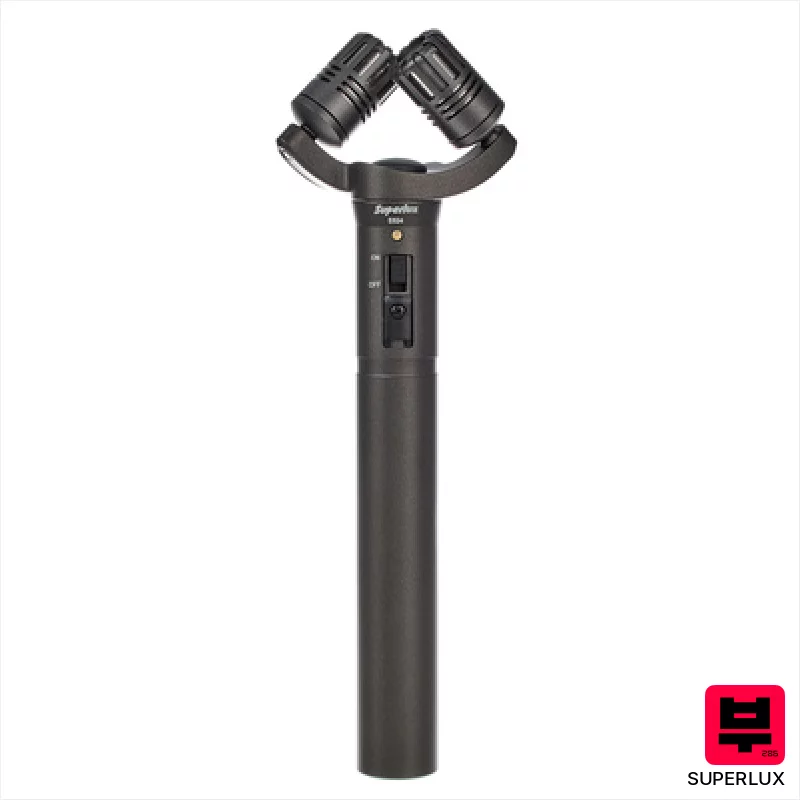
Superlux E524/D
- • Surprisingly robust metal body for the price point.
- • XY configuration delivers accurate, natural stereo imaging.
- • High max SPL handling allows for loud drum kits without distortion.
- • Included accessories offer a complete, ready-to-use package.
- • Cardioid pattern limits flexibility for unusual recording setups.
- • Somewhat heavy, which can be a factor on drum kit mounting.
- • Slightly noisy floor compared to premium condenser mics.
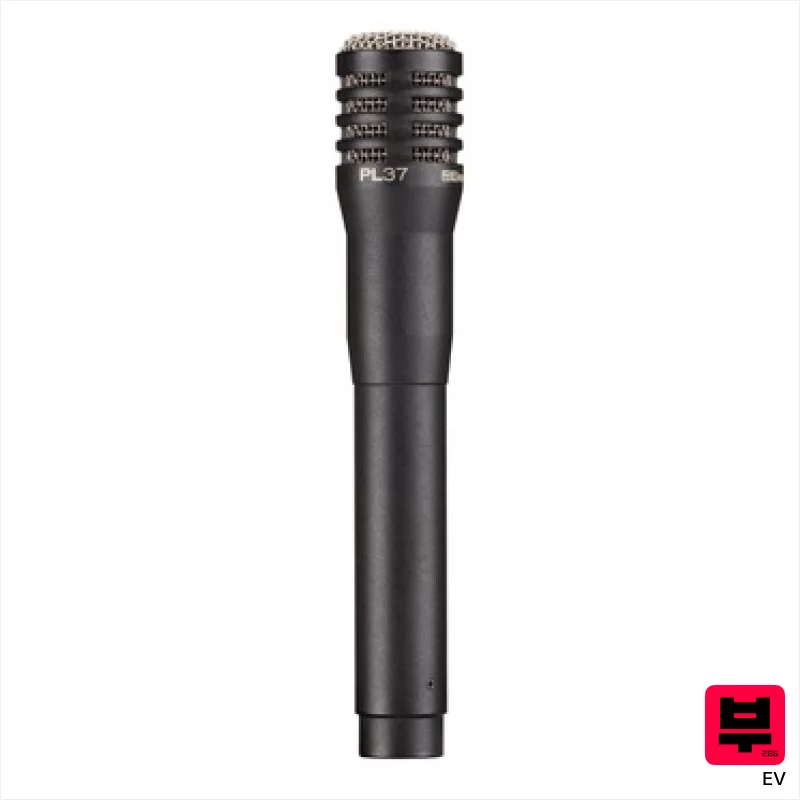
EV PL 37
- • Solid metal body provides surprising durability for the price.
- • Cardioid pattern minimizes bleed in multi-mic drum setups.
- • Frequency response captures a decent range for overheads and toms.
- • Lightweight design reduces stand stress during energetic performances.
- • Sound lacks the detail and nuance of higher-end condenser mics.
- • 200-ohm impedance might require a preamp with sufficient gain.
- • Satin black finish is a fingerprint magnet and can look cheap.
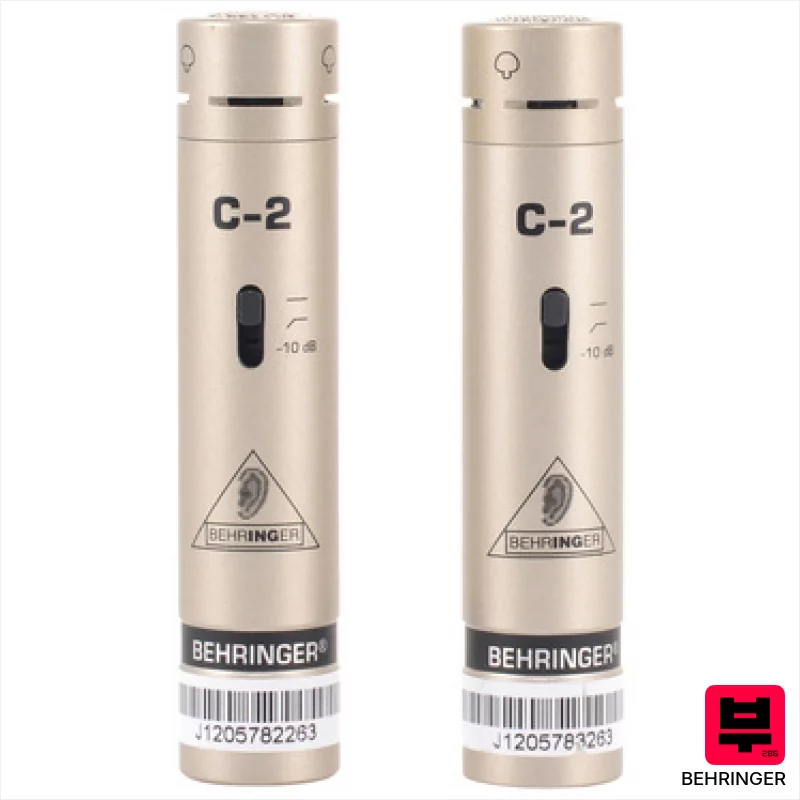
Behringer C-2 Stereoset
- • Surprisingly decent transient response for the price bracket
- • Solid build quality for a budget condenser mic
- • Included accessories like windscreen and clips are genuinely useful
- • Cardioid pattern offers good isolation in less-than-ideal recording spaces
- • High-pass filter is a bit weak, doesn't truly tame low-frequency rumble
- • Transformerless design lacks the warmth of true vintage condensers
- • Limited dynamic range; not ideal for loud sources or critical recordings
How to Choose the Best Overhead Microphones
Polar Pattern
Cardioid and figure-8 are common, but for overheads, a wide cardioid or even a supercardioid can offer better imaging and less bleed. The pattern needs to accurately capture the kit's width and avoid unwanted room tone - especially crucial in smaller studios.
Frequency Response
You want a balanced response - not overly hyped highs (ice-pick harshness!) or a muddy low-end. Look for mics that capture the snap of the snare and the body of the kick without sounding artificial. A slight bump in the upper mids can help cymbals cut through.
Transient Response
This is huge. Can the mic accurately capture the attack of the drums? A slow transient response will make the kit sound dull and lifeless, blurring the details. Fast transients give you that impactful punch and definition.
Self-Noise
Studio recording is all about capturing nuance. A noisy mic will introduce unwanted hiss, especially when you stack tracks or apply gain. Lower self-noise is essential for clean, professional recordings, especially when miking quieter elements.
Pad/Filter Options
Having a pad (attenuator) is vital for handling loud cymbals without clipping. A high-pass filter (HPF) is your friend for taming low-frequency rumble and proximity effect - essential for a clean, focused drum sound.
Buying Guide
Don't fall for the 'more expensive = better' trap. A lot of high-end mics are amazing, but overkill for a basic studio setup. What you're really paying for is often subtle nuances and a pristine build quality. Look for mics with a clear, natural sound, good transient response, and a decent pad/filter. Used mics are your friend - you can often snag a pro-level mic for a fraction of the cost, just check the capsule for wear.
Our Methodology
We're not just looking at spec sheets here. We've spent countless hours A/B testing these mics against each other and with various drum kits - everything from vintage Ludwig to modern maple. We've put them through the wringer in different studio environments and even thrown them into a few band tracking sessions to see how they handle real-world dynamics and bleed.

