
Best Other Acoustic Treatment Under $300 2026
Look, you're trying to tame a room without breaking the bank. We all have been there - bedroom studios, rehearsal spaces, even a gig venue with walls that sound like a tin can. Spending thousands on acoustic treatment is a pipe dream for most of us, so let's talk about getting some serious improvement under $300. This isn't about perfection, it's about getting rid of that muddy low-end and those harsh reflections that make everything sound phasey and indistinct.
Last updated: April 11, 2026
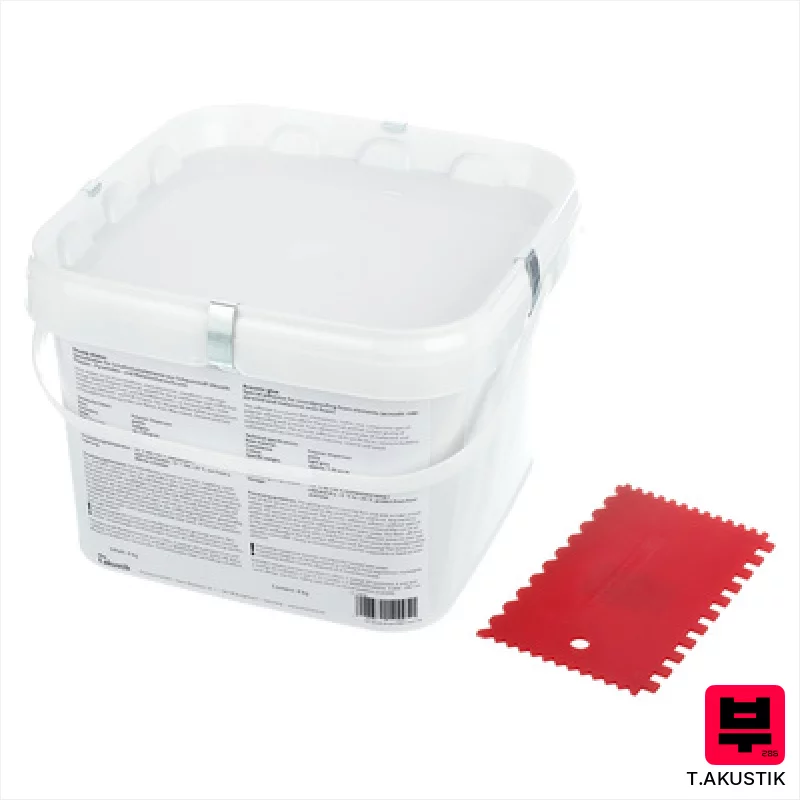
t.akustik Contact Glue Liquid 4 kg
- • Solvent-free formula minimizes fumes, crucial for studio environments.
- • High initial adhesion prevents foam shifting during installation.
- • Paste-like consistency reduces drips and wasted material compared to thinner glues.
- • D1 TE rating ensures extended open time and reduced slippage.
- • 4 kg quantity may be excessive for smaller acoustic treatment projects.
- • Fire rating is dependent on substrate properties; careful assessment needed.
- • Working temperature requirement of above 5°C limits use in colder climates.
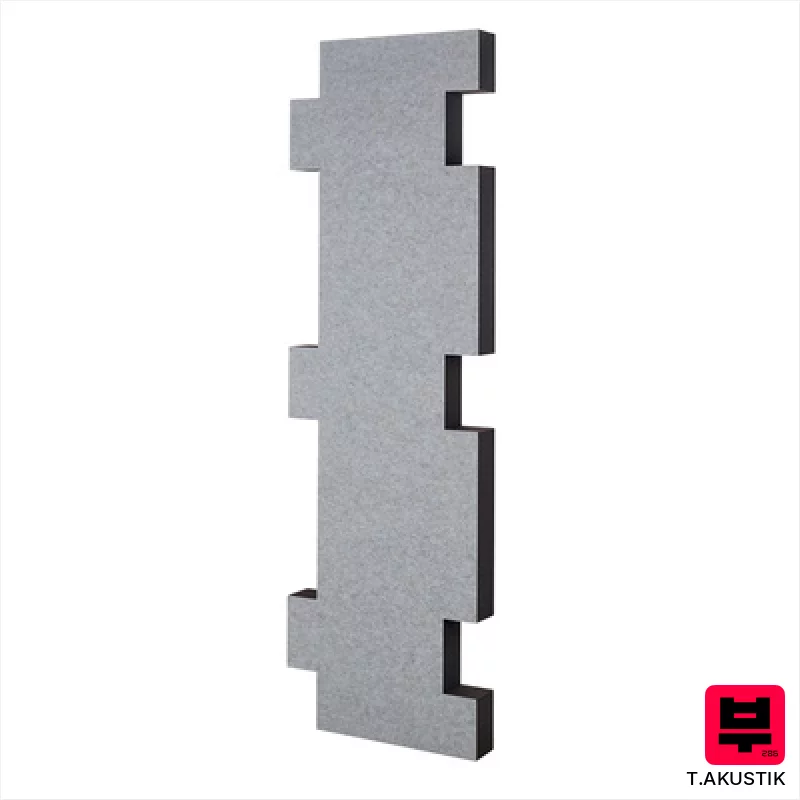
t.akustik Absorber Wall Modular 192 Exp.
- • Dense 25kg/m³ foam effectively absorbs mid-range frequencies.
- • Felt fabric cover minimizes unwanted reflections and adds a professional look.
- • Modular design allows for flexible room treatment configurations.
- • Flame retardant properties offer enhanced safety and peace of mind.
- • Requires a base module, adding to the overall investment.
- • Light grey color may not suit all studio aesthetics.
- • Limited low-frequency absorption compared to thicker, more substantial panels.

Thon Protektive Shield 1000 x 1000
- • Robust 8mm polycarbonate offers excellent impact resistance
- • German engineering ensures high quality construction and stability
- • Integrated hatch provides convenient access for document or item exchange
- • Stable base minimizes tipping risk, especially crucial in high-traffic areas
- • The 9.2kg weight makes relocation without assistance challenging
- • Polycarbonate can scratch more easily than some other plastics
- • The hatch size might be restrictive for larger items or documents
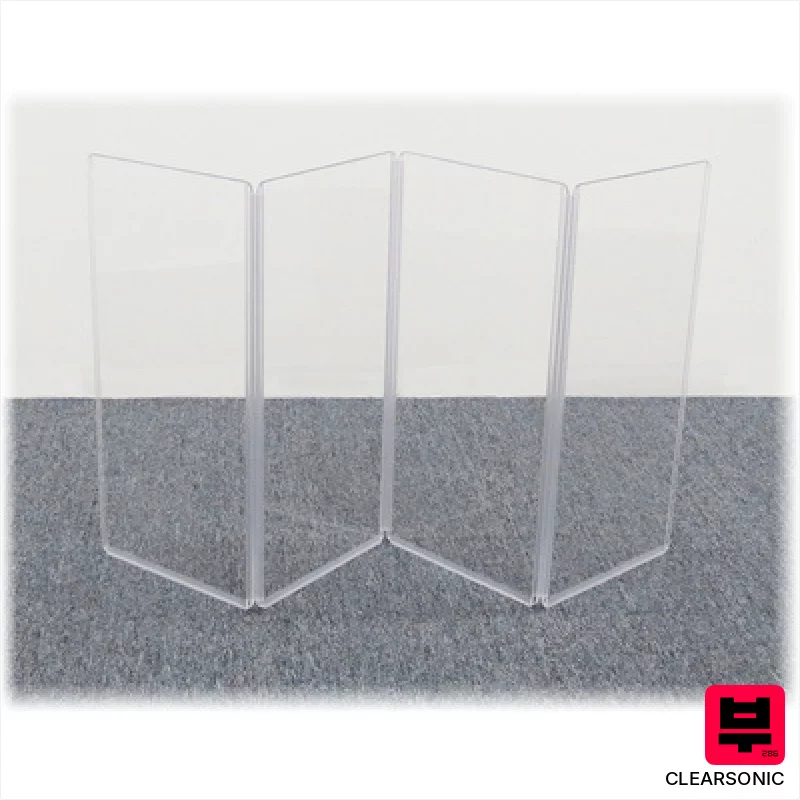
Clearsonic A1224x4 Amp Shield
- • Laser-cut acrylic provides excellent acoustic isolation and clarity
- • Accordion-style hinges allow for compact storage and portability
- • 6.35mm thickness offers robust shielding against stage noise and studio bleed
- • Transparent panels maintain visual appeal and amplifier aesthetics
- • Acrylic can be prone to scratching with rough handling
- • Limited size might not fully shield very large amplifier heads
- • Relatively lightweight, but can still be awkward to manage one-handed
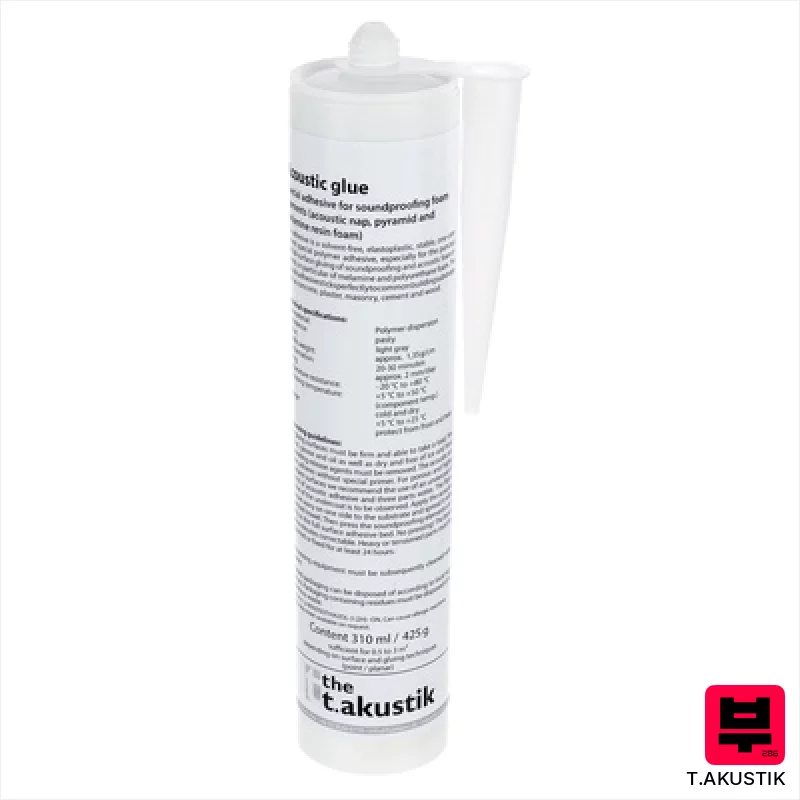
t.akustik Contact Glue Liquid
- • Strong initial adhesion minimizes foam shifting during installation
- • Solvent-free formula is safer for studio environments and users
- • Paste-like consistency prevents dripping and ensures even coverage
- • Suitable for Basotect, a notoriously difficult foam to adhere
- • Limited volume (310ml) necessitates multiple cartridges for larger projects
- • Fire rating dependent on substrate; not universally fire-safe
- • Cartridge dispenser sold separately, adding to overall cost and complexity

t.akustik Mobile Wall
- • Flexible polyurethane foam offers decent mid-range absorption
- • 3-segment stand provides adjustable height for varied use
- • Flame retardant properties offer a degree of safety
- • Portable design allows for easy setup and relocation
- • Foam density is relatively low, limiting low-frequency absorption
- • Base plate size might be unstable on uneven surfaces
- • Limited aesthetic appeal – purely functional design

HOFA Frame 2 Modules White
- • Solid beech wood frame provides excellent acoustic rigidity
- • Waxed finish resists moisture and minor impacts, improving longevity
- • Modular design allows for easy module swapping and room adjustments
- • Included mounting hardware simplifies installation, saving time and effort
- • Weight (4 kg) makes solo installation a bit tricky
- • Limited to HOFA acoustic modules, restricting module choices
- • Beech wood’s natural color variation may impact aesthetic consistency
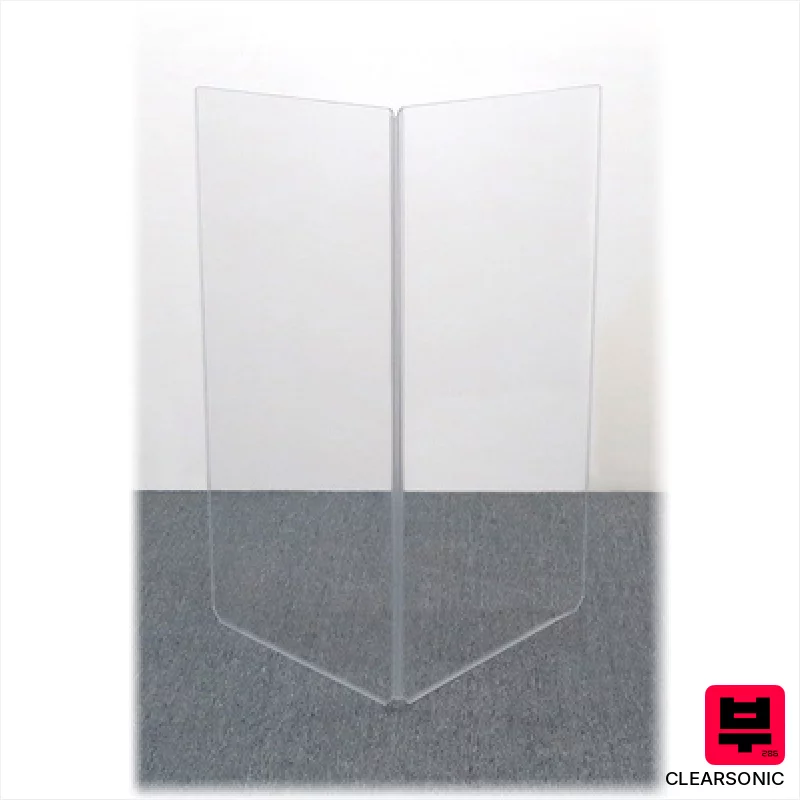
Clearsonic A2448x2 Shield
- • High-quality laser-cut acrylic offers excellent sound isolation.
- • Accordion hinge allows for quick setup and compact storage.
- • 6.35mm thickness provides substantial sound barrier performance.
- • Clear acrylic allows for visual monitoring of the instrument/amp.
- • Acrylic can be prone to scratching if not handled carefully.
- • Limited size may not fully enclose larger drum kits or amplifiers.
- • Weight, while manageable, can be a factor for frequent transport.
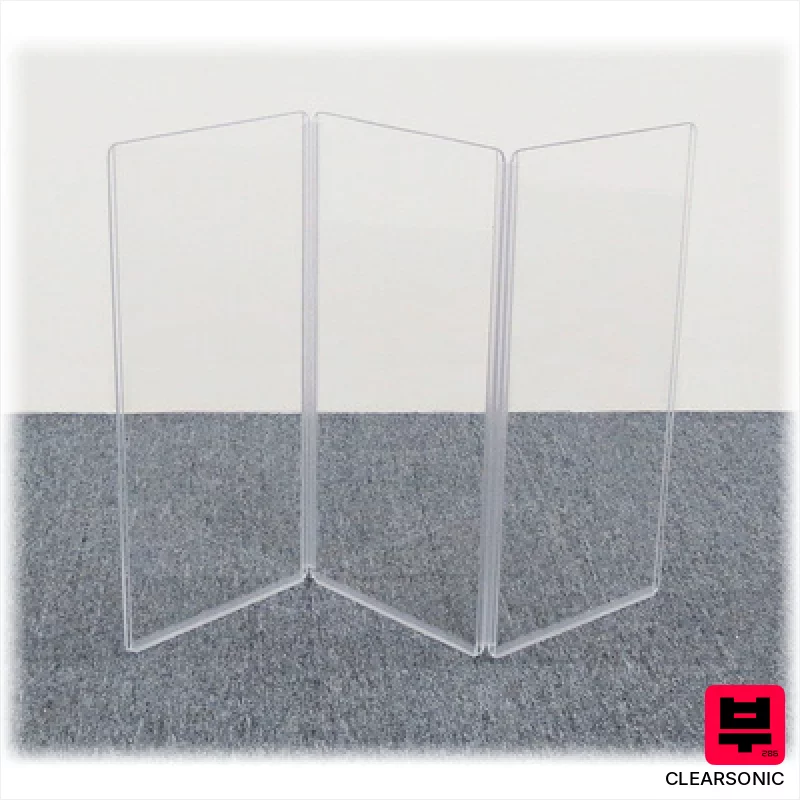
Clearsonic A1224x3 Amp Shield
- • Laser-cut acrylic offers excellent acoustic transparency and durability
- • Accordion folding simplifies transport and storage significantly
- • 3-panel design provides substantial shielding for combo amps
- • 6mm thickness effectively reduces stage volume and studio bleed
- • Acrylic can scratch relatively easily with frequent handling
- • Limited portability due to size, though folding helps
- • May not fully contain extremely loud amplifiers or instruments

Clearsonic A1824x2 Amp Shield
- • Laser-cut acrylic offers rigidity and acoustic isolation.
- • Accordion hinge simplifies transport and setup significantly.
- • 6.35mm thickness provides substantial sound dampening.
- • Compact size suits smaller combo amplifiers effectively.
- • Acrylic can scratch or mark relatively easily with handling.
- • Limited size restricts use to smaller amplifier heads.
- • No included mounting hardware adds to setup complexity.
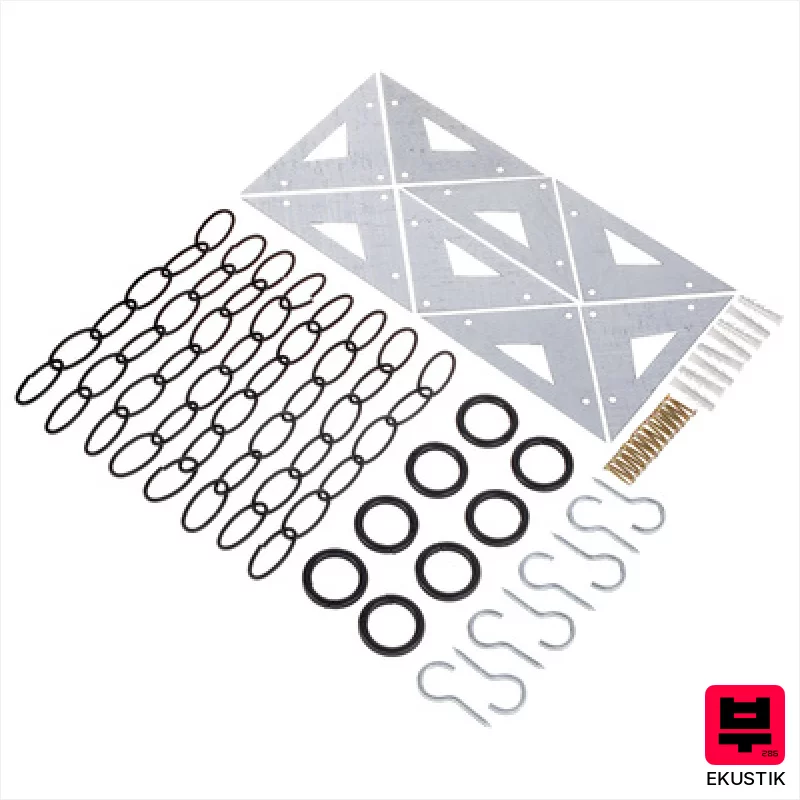
Ekustik Ceiling Suspension Kit DUO
- • Includes all necessary hardware for quick and straightforward ceiling mounting.
- • Metal fasteners and rings offer a robust and reliable suspension system.
- • Chains allow for adjustable absorber placement, optimizing acoustic performance.
- • Black finish blends discreetly into most studio environments, visually clean.
- • Limited to Ekustik Woody Queen/Kid absorbers; incompatible with other brands.
- • Chain length provides only a modest 20cm of vertical adjustment.
- • Dowels are likely standard issue and might not suit all ceiling types.
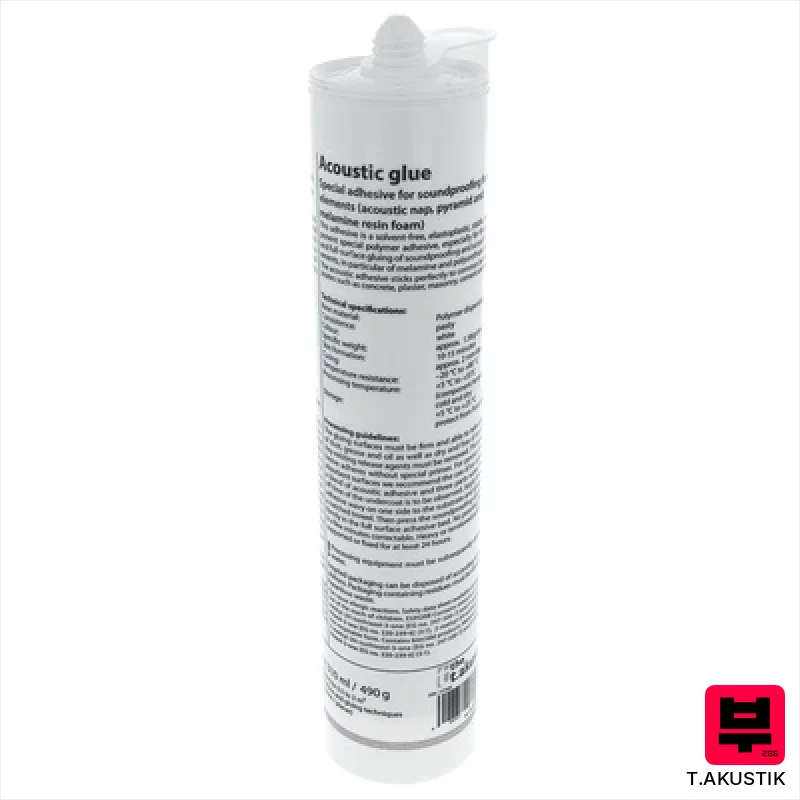
t.akustik Contact Glue
- • Excellent adhesion to melamine and polyurethane foam, common in acoustic panels
- • Solvent-free formula minimizes fumes, crucial for studio environments
- • Fast curing time speeds up acoustic treatment installation significantly
- • Versatile application to concrete, plaster, and wood substrates expands usability
- • Limited coverage area necessitates multiple cartridges for larger projects
- • Pasty consistency can be messy if not applied carefully and efficiently
- • Temperature sensitivity restricts use in extremely cold or hot environments
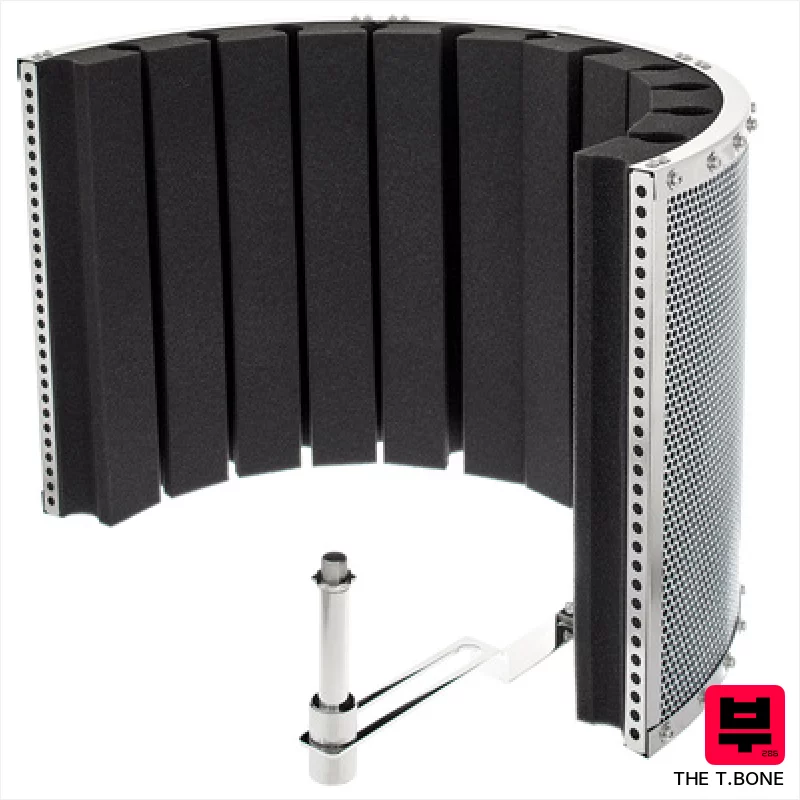
the t.bone Micscreen LE
- • Effective acoustic dampening for vocal and instrument recording
- • Lightweight and portable design facilitates easy setup and transport
- • Versatile application for both studio and live performance scenarios
- • Robust construction with a surprisingly solid feel for the price point
- • The fabric covering, while functional, lacks a premium aesthetic
- • Limited diffusion capabilities compared to dedicated diffusers
- • 460mm diameter can be restrictive in very small recording spaces

Vicoustic VicFix Suspension Profile 1190
- • Aluminum construction provides excellent rigidity and longevity.
- • Large screw holes simplify installation with varied hardware.
- • Removable end caps allow for easy length adjustments or customization.
- • VicFix system offers a clean, professional aesthetic for acoustic treatment.
- • Limited compatibility restricts use with specific Vicoustic diffuser models.
- • Aluminum can be susceptible to scratching or minor dents.
- • Profile depth might require adjustments to ceiling height for optimal clearance.

SE Electronics Reflexion Filter Pro
- • Effective isolation minimizes room reflections, noticeably cleaner vocal recordings.
- • The dual-layer design with both absorption and diffusion is well-executed.
- • Relatively compact footprint compared to full vocal booths, great for smaller spaces.
- • Robust construction; feels solid and durable for frequent transport and use.
- • Can still pick up some low-frequency rumble if your room isn't treated.
- • Microphone clamp isn't the most secure, requiring careful adjustment.
- • Adds a noticeable 'proximity effect' to vocals if not positioned carefully.
How to Choose the Best Other Acoustic Treatment
Frequency Absorption
This is the big one. You need to address those problem frequencies - typically around 125Hz to 2kHz - or your room will still sound boxy and muddy. Cheap foam often struggles here, so look for denser materials or bass traps.
Reflection Point Coverage
It's not enough to just slap panels on a wall. You need to identify first reflection points (where sound bounces from the source to your ears) and treat them. A little experimentation with mirrors can help you pinpoint these.
Material Density & NRC
NRC (Noise Reduction Coefficient) is a number, but it's not the whole story. Denser materials generally absorb lower frequencies better. A high NRC on a thin foam panel doesn't mean it's doing much for your low-end thump.
Ease of Installation
Let's be real, you're probably doing this yourself. Easy mounting options - adhesive, velcro, hanging hardware - are crucial. Fiddling with complicated setups eats into your time and budget.
Durability & Longevity
Cheap foam can compress and lose its effectiveness over time. While you're not expecting professional-grade longevity, you want something that will last through a few band rehearsals and recording sessions without falling apart.
Buying Guide
At this price point, you're making trade-offs. You're not getting studio-grade performance, but you can get noticeable improvement. Don't expect miracles from thin foam panels - they'll mostly address high-frequency reflections, not the low-end boom. Prioritize bass traps or thicker panels if you're battling muddy low frequencies. Look for kits that give you a good mix of panel sizes to address different frequencies, and don't be afraid to get creative with placement - even strategically placed blankets can help.
How This List Is Built
We don't play these instruments — we're a catalog, not a review desk, and we'd rather say so than pretend otherwise. This page ranks 15 other acoustic treatment from the Thomann catalogue, which is the largest single source of specification data in this category.
Position is computed, not curated. Four signals, in order of weight: how completely the manufacturer documents the instrument (number of published specifications), where it sits in the price range, how specific the model designation is — which filters out generic accessories — and whether a product image exists. The same inputs always produce the same order, so nothing here is shuffled to look fresh.
What this list is good for: narrowing a category down to a shortlist by spec and budget. What it isn't: a substitute for hearing an instrument. Before you buy, read hands-on reviews and, where you can, play it. Full methodology.

