
Best Other Acoustic Treatment Under $1,000 2026
Okay, so you're trying to tame that room - that echo, that muddiness, that feeling like your snare just isn't there. Acoustic treatment doesn't have to bankrupt you. We're focusing on getting the most bang for your buck in acoustic treatment under $1000, because a decent-sounding room is essential whether you're tracking vocals, laying down a band rehearsal, or just practicing scales without driving your neighbors insane.
Last updated: April 11, 2026
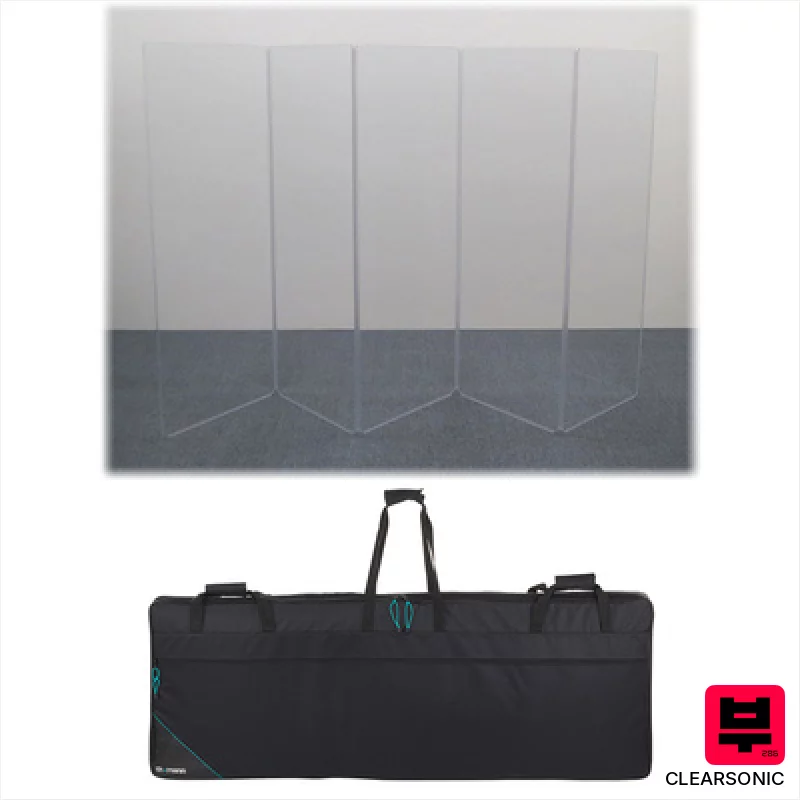
Clearsonic A2448x5 Drum Shield Bag Bundle
- • Acrylic panels offer exceptional clarity and minimal sonic coloration, unlike fabric alternatives.
- • Cordura bag provides robust protection and easy transport with its multiple handles.
- • Accordion-style folding simplifies setup and storage significantly.
- • Fleece-lined bag interior protects the acrylic panels from scratches and damage.
- • The acrylic construction makes the shield system notably heavy, especially for smaller drummers.
- • High-end price point places it out of reach for budget-conscious home recordists.
- • Acrylic can be susceptible to cracking under significant impact, requiring careful handling.
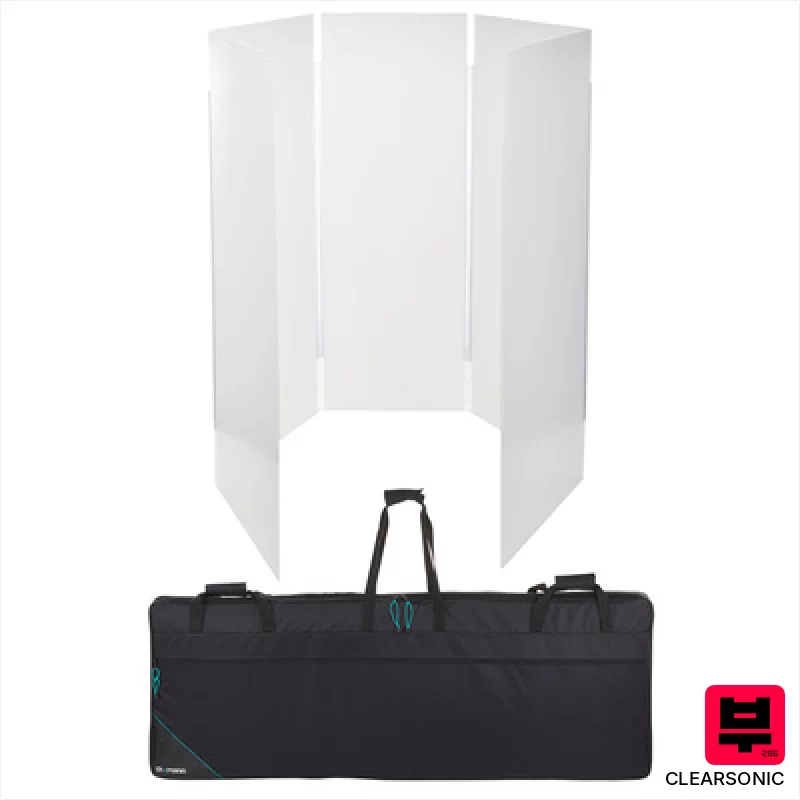
Clearsonic Lite 2466x5 Drum Shield Bundle
- • Acrylic panels offer excellent sound isolation, reducing bleed effectively.
- • Cordura bag provides robust protection and easy transport of the shields.
- • Laser-cut acrylic ensures consistent panel thickness and predictable performance.
- • Connector system allows for quick assembly and reconfiguration of the shield.
- • Untreated edges on the acrylic panels are susceptible to chipping and can feel rough.
- • Limited expandability – incompatible with Clearsonic’s A-series panels restricts flexibility.
- • Significant weight (30kg) makes setup and transport challenging for solo engineers.
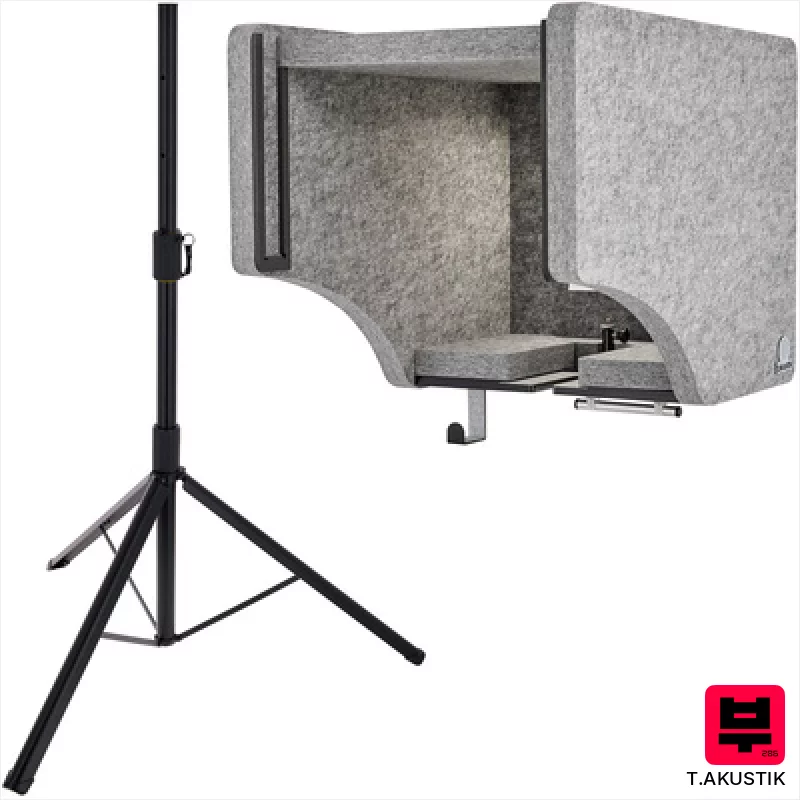
t.akustik Vocal Head Booth Stand Bundle
- • PET polyester offers decent sound absorption, minimizing room reflections.
- • MDF construction provides a rigid, stable platform for recording.
- • Integrated accessories (pop filter mount, headphone holder) enhance workflow.
- • Adjustable microphone mount accommodates various shock mount sizes and angles.
- • PET material isn't a substitute for professional acoustic panels; expect some coloration.
- • The size, while compact, can still feel restrictive for some vocalists.
- • Requires a separate tripod for full functionality, adding to the overall investment.
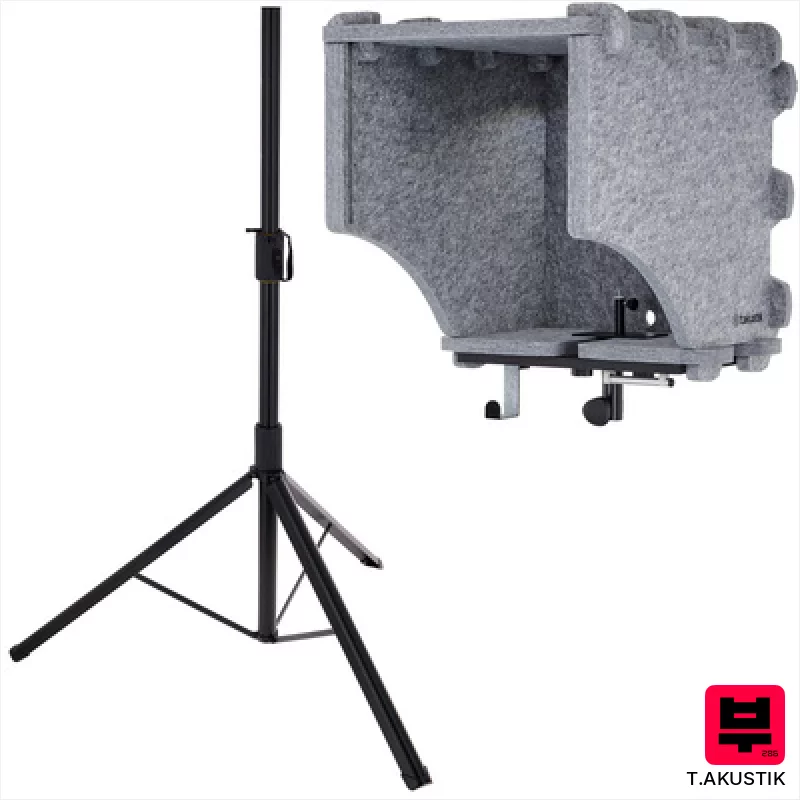
t.akustik Vocal Head Booth mobile Bundle
- • Plug-in system enables rapid assembly/disassembly, great for mobile recording scenarios.
- • Integrated LED lighting provides usable illumination without external power needs.
- • Aluminum rod for pop filter and headphone holder adds genuine convenience.
- • PET polyester material offers decent acoustic dampening for its weight and portability.
- • 7.1kg weight makes it less truly 'mobile' than the name suggests.
- • PET polyester isn't a premium acoustic treatment; expect some reflections.
- • Tripod requirement adds to the overall cost and setup complexity.
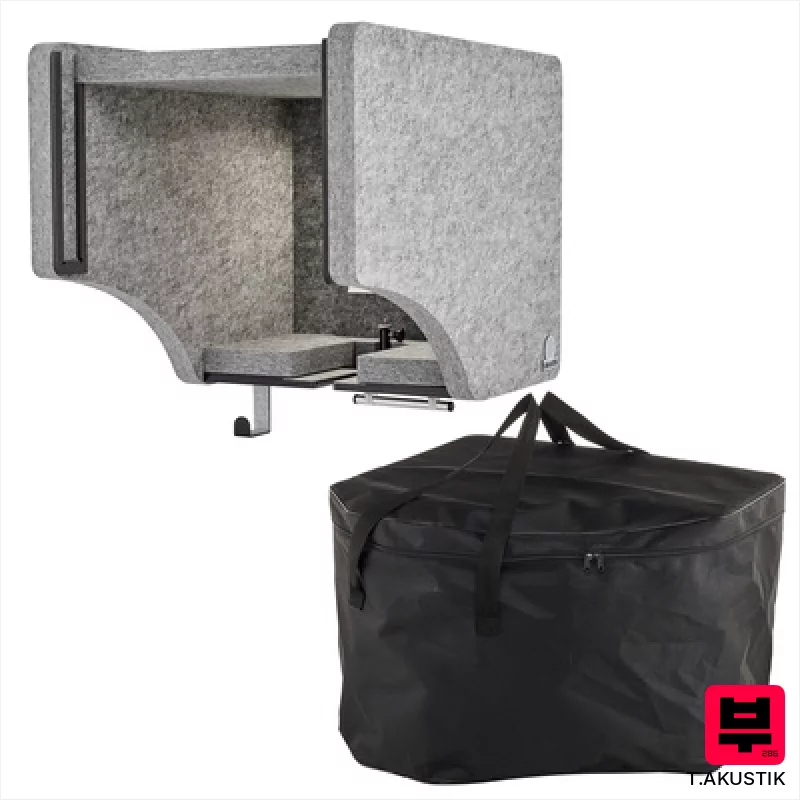
t.akustik Vocal Head Booth Bag Bundle
- • PET polyester offers good acoustic dampening, reducing reflections.
- • MDF construction provides a rigid, stable base for reliable performance.
- • Integrated tripod adapter simplifies setup on standard mic stands.
- • Magnetic text holder is a genuinely useful touch for lyrics/chord charts.
- • The 40mm PET polyester, while decent, isn't top-tier acoustic absorption.
- • Limited internal space restricts larger microphones or complex setups.
- • The bundle's overall size and weight make transport somewhat cumbersome.
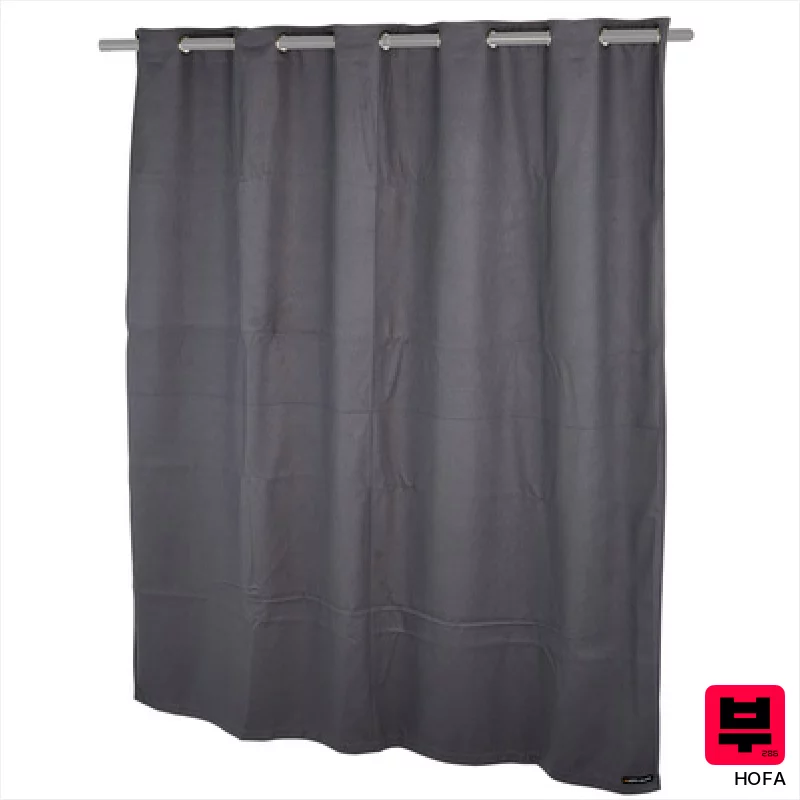
HOFA Acoustic Curtain Iso Standard
- • Heavy 1200 g/m² material provides substantial sound isolation
- • Dual-layer construction combines absorption and insulation effectively
- • B1 fire rating offers crucial peace of mind for studio safety
- • Color gradient provides visual distinction and aesthetic flexibility
- • Significant weight (5.3 kg) makes installation potentially challenging
- • Limited color options may not suit all studio aesthetics
- • Size (200x220cm) might be restrictive for smaller rooms
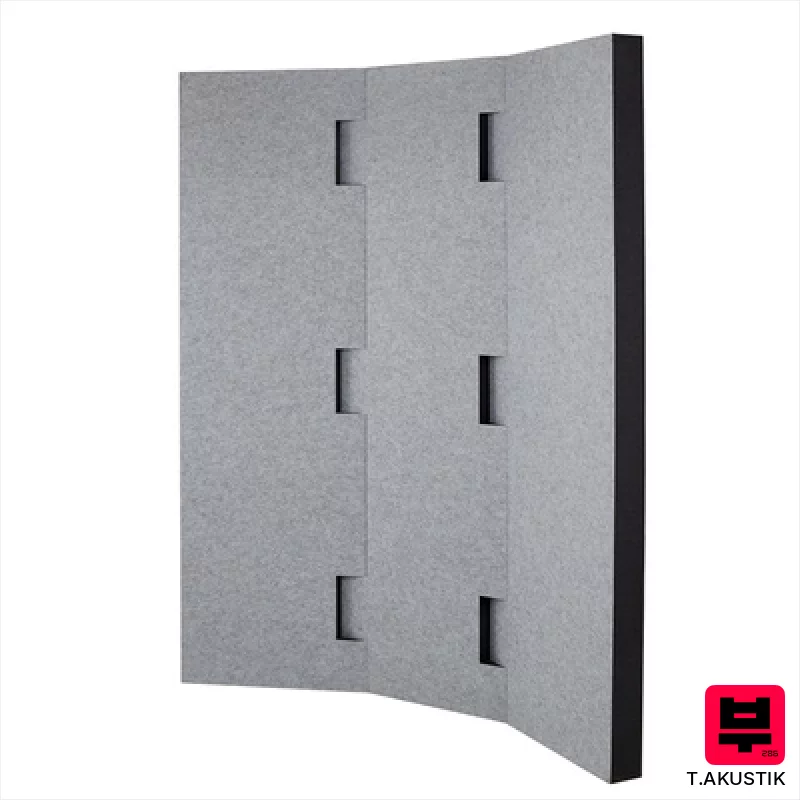
t.akustik Absorber Wall Modular 192
- • Adjustable angles offer flexible acoustic shaping for varied room needs.
- • High-density 25 kg/m³ foam provides substantial broadband absorption.
- • Flame retardant construction (B3 rating) enhances safety in recording environments.
- • Felt covering adds a touch of visual refinement and minimizes flutter echoes.
- • Modular design can be time-consuming to assemble and reposition.
- • Limited low-frequency absorption compared to thicker, dedicated bass traps.
- • Foam material is susceptible to dust and potential degradation over time.

HOFA Acoustic Curtain Studio Std.
- • Heavy 900 g/m² fabric offers substantial mid-range absorption.
- • Dual-tone grey design allows for aesthetic flexibility in room design.
- • B1 fire rating provides crucial safety and peace of mind.
- • Generous 200 x 220 cm size offers broad coverage for smaller spaces.
- • Weight (4kg) makes handling and repositioning a bit cumbersome.
- • Limited color options may not suit all studio aesthetics.
- • Effectiveness is notably reduced in very large, untreated rooms.
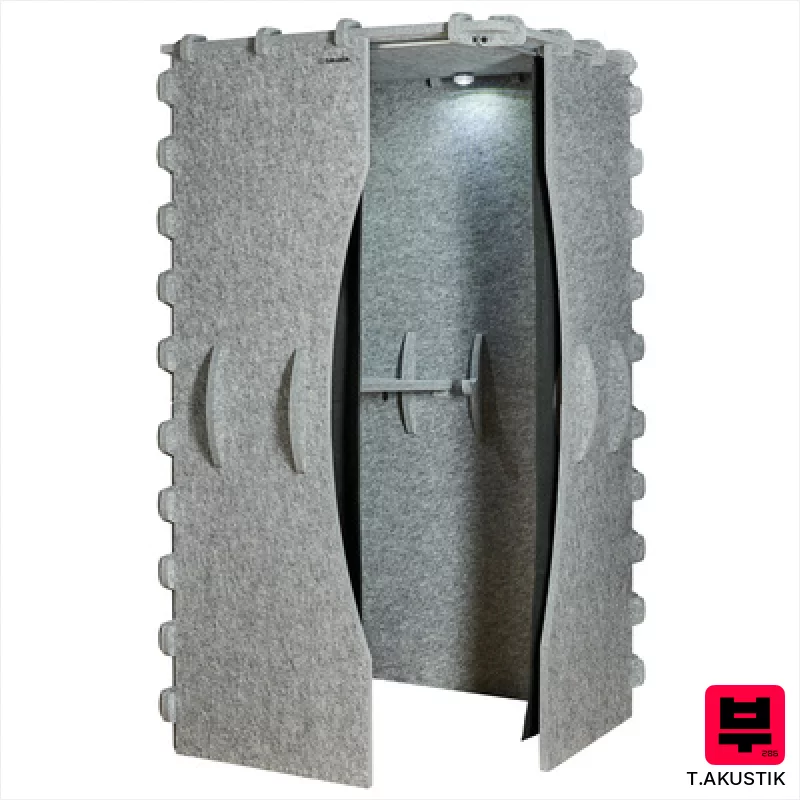
t.akustik PET Vocal Booth
- • PET material provides excellent, consistent sound absorption.
- • Plug-in system allows for relatively quick and easy assembly/disassembly.
- • Integrated shelf and accessories enhance usability for vocalists.
- • B1 fire rating offers a degree of peace of mind regarding safety.
- • The 29kg weight makes relocation a two-person job; not truly 'portable' solo.
- • Internal dimensions limit larger vocalists or instrument setups.
- • PET material, while effective, can exhibit a slightly 'dead' sonic character.
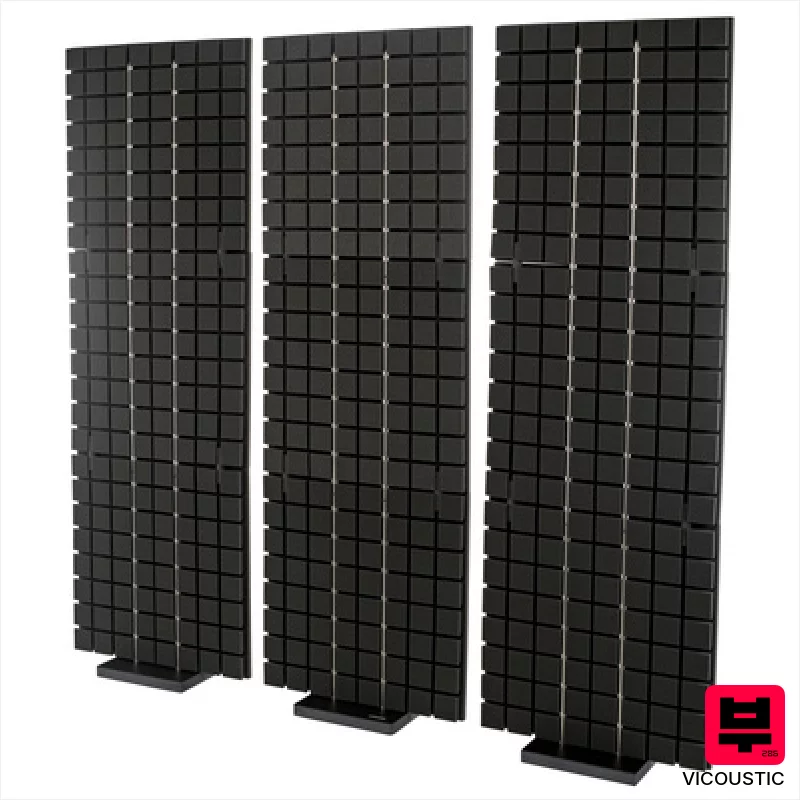
Vicoustic Flexi Wall 3 Set
- • Flexi A50 foam offers broad frequency absorption, taming harsh room reflections
- • Modular design allows for flexible room configuration and future expansion
- • Wooden stands provide stability and a clean, professional aesthetic
- • EN class F fire rating offers peace of mind regarding safety
- • Foam absorption is limited in very low frequencies; bass trapping still needed
- • While transportable, the set can be cumbersome to move and reconfigure frequently
- • Aesthetic might not suit all room styles; grey panels are a specific look
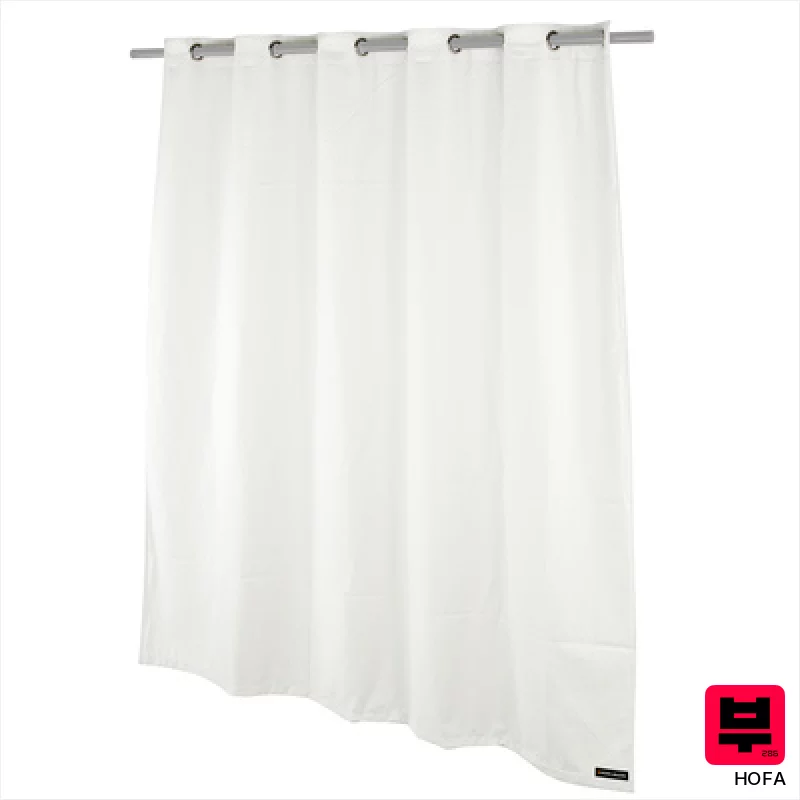
HOFA Acoustic Curtain Iso white
- • Heavy 1200 g/m² fabric provides substantial sound isolation
- • Acoustic foil layer enhances mid-range absorption
- • Eyelets every 20cm allow for flexible and secure mounting
- • B1 fire rating offers peace of mind for studio safety
- • The substantial weight makes installation potentially challenging alone
- • White color may not suit all studio aesthetics or needs
- • Limited to vertical applications; lacks horizontal acoustic properties

t.akustik Vocal Head Booth
- • 40mm PET offers surprisingly effective sound isolation for its size.
- • Adjustable mic mount provides flexibility for various microphone types.
- • Integrated tripod adapter allows for easy placement in different studio setups.
- • Magnetic text holder is a genuinely useful and thoughtful touch for lyrics/prompts.
- • PET construction, while flame retardant, won't match the absorption of dedicated acoustic panels.
- • The relatively compact size might feel restrictive for singers needing more breathing room.
- • Limited portability due to its weight; not ideal for frequent travel.

t.akustik Vocal Head Booth mobile
- • PET polyester dampening offers respectable, if not exceptional, acoustic isolation.
- • Plug-in system allows for quick setup and portability, a real time-saver.
- • Integrated accessories (shockmount holder, pop filter rod, headphone holder) enhance usability.
- • LED lighting provides practical illumination for vocal tracking sessions.
- • The 7.1kg weight makes it less truly 'mobile' than the name suggests; transport is a consideration.
- • PET polyester isn't a substitute for full acoustic treatment; reflections will still occur.
- • Limited internal space restricts microphone placement flexibility and comfort.
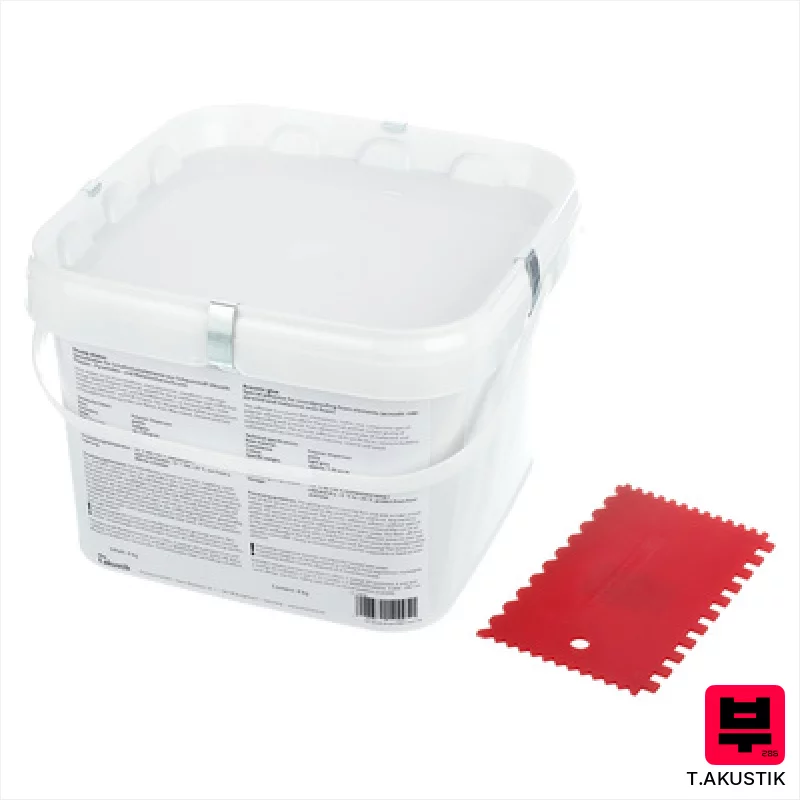
t.akustik Contact Glue Liquid 4 kg
- • Solvent-free formula minimizes fumes, crucial for studio environments.
- • High initial adhesion prevents foam shifting during installation.
- • Paste-like consistency reduces drips and wasted material compared to thinner glues.
- • D1 TE rating ensures extended open time and reduced slippage.
- • 4 kg quantity may be excessive for smaller acoustic treatment projects.
- • Fire rating is dependent on substrate properties; careful assessment needed.
- • Working temperature requirement of above 5°C limits use in colder climates.
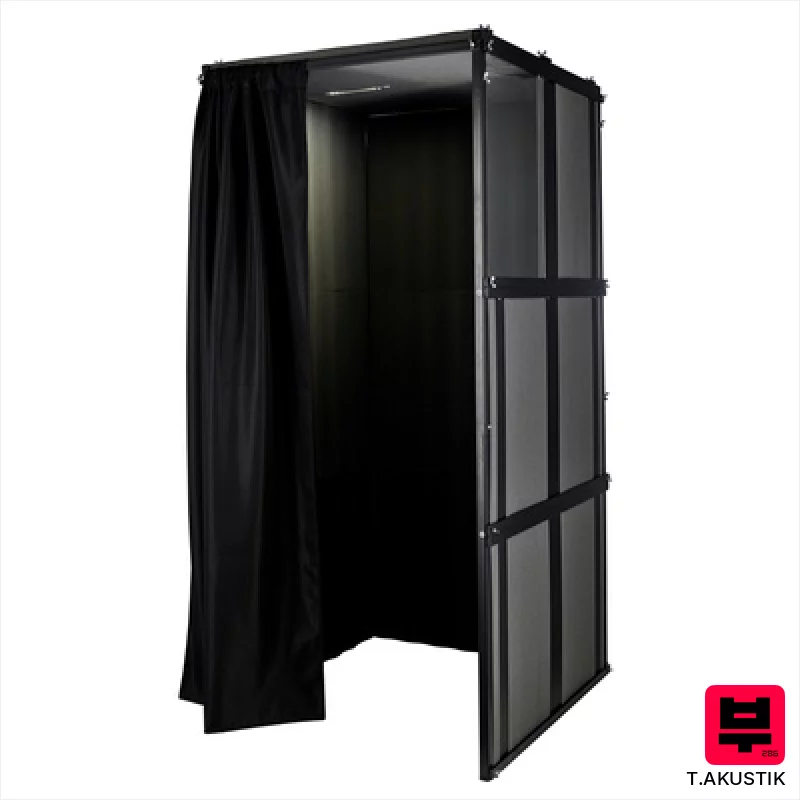
t.akustik Vocal Booth
- • Sturdy steel frame ensures stability and portability for location recording.
- • 25 kg/m³ polyurethane foam offers respectable sound absorption for vocal isolation.
- • Integrated LED lighting simplifies setup and eliminates external lighting needs.
- • Magnetic foam holders allow for quick adjustments to acoustic treatment.
- • Limited internal space might feel cramped for larger vocalists or complex setups.
- • The acoustic treatment, while decent, won't rival a dedicated, fully-treated vocal booth.
- • The expandable foam kit is sold separately, adding to the overall investment.
How to Choose the Best Other Acoustic Treatment
Absorption Coefficient
This is the key - how much sound is actually stopped versus reflected. Don't be fooled by fancy marketing; look for honest data, if possible, and remember that even a 'high' coefficient doesn't mean it's magically going to solve all your problems.
Frequency Response
Some panels are great at soaking up highs but leave the low-end a muddy mess. You need a balanced response to avoid exaggerating certain frequencies or creating new problems. A good bass trap is worth its weight in gold.
Portability/Ease of Installation
Let's be real - you might need to move things around for band practice or different recording setups. Easy mounting and lightweight panels are a huge plus, especially in smaller spaces.
Durability/Aesthetics
Cheap foam falls apart quickly, and who wants ugly treatment plastered everywhere? Consider the materials used and how they'll look in your space - especially if clients are coming over.
Coverage Area
A single panel might sound great, but you need enough to treat the critical reflection points. Factor in square footage and the room's overall dimensions when calculating how much you need.
Buying Guide
At this budget, you're making trade-offs. You're probably not getting the absolute best absorption coefficients, and you'll likely be relying on DIY mounting solutions. Focus on strategic placement - first reflection points are your priority. Don't skimp on bass traps if you have any low-end issues; they're the hardest thing to fix cheaply. More panels are always better than fewer high-end ones.
How This List Is Built
We don't play these instruments — we're a catalog, not a review desk, and we'd rather say so than pretend otherwise. This page ranks 15 other acoustic treatment from the Thomann catalogue, which is the largest single source of specification data in this category.
Position is computed, not curated. Four signals, in order of weight: how completely the manufacturer documents the instrument (number of published specifications), where it sits in the price range, how specific the model designation is — which filters out generic accessories — and whether a product image exists. The same inputs always produce the same order, so nothing here is shuffled to look fresh.
What this list is good for: narrowing a category down to a shortlist by spec and budget. What it isn't: a substitute for hearing an instrument. Before you buy, read hands-on reviews and, where you can, play it. Full methodology.

