
Best Other Acoustic Treatment Under $100 2026
Alright, so you're trying to tame that room - that echoey, muddy mess that's making your recordings sound like they were tracked in a tin can. You don't want to drop a grand on acoustic panels, and frankly, you shouldn't have to. This list is about getting the most sonic bang for your buck in acoustic treatment under $100 - we're talking about solutions that'll tighten up the low-end and clean up that harsh high-frequency bounce without breaking the bank.
Last updated: April 11, 2026
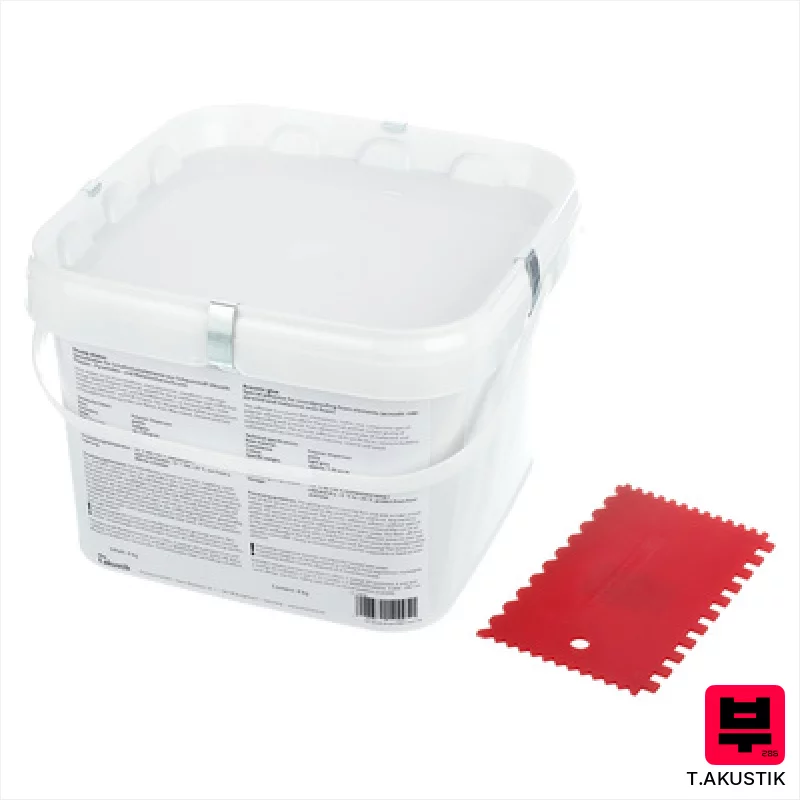
t.akustik Contact Glue Liquid 4 kg
- • Solvent-free formula minimizes fumes, crucial for studio environments.
- • High initial adhesion prevents foam shifting during installation.
- • Paste-like consistency reduces drips and wasted material compared to thinner glues.
- • D1 TE rating ensures extended open time and reduced slippage.
- • 4 kg quantity may be excessive for smaller acoustic treatment projects.
- • Fire rating is dependent on substrate properties; careful assessment needed.
- • Working temperature requirement of above 5°C limits use in colder climates.
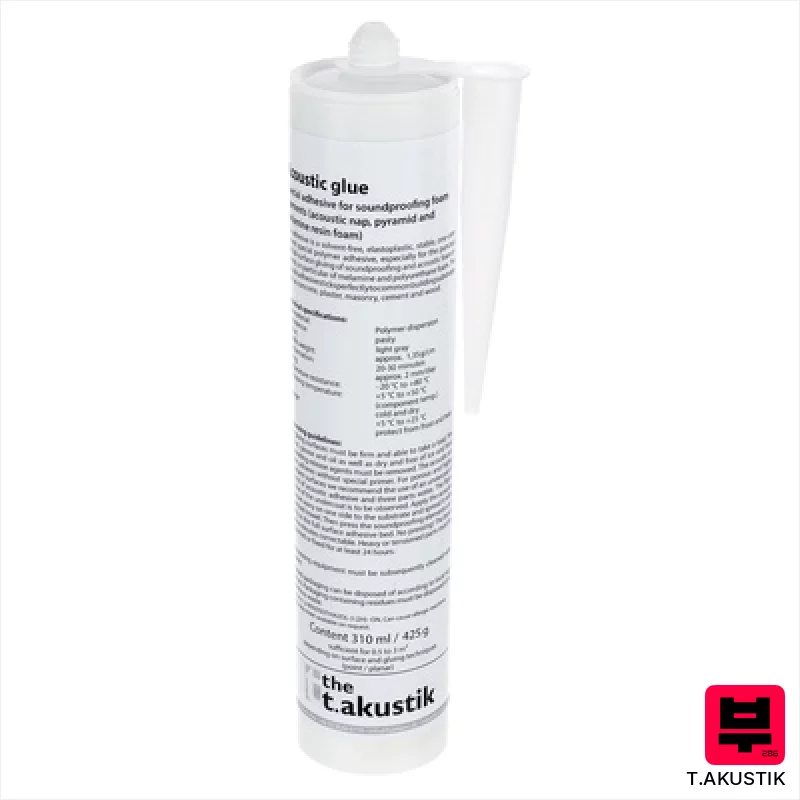
t.akustik Contact Glue Liquid
- • Strong initial adhesion minimizes foam shifting during installation
- • Solvent-free formula is safer for studio environments and users
- • Paste-like consistency prevents dripping and ensures even coverage
- • Suitable for Basotect, a notoriously difficult foam to adhere
- • Limited volume (310ml) necessitates multiple cartridges for larger projects
- • Fire rating dependent on substrate; not universally fire-safe
- • Cartridge dispenser sold separately, adding to overall cost and complexity
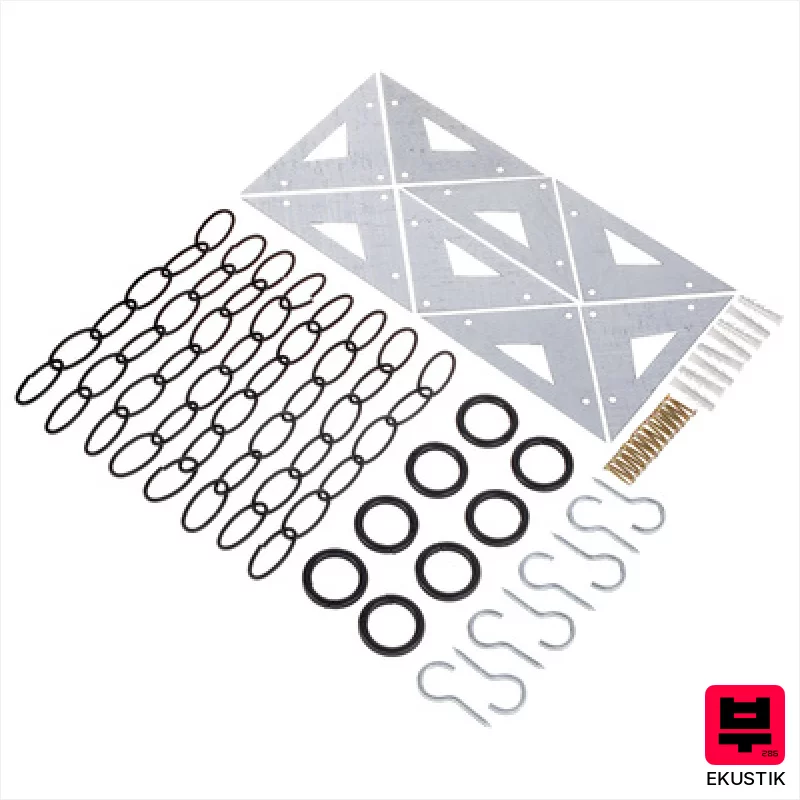
Ekustik Ceiling Suspension Kit DUO
- • Includes all necessary hardware for quick and straightforward ceiling mounting.
- • Metal fasteners and rings offer a robust and reliable suspension system.
- • Chains allow for adjustable absorber placement, optimizing acoustic performance.
- • Black finish blends discreetly into most studio environments, visually clean.
- • Limited to Ekustik Woody Queen/Kid absorbers; incompatible with other brands.
- • Chain length provides only a modest 20cm of vertical adjustment.
- • Dowels are likely standard issue and might not suit all ceiling types.
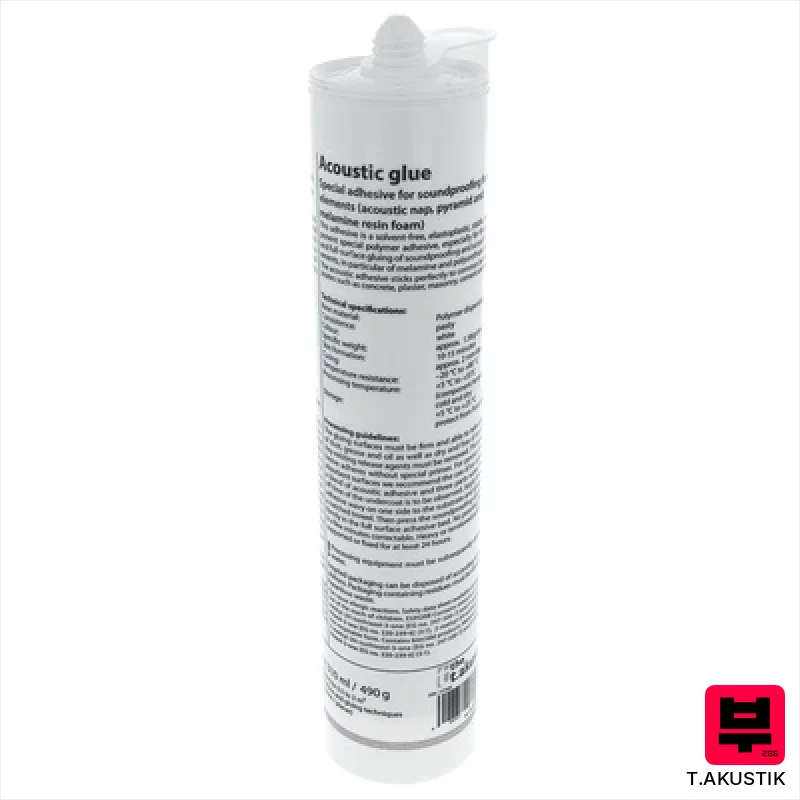
t.akustik Contact Glue
- • Excellent adhesion to melamine and polyurethane foam, common in acoustic panels
- • Solvent-free formula minimizes fumes, crucial for studio environments
- • Fast curing time speeds up acoustic treatment installation significantly
- • Versatile application to concrete, plaster, and wood substrates expands usability
- • Limited coverage area necessitates multiple cartridges for larger projects
- • Pasty consistency can be messy if not applied carefully and efficiently
- • Temperature sensitivity restricts use in extremely cold or hot environments
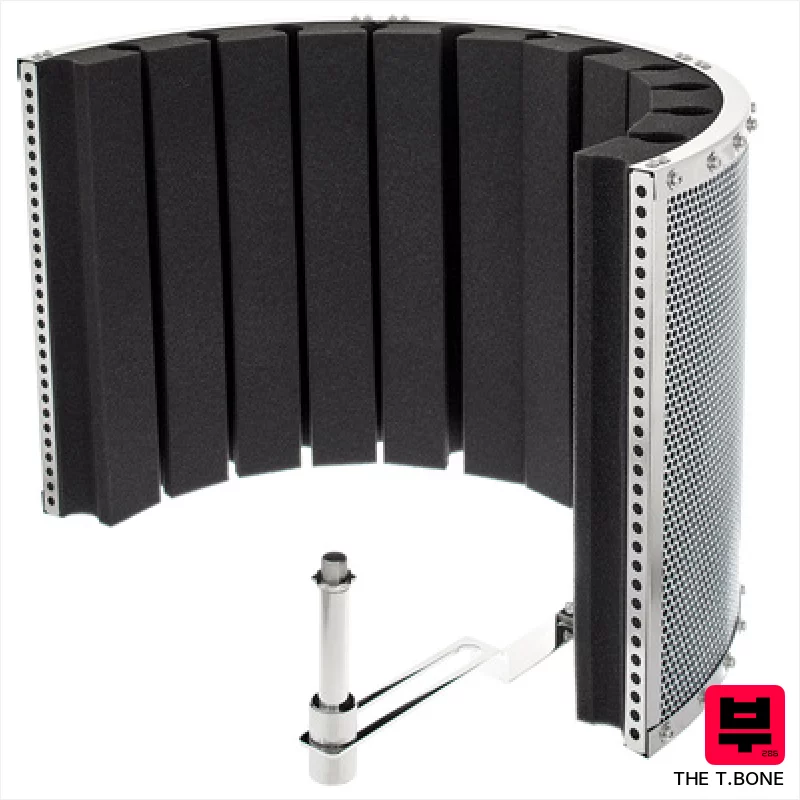
the t.bone Micscreen LE
- • Effective acoustic dampening for vocal and instrument recording
- • Lightweight and portable design facilitates easy setup and transport
- • Versatile application for both studio and live performance scenarios
- • Robust construction with a surprisingly solid feel for the price point
- • The fabric covering, while functional, lacks a premium aesthetic
- • Limited diffusion capabilities compared to dedicated diffusers
- • 460mm diameter can be restrictive in very small recording spaces

Vicoustic VicFix Suspension Profile 1190
- • Aluminum construction provides excellent rigidity and longevity.
- • Large screw holes simplify installation with varied hardware.
- • Removable end caps allow for easy length adjustments or customization.
- • VicFix system offers a clean, professional aesthetic for acoustic treatment.
- • Limited compatibility restricts use with specific Vicoustic diffuser models.
- • Aluminum can be susceptible to scratching or minor dents.
- • Profile depth might require adjustments to ceiling height for optimal clearance.
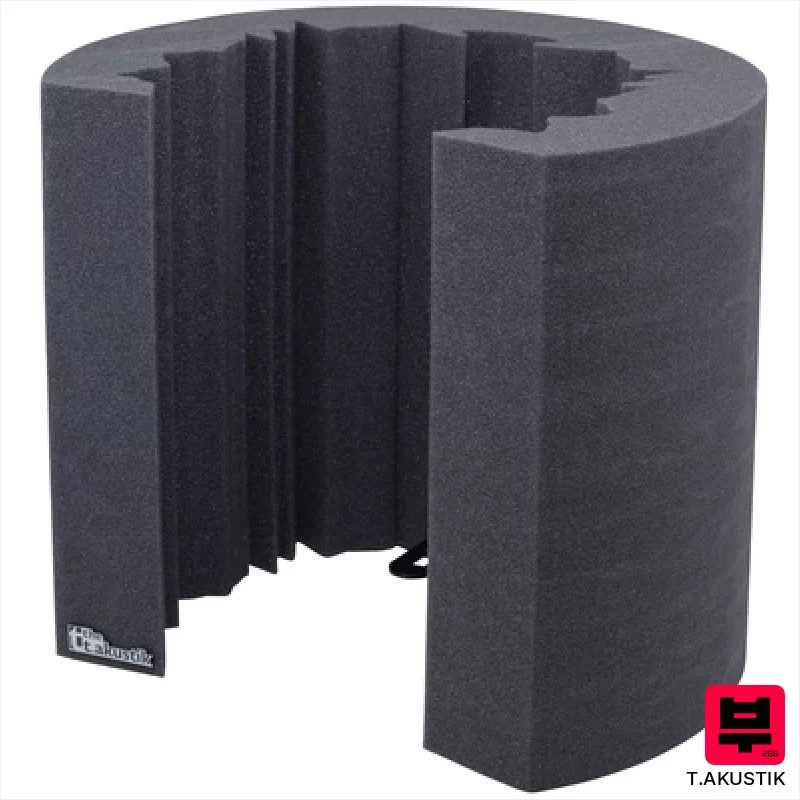
t.akustik Micscreen flex
- • Lightweight polyester foam effectively tames room reflections.
- • Metal bracket offers secure, adaptable microphone mounting.
- • Flame retardant material provides peace of mind in studio settings.
- • Compact size makes it suitable for smaller recording spaces and portable setups.
- • Polyester foam offers less absorption than denser acoustic panels.
- • Anthracite color may not aesthetically suit all studio environments.
- • Limited surface area restricts its effectiveness in larger, more problematic rooms.
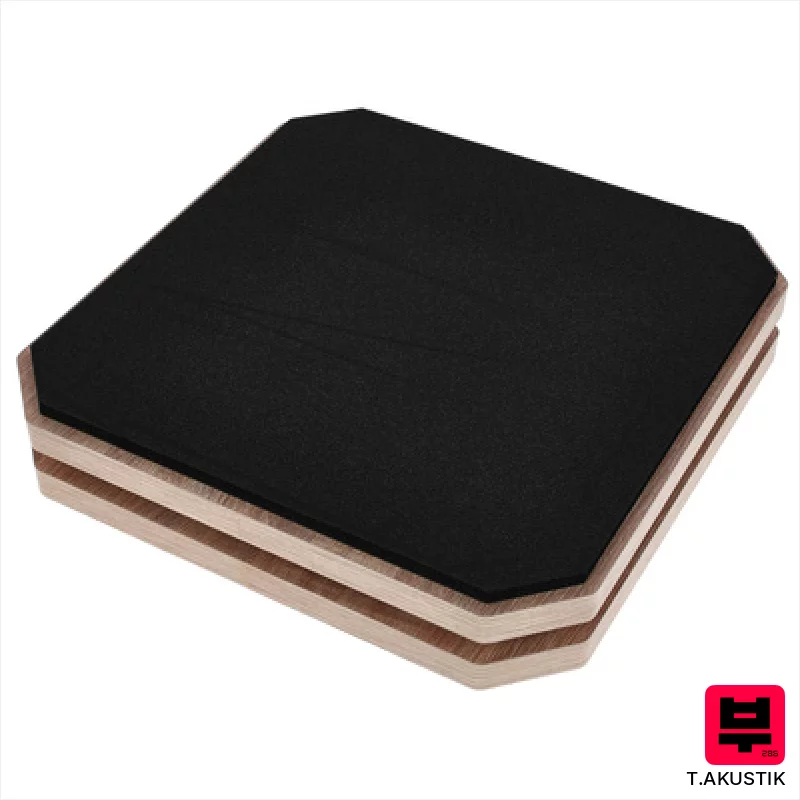
t.akustik Woofer Stand A100W Oak
- • Solid 25mm chipboard offers surprising rigidity for the price.
- • Triple decoupling effectively isolates subwoofer vibrations.
- • Oak veneer provides a clean, relatively premium aesthetic.
- • Generous 40kg load capacity accommodates most common subwoofers.
- • Chipboard construction, while sturdy, isn't as inert as MDF or metal.
- • 100mm height may be limiting for some bass management setups.
- • Oak veneer is susceptible to scratches and moisture damage.
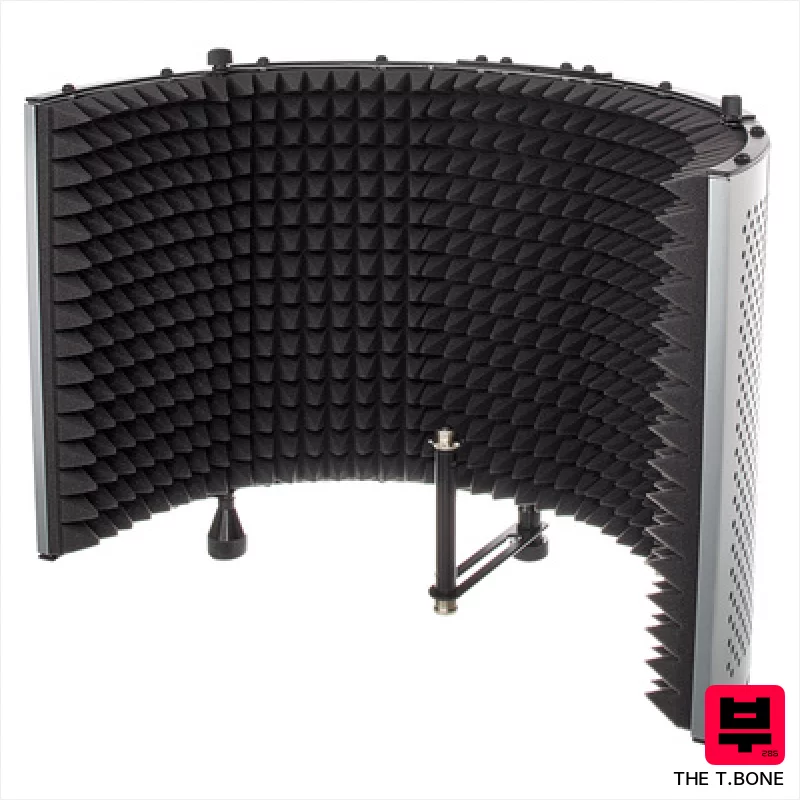
the t.bone Micscreen XL
- • Effective reflection blocking, noticeably reduces room coloration
- • Adjustable segments offer versatile mic placement options
- • Lightweight and portable for both studio and live use
- • Solid construction for a budget-friendly acoustic solution
- • Foam absorption might not be sufficient for highly reflective rooms
- • Limited bass trapping capabilities due to panel design
- • Plastic hinges could be a point of weakness with heavy mics
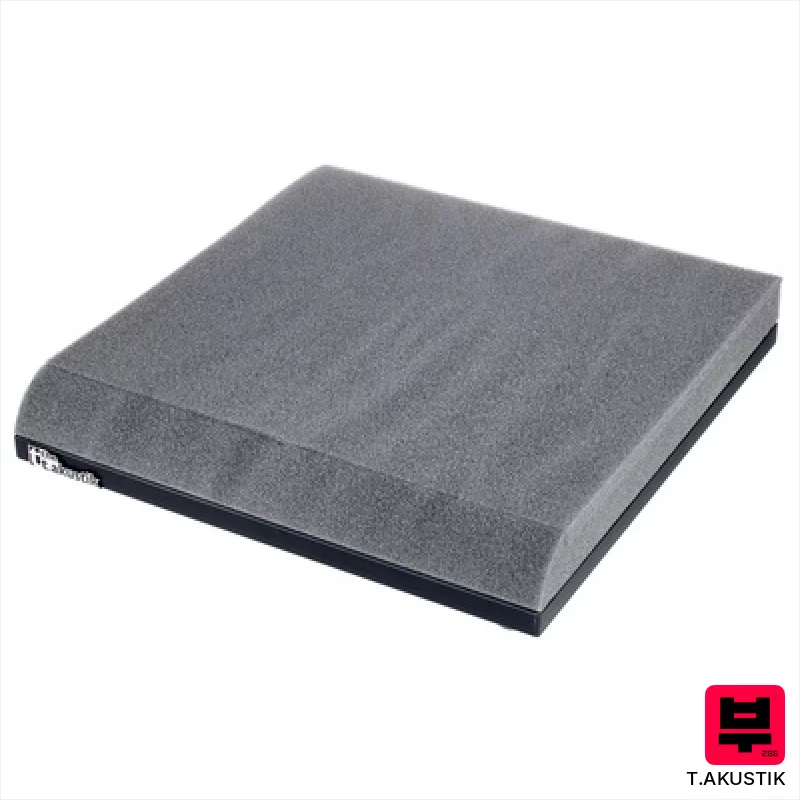
t.akustik ISO-Plate 335
- • Foam/MDF combo effectively isolates controllers from desk vibrations
- • Rubber feet provide excellent grip and further decouple the unit
- • The usable area comfortably fits most popular MIDI controllers
- • Solid MDF construction ensures stability and prevents flexing.
- • Foam material may compress over time, reducing effectiveness
- • Limited to square/rectangular controllers; odd shapes won't fit well
- • The MDF surface could benefit from a more durable finish.
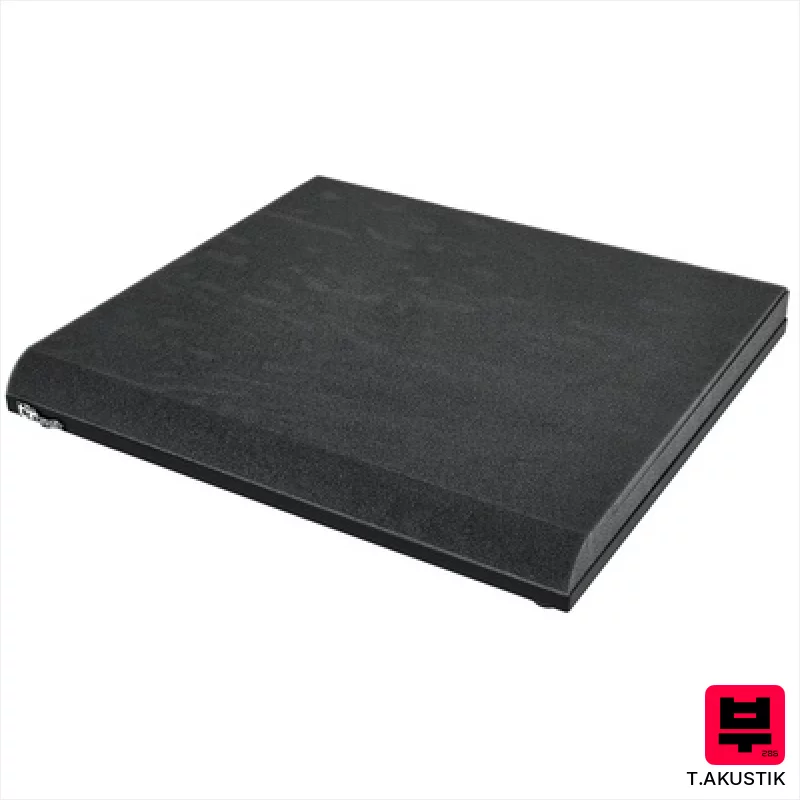
t.akustik ISO-Plate 520
- • Effective decoupling minimizes controller noise and vibrations
- • MDF board provides a stable, resonance-dampening platform
- • Rubber feet offer excellent grip and floor protection
- • Compatible with popular production controllers like Maschine and Push
- • Limited size restricts compatibility with larger devices
- • Foam material can be susceptible to dust and compression
- • MDF construction adds noticeable weight for its size
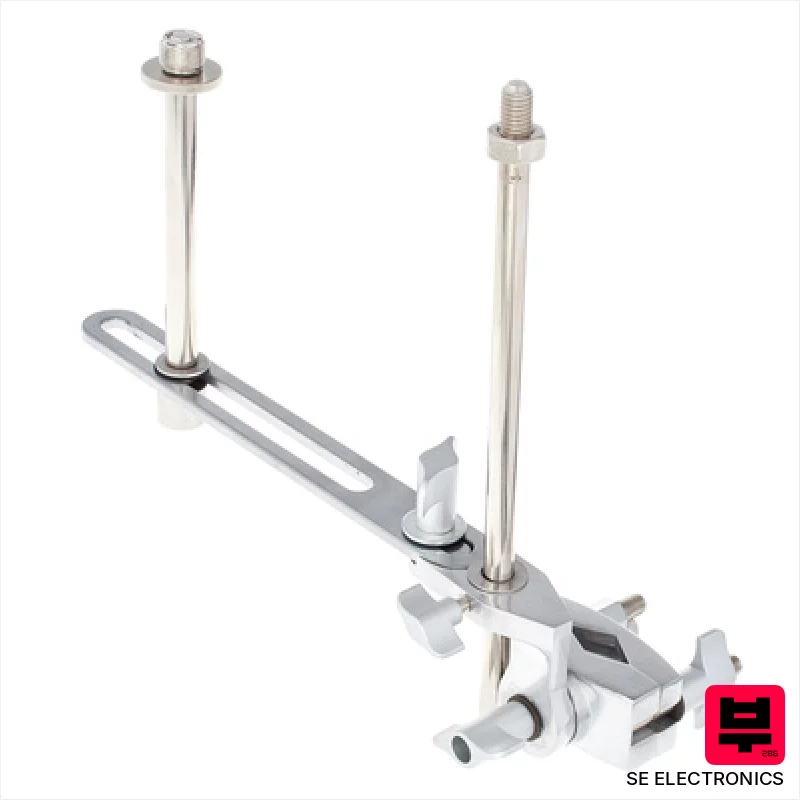
SE Electronics Pro Mounting Bracket Upg. Kit
- • Solid metal construction provides exceptional stability for the Reflection Filter Pro
- • Included wrench simplifies assembly and adjustment during setup
- • Mic thread adapter expands compatibility with various mic stands and booms
- • Upgraded bracket minimizes unwanted vibrations and resonance for cleaner recordings
- • Limited to use with SE Electronics Reflection Filter Pro; not a universal bracket
- • Metal construction adds noticeable weight compared to plastic alternatives
- • Bracket’s design might not suit extremely compact or unconventional mic setups
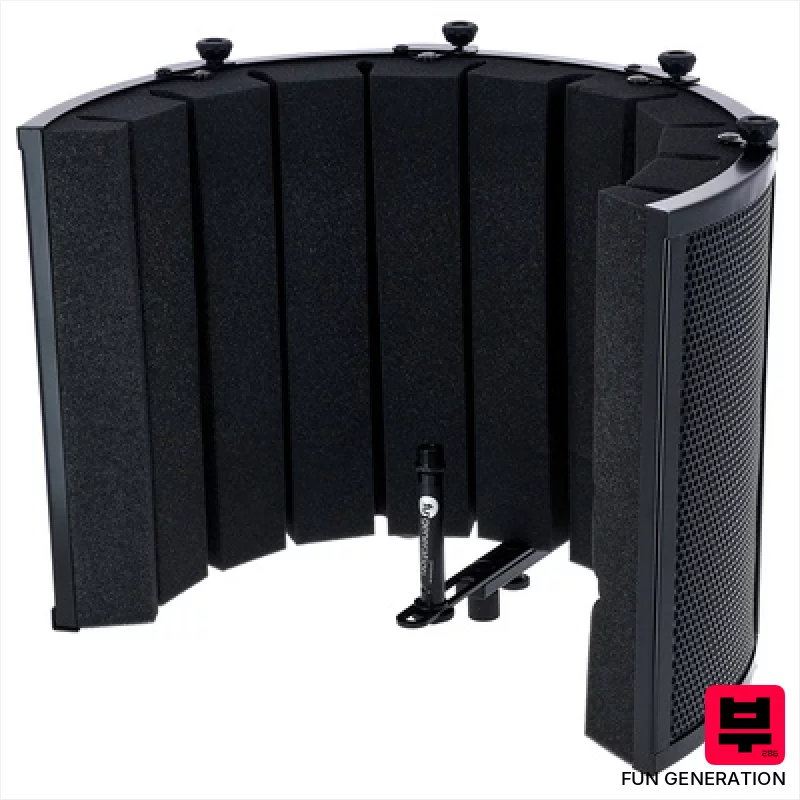
Fun Generation Micscreen Black
- • Effective at taming initial room reflections, especially for vocals
- • Lightweight and portable design enables easy transport and setup
- • The angled panels provide a degree of diffusion alongside absorption
- • Universal thread compatibility ensures broad microphone stand compatibility
- • Fabric covering feels somewhat thin and potentially prone to wear
- • Limited absorption capacity; not a replacement for full room treatment
- • Black color might visually dominate a brightly lit recording space

HOFA Frame 1 Module
- • Solid beech construction provides inherent acoustic damping
- • Exchangeable module design offers flexible room treatment
- • Waxed finish enhances wood's natural beauty and durability
- • Included wall mounting hardware simplifies installation
- • Ceiling mounting requires separate hardware and expertise
- • Limited to HOFA’s acoustic module ecosystem
- • Relatively heavy for a single panel – handling can be tricky
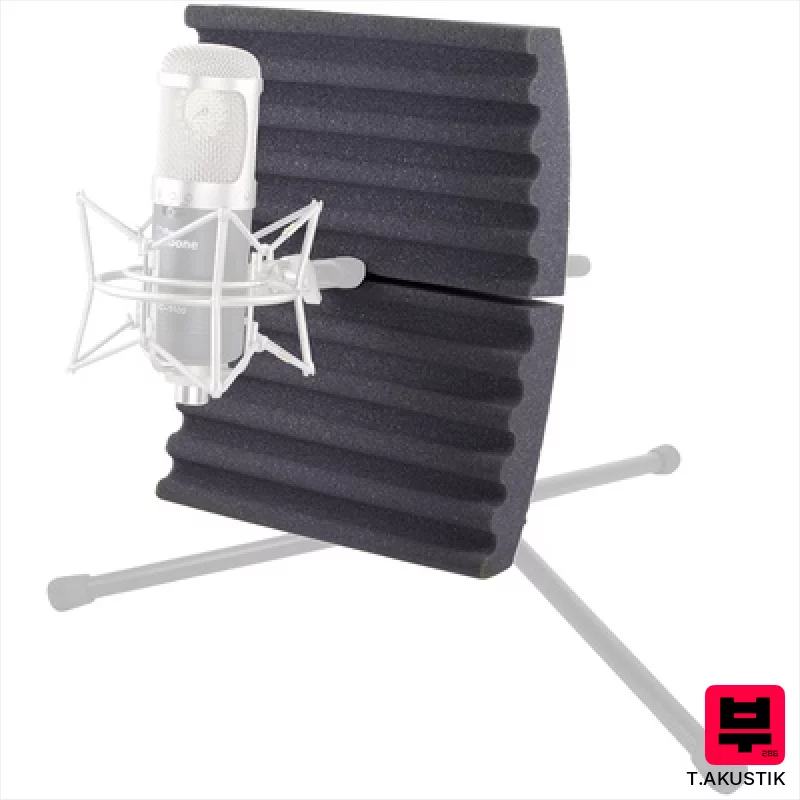
t.akustik Micscreen flex Mini
- • PU foam effectively dampens reflections, improving vocal clarity
- • Lightweight design minimizes stand stress, easy portability
- • Flexible mounting adapts to various mic stand sizes
- • Compact size makes it ideal for small rooms and travel
- • PU foam offers limited low-frequency absorption
- • Thin profile means it won't create a fully isolated recording booth
- • Material may compress over time with regular use
How to Choose the Best Other Acoustic Treatment
Low-Frequency Absorption
This is the big one. A room with a boomy low-end will ruin any recording or rehearsal. We're looking for anything that can soak up some of that low-end thump, even if it's just a little.
Midrange Clarity
A room with poor treatment can make vocals sound swallowed and guitars lose their articulation. We're checking for treatments that help the midrange frequencies cut through without adding unwanted coloration.
High-Frequency Diffusion
Harsh, ice-picky highs are brutal. We want something to soften those reflections and create a more pleasant listening environment - not everything needs to be absorption, a little diffusion goes a long way.
Ease of Installation
Let's be honest, you're on a budget and probably not a construction expert. Simple, straightforward installation is a huge plus - nobody wants to spend hours wrestling with complicated mounting systems.
Durability & Longevity
Cheap materials fall apart fast. We're evaluating how well these treatments hold up to regular use and whether they'll last longer than a few gigs.
Buying Guide
At this price point, you're making compromises. You won't get studio-grade performance, but you can get a noticeable improvement. Bass traps are the holy grail, but realistically, you'll likely be looking at bass reflectors or corner traps. Watch out for flimsy materials; some of these "panels" are glorified foam that crumble under pressure. Prioritize low-midrange absorption over high-frequency diffusion if you're on a tight budget - a cleaner low-end is more impactful than sparkly highs.
How This List Is Built
We don't play these instruments — we're a catalog, not a review desk, and we'd rather say so than pretend otherwise. This page ranks 15 other acoustic treatment from the Thomann catalogue, which is the largest single source of specification data in this category.
Position is computed, not curated. Four signals, in order of weight: how completely the manufacturer documents the instrument (number of published specifications), where it sits in the price range, how specific the model designation is — which filters out generic accessories — and whether a product image exists. The same inputs always produce the same order, so nothing here is shuffled to look fresh.
What this list is good for: narrowing a category down to a shortlist by spec and budget. What it isn't: a substitute for hearing an instrument. Before you buy, read hands-on reviews and, where you can, play it. Full methodology.

