
Best Oscillator Modules Under $300 2026
Alright, so you're diving into modular synths but don't want to drop a grand on a single oscillator? Smart move. Getting that core sound - the foundation of your patch - doesn't need to bankrupt you. We've been there, building systems from the ground up, and finding surprisingly good oscillators under $300 is totally doable. Let's break down what's worth your money.
Last updated: September 25, 2026
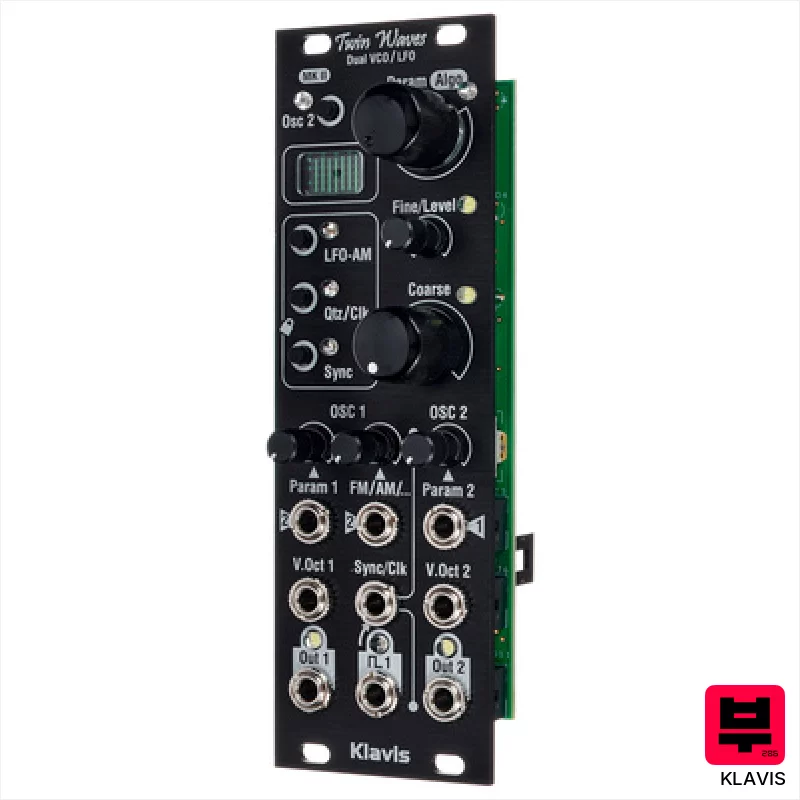
Klavis Twin Waves MKII Black
- • Exceptional waveform variety offers unique sonic textures.
- • The Phantom Oscillator unlocks complex, evolving sounds.
- • Intuitive display simplifies complex modulation setups.
- • Robust build quality; feels solid and well-engineered.
- • Limited CV routing options compared to larger modular systems.
- • Digital nature may not appeal to purists seeking analog warmth.
- • Learning curve exists for mastering the advanced synthesis algorithms.
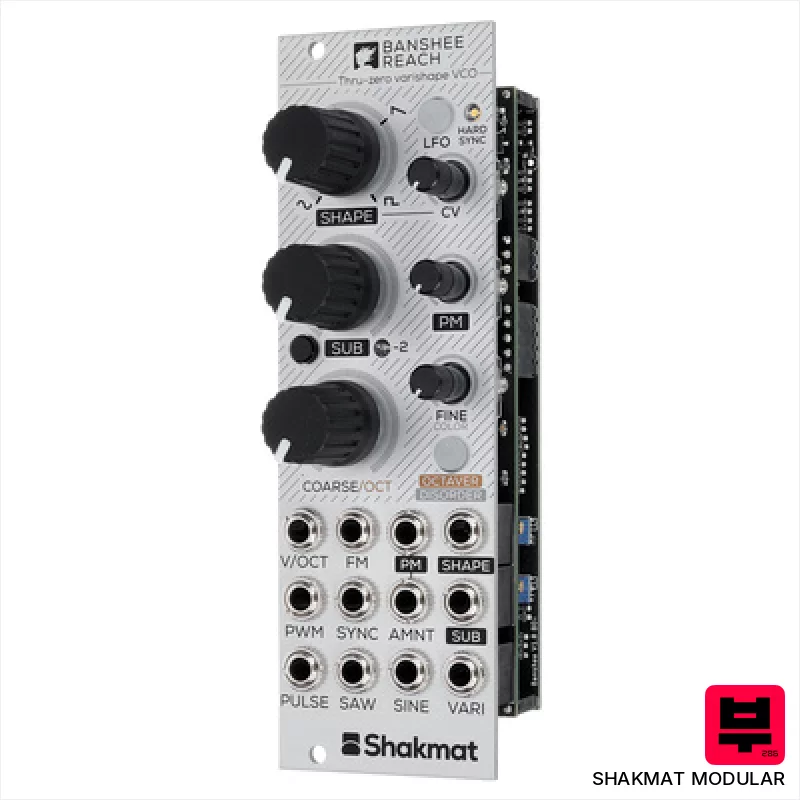
Shakmat Modular Banshee Reach
- • Exceptional through-zero FM/PM capabilities for complex, evolving tones.
- • Shape control offers genuinely musical crossfading between waveforms.
- • Disorder mode delivers unpredictable, atonal textures easily.
- • Sub-oscillator adds significant low-end richness and sonic flexibility.
- • 92mA draw can be significant in power-constrained racks.
- • Limited waveform shaping beyond the core shape control.
- • The plastic knobs, while functional, feel a bit budget-oriented.
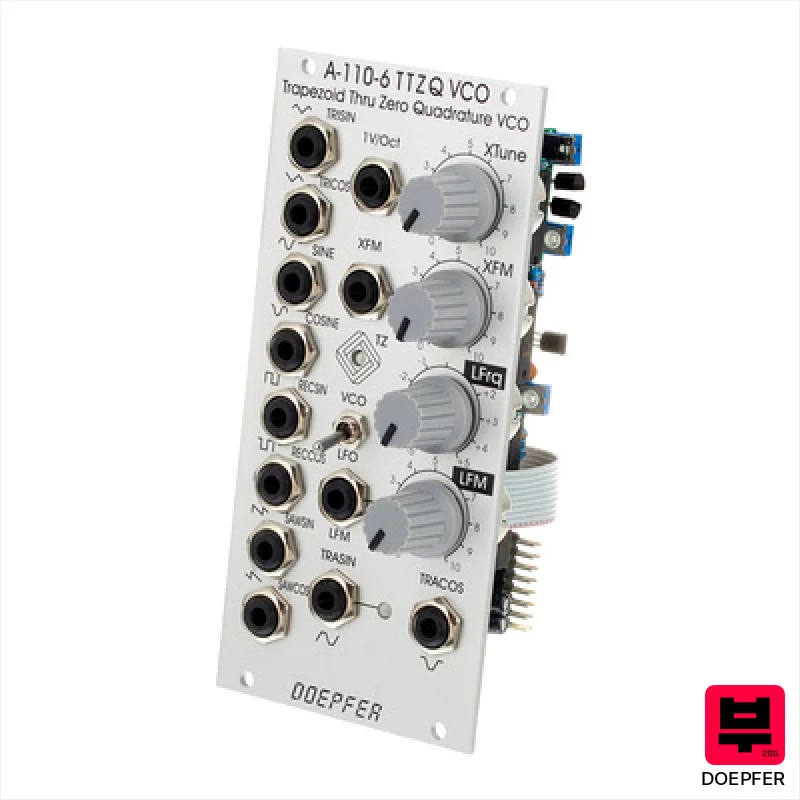
Doepfer A-110-6
- • Excellent quadrature outputs enable complex phasing and modulation.
- • Linear Thru-Zero FM offers precise, controlled frequency modulation.
- • Trapezoid waveform provides rich harmonic content and modulation capabilities.
- • Doepfer’s renowned build quality ensures reliable, long-term performance.
- • Can be power-hungry, requiring a robust power supply.
- • Limited waveform selection compared to more modern oscillators.
- • 12HP width can be restrictive in smaller Eurorack cases.
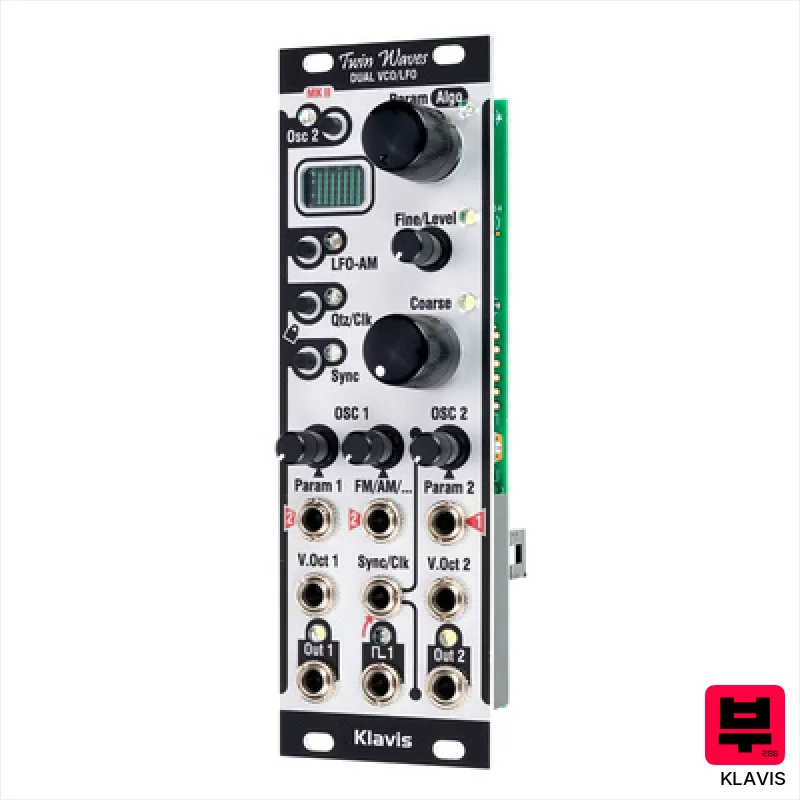
Klavis Twin Waves MKII
- • Exceptional algorithm variety for complex sound design.
- • Intuitive display simplifies navigation and parameter recall.
- • Flexible VCO/LFO dual functionality expands sonic possibilities.
- • Subtle wave shaping offers unique timbral textures.
- • Limited modulation destinations compared to larger modular systems.
- • Digital nature may not appeal to purists seeking analog warmth.
- • Can be overwhelming for beginners due to feature density.
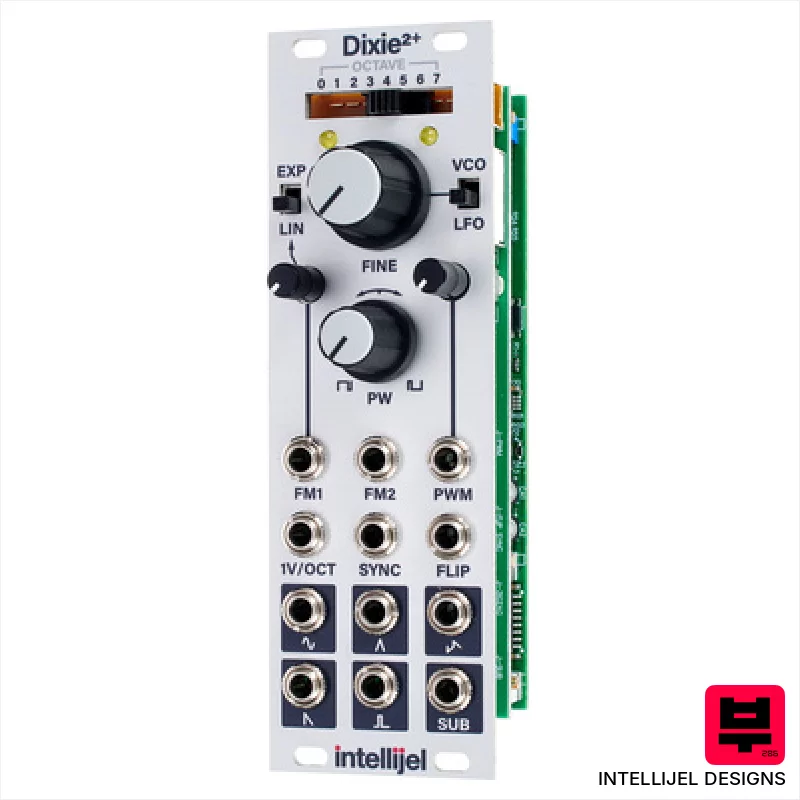
Intellijel Designs Dixie II+
- • Triangular core provides exceptionally clean, stable fundamental tones.
- • 8-way octave switch is genuinely useful for quick harmonic shifts.
- • FM inputs offer creative modulation possibilities beyond basic frequency control.
- • Compact size (8HP) makes it ideal for dense modular setups.
- • Limited waveform selection compared to some higher-end oscillators.
- • Sub-oscillator is relatively weak; not a true sub-bass powerhouse.
- • Pulse width modulation attenuator could benefit from finer control.
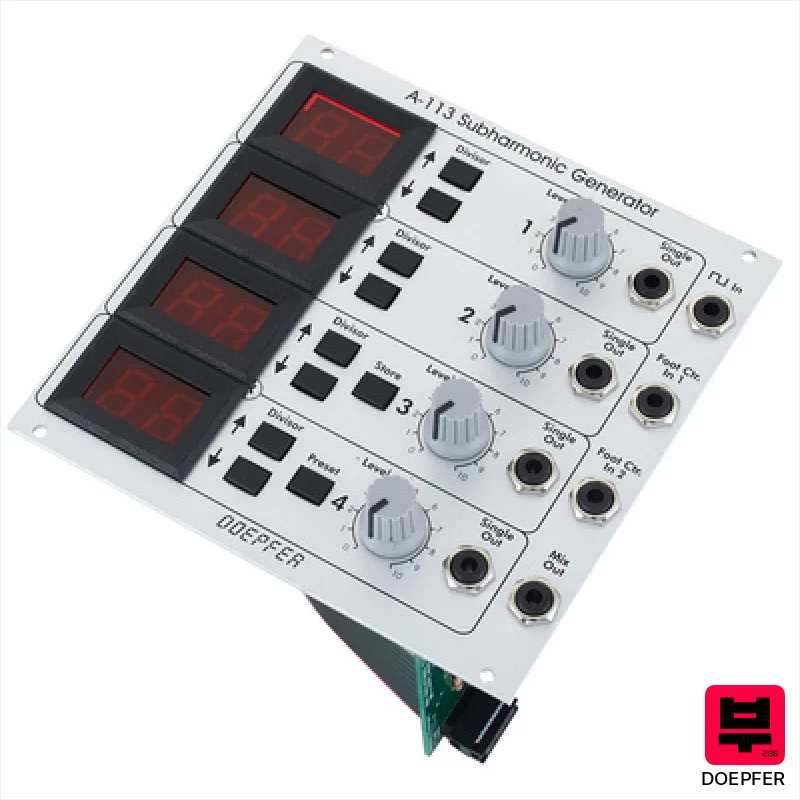
Doepfer A-113
- • Creates rich, complex bass tones with unique harmonic content
- • Excellent for sub-bass textures and experimental sound design
- • Doepfer’s renowned build quality ensures long-term reliability
- • Flexible subharmonic ratio adjustment unlocks a wide range of sounds
- • Can consume significant power in a larger modular system
- • Limited to square wave input, restricting versatility somewhat
- • The subharmonic multiplication can introduce aliasing at higher frequencies
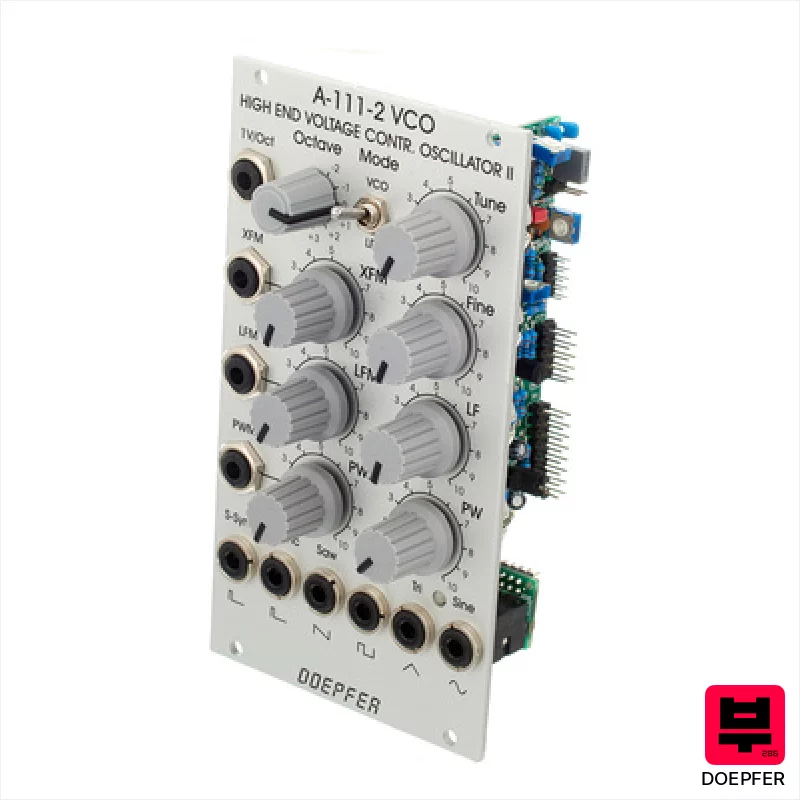
Doepfer A-111-2
- • Excellent tracking across a truly massive 10-octave range
- • Versatile LFO provides sub-bass rumble to shimmering modulation
- • Solid build quality; Doepfer's renowned for reliable modules
- • Soft/hard sync adds complexity and character to waveforms
- • Limited wave shaping beyond the provided waveforms
- • Can be power hungry when combined with other modules
- • The attenuators, while functional, lack fine-tuning control

Doepfer A-111-2 Vintage Edition
- • Vintage-style black panel evokes classic Doepfer aesthetic and feel.
- • Exceptional tracking across 10 octaves ensures accurate tuning throughout range.
- • Wide frequency range enables both subtle LFO modulation and aggressive VCO tones.
- • Robust construction and quality components suggest long-term reliability.
- • Limited modulation options compared to more modern, feature-rich oscillators.
- • 14HP width requires significant space in a densely populated modular system.
- • Vintage-style controls may feel less refined than those found on newer modules.

EarthQuaker Devices The Wave Transformer
- • Exceptional wavefolding capabilities create uniquely complex, evolving tones.
- • Micro-tuning control unlocks subtle, expressive pitch variations.
- • Flexible FM and sync options expand sonic palette beyond basic waveforms.
- • Robust build quality; EarthQuaker's typical attention to detail shines.
- • Limited waveform selection compared to some higher-end oscillator modules.
- • Power draw could be restrictive in smaller, power-constrained racks.
- • Shape input’s functionality feels slightly tacked on, not fully integrated.
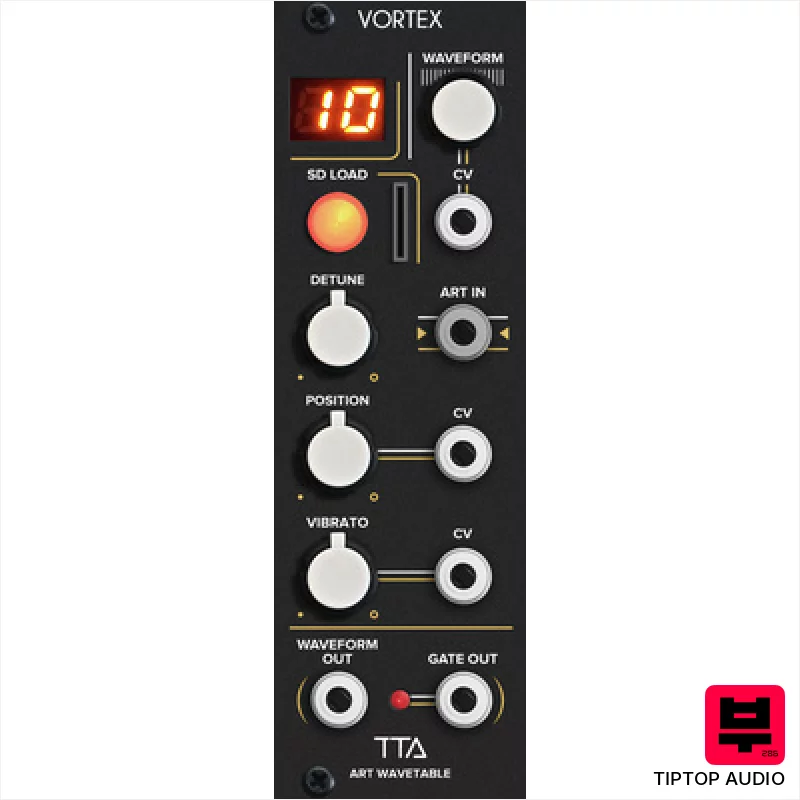
Tiptop Audio Vortex
- • Unique wavetable engine delivers surprisingly rich, evolving tones.
- • Vintage DACs impart a warm, characterful, slightly gritty sound.
- • Compact 8HP footprint maximizes space in tight Eurorack setups.
- • Excellent value for a wavetable oscillator of this sonic quality.
- • Limited waveform selection compared to more complex wavetable modules.
- • Power draw is a bit higher than some other oscillator modules.
- • Can be a learning curve for those unfamiliar with wavetable synthesis.
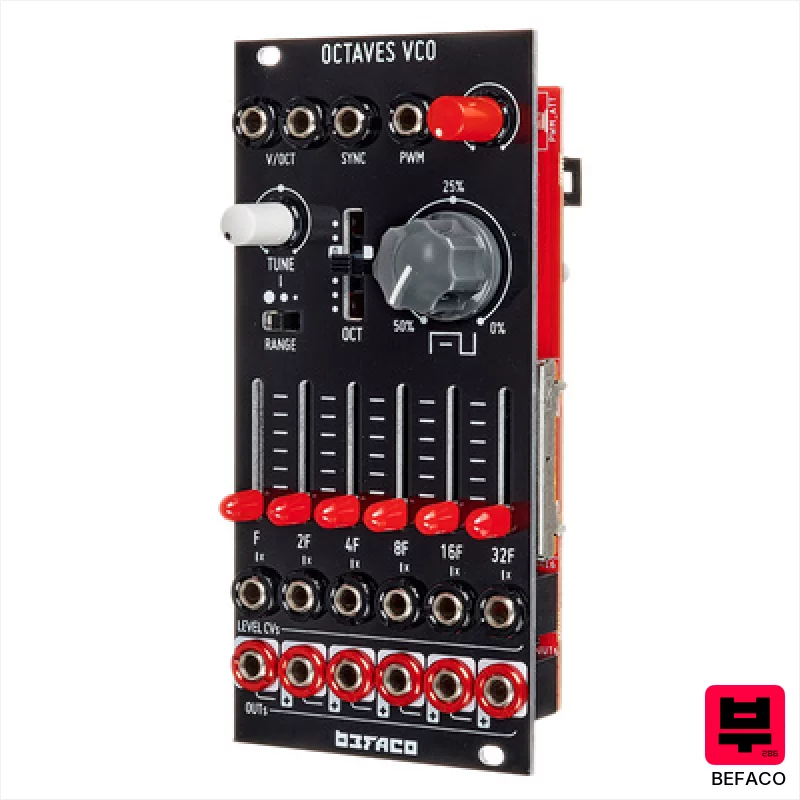
Befaco Octaves VCO
- • Six independent square wave channels offer incredible sonic layering possibilities.
- • Hard-sync input delivers complex, harmonically rich tones easily accessible.
- • Cascaded outputs allow for nuanced submix creation and intricate routing.
- • Robust metal chassis and quality potentiometers feel immediately durable.
- • Square wave only limits harmonic variety compared to more complex oscillators.
- • Power consumption is relatively high, demanding a robust power supply.
- • The layout, while functional, can feel slightly cramped for extensive patching.
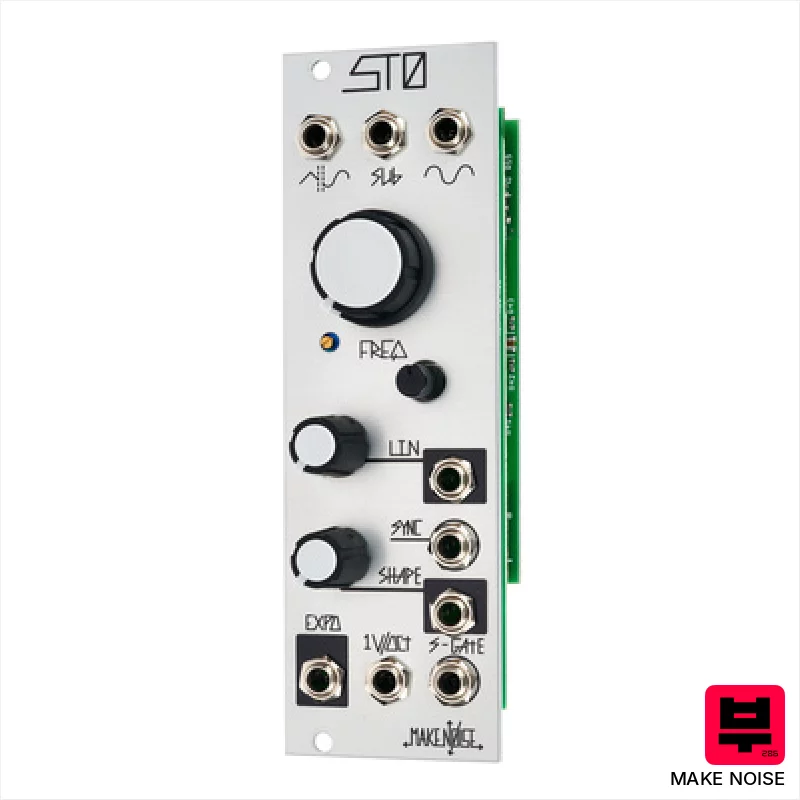
Make Noise STO
- • Warm, rich sine wave foundation for evolving soundscapes
- • Sub oscillator delivers genuinely powerful and deep low-end
- • Linear FM input offers surprising complexity and tonal variation
- • Compact 8HP footprint makes it ideal for space-constrained racks
- • Variable waveform shaping can be a bit fiddly to dial in precisely
- • Limited waveform selection compared to more complex oscillators
- • SYNC input can be a bit sensitive to triggering signals

Befaco Pony VCO
- • Excellent thru-zero wavefolding creates complex, evolving timbres.
- • Compact 4HP footprint maximizes modular space efficiency.
- • Flexible frequency control range caters to diverse modulation needs.
- • Well-implemented VCA integration simplifies basic sound design.
- • Waveform selection feels slightly cramped and could benefit from better spacing.
- • Limited waveform choices compared to more expansive VCO modules.
- • Current draw, while manageable, could be lower for power-sensitive systems.
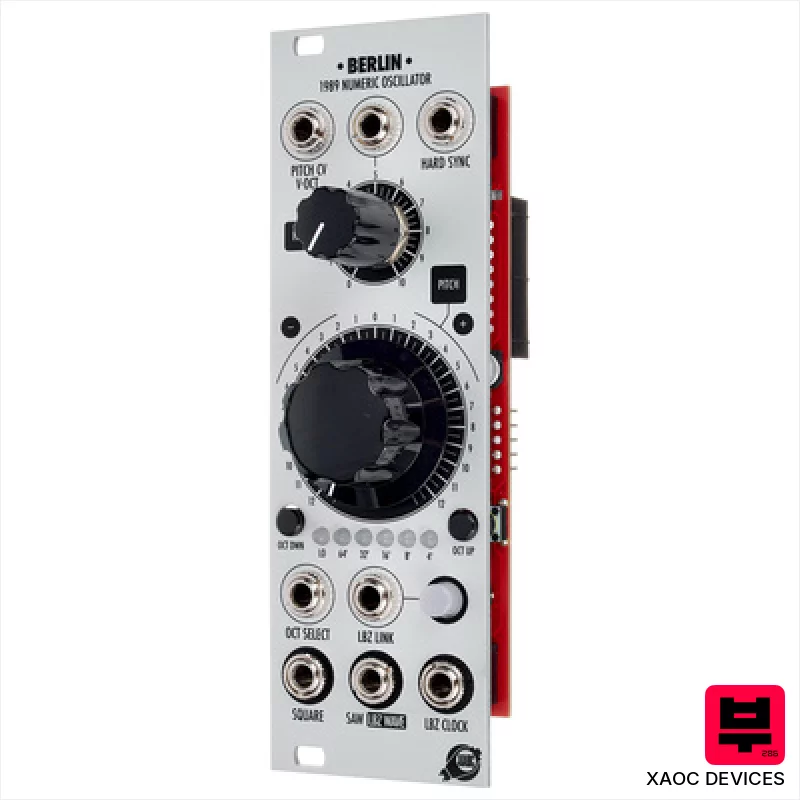
XAOC Devices Berlin
- • Exceptional tracking stability across an astonishing 20 octaves.
- • Leibniz subsystem unlocks complex, evolving timbres.
- • Square and sawtooth waves are clean, punchy, and versatile.
- • Compact 8HP footprint maximizes modular space efficiency.
- • Limited waveform selection beyond square and sawtooth.
- • Requires XAOC Jena for true wavetable functionality – adds cost.
- • Pitch CV input range might be restrictive for some modulation sources.
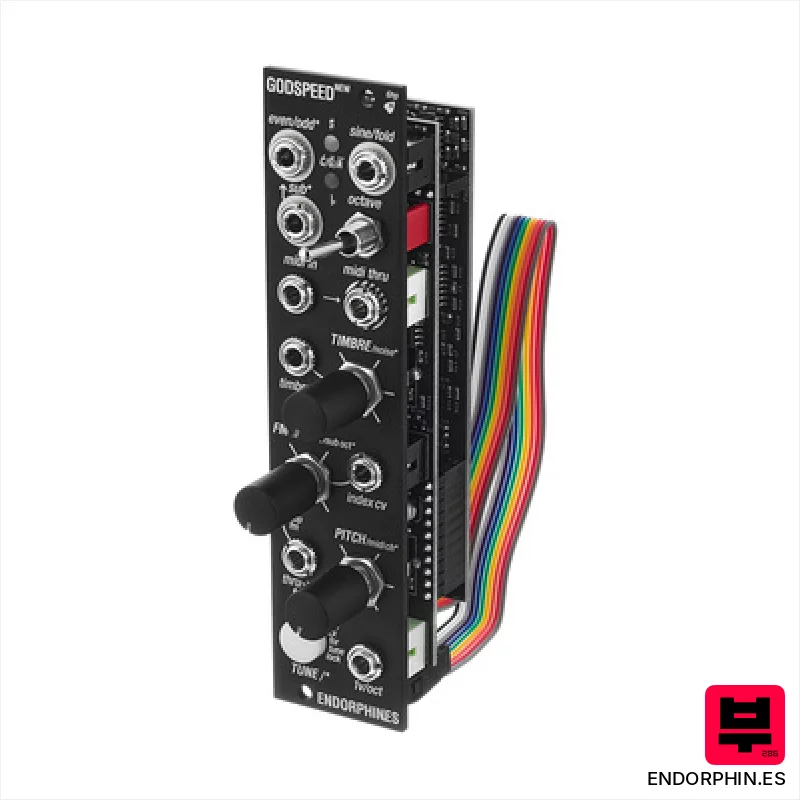
Endorphin.es New Godspeed
- • Compact 6HP footprint maximizes precious modular space.
- • Thru-Zero FM delivers complex, evolving timbres easily.
- • Internal modulator provides rich FM sounds without external modulation.
- • Auto-tuning simplifies complex oscillator setups and tuning stability.
- • Limited wave selection restricts sonic palette compared to larger VCOs.
- • 6HP size restricts control knob availability and adjustability.
- • Requires careful power planning due to its moderate current draw.
Every oscillator modules that matches
41 models match this page. The 15 above are covered in detail; the rest are listed here with their published specifications.
| # | Model | Specifications | Price |
|---|---|---|---|
| 16 | Tiptop Audio ATX1 VCO | not published | $238 |
| 17 | ADDAC 701 Rev2 VCO | not published | $226 |
| 18 | Befaco Even VCO | not published | $226 |
| 19 | Joranalogue Audio Design Cycle 5 | not published | $226 |
| 20 | Tiptop Audio Model 258t | not published | $225 |
| 21 | Rides In The Storm BOC MK2 | not published | $222 |
| 22 | Doepfer A-110-1 Vintage Edition | not published | $202 |
| 23 | Intellijel Designs VCO 1U | not published | $188 |
| 24 | NANO Modules ONA | not published | $188 |
| 25 | Doepfer A-111-3 | not published | $181 |
| 26 | Doepfer A-110-1 | not published | $176 |
| 27 | Doepfer A-110-4 Thru Zero Quad VCO | not published | $158 |
| 28 | Doepfer A-110-4 Thru Zero Quad VCO SE | not published | $158 |
| 29 | Doepfer A-188-9 | not published | $158 |
| 30 | ADDAC 105 4 Voice Cluster | not published | $153 |
| 31 | Doepfer A-110-2 Vintage Edition | not published | $153 |
| 32 | Doepfer A-110-2 | not published | $142 |
| 33 | Erica Synths Pico VCO | not published | $134 |
| 34 | Erica Synths Pico VCO2 | not published | $131 |
| 35 | Rides In The Storm DOC MK2 | not published | $108 |
| 36 | Behringer Brains | not published | $101 |
| 37 | Behringer 921 VC Oscillator | not published | $74 |
| 38 | Behringer Victor | not published | $65 |
| 39 | Behringer 112 Dual VCO | not published | $63 |
| 40 | Behringer Oscillator Module 1004 | not published | $61 |
| 41 | Behringer 2600-VCO | not published | $44 |
Oscillator Modules by the numbers
Measured across all 41 models in this category, so «wide», «short» or «expensive» mean something you can check.
How to Choose the Best Oscillator Modules
Waveform Quality
Cheap oscillators often have noticeable aliasing or a 'digital' edge to the waveforms. We're looking for clean, usable sine, square, triangle, and saw waves that don't sound harsh or brittle, even when pushed hard.
Frequency Stability
An oscillator that drifts out of tune is a headache. We checked stability across the entire range, especially at the lower frequencies where instability is most apparent - crucial for those sub bass tones.
FM Capabilities
Simple FM input is a huge bonus. It's the easiest way to add movement and complexity without needing a dedicated FM synth. We tested how well they respond to modulation and whether the FM sound is usable or just noise.
Pulse Width Modulation (PWM)
A good PWM implementation adds a lot of character. We looked for smooth, controllable PWM, not just a jerky, uneven pulse.
Noise Generation
A decent noise source is surprisingly versatile - from percussion to texture. We assessed the noise's character - is it white noise, pink noise, or something more interesting?
Buying Guide
At this price point, you're making trade-offs. Expect some aliasing, especially on square waves pushed hard. Build quality might not be boutique-level - pots can feel a little scratchy, and the enclosures might be a bit thin. But a decent oscillator module, even a budget one, can still give you a ton of sonic possibilities. Don't chase 'perfect' - chase versatility and a sound that inspires you.
How This List Is Built
We don't play these instruments — we're a catalog, not a review desk, and we'd rather say so than pretend otherwise. This page covers 41 oscillator modules from the Thomann catalogue, which is the largest single source of specification data in this category: 15 in detail, the rest listed with their specifications.
Position is computed, not curated. We parse the manufacturer's own description into actual values — nut width, scale, fret count, fingerboard radius, size, alloy — and rank on them: how many specifications a model has published, how many of them are measurable numbers, and how precisely it meets this page's criterion. A product image adds a little. Price is not a ranking signal: it tells you nothing about whether a neck fits your hand. The same inputs always produce the same order, so nothing here is shuffled to look fresh.
What this list is good for: narrowing a category down to a shortlist by spec and budget. What it isn't: a substitute for hearing an instrument. Before you buy, read hands-on reviews and, where you can, play it. Full methodology.

