AudioFu Chart · October 2026
Best Modular Microphone Systems Under $1,000 2026
The top pick is Sennheiser ME 36W MZH Series Hypercardioid / Lobar Shotgun Condenser… ($298). Shure R185B Replacement Cardioid Mic Cartridge gives you the most for the money at $89. Ranked by the AudioFu Index from 27 models across 8 brands, prices checked every night.
Last updated: October 19, 2026
Top 10
Full detail for the 10 highest AudioFu Index scores. Every other model is listed below.
-
Sennheiser ME 36W MZH Series Hypercardioid / Lobar Shotgun Condenser…
ME36 · Sennheiser
5 for sale on Reverb2 finishes at Thomann
The ME36 is a solid capsule for situations where you need focused speech pickup – think corporate events, houses of worship, or lecture halls. It's designed to be used with Sennheiser's gooseneck systems, so it won’t be a standalone solution, but the supercardioid pattern delivers clear audio even in less-than-ideal acoustic environments. A great option for those needing professional clarity without the complexity of a full studio mic.
Pros
- Excellent off-axis rejection minimizes room noise effectively.
- Durable aluminum capsule construction ensures long-term reliability.
- Supercardioid pattern excels in speech and presentations.
Cons
- Requires compatible Sennheiser gooseneck systems, limiting standalone use.
- Supercardioid pattern demands precise mic placement for optimal results.
79AudioFu
Index↓ 4.3%since Aug 17 · lowest so far$312 · Aug 17$298 now$298€265 at Thomann · in stockCheck price ↗ -
AKG GN30 Gooseneck Microphone Module (Mini XLR, 30cm / 12")
GN 30 E · AKG
5 for sale on Reverb1 finish at Thomann
The AKG GN 30 E is a really well-built gooseneck base designed for their D.A.M. capsule system. It's a solid choice for conference rooms, lecture halls, or anywhere you need a reliable, positioned mic – think houses of worship or small recording studios. The integrated phantom power is a nice touch for clean, simple setups.
Pros
- Solid steel gooseneck offers excellent stability and positioning
- Integrated phantom power adapter simplifies setup and eliminates external power
- Table flange provides secure mounting and minimizes unwanted vibrations
Cons
- Requires separate capsule purchase, adding to overall cost
- Limited capsule options restrict tonal flexibility compared to standalone mics
-
Sennheiser ME 34 MZH Series Cardioid Gooseneck Condenser Microphone…
ME34 W · Sennheiser
2 for sale on Reverb2 finishes at Thomann
This capsule clicks into your Sennheiser gooseneck mic easily. It picks up sound clearly from 40 Hz all the way to 20 kHz, and its cardioid shape keeps room noise out. It's a solid, simple choice for anyone wanting a reliable upgrade for their existing rig.
Pros
- Fits Sennheiser gooseneck models perfectly
- Covers full range from 40 Hz to 20 kHz
- Cardioid pattern reduces background noise
Cons
- No details on internal capsule type
- Missing connection type information
64AudioFu
Index↓ 4.5%since Aug 17 · lowest so far$223 · Aug 17$213 now$213€189 at Thomann · in stockCheck price ↗ -
AKG GN15 Gooseneck Microphone Module (Mini XLR, 15cm / 6")
GN 15 E · AKG
4 for sale on Reverb1 finish at Thomann
The AKG GN 15 E is a solid, no-nonsense gooseneck mic system perfect for conference rooms, houses of worship, or anywhere you need a discreet, reliable vocal pickup. It's incredibly easy to integrate into existing setups and the lockable mount is a real bonus for security. It's a great solution for permanent installations where capsule interchangeability isn't a top priority.
Pros
- Robust zinc alloy construction ensures long-term reliability
- Integrated phantom power adapter simplifies installation and wiring
- The PS3 F Lock provides secure, lockable panel mounting
Cons
- Limited capsule choices restrict tonal flexibility somewhat
- The gooseneck’s stiffness can be a challenge for very delicate adjustments
64AudioFu
IndexStableno change since Aug 17Aug 17$235 now$235€209 at Thomann · in stockCheck price ↗ -
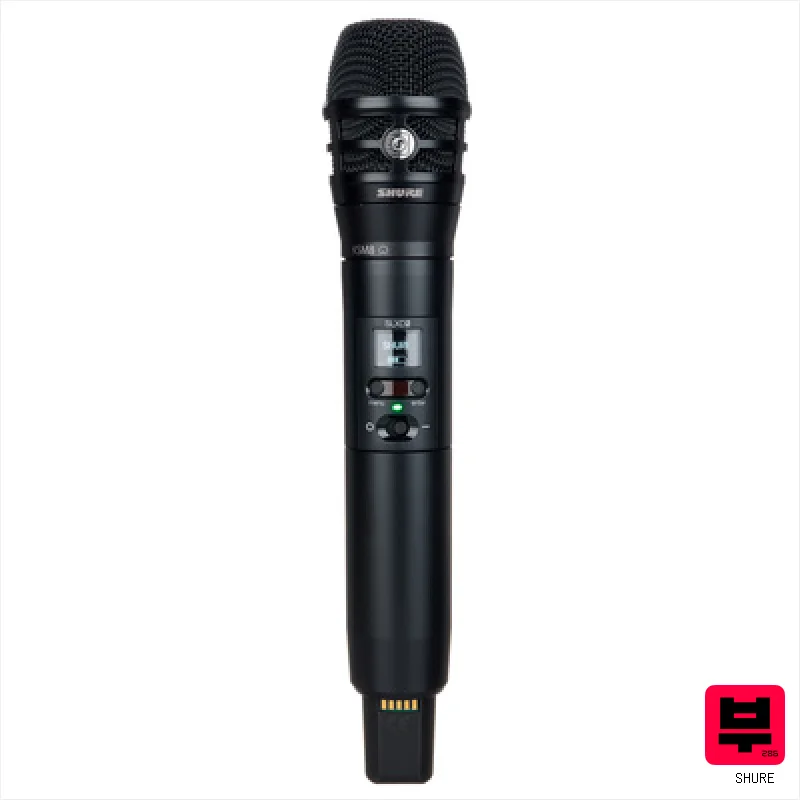
The R185B is a solid, workhorse capsule for those already invested in the Shure MX system. It delivers a clear, focused sound, making it perfect for conference rooms, houses of worship, or anywhere you need reliable speech intelligibility. It's a no-nonsense capsule – you’re paying for performance, not flashy features.
Pros
- Durable aluminum capsule resists moisture and impact reliably
- Cardioid pattern excels at isolating sound sources effectively
- Tight, controlled sound suitable for speech and vocals
Cons
- Limited to Shure MX series – not a standalone microphone
- Cardioid pattern isn't ideal for ambient recording scenarios
-
AKG CK31 High Performance Wide Cardioid Condenser Microphone Capsule
CK31 · AKG
2 for sale on Reverb1 finish at Thomann
The AKG CK31 is a surprisingly capable capsule, especially considering the price. It’s built for permanent installations – think conference rooms, public address systems, or discreet background mics – where clarity and reliability are key. It’s a great value if you already have a compatible AKG body.
Pros
- Excellent transient response for clear speech reproduction
- Robust metal capsule construction ensures durability in demanding installs
- Cardioid pattern minimizes off-axis noise effectively
Cons
- Requires AKG GN/HM-1000 body – not a standalone mic
- Limited frequency response compared to studio-grade capsules
-
- Weight2.8 kg
The KK13 is a serious piece of kit, built for permanent installations where you need pristine, natural sound. It’s incredibly robust, captures everything equally from all directions, and delivers Neumann's signature clarity. Ideal for broadcast studios, lecture halls, or anywhere you need a reliable, high-performance omni mic without a visible capsule.
Pros
- Exceptional omnidirectional response for natural room capture.
- Titanium housing ensures incredible durability for demanding installations.
- Extremely high SPL handling for loud sources like stage drums.
Cons
- Significant weight necessitates robust mounting solutions.
- Designed exclusively for the Neumann MCM system – not standalone use.
-
The MZC 30 is a solid, no-nonsense cable built specifically for Sennheiser’s modular ME series mics. It’s a reliable choice for permanent installations like houses of worship, conference rooms, or broadcast studios where consistent, clean signal is essential. You won't find any surprises here—just a well-made cable doing its job.
Pros
- Excellent cable shielding minimizes noise and interference
- Robust XLR-3 connector ensures reliable signal transfer
- 9m length provides flexible positioning options for installations
Cons
- Limited to use with specific Sennheiser ME series microphone heads
- Cable length may be excessive for smaller, portable setups
52AudioFu
Index↓ 4.8%since Aug 17 · lowest so far$235 · Aug 17$224 now$224€199 at Thomann · in stockCheck price ↗ -
Sennheiser ME 35 MZH Series Supercardioid Gooseneck Condenser…
ME35 · Sennheiser
1 for sale on Reverb1 finish at Thomann
The ME35 is a workhorse capsule for live sound reinforcement and corporate AV. It's designed to be paired with a Sennheiser gooseneck body, and delivers excellent gain-before-feedback performance and clear speech intelligibility, making it a solid choice for presenters, lecturers, and choir leaders who need reliable vocal capture.
Pros
- Excellent off-axis rejection minimizes room noise effectively
- Robust metal capsule construction promises long-term durability
- Supercardioid pattern excels in live sound and speech applications
Cons
- Requires compatible Sennheiser gooseneck bodies – not a standalone mic
- Supercardioid pattern demands precise mic placement for optimal results
46AudioFu
IndexStableno change since Aug 17Aug 17$213 now$213€189 at Thomann · in stockCheck price ↗ -
The MV 400 X is a seriously impressive preamplifier, designed for professional installations where exceptional audio clarity is paramount. It's a fantastic solution for broadcast, theater, or anywhere you need a small, high-performance microphone system, especially when paired with Gefell's excellent capsules. This is for folks who demand the best and aren't afraid to invest in it.
Pros
- Exceptional low-noise floor for pristine recordings
- Compact size facilitates discreet, flexible installations
- Robust construction ensures reliable performance in demanding environments
Cons
- Limited to Microtech Gefell capsule ecosystem; no third-party options
- Premium-priced, representing a significant investment
42AudioFu
IndexStableno change since Aug 17Aug 17$843 now$843€749 at Thomann · in stockCheck price ↗
All 27 modular microphone systems
Same index, same nightly prices — compact. Colour options of one model share a row. Tap a photo to zoom.
- 11
Microtech Gefell M 40Microtech Gefell42Stable$888€789$888€789Check ↗
- 12
Microtech Gefell M 41Microtech Gefell42Stable$944€839$944€839Check ↗
- 13
Microtech Gefell M 42Microtech Gefell42Stable$944€839$944€839Check ↗
- 14
Microtech Gefell M 43Microtech Gefell42Stable$944€839$944€839Check ↗
- 15
AKG CK 80AKG40Stable$73€65$73€65Check ↗
- 16
Lewitt GN35XLewitt40↓ 2.5%$87€77$87€77Check ↗
- 17
AKG CK33AKG40Stable$185€164$185€164Check ↗
- 18
Sennheiser MZH 3072Sennheiser39↑ 7.9%$448€398$448€398Check ↗
- 19
Lewitt GN35X2Lewitt38Stable$129€115$129€115Check ↗
- 20
Lewitt S10Lewitt38Stable$168€149$168€149Check ↗
- 21
Schoeps RL 700Schoeps38Stable$613€545$613€545Check ↗
- 22
Neumann KM A nxNeumann38Stable$787€699$787€699Check ↗
- 23
Neumann KK131 nxNeumann38Stable$809€719$809€719Check ↗
- 24
Schoeps MK 4V CardioidSchoeps38Stable$874€777$874€777Check ↗
- 25
Shure R184BShure37Stable$89€79$89€79Check ↗
- 26
Haun KA 200 NHaun37Stable$269€239$269€239Check ↗
- 27
Haun MBP 603Haun34↑ 7.2%$404€359$404€359Check ↗
Modular Microphone Systems by the numbers
Measured across all 30 models we track, not a sample.
Median $276 — half of all modular microphone systems here cost less.
How to choose the best modular microphone systems
Capsule Quality
This is the heart of a modular system. Cheap capsules will sound thin, brittle, or just plain lifeless. Look for capsules with a decent reputation, even if they're not top-tier. That 'fat midrange honk' won't magically appear with a bad capsule.
Preamp Noise Floor
A modular system often relies on external preamps, and a noisy preamp will bury your signal. Pay attention to the preamp's self-noise spec and consider investing in a decent preamp if needed - it's often the weak link.
Build Quality & Durability
Gigs are rough. Dropped mics, cable pulls, the occasional beer spill - your system needs to survive. Cheap plastic housings and flimsy connectors are a recipe for disaster. Look for something that feels solid.
Polar Patterns & Flexibility
The beauty of modular is the ability to switch polar patterns (cardioid, omni, figure-8). Make sure the system offers the patterns you need for your typical applications - live vocal work, drum overheads, acoustic instruments.
Frequency Response & Articulation
Don't expect a perfectly flat response, but look for a system that captures detail without sounding harsh. Muddy low-end or a brittle top end can ruin a performance - you want clear articulation and a balanced sound.
Buying guide
Okay, so you need a modular mic system but your bank account isn't screaming 'gold-plated Neumann'. It's totally doable - you can get surprisingly good results without blowing your budget. We're talking about systems that let you swap capsules for different sounds, move mics around a stage, or adapt to different recording situations. Let's find some bang-for-your-buck options under a grand.
At this price point, you're making trade-offs. You won't get the absolute smoothest, most detailed sound or the rock-solid build of a $3000 system. Capsule quality is the biggest area where corners are cut - a brighter, less natural sound is common.
Consider a system with a few decent capsules rather than one 'amazing' one, giving you more tonal options. Don't skimp on a good preamp - it'll elevate the entire system.
How the AudioFu Index works
Five measured signals and nothing else — no stars from strangers, no “tested by experts” we didn’t do. The weights are fixed and public. We don’t play these instruments; we measure the market around them.
This chart covers 30 modular microphone systems from the Thomann catalogue. Before you buy, read hands-on reviews and, where you can, play it. Full methodology.
AudioFu earns a commission when you buy through our Thomann links. It never changes the order — the index does.
- Demand40%
How many of this exact model are for sale on Reverb right now — what musicians actually buy and resell.
- Lineup20%
How many finishes Thomann stocks — makers expand the models that sell.
- Price15%
Where the price has moved since we started tracking in August.
- Specs15%
How completely the maker documents it.
- Maker10%
How deep the brand’s range is in this category.
Questions
What's the deal with capsule materials? What's the best?
Generally, nickel is a good all-around choice, offering a balanced sound. Gold is often brighter and more detailed, but can be harsh. Bronze tends to be warmer, but can get muddy in the low-end. It's about finding what suits your voice and instruments.
Can I upgrade the capsules later?
Absolutely! That's the whole point of modularity. It's a great way to improve a system over time without replacing the entire thing. Just make sure the capsules are compatible with the body.
I'm recording drums. Which polar patterns are essential?
For drums, you'll want cardioid for snare and toms (to reject bleed), omni for overheads (for a more natural, roomy sound), and figure-8 can be useful for isolating certain elements or creating stereo effects.
What about phantom power? Do I need a special preamp?
Most modular systems use standard 48V phantom power, so any decent preamp should work. Just double-check the specs to be sure. A preamp with a good amount of headroom is crucial for handling loud sources like snare drums.
My system sounds 'thin'. What could be the problem?
That's often a capsule issue. Try a warmer capsule, or experiment with different preamp settings to add some low-end thump. Room acoustics also play a big role - a boxy room can exacerbate thinness.