AudioFu Chart · October 2026
Best Magnetic Pickups for Acoustic Guitars Under $300 2026
The top pick is Seymour Duncan SA-3SC Woody Single Coil Soundhole Pickup ($89). Fender 099-2275-000 Cypress Single-Coil Acoustic Soundhole Pickup gives you the most for the money at $55. EMG ACB-5 5-String Banjo Pickup leads the high end. Ranked by the AudioFu Index from 35 models across 17 brands, prices checked every night.
Last updated: October 22, 2026
Top 10
Full detail for the 10 highest AudioFu Index scores. Every other model is listed below.
-
Seymour Duncan SA-3SC Woody Single Coil Soundhole Pickup
Woody SC SA-3SC · Seymour Duncan
69 for sale on Reverb1 finish at Thomann
The Woody SC SA-3SC is a solid, budget-friendly option for acoustic players who want to amplify their guitar without sacrificing too much natural acoustic tone. Its wooden housing is a clever touch for feedback rejection, making it a good choice for gigging musicians. It’s especially well-suited for fingerstyle players and those seeking a clean, uncolored amplified sound.
Pros
- Wooden housing minimizes feedback, a real boon on stage.
- Single-coil design delivers a clear, articulate acoustic tone.
- Seymour Duncan’s quality construction ensures long-lasting reliability.
Cons
- Soundhole size restriction limits compatibility with some guitars.
- Single-coil design can be susceptible to hum in noisy environments.
-
Fishman Neo-D02 Humbucker Soundhole Pickup
Neo-D Humbucker · Fishman
53 for sale on Reverb1 finish at Thomann
The Neo-D is a surprisingly effective humbucker for acoustic guitars – it delivers a clean, articulate tone with minimal hum, which is a huge win for stage use. It’s a fantastic choice for players who want a more powerful, amplified acoustic sound without the feedback issues that can plague single-coil designs. If you're playing fingerstyle or strumming bright acoustic rhythms, this is a budget-friendly way to get a bigger sound.
Pros
- Excellent acoustic articulation; retains natural wood resonance surprisingly well.
- Humbucker design effectively minimizes unwanted noise and hum.
- Fishman’s neodymium magnet delivers a clear, defined, and balanced tone.
Cons
- Lacks tonal versatility; best suited for brighter acoustic sounds.
- Humbucker design can slightly dampen the more delicate nuances of the guitar.
-
Seymour Duncan SA-3XL Adjustable Woody
SA-3XL Woody XL Series · Seymour Duncan
48 for sale on Reverb1 finish at Thomann
The SA-3XL Woody XL is a great choice if you’re looking for a magnetic pickup that delivers a powerful, amplified acoustic tone without the brittle edge some magnetic pickups have. The wooden housing really adds a touch of warmth and helps tame feedback, making it perfect for gigging singer-songwriters or anyone needing a robust amplified acoustic sound.
Pros
- Solid wood housing minimizes feedback and adds warmth
- Vertical humbucker design delivers a full, balanced tone
- Adjustable pole pieces allow for precise output balancing
Cons
- Soundhole size restriction limits compatibility with some guitars
- Magnetic pickups inherently lack the nuance of piezo systems
63AudioFu
IndexStableno change since Aug 17Aug 17$145 now$145€129 at Thomann · in stockCheck price ↗ -
Fishman PRO-REP-103 Rare Earth Blend Acoustic Humbucker / Mic
Rare Earth Humbucker · Fishman
30 for sale on Reverb1 finish at Thomann
The Fishman Rare Earth Humbucker is a solid choice for steel-string players needing a magnetic pickup for live gigs or recording. It's surprisingly warm for a magnetic pickup, cuts through a mix well, and the hum-free operation is a huge plus – especially on stage. It’s a great solution for players who want a powerful, reliable sound without the complexities of more elaborate acoustic pickup systems.
Pros
- Neodymium magnets deliver a surprisingly warm, articulate acoustic tone.
- Stacked humbucker design effectively eliminates unwanted hum and noise.
- Active electronics provide a consistent output signal, great for live performance.
Cons
- Limited tonal versatility compared to piezo or condenser microphones.
- Battery dependency requires occasional replacement, a potential inconvenience.
60AudioFu
IndexStableno change since Aug 17Aug 17$178 now$178€158 at Thomann · in stockCheck price ↗ -
Fishman PRO-REP-103 Rare Earth Blend Acoustic Humbucker / Mic
Rare Earth Mic Blend · Fishman
30 for sale on Reverb1 finish at Thomann
The Rare Earth Mic Blend is a fantastic option for acoustic players who want a versatile amplified tone. The combination of a powerful humbucker and a quality condenser mic gives you the best of both worlds – punchy magnetic articulation blended with natural acoustic character. It’s a real winner for singer-songwriters and performers needing a premium-priced but adaptable stage solution.
Pros
- Rare Earth neodymium magnet delivers exceptional clarity and string definition
- Flexible mic captures nuanced dynamics and room ambience effectively
- Mic Blend offers tonal flexibility, combining magnetic and mic signals
Cons
- The microphone can be prone to feedback in loud stage environments
- Battery compartment adds slight weight and alters acoustic resonance
60AudioFu
IndexStableno change since Aug 17Aug 17$274 now$274€244 at Thomann · in stockCheck price ↗ -
Fishman PRO-REP-101 Rare Earth Single Coil Soundhole Pickup
Rare Earth Single Coil · Fishman
22 for sale on Reverb1 finish at Thomann
The Fishman Rare Earth SingleCoil is a surprisingly good option if you're looking for a magnetic pickup that doesn't sound harsh. It’s a solid choice for gigging acoustic guitarists who want a clean, amplified tone and appreciate the simplicity of a single-coil design without sacrificing too much acoustic character.
Pros
- Neodymium magnet delivers a surprisingly warm, natural acoustic tone.
- Active electronics minimize noise and provide a stronger signal.
- Volume wheel allows for convenient stage adjustments without external controls.
Cons
- Limited tonal flexibility compared to multi-system pickups.
- Steel-string guitars only – unsuitable for nylon-string instruments.
59AudioFu
Index↓ 3.8%since Aug 17 · lowest so far$148 · Aug 17$143 now$143€127 at Thomann · in stockCheck price ↗ -
Fender 099-2275-000 Cypress Single-Coil Acoustic Soundhole Pickup
Acoustic Pickup Cypress · Fender
20 for sale on Reverb1 finish at Thomann
This Fender Cypress pickup is a surprisingly good budget option for players needing a basic amplified acoustic sound. It's straightforward to install and offers a clear, bright tone that works well for folk, country, or any style where you want a touch of added bite without a lot of fuss. Ideal for beginners or those needing a reliable, simple solution.
Pros
- Simple, direct wiring minimizes installation complexity and potential noise.
- Single-coil design delivers a surprisingly articulate and bright tone.
- Cypress body material offers a balanced acoustic resonance and warmth.
Cons
- Limited tonal versatility; lacks EQ controls for shaping the sound.
- Magnetic design picks up string noise more easily than piezo systems.
-
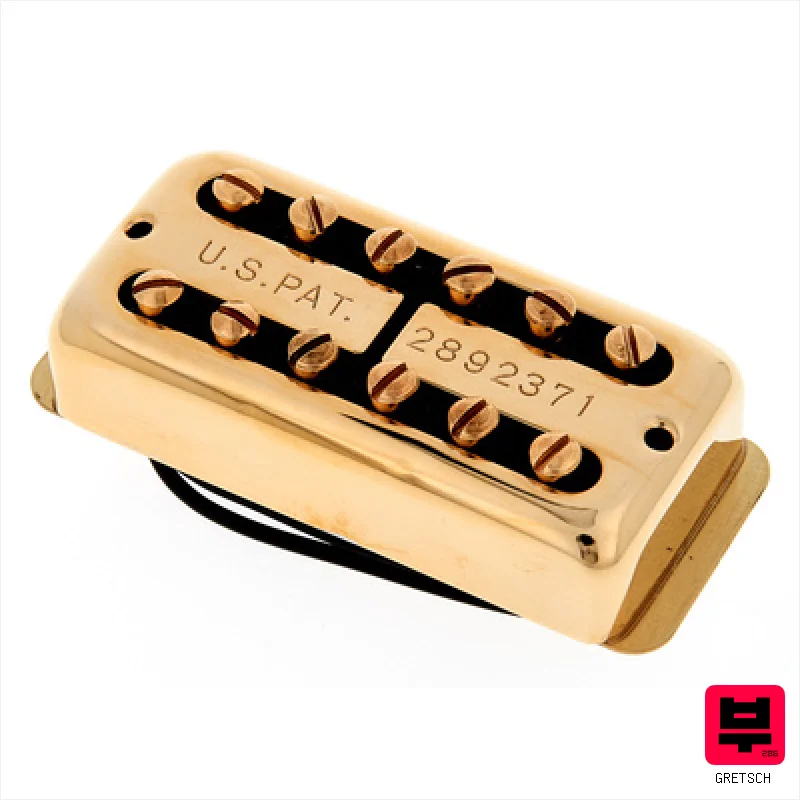
Gretsch 922-3859-000 Deltoluxe Acoustic Soundhole Pickup
Deltoluxe Pickup · Gretsch
19 for sale on Reverb1 finish at Thomann
The Gretsch Deltoluxe is a surprisingly capable magnetic soundhole pickup for the price. It's a great option for acoustic players who need a bit more stage volume or want to record direct without a mic—especially if you like a brighter, more cutting tone. It won't replace a good acoustic mic, but it’s a solid, budget-friendly solution.
Pros
- Alnico V magnet delivers a warm, articulate, and slightly edgy tone.
- Solid construction with a durable, nickel-plated housing resists wear.
- Versatile enough for folk, blues, and country styles with good clarity.
Cons
- The magnetic field can slightly dampen acoustic guitar resonance.
- Limited tonal shaping options; it's primarily a 'bright' pickup.
-
This little Harley Benton is a surprisingly effective way to amplify your steel-string acoustic. The hybrid design does a decent job of capturing some of the acoustic body resonance alongside the magnetic pickup's clarity. It's a great, budget-friendly option for gigging musicians needing a clean, amplified signal without breaking the bank.
Pros
- Active circuitry eliminates hum and noise, a significant benefit for stage use.
- Hybrid design captures both magnetic articulation and acoustic body resonance.
- Integrated volume and mic blend controls offer convenient on-the-fly adjustments.
Cons
- Active design requires batteries, adding maintenance and potential failure point.
- Steel-string acoustic guitars only; unsuitable for nylon-string instruments.
-
- Strings5-string
The EMG ACB is a game-changer for banjo players wanting a cleaner, more powerful amplified tone without sacrificing too much of the instrument's natural character. It’s a fantastic option for bluegrass, modern banjo styles, or anyone looking to cut through a mix. The humbucker design really tames the inherent noise that can plague amplified banjos.
Pros
- Humbucker design eliminates typical banjo noise and hum
- Alnico magnets deliver a warm, articulate tone with surprising clarity
- Compact construction minimizes acoustic resonance disruption during install
Cons
- ACB’s tonal character might be too 'electric' for some traditional banjo players
- Limited adjustability compared to some other banjo pickup systems
48AudioFu
IndexStableno change since Aug 17Aug 17$286 now$286€255 at Thomann · in stockCheck price ↗
All 35 magnetic pickups for acoustic guitars
Same index, same nightly prices — compact. Colour options of one model share a row. Tap a photo to zoom.
- 11
DiMarzio DP138 Virtual Acoustic Soundhole Acoustic PickupVirtual Acoustic DP 138 · DiMarzio47Stable$122€109$122€109Check ↗
- 12
Shadow SH-330 Single Coil Soundhold PickupSH 330 · Shadow46Stable$54€48$54€48Check ↗
- 13
Taylor ES-Go Acoustic Soundhole Pickup for GS-MiniES Go Pickup GS Mini · Taylor46Stable$95€85$95€85Check ↗
- 14
Shadow SH 145 BK PrestigeShadow · 2 finishes45Stable$129€115$129€115Check ↗
- 15
L.R.Baggs M1 Soundhole PickupL.R.Baggs · 2 finishes41Stable$243€216$243€216Check ↗
- 16
Fishman Neo-D SingleCoilFishman39Stable$66€59$66€59Check ↗
- 17
Seymour Duncan Woody Single Coil WALSeymour Duncan39Stable$100€89$100€89Check ↗
- 18
Fishman Neo Buster HumbuckerFishman39Stable$107€95$107€95Check ↗
- 19
Shadow SH 141Shadow39Stable$110€98$110€98Check ↗
- 20
Seymour Duncan Woody Hum Cancelling WalnutSeymour Duncan39Stable$134€119$134€119Check ↗
- 21
Shadow SH 928 NMG-4 Nanomag TeardropShadow39Stable$190€169$190€169Check ↗
- 22
Shadow SH 927 NMG-4 Nanomag BluegrassShadow39Stable$208€185$208€185Check ↗
- 23
Harley Benton TrueTone SH-20 SinglecoilHarley Benton38Stable$28€25$28€25Check ↗
- 24
Bartolini 3AV Acoustic Guitar Soundhole Humbucker PickupAcoustic Soundhole Pickup · Bartolini38Stable$206€183$206€183Check ↗
- 25
Mojotone Quiet Coil NC PassiveMojotone37Stable$179€159$179€159Check ↗
- 26
Mojotone Quiet Coil NC-1 Ac. PickupMojotone37Stable$224€199$224€199Check ↗
- 27
Mojotone Quiet Coil NC-2 Mic/BlendQuiet Coil NC-2 Mic/Blend · Mojotone37Stable$268€239$268€239Check ↗
- 28
KNA Pickups SP-1KNA Pickups36↓ 2.6%$84€75$84€75Check ↗
- 29
Artec MSP-50 ENNArtec35Stable$33€29$33€29Check ↗
- 30
Artec Memphisys 66 OSJArtec35Stable$43€38$43€38Check ↗
- 31
KNA Pickups HP-1AKNA Pickups35Stable$122€109$122€109Check ↗
- 32
DiMarzio The Black Angel DP 234DiMarzio35Stable$224€199$224€199Check ↗
- 33
Dean Markley Promag Plus PickupDean Markley33Stable$62€55$62€55Check ↗
- 34
DeArmond Tone Boss PickupDeArmond33Stable$134€119$134€119Check ↗
- 35
Lace Pickups Ultra Slim Acoustic Sensor CHLace Pickups28Stable$201€179$201€179Check ↗
Magnetic Pickups for Acoustic Guitars by the numbers
Measured across all 39 models we track, not a sample.
Median $122 — half of all magnetic pickups for acoustic guitars here cost less.
How to choose the best magnetic pickups for acoustic guitars
Voice/Tone
This isn't about 'good' or 'bad' tone; it's about what kind of tone you're getting. Do you want a warm, round response that complements your acoustic's natural character, or a brighter, more aggressive sound that's meant to cut through a wall of amps? A lot of these pickups lean towards a 'telephone' quality, so be prepared for that characteristic.
Output Level
Higher output isn't always better, but it is important for cutting through a loud band. Too little and you'll be fighting to be heard; too much and you'll be battling unwanted noise and compression. Consider your typical playing volume and band setup.
String Balance
A good pickup should respond evenly across all six strings. Cheap ones often have a noticeable imbalance - the bass strings might be muddy, the treble strings harsh. Listen carefully for this in demos and, if possible, try before you buy.
Noise/Hum
Magnetic pickups are inherently prone to hum, but some are better than others. Cheaper pickups often use cheaper wire and shielding, which can result in a lot of unwanted noise. This can be a real problem in quiet recording situations or when playing clean.
Installation/Ease of Use
Let's be honest, most of us aren't luthiers. How easy is it to install and adjust? Some pickups require more fiddling than others, and a complicated install can be a real pain, especially if you're not comfortable working on your guitar.
Buying guide
So, you're looking to add a magnetic pickup to your acoustic? Smart move - gives you that electric bite without completely sacrificing the acoustic vibe. Finding a good one under $300 isn't impossible, but you gotta know what to look for. We're not chasing boutique prices here; we're finding the pickups that'll actually cut through a band mix and sound decent recorded, without draining your gigging budget.
Under $300, you're trading off something. Don't expect a hand-wound, boutique-level pickup. Most will have a slightly 'magnetic' sound - they won't perfectly replicate your acoustic's natural tone.
Look for models with adjustable pole pieces - that lets you tweak the balance. And be realistic; you might need to experiment with different string gauges to find the sweet spot. Don't go chasing the highest output; a little headroom is always better than clipping.
How the AudioFu Index works
Five measured signals and nothing else — no stars from strangers, no “tested by experts” we didn’t do. The weights are fixed and public. We don’t play these instruments; we measure the market around them.
This chart covers 39 magnetic pickups for acoustic guitars from the Thomann catalogue. Before you buy, read hands-on reviews and, where you can, play it. Full methodology.
AudioFu earns a commission when you buy through our Thomann links. It never changes the order — the index does.
- Demand40%
How many of this exact model are for sale on Reverb right now — what musicians actually buy and resell.
- Lineup20%
How many finishes Thomann stocks — makers expand the models that sell.
- Price15%
Where the price has moved since we started tracking in August.
- Specs15%
How completely the maker documents it.
- Maker10%
How deep the brand’s range is in this category.
Questions
Will this sound like a real acoustic?
No. Magnetic pickups fundamentally alter the tone. They'll add a certain 'electric' quality, often with a slight 'telephone' character. Think of it as an augmentation, not a replacement.
Can I use this with a preamp?
Absolutely. A preamp can boost the signal and help shape the tone, but be careful not to introduce more noise. A good preamp can help tame some of the harsher edges on a brighter pickup.
What about acoustic-electric pickups that use piezo elements?
Piezo pickups are different. They try to mimic the acoustic sound, but often sound brittle or 'quacky'. Magnetic pickups offer a different flavor - more electric, more sustain, and generally more forgiving in a live band setting.
My guitar has a soundhole; will this fit?
Most soundhole pickups are designed to fit a wide range of acoustic guitars, but always double-check the dimensions. Some guitars might require a bit of adjustment or a different mounting system.
What if I want a humbucker instead of a single-coil?
Humbuckers are less common in this price range for acoustics, but they do exist. They offer more output and reduced hum, but they also tend to have a more compressed and 'electric' sound - a bigger tonal departure from the acoustic character.