AudioFu Chart · October 2026
Best Magnetic Pickups for Acoustic Guitars for Professional 2026
The top pick is Takamine TRI-AX 2 ($358). Seymour Duncan SA-3XL Adjustable Woody gives you the most for the money at $145. Ranked by the AudioFu Index from 39 models across 19 brands, prices checked every night.
Last updated: October 22, 2026
Top 10
Full detail for the 10 highest AudioFu Index scores. Every other model is listed below.
-
The TRI-AX 2 is a solid choice for acoustic players needing amplified sound, especially those gigging frequently. Its feedback rejection is genuinely impressive, and the adjustable pole pieces let you dial in a balanced tone. It’s a good fit for players wanting a more controlled, less 'woody' amplified acoustic sound, rather than a pure acoustic reproduction.
Pros
- Excellent feedback resistance thanks to the shielded coil design
- Adjustable pole pieces allow for precise output balancing across strings
- Passive/active switch provides tonal flexibility for various amps/preamps
Cons
- Sound can be slightly sterile compared to some more 'organic' acoustic pickups
- Requires a decent preamp for optimal active mode performance; passive mode is limited
33AudioFu
IndexStableno change since Aug 17Aug 17$358 now$358€319 at Thomann · in stockCheck price ↗ -
- Strings6-string
The EMG ACB-4/6 is a solid choice for banjo players wanting a clean, amplified sound without the hassle of wiring. It’s particularly good for gigging musicians needing reliable, noise-free performance, though it leans towards a more modern, less overtly traditional banjo tone. A good option for those wanting a simple, amplified solution without extensive modification.
Pros
- Alnico magnet construction delivers a warm, articulate banjo tone.
- Noise-free operation eliminates hum and unwanted interference, crucial for live use.
- Compact design and included holder simplify installation on various banjo models.
Cons
- The battery-powered design limits playing time between changes.
- Humbucker design may lack the ultra-bright, traditional banjo 'snap' some players seek.
50AudioFu
IndexStableno change since Aug 17Aug 17$313 now$313€279 at Thomann · in stockCheck price ↗ -
- Strings12-string
This Seymour Duncan Active Mag is a serious upgrade for acoustic players wanting more stage volume and a clearer, more defined sound. The active circuit gives it a real punch without sacrificing too much acoustic character, and the adjustable pole pieces let you dial in the perfect tone for your guitar. It's a great choice for gigging musicians needing a reliable and powerful amplified acoustic sound.
Pros
- Active circuitry delivers a powerful, clear acoustic signal with excellent note definition.
- Stacked coil design effectively eliminates hum and noise, crucial for stage use.
- Height-adjustable pole pieces allow for precise tonal shaping and string balance.
Cons
- Battery power necessitates regular replacements, adding a maintenance consideration.
- The black finish might not suit all acoustic guitar aesthetics; limited color options.
54AudioFu
IndexStableno change since Aug 17Aug 17$302 now$302€269 at Thomann · in stockCheck price ↗ -
This National Slimline is a seriously clever piece of kit. It's designed specifically for resonator guitars and captures their unique voice with a warm, powerful humbucker sound. Ideal for blues, bluegrass, and roots music players who want a robust amplified tone without a bulky pickup system.
Pros
- Slim profile minimizes acoustic resonance disruption
- Humbucker design eliminates noise and provides strong output
- Bright Nickel finish complements resonator aesthetics
Cons
- Limited tonal flexibility compared to multi-pickup systems
- Mounting position might require fretboard modification for optimal access
33AudioFu
IndexStableno change since Aug 17Aug 17$336 now$336€299 at Thomann · in stockCheck price ↗ -
- Strings5-string
The EMG ACB is a game-changer for banjo players wanting a cleaner, more powerful amplified tone without sacrificing too much of the instrument's natural character. It’s a fantastic option for bluegrass, modern banjo styles, or anyone looking to cut through a mix. The humbucker design really tames the inherent noise that can plague amplified banjos.
Pros
- Humbucker design eliminates typical banjo noise and hum
- Alnico magnets deliver a warm, articulate tone with surprising clarity
- Compact construction minimizes acoustic resonance disruption during install
Cons
- ACB’s tonal character might be too 'electric' for some traditional banjo players
- Limited adjustability compared to some other banjo pickup systems
48AudioFu
IndexStableno change since Aug 17Aug 17$286 now$286€255 at Thomann · in stockCheck price ↗ -
The M1 is a workhorse pickup, plain and simple. It delivers a robust, humbucker-style tone that cuts through a mix without getting overly bright, and its feedback rejection is genuinely impressive. This is a fantastic choice for gigging acoustic players who need a reliable and powerful amplified sound, especially in louder environments.
Pros
- Excellent feedback rejection, crucial for stage use.
- Dual-coil humbucker provides a full, warm, and articulate tone.
- Strapjack eliminates external cables, simplifying setup and reducing snagging.
Cons
- Active circuitry requires a battery, adding a small weight and maintenance factor.
- Limited tonal versatility compared to multi-element systems.
41AudioFu
IndexStableno change since Aug 17Aug 17$280 now$280€249 at Thomann · in stockCheck price ↗ -
Seymour Duncan SA-3XL Adjustable Woody
SA-3XL Woody XL Series · Seymour Duncan
48 for sale on Reverb1 finish at Thomann
The SA-3XL Woody XL is a great choice if you’re looking for a magnetic pickup that delivers a powerful, amplified acoustic tone without the brittle edge some magnetic pickups have. The wooden housing really adds a touch of warmth and helps tame feedback, making it perfect for gigging singer-songwriters or anyone needing a robust amplified acoustic sound.
Pros
- Solid wood housing minimizes feedback and adds warmth
- Vertical humbucker design delivers a full, balanced tone
- Adjustable pole pieces allow for precise output balancing
Cons
- Soundhole size restriction limits compatibility with some guitars
- Magnetic pickups inherently lack the nuance of piezo systems
63AudioFu
IndexStableno change since Aug 17Aug 17$145 now$145€129 at Thomann · in stockCheck price ↗ -
Fishman PRO-REP-103 Rare Earth Blend Acoustic Humbucker / Mic
Rare Earth Humbucker · Fishman
30 for sale on Reverb1 finish at Thomann
The Fishman Rare Earth Humbucker is a solid choice for steel-string players needing a magnetic pickup for live gigs or recording. It's surprisingly warm for a magnetic pickup, cuts through a mix well, and the hum-free operation is a huge plus – especially on stage. It’s a great solution for players who want a powerful, reliable sound without the complexities of more elaborate acoustic pickup systems.
Pros
- Neodymium magnets deliver a surprisingly warm, articulate acoustic tone.
- Stacked humbucker design effectively eliminates unwanted hum and noise.
- Active electronics provide a consistent output signal, great for live performance.
Cons
- Limited tonal versatility compared to piezo or condenser microphones.
- Battery dependency requires occasional replacement, a potential inconvenience.
60AudioFu
IndexStableno change since Aug 17Aug 17$178 now$178€158 at Thomann · in stockCheck price ↗ -
Fishman PRO-REP-103 Rare Earth Blend Acoustic Humbucker / Mic
Rare Earth Mic Blend · Fishman
30 for sale on Reverb1 finish at Thomann
The Rare Earth Mic Blend is a fantastic option for acoustic players who want a versatile amplified tone. The combination of a powerful humbucker and a quality condenser mic gives you the best of both worlds – punchy magnetic articulation blended with natural acoustic character. It’s a real winner for singer-songwriters and performers needing a premium-priced but adaptable stage solution.
Pros
- Rare Earth neodymium magnet delivers exceptional clarity and string definition
- Flexible mic captures nuanced dynamics and room ambience effectively
- Mic Blend offers tonal flexibility, combining magnetic and mic signals
Cons
- The microphone can be prone to feedback in loud stage environments
- Battery compartment adds slight weight and alters acoustic resonance
60AudioFu
IndexStableno change since Aug 17Aug 17$274 now$274€244 at Thomann · in stockCheck price ↗ -
Fishman PRO-REP-101 Rare Earth Single Coil Soundhole Pickup
Rare Earth Single Coil · Fishman
22 for sale on Reverb1 finish at Thomann
The Fishman Rare Earth SingleCoil is a surprisingly good option if you're looking for a magnetic pickup that doesn't sound harsh. It’s a solid choice for gigging acoustic guitarists who want a clean, amplified tone and appreciate the simplicity of a single-coil design without sacrificing too much acoustic character.
Pros
- Neodymium magnet delivers a surprisingly warm, natural acoustic tone.
- Active electronics minimize noise and provide a stronger signal.
- Volume wheel allows for convenient stage adjustments without external controls.
Cons
- Limited tonal flexibility compared to multi-system pickups.
- Steel-string guitars only – unsuitable for nylon-string instruments.
59AudioFu
Index↓ 3.8%since Aug 17 · lowest so far$148 · Aug 17$143 now$143€127 at Thomann · in stockCheck price ↗
All 39 magnetic pickups for acoustic guitars
Same index, same nightly prices — compact. Colour options of one model share a row. Tap a photo to zoom.
- 11
Fishman Neo-D02 Humbucker Soundhole PickupNeo-D Humbucker · Fishman65Stable$100€89$100€89Check ↗
- 12
Shadow SH 145 Gold PrestigeShadow · 2 finishes45Stable$134€119$134€119Check ↗
- 13
Seymour Duncan SA-3SC Woody Single Coil Soundhole PickupWoody SC SA-3SC · Seymour Duncan67Stable$89€79$89€79Check ↗
- 14
Shadow SH 928 NMG-4 Nanomag TeardropShadow39Stable$190€169$190€169Check ↗
- 15
Shadow SH 927 NMG-4 Nanomag BluegrassShadow39Stable$208€185$208€185Check ↗
- 16
Bartolini 3AV Acoustic Guitar Soundhole Humbucker PickupAcoustic Soundhole Pickup · Bartolini38Stable$206€183$206€183Check ↗
- 17
Mojotone Quiet Coil NC PassiveMojotone37Stable$179€159$179€159Check ↗
- 18
Mojotone Quiet Coil NC-1 Ac. PickupMojotone37Stable$224€199$224€199Check ↗
- 19
Mojotone Quiet Coil NC-2 Mic/BlendQuiet Coil NC-2 Mic/Blend · Mojotone37Stable$268€239$268€239Check ↗
- 20
DiMarzio DP138 Virtual Acoustic Soundhole Acoustic PickupVirtual Acoustic DP 138 · DiMarzio47Stable$122€109$122€109Check ↗
- 21
DiMarzio The Black Angel DP 234DiMarzio35Stable$224€199$224€199Check ↗
- 22
Seymour Duncan Woody Hum Cancelling WalnutSeymour Duncan39Stable$134€119$134€119Check ↗
- 23
Lace Pickups Ultra Slim Acoustic Sensor CHLace Pickups28Stable$201€179$201€179Check ↗
- 24
DeArmond Tone Boss PickupDeArmond33Stable$134€119$134€119Check ↗
- 25
KNA Pickups HP-1AKNA Pickups35Stable$122€109$122€109Check ↗
- 26
Shadow SH 141Shadow39Stable$110€98$110€98Check ↗
- 27
Taylor ES-Go Acoustic Soundhole Pickup for GS-MiniES Go Pickup GS Mini · Taylor46Stable$95€85$95€85Check ↗
- 28
Fishman Neo Buster HumbuckerFishman39Stable$107€95$107€95Check ↗
- 29
Seymour Duncan Woody Single Coil WALSeymour Duncan39Stable$100€89$100€89Check ↗
- 30
KNA Pickups SP-1KNA Pickups36↓ 2.6%$84€75$84€75Check ↗
- 31
Fender 099-2275-000 Cypress Single-Coil Acoustic Soundhole PickupAcoustic Pickup Cypress · Fender50Stable$55€49$55€49Check ↗
- 32
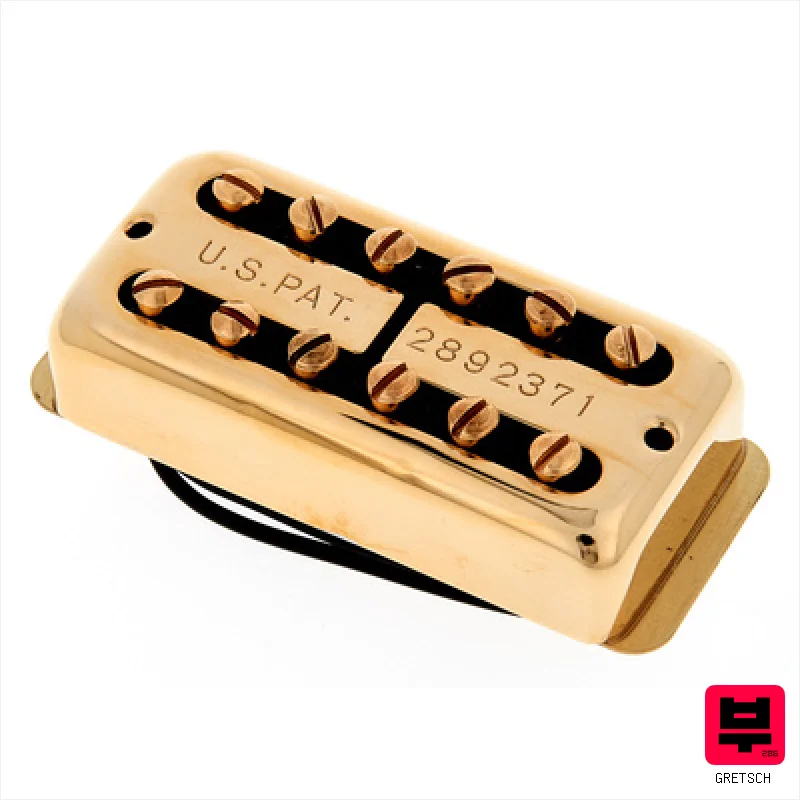
Gretsch 922-3859-000 Deltoluxe Acoustic Soundhole PickupDeltoluxe Pickup · Gretsch49Stable$75€67$75€67Check ↗
- 33
Harley Benton TrueTone SH-30W Pro ActiveHarley Benton · 3 finishes48Stable$55€49$55€49Check ↗
- 34
Shadow SH-330 Single Coil Soundhold PickupSH 330 · Shadow46Stable$54€48$54€48Check ↗
- 35
Fishman Neo-D SingleCoilFishman39Stable$66€59$66€59Check ↗
- 36
Harley Benton TrueTone SH-20 SinglecoilHarley Benton38Stable$28€25$28€25Check ↗
- 37
Artec MSP-50 ENNArtec35Stable$33€29$33€29Check ↗
- 38
Artec Memphisys 66 OSJArtec35Stable$43€38$43€38Check ↗
- 39
Dean Markley Promag Plus PickupDean Markley33Stable$62€55$62€55Check ↗
Magnetic Pickups for Acoustic Guitars by the numbers
Measured across all 43 models we track, not a sample.
Median $134 — half of all magnetic pickups for acoustic guitars here cost less.
How to choose the best magnetic pickups for acoustic guitars
Voice/Articulation
A pro needs a pickup that doesn't muddy the water. We're looking for clarity and definition, especially in the midrange - that's where the fundamental notes live. Too much low-end thump can make things boomy; too much high-end sparkle can be ice-picky. The best magnetic pickups retain the acoustic guitar's core character while adding a usable electric element.
Noise Floor
Magnetic pickups can be noisy, especially with single-coil designs. Pro players need a quiet signal, particularly when recording or playing in quieter venues. Careful shielding and quality components are essential to minimize hum and unwanted frequencies.
Ease of Installation/Mounting
Let's be real, most pros aren't going to pay a luthier $100 to install a pickup. A straightforward mounting system - ideally one that doesn't require drilling - is a huge plus. The less invasive, the better, to preserve the instrument's integrity.
Output Level/Headroom
You need enough output to cut through a band mix without needing to crank a preamp to ear-splitting levels. Headroom is key - the ability to drive the signal harder without introducing unwanted distortion or compression. This is especially important for live performance.
Impact on Acoustic Resonance
A cheap, poorly designed pickup can dampen the guitar's natural resonance. A good pickup should add to the overall tone, not subtract from it. We're listening for how the pickup interacts with the guitar's top and back, and whether it alters the sustain or responsiveness.
Buying guide
So, you're a pro looking to add a magnetic pickup to your acoustic? It's a common move - getting that electric bite for live gigs or a little extra oomph in the studio. But slapping just any magnetic pickup on a prized instrument is a recipe for disappointment. We're not talking about adding a little warmth here; we're talking about surgically integrating a new voice without destroying what makes your guitar, your guitar.
Don't fall for the 'easy upgrade' hype. Magnetic pickups are a compromise; they're adding an electric element to an acoustic instrument. Spending a little more on a well-voiced pickup from a reputable brand-LR Baggs, K&K, Fishman-is worth it to avoid a muddy, noisy, or tonally sterile result.
And seriously, research the mounting system - you don't want to damage your guitar.
How the AudioFu Index works
Five measured signals and nothing else — no stars from strangers, no “tested by experts” we didn’t do. The weights are fixed and public. We don’t play these instruments; we measure the market around them.
This chart covers 43 magnetic pickups for acoustic guitars from the Thomann catalogue. Before you buy, read hands-on reviews and, where you can, play it. Full methodology.
AudioFu earns a commission when you buy through our Thomann links. It never changes the order — the index does.
- Demand40%
How many of this exact model are for sale on Reverb right now — what musicians actually buy and resell.
- Lineup20%
How many finishes Thomann stocks — makers expand the models that sell.
- Price15%
Where the price has moved since we started tracking in August.
- Specs15%
How completely the maker documents it.
- Maker10%
How deep the brand’s range is in this category.
Questions
Are magnetic pickups as good as internal mics or piezo systems?
No, they're different. Mics and piezoes capture the acoustic voice more faithfully, but lack the electric character. Magnetics offer a unique blend - that electric bite - but always involve a tonal compromise. It's about what you want to achieve.
Will a magnetic pickup ruin the acoustic tone of my guitar?
It can, if you choose poorly. A cheap pickup can dampen resonance and add unwanted frequencies. A good one should be relatively transparent and add a usable electric character without fundamentally altering the acoustic voice.
Can I use a magnetic pickup for recording?
Absolutely. Many pros use them for recording, especially when they want a hybrid acoustic/electric sound. Just be mindful of the noise floor and potential for unwanted frequencies - proper EQ and compression are your friends.
Do I need to worry about shielding?
Yes. Magnetic pickups are susceptible to interference. Good pickups will have shielding, but it's worth checking reviews to see if users report hum or noise issues. A poorly shielded pickup can be a nightmare in a studio.
What's the difference between a single-coil and a humbucker magnetic pickup for acoustic?
Single-coils are brighter and more articulate but can be noisier. Humbuckers are generally warmer, fuller, and quieter, but can sometimes lack the clarity of a single-coil. It depends on the sonic character you're after.