AudioFu Chart · October 2026
Best Magnetic Pickups for Acoustic Guitars Under $200 2026
The top pick is Seymour Duncan SA-3SC Woody Single Coil Soundhole Pickup ($89). Fender 099-2275-000 Cypress Single-Coil Acoustic Soundhole Pickup gives you the most for the money at $55. Fishman PRO-REP-103 Rare Earth Blend Acoustic Humbucker/Mic leads the high end. Ranked by the AudioFu Index from 26 models across 13 brands, prices checked every night.
Last updated: October 22, 2026
Top 10
Full detail for the 10 highest AudioFu Index scores. Every other model is listed below.
-
Seymour Duncan SA-3SC Woody Single Coil Soundhole Pickup
Woody SC SA-3SC · Seymour Duncan
69 for sale on Reverb1 finish at Thomann
The Woody SC SA-3SC is a solid, budget-friendly option for acoustic players who want to amplify their guitar without sacrificing too much natural acoustic tone. Its wooden housing is a clever touch for feedback rejection, making it a good choice for gigging musicians. It’s especially well-suited for fingerstyle players and those seeking a clean, uncolored amplified sound.
Pros
- Wooden housing minimizes feedback, a real boon on stage.
- Single-coil design delivers a clear, articulate acoustic tone.
- Seymour Duncan’s quality construction ensures long-lasting reliability.
Cons
- Soundhole size restriction limits compatibility with some guitars.
- Single-coil design can be susceptible to hum in noisy environments.
-
Fishman Neo-D02 Humbucker Soundhole Pickup
Neo-D Humbucker · Fishman
53 for sale on Reverb1 finish at Thomann
The Neo-D is a surprisingly effective humbucker for acoustic guitars – it delivers a clean, articulate tone with minimal hum, which is a huge win for stage use. It’s a fantastic choice for players who want a more powerful, amplified acoustic sound without the feedback issues that can plague single-coil designs. If you're playing fingerstyle or strumming bright acoustic rhythms, this is a budget-friendly way to get a bigger sound.
Pros
- Excellent acoustic articulation; retains natural wood resonance surprisingly well.
- Humbucker design effectively minimizes unwanted noise and hum.
- Fishman’s neodymium magnet delivers a clear, defined, and balanced tone.
Cons
- Lacks tonal versatility; best suited for brighter acoustic sounds.
- Humbucker design can slightly dampen the more delicate nuances of the guitar.
-
Seymour Duncan SA-3XL Adjustable Woody
SA-3XL Woody XL Series · Seymour Duncan
48 for sale on Reverb1 finish at Thomann
The SA-3XL Woody XL is a great choice if you’re looking for a magnetic pickup that delivers a powerful, amplified acoustic tone without the brittle edge some magnetic pickups have. The wooden housing really adds a touch of warmth and helps tame feedback, making it perfect for gigging singer-songwriters or anyone needing a robust amplified acoustic sound.
Pros
- Solid wood housing minimizes feedback and adds warmth
- Vertical humbucker design delivers a full, balanced tone
- Adjustable pole pieces allow for precise output balancing
Cons
- Soundhole size restriction limits compatibility with some guitars
- Magnetic pickups inherently lack the nuance of piezo systems
63AudioFu
IndexStableno change since Aug 17Aug 17$145 now$145€129 at Thomann · in stockCheck price ↗ -
Fishman PRO-REP-103 Rare Earth Blend Acoustic Humbucker / Mic
Rare Earth Humbucker · Fishman
30 for sale on Reverb1 finish at Thomann
The Fishman Rare Earth Humbucker is a solid choice for steel-string players needing a magnetic pickup for live gigs or recording. It's surprisingly warm for a magnetic pickup, cuts through a mix well, and the hum-free operation is a huge plus – especially on stage. It’s a great solution for players who want a powerful, reliable sound without the complexities of more elaborate acoustic pickup systems.
Pros
- Neodymium magnets deliver a surprisingly warm, articulate acoustic tone.
- Stacked humbucker design effectively eliminates unwanted hum and noise.
- Active electronics provide a consistent output signal, great for live performance.
Cons
- Limited tonal versatility compared to piezo or condenser microphones.
- Battery dependency requires occasional replacement, a potential inconvenience.
60AudioFu
IndexStableno change since Aug 17Aug 17$178 now$178€158 at Thomann · in stockCheck price ↗ -
Fishman PRO-REP-101 Rare Earth Single Coil Soundhole Pickup
Rare Earth Single Coil · Fishman
22 for sale on Reverb1 finish at Thomann
The Fishman Rare Earth SingleCoil is a surprisingly good option if you're looking for a magnetic pickup that doesn't sound harsh. It’s a solid choice for gigging acoustic guitarists who want a clean, amplified tone and appreciate the simplicity of a single-coil design without sacrificing too much acoustic character.
Pros
- Neodymium magnet delivers a surprisingly warm, natural acoustic tone.
- Active electronics minimize noise and provide a stronger signal.
- Volume wheel allows for convenient stage adjustments without external controls.
Cons
- Limited tonal flexibility compared to multi-system pickups.
- Steel-string guitars only – unsuitable for nylon-string instruments.
59AudioFu
Index↓ 3.8%since Aug 17 · lowest so far$148 · Aug 17$143 now$143€127 at Thomann · in stockCheck price ↗ -
Fender 099-2275-000 Cypress Single-Coil Acoustic Soundhole Pickup
Acoustic Pickup Cypress · Fender
20 for sale on Reverb1 finish at Thomann
This Fender Cypress pickup is a surprisingly good budget option for players needing a basic amplified acoustic sound. It's straightforward to install and offers a clear, bright tone that works well for folk, country, or any style where you want a touch of added bite without a lot of fuss. Ideal for beginners or those needing a reliable, simple solution.
Pros
- Simple, direct wiring minimizes installation complexity and potential noise.
- Single-coil design delivers a surprisingly articulate and bright tone.
- Cypress body material offers a balanced acoustic resonance and warmth.
Cons
- Limited tonal versatility; lacks EQ controls for shaping the sound.
- Magnetic design picks up string noise more easily than piezo systems.
-
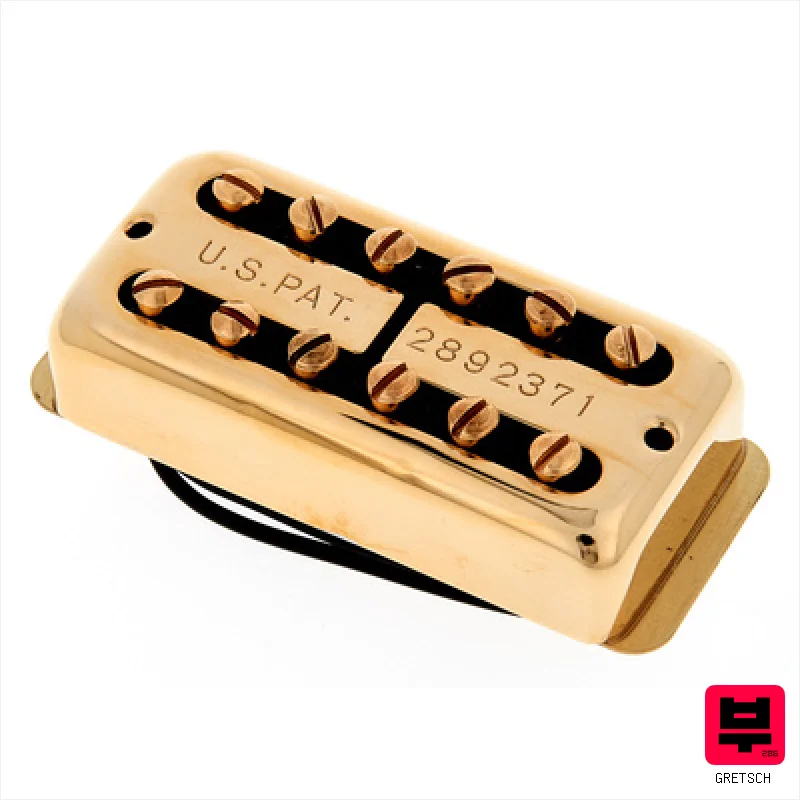
Gretsch 922-3859-000 Deltoluxe Acoustic Soundhole Pickup
Deltoluxe Pickup · Gretsch
19 for sale on Reverb1 finish at Thomann
The Gretsch Deltoluxe is a surprisingly capable magnetic soundhole pickup for the price. It's a great option for acoustic players who need a bit more stage volume or want to record direct without a mic—especially if you like a brighter, more cutting tone. It won't replace a good acoustic mic, but it’s a solid, budget-friendly solution.
Pros
- Alnico V magnet delivers a warm, articulate, and slightly edgy tone.
- Solid construction with a durable, nickel-plated housing resists wear.
- Versatile enough for folk, blues, and country styles with good clarity.
Cons
- The magnetic field can slightly dampen acoustic guitar resonance.
- Limited tonal shaping options; it's primarily a 'bright' pickup.
-
This little Harley Benton is a surprisingly effective way to amplify your steel-string acoustic. The hybrid design does a decent job of capturing some of the acoustic body resonance alongside the magnetic pickup's clarity. It's a great, budget-friendly option for gigging musicians needing a clean, amplified signal without breaking the bank.
Pros
- Active circuitry eliminates hum and noise, a significant benefit for stage use.
- Hybrid design captures both magnetic articulation and acoustic body resonance.
- Integrated volume and mic blend controls offer convenient on-the-fly adjustments.
Cons
- Active design requires batteries, adding maintenance and potential failure point.
- Steel-string acoustic guitars only; unsuitable for nylon-string instruments.
-
DiMarzio DP138 Virtual Acoustic Soundhole Acoustic Pickup
Virtual Acoustic DP 138 · DiMarzio
11 for sale on Reverb1 finish at Thomann
The DiMarzio Virtual Acoustic DP 138 is a surprisingly good option if you need a reliable, affordable way to amplify your acoustic without a huge tonal shift. It’s a great choice for gigging musicians who want a clean, hum-free signal without the fuss of active electronics, especially if you’re playing brighter styles like folk or country.
Pros
- Excellent natural acoustic tone, remarkably balanced for a magnetic pickup.
- Humbucker design effectively eliminates unwanted noise and hum onstage.
- Compact design minimizes obstruction of the acoustic guitar’s soundhole resonance.
Cons
- Lacks the nuanced complexity of premium piezo or condenser acoustic pickups.
- Can sound slightly 'magnetic' – requires EQ to fully blend with acoustic character.
47AudioFu
IndexStableno change since Aug 17Aug 17$122 now$122€109 at Thomann · in stockCheck price ↗ -
This pickup lets you turn it inside the guitar hole to tweak the tone. The solid maple body feels sturdy, and it works well with standard steel strings. It's a simple, budget-friendly option without extra knobs or complex wiring.
Pros
- Rotates inside sound hole for custom sound
- Solid maple housing adds stability
- Single coil design for clarity
Cons
- Fixed bracket limits some mounting angles
- No volume or tone controls included
All 26 magnetic pickups for acoustic guitars
Same index, same nightly prices — compact. Colour options of one model share a row. Tap a photo to zoom.
- 11
Taylor ES-Go Acoustic Soundhole Pickup for GS-MiniES Go Pickup GS Mini · Taylor46Stable$95€85$95€85Check ↗
- 12
Shadow SH 145 BK PrestigeShadow · 2 finishes45Stable$129€115$129€115Check ↗
- 13
Fishman Neo-D SingleCoilFishman39Stable$66€59$66€59Check ↗
- 14
Seymour Duncan Woody Single Coil WALSeymour Duncan39Stable$100€89$100€89Check ↗
- 15
Fishman Neo Buster HumbuckerFishman39Stable$107€95$107€95Check ↗
- 16
Shadow SH 141Shadow39Stable$110€98$110€98Check ↗
- 17
Seymour Duncan Woody Hum Cancelling WalnutSeymour Duncan39Stable$134€119$134€119Check ↗
- 18
Shadow SH 928 NMG-4 Nanomag TeardropShadow39Stable$190€169$190€169Check ↗
- 19
Harley Benton TrueTone SH-20 SinglecoilHarley Benton38Stable$28€25$28€25Check ↗
- 20
Mojotone Quiet Coil NC PassiveMojotone37Stable$179€159$179€159Check ↗
- 21
KNA Pickups SP-1KNA Pickups36↓ 2.6%$84€75$84€75Check ↗
- 22
Artec MSP-50 ENNArtec35Stable$33€29$33€29Check ↗
- 23
Artec Memphisys 66 OSJArtec35Stable$43€38$43€38Check ↗
- 24
KNA Pickups HP-1AKNA Pickups35Stable$122€109$122€109Check ↗
- 25
Dean Markley Promag Plus PickupDean Markley33Stable$62€55$62€55Check ↗
- 26
DeArmond Tone Boss PickupDeArmond33Stable$134€119$134€119Check ↗
Magnetic Pickups for Acoustic Guitars by the numbers
Measured across all 29 models we track, not a sample.
Median $100 — half of all magnetic pickups for acoustic guitars here cost less.
How to choose the best magnetic pickups for acoustic guitars
Pickup Voicing
This is huge. Some magnetic pickups sound sterile and brittle, others have a surprisingly warm, almost P-Bass-like character. We're looking for pickups that add something positive to your acoustic's inherent tone, not just amplify it.
Output Level
Lower output is generally better for acoustic tones. You want headroom to work with, to avoid that harsh, compressed breakup right out of the gate. Too much output and you'll be fighting to tame it.
String Balance
A good pickup will respond evenly across all six strings. Cheap pickups often have a noticeable imbalance - the bass strings might be muddy while the trebles are shrill. It's a pain to EQ out.
Ease of Installation
Some of these pickups are ridiculously easy to install, while others require some serious tweaking. Consider your skill level and whether you want to pay a tech to do it for you.
Construction Quality
Let's be real, under $200, you're going to find some plastic parts. But we're looking for pickups that feel solid, won't rattle, and aren't going to fall apart after a few gigs.
Buying guide
So, you want to amplify your acoustic without drilling a hole in your soundboard, eh? Magnetic pickups are a solid option, especially if you need to cut through a loud band mix or just want some extra juice for practice. Finding a good one under $200 takes a little digging, but it's definitely doable - you just gotta know what to look for. Let's break down the best bang-for-your-buck magnetic pickups for acoustic guitars.
At this price point, you're making trade-offs. Don't expect boutique-level clarity or a perfectly balanced frequency response. Often, you'll be sacrificing some high-end sparkle for a thicker, warmer tone - and that's not always a bad thing.
Pay close attention to string balance; a poorly balanced pickup will be a nightmare to mix. Also, consider the pickup's pole piece configuration - some are better suited for certain playing styles.
How the AudioFu Index works
Five measured signals and nothing else — no stars from strangers, no “tested by experts” we didn’t do. The weights are fixed and public. We don’t play these instruments; we measure the market around them.
This chart covers 29 magnetic pickups for acoustic guitars from the Thomann catalogue. Before you buy, read hands-on reviews and, where you can, play it. Full methodology.
AudioFu earns a commission when you buy through our Thomann links. It never changes the order — the index does.
- Demand40%
How many of this exact model are for sale on Reverb right now — what musicians actually buy and resell.
- Lineup20%
How many finishes Thomann stocks — makers expand the models that sell.
- Price15%
Where the price has moved since we started tracking in August.
- Specs15%
How completely the maker documents it.
- Maker10%
How deep the brand’s range is in this category.
Questions
Will a magnetic pickup sound like my acoustic's natural tone?
Nope. Magnetic pickups fundamentally change the sound. They'll add a distinct electric guitar 'flavor' - some warmth, some bite. It's about blending that with your acoustic's existing character, not replicating it.
Can I use these pickups with a preamp?
Absolutely. A preamp can boost the signal and shape the EQ, but be mindful of adding too much gain, which can lead to harshness. A subtle boost and a touch of mid-range can really help these pickups shine.
What's the difference between a single-coil and a humbucker magnetic pickup for acoustic?
Single coils tend to be brighter and more articulate, but can be noisier. Humbuckers are thicker, warmer, and hum-canceling, but can sometimes lack some of the acoustic clarity. It's a tonal preference thing.
How do I minimize feedback when using a magnetic pickup on stage?
Lower the volume, obviously! But also, try different pickup positions, use a notch filter on your amp, and consider a feedback suppressor pedal. A good mic technique also helps.
Are these pickups suitable for recording?
They can be, but be mindful of their inherent character. DI recording is an option, but blending the pickup signal with a microphone often yields the best results - you get the best of both worlds.