AudioFu Chart · October 2026
Best Lefthanded Acoustic Basses for Intermediate 2026
The top pick is Warwick Rockbass Alien Deluxe Hybrid Thinline 4 ($673). Ortega D7CE-4-L gives you the most for the money at $381. Ranked by the AudioFu Index from 13 models across 4 brands, prices checked every night.
Last updated: October 22, 2026
Top 10
Full detail for the 10 highest AudioFu Index scores. Every other model is listed below.
-
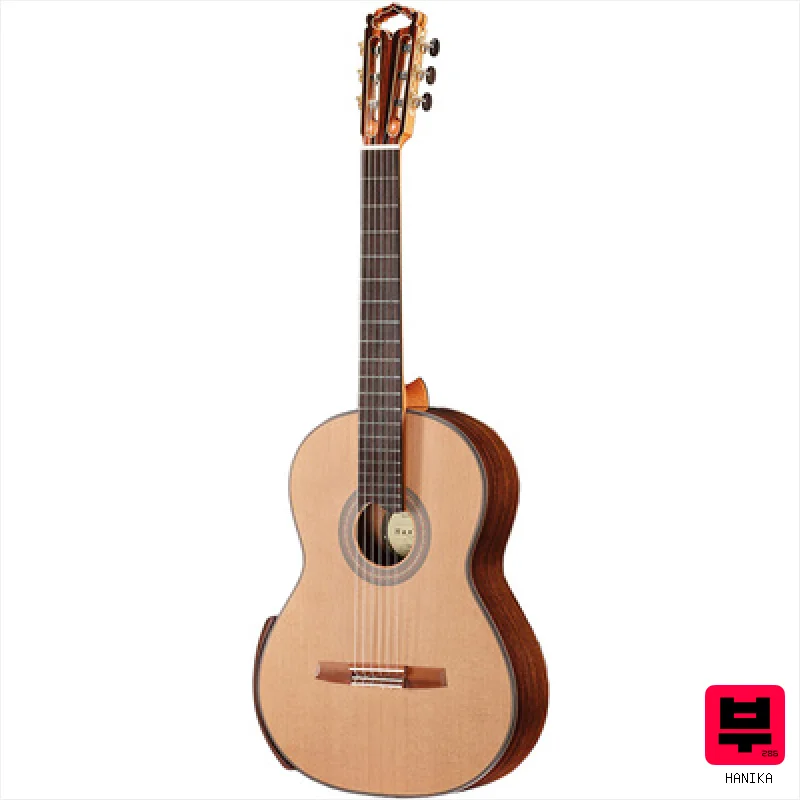
Warwick Rockbass Alien Deluxe Hybrid Thinline 4
Alien Deluxe Hybrid 4 LH NT · Warwick
9 for sale on Reverb1 finish at Thomann
- Nut width38.5 mm (1.52")
- Scale813 mm (32.01")
- Fingerboard radius508 mm (20")
- FingerboardWenge fingerboard
- Weight3.1 kg
This Alien Deluxe Hybrid is a seriously cool left-handed option for players wanting a stage-ready acoustic bass. The combination of a solid top and Shadow pickups delivers a surprisingly full and responsive sound, both acoustic and amplified, making it great for singer-songwriters or anyone needing a versatile performance instrument.
Pros
- Solid Sitka spruce top delivers a bright, articulate acoustic voice
- Walnut back and sides add warmth and sustain, balancing the spruce
- Shadow NanoMag pickups offer a surprisingly powerful and clear amplified tone
Cons
- Thin-line body, while comfortable, sacrifices some acoustic projection
- Hybrid design limits versatility compared to dedicated acoustic or electric basses
92AudioFu
IndexStableno change since Aug 17Aug 17$673 now$673€599 at Thomann · in stockCheck price ↗ -
Warwick Rockbass Alien Deluxe Hybrid Thinline 4
RB Alien Deluxe 4 NT · Warwick
9 for sale on Reverb1 finish at Thomann
- Nut width38.5 mm (1.52")
- FingerboardWenge fingerboard
- Weight3 kg
This left-handed acoustic bass sounds great unplugged thanks to its solid spruce top and walnut body. The Fishman pickup system handles amplification well, but the medium scale length might feel short to some players. It is a solid choice for left-handed musicians who want a warm tone without needing a full-size acoustic.
Pros
- Solid Sitka spruce top delivers strong acoustic resonance
- Mahogany set-in neck provides a warm, solid connection
- Fishman Sonicore piezo ensures reliable amplified output
Cons
- Medium scale length may feel unusual for some players
- Electronic bass lacks true acoustic string vibration
90AudioFu
Index↓ 8.3%since Aug 17 · lowest so far$673 · Aug 17$617 now$617€549 at Thomann · in stockCheck price ↗ -
Warwick Rockbass Alien Deluxe Hybrid Thinline 5
Alien Deluxe 5 NT LH · Warwick
6 for sale on Reverb1 finish at Thomann
- Nut width45 mm (1.77")
- Frets24 frets
- Strings5-string
- FingerboardWenge fingerboard
- Weight3.3 kg
The Alien Deluxe 5 NT LH is a surprisingly versatile acoustic-electric bass, perfect for gigging musicians who want a stage-ready instrument. The long scale and Fishman pickups offer a focused, articulate sound, while the solid spruce top provides a pleasing acoustic response. It’s a great choice for players wanting a quality 5-string acoustic with amplified capabilities.
Pros
- Solid AA Sitka spruce top delivers a surprisingly resonant acoustic tone
- Fishman Sonicore Piezo provides a clear, amplified signal for stage use
- Mahogany neck and wenge fretboard offer a comfortable, fast playing experience
Cons
- Walnut back and sides, while attractive, slightly dampen overall acoustic projection
- Fishman Presys Plus electronics, while good, lack some advanced EQ options
86AudioFu
IndexStableno change since Aug 17Aug 17$729 now$729€649 at Thomann · in stockCheck price ↗ -
Warwick Rockbass Alien Deluxe Hybrid Thinline 5
Alien Deluxe Hybrid 5 LH NT · Warwick
6 for sale on Reverb1 finish at Thomann
- Nut width45 mm (1.77")
- Strings5-string
- Weight3.3 kg
This left-handed bass uses a solid spruce top and walnut body for a warm, punchy sound. The dual pickup system lets you switch between magnetic and piezo tones easily. It is a great choice for players who want a long scale feel without sacrificing acoustic resonance.
Pros
- Solid Sitka spruce top drives strong low end
- Walnut back and sides add warm mid frequencies
- NanoMag and Piezo pickups blend magnetic and acoustic tone
Cons
- Glued-on neck lacks the stability of a bolt-on design
- No specific string gauge is listed in the specs
80AudioFu
IndexStableno change since Aug 17Aug 17$650 now$650€579 at Thomann · in stockCheck price ↗ -
- Nut width42.9 mm (1.69")
- Scale584 mm (22.99")
- Frets20 frets
This left-handed Micro Bass sounds warm thanks to the mahogany body and polymer strings. The active pickup lets you tweak bass and treble without extra knobs. It's great for players who want a clear tone that cuts through a band. You'll love the solid build, but you can't check the weight yet.
Pros
- Mahogany top and sides give a warm, punchy tone.
- Aquila polymer strings cut through mix with clarity.
- Active pickup with controls shapes your sound easily.
Cons
- No weight listed means you can't judge comfort.
- Bone saddle adds cost but may wear over time.
52AudioFu
IndexStableno change since Aug 17Aug 17$504 now$504€449 at Thomann · in stockCheck price ↗ -
- Nut width45 mm (1.77")
- Frets22 frets
- Strings5-string
- FingerboardWalnut fingerboard
This left-handed bass is built for players who want a solid sound without turning the instrument around. The spruce top and sapele sides give it a warm tone, while the rechargeable pickup means no dead batteries. It fits well in a shop or on a gig stage, making it a smart choice for a second bass or a student.
Pros
- Left-handed design fits reversed players perfectly
- Sapele and spruce wood offer rich resonance
- Integrated tuner keeps pitch accurate always
Cons
- No strings listed in the product details
- Weight is not stated in the description
56AudioFu
IndexStableno change since Aug 17Aug 17$448 now$448€399 at Thomann · in stockCheck price ↗ -
- Nut width45 mm (1.77")
- Scale812 mm (31.97")
- Frets22 frets
- FingerboardWalnut fingerboard
This lefty acoustic bass sounds great right out of the box thanks to its spruce top and Sapele woods. It plays nicely with a walnut fingerboard and comes with a built-in rechargeable pickup. While it lacks specific string gauges and weight data, it is an affordable choice for players who want solid tone without breaking the bank.
Pros
- Solid spruce top delivers bright, responsive acoustic tone
- Sapele back and sides offer rich, warm resonance
- Walnut fingerboard provides smooth playability for lefties
Cons
- No string gauge options listed for custom feel
- Missing detailed weight information for comfort checks
56AudioFu
IndexStableno change since Aug 17Aug 17$381 now$381€339 at Thomann · in stockCheck price ↗ -
Warwick Rockbass Alien Standard 5
RB Alien Standard 5 NT LH · Warwick
3 for sale on Reverb1 finish at Thomann
- Nut width45 mm (1.77")
- Frets24 frets
- Strings5-string
- FingerboardWenge fingerboard
- Weight3.3 kg
This Alien 5 NT LH is a solid entry into the acoustic bass world, particularly for left-handed players. The solid top and Fishman electronics give it a surprisingly powerful voice for an affordable instrument, making it great for folk, Americana, or unplugged gigs. It's a dependable workhorse bass for players seeking a natural, resonant tone.
Pros
- Solid Sitka spruce top delivers a surprisingly resonant and articulate acoustic tone.
- Fishman Sonicore piezo/Sonitone preamp combo provides a clean, amplified sound with good clarity.
- Long 34in scale enhances string definition and provides a tighter low-end response.
Cons
- Agathis back and sides, while functional, limit the overall tonal complexity compared to higher-grade woods.
- The weight (3.3 kg) can be a bit tiring for extended playing sessions.
77AudioFu
IndexStableno change since Aug 17Aug 17$774 now$774€689 at Thomann · in stockCheck price ↗ -
- Nut width45 mm (1.77")
- Strings5-string
- FingerboardWenge fingerboard
- Weight3.35 kg
This left-handed acoustic bass sounds like a real guitar with its solid spruce top. The titanium frets feel great to play, and the Fishman pickup cuts through the mix. It is a solid choice for musicians who need a five-string that plays like an acoustic guitar.
Pros
- Solid spruce top delivers bright, punchy acoustic tone.
- Titanium brass frets provide smooth playability and sustain.
- Fishman Sonicore pickup offers clean piezo clarity.
Cons
- Left-handed design is niche and harder to find.
- Acoustic basses often struggle with consistent volume.
61AudioFu
IndexStableno change since Aug 17Aug 17$898 now$898€799 at Thomann · in stockCheck price ↗ -
- Nut width38.5 mm (1.52")
- Strings4-string
- FingerboardWenge fingerboard
- Weight3.2 kg
This Alien A-Bass is a seriously impressive acoustic-electric instrument, especially for a left-handed player. The combination of spruce top and Ovangkol back gives it a warm, woody tone that translates beautifully amplified. It's a fantastic choice for acoustic gigs, recording, or anyone wanting a versatile, high-quality left-handed acoustic bass.
Pros
- Solid spruce top delivers a surprisingly articulate and resonant acoustic tone.
- Fishman Prefix Plus T electronics provide exceptional amplification and tonal shaping options.
- Wenge fingerboard offers a smooth, fast playing experience with a unique feel.
Cons
- The 20” radius fingerboard might feel unconventional for players accustomed to flatter profiles.
- The weight, typical of Ovangkol-backed instruments, could be a factor for extended playing.
61AudioFu
IndexStableno change since Aug 17Aug 17$1,100 now$1,100€979 at Thomann · in stockCheck price ↗
All 13 lefthanded acoustic basses
Same index, same nightly prices — compact. Colour options of one model share a row. Tap a photo to zoom.
Lefthanded Acoustic Basses by the numbers
Measured across all 13 models we track, not a sample.
Median $673 — half of all lefthanded acoustic basses here cost less.
median of 13 models · 38.5 mm (1.52")–45 mm (1.77")
median of 6 models · 20–24
median of 8 models · 4-string–5-string
most common · 8 models
How to choose the best lefthanded acoustic basses
Playability (Neck Profile & Action)
This is HUGE. An uncomfortable neck profile will kill your chops faster than anything. We're looking for something with a comfortable C or D shape, and an action that's low enough to be playable without excessive fret buzz - a real problem with cheaper acoustics.
Body Wood & Tone
Mahogany tends to give you that warm, punchy low-end thump you want from an acoustic bass, while spruce offers a brighter, more articulate tone. The interplay between these woods and the bracing pattern drastically impacts the overall character, and intermediate players are starting to discern those nuances.
Pickup Voicing & Electronics
A decent onboard pickup system isn't just about plugging in; it's about how it translates your playing. We're looking for pickups that capture the natural acoustic tone without adding unwanted harshness or a brittle high-end - that ice-picky top end that cuts through a mix but sounds awful in a smaller room.
Bracing Pattern & Sustain
The bracing pattern is what gives the bass structural integrity and influences its resonance. A well-executed scalloped bracing pattern (often found on more advanced models) can significantly improve sustain and projection, letting your notes ring longer and more clearly. Cheap bracing often means a dead, muffled sound.
Overall Construction & Hardware
Little things matter. Cheap tuners will fight you every time you tune up, and a poorly fitted bridge can lead to intonation problems. Solid hardware and clean construction indicate a better-built instrument that'll hold up to regular gigging.
Buying guide
Alright lefty bass players, so you're past the beginner noodle phase and looking for an acoustic bass that can actually hold up to some real playing - gigs, rehearsals, maybe even tracking a few tunes. Finding a left-handed acoustic bass that isn't a total dog can be tricky, and even more so when you want something that feels good and sounds decent without breaking the bank. We're focusing on instruments that offer a step up in features and playability, without requiring a second mortgage.
Don't be fooled by flashy finishes or big price tags. At this level, you're looking for a balance of playability, tone, and build quality. Corners often get cut with cheaper bracing and pickups, so listen carefully for that muddy low-end or harsh high-end.
Spending a bit more on a bass with a solid top (as opposed to laminate) is almost always worth it for improved tone and sustain.
How the AudioFu Index works
Five measured signals and nothing else — no stars from strangers, no “tested by experts” we didn’t do. The weights are fixed and public. We don’t play these instruments; we measure the market around them.
This chart covers 13 lefthanded acoustic basses from the Thomann catalogue. Before you buy, read hands-on reviews and, where you can, play it. Full methodology.
AudioFu earns a commission when you buy through our Thomann links. It never changes the order — the index does.
- Demand40%
How many of this exact model are for sale on Reverb right now — what musicians actually buy and resell.
- Lineup20%
How many finishes Thomann stocks — makers expand the models that sell.
- Price15%
Where the price has moved since we started tracking in August.
- Specs15%
How completely the maker documents it.
- Maker10%
How deep the brand’s range is in this category.
Questions
What's the difference between a solid top and a laminate top?
A solid top (like solid spruce or mahogany) vibrates more freely, producing a richer, more resonant tone. Laminate tops are made of layers of wood glued together - they're cheaper to produce but dampen the sound. For an intermediate player, a solid top is generally preferred.
I've heard about 'action' - what does that mean?
Action refers to the height of the strings above the frets. Lower action makes the bass easier to play, but too low can cause fret buzz. Higher action requires more force to fret notes, but eliminates buzz. Finding the sweet spot is key.
Are left-handed acoustic basses always more expensive?
Generally, yes. Production numbers are lower, so there's less competition and often higher prices. Be prepared to pay a premium, but shop around - deals can be found.
Can I realistically record an acoustic bass without a microphone?
You can, but the tone will be heavily reliant on the pickup system. It's usually best to combine a DI signal from the pickup with a microphone for a more natural and full sound. The pickup's voicing becomes even more critical in that scenario.
What's the deal with 'headroom' on a bass?
Headroom, in this context, refers to the dynamic range - how loud you can play before the signal distorts. A bass with good headroom will maintain clarity even when you're laying into it hard during a rehearsal or gig.