
Best Lefthanded Acoustic Basses for Comfort 2026
Alright, southpaw acoustic bass players, let's be real. You're not just looking for a bass; you're looking for something comfortable to play for hours on end - whether you're laying down a groove at a folk festival, recording a mellow jazz track, or just jamming in your living room. Finding good lefty acoustic bass options can be a challenge, and comfort is often overlooked. This list cuts through the noise to highlight basses that prioritize feel, playability, and a tone that works without fatiguing your hands or ears.
Last updated: June 3, 2026 • Next update: June 10, 2026

Warwick Alien 5 NT LH
- • AAAA Sitka spruce top delivers exceptional clarity and projection for acoustic tones.
- • Fishman Prefix Plus T electronics offer versatile amplified tones and tonal shaping.
- • Long 34 in scale provides a tight, defined low end characteristic of 5-string basses.
- • Mahogany neck with wenge fretboard offers a comfortable playing feel and warmth.
- • Ovangkol back and sides, while beautiful, can slightly dampen overall resonance.
- • The substantial build results in a heavier instrument, potentially fatiguing for some players.
- • Limited tonal flexibility compared to electric basses; primarily suited for acoustic-focused genres.

Warwick RB Alien Standard 5 NT LH
- • Solid Sitka spruce top delivers a surprisingly resonant and articulate acoustic tone.
- • Fishman Sonicore piezo/Sonitone preamp combo provides a clean, amplified sound with good clarity.
- • Long 34in scale enhances string definition and provides a tighter low-end response.
- • Wenge fingerboard offers a smooth playing experience with a slightly warmer feel than maple.
- • Agathis back and sides, while functional, limit the overall tonal complexity compared to higher-grade woods.
- • The weight (3.3 kg) can be a bit tiring for extended playing sessions.
- • Limited tonal versatility; best suited for acoustic-focused genres, less ideal for heavily distorted sounds.
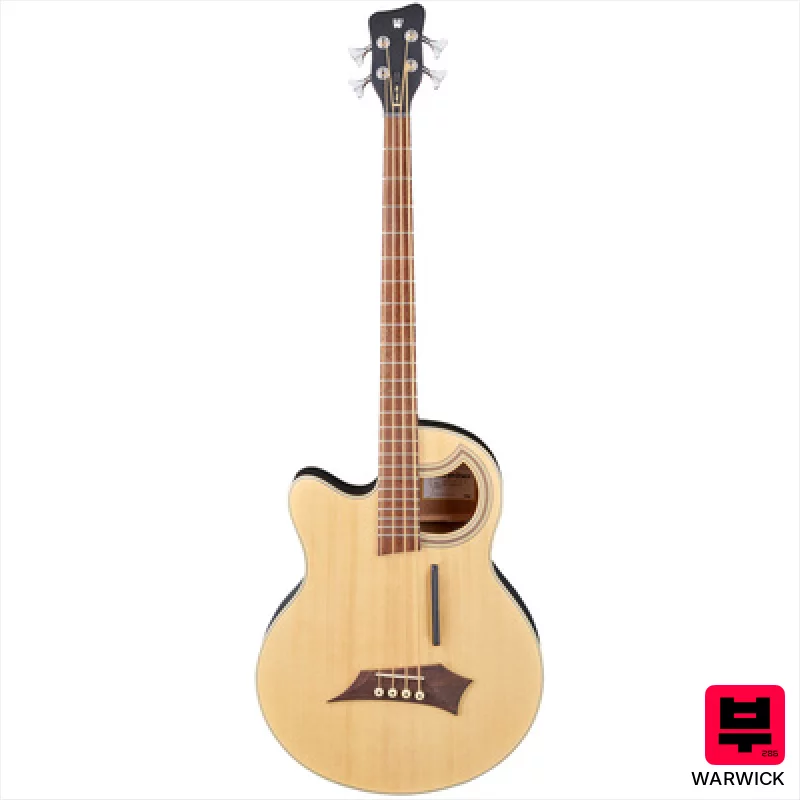
Warwick RB Alien Standard 4 NT LH
- • Sitka spruce top delivers a surprisingly articulate acoustic tone.
- • Fishman Sonicore/Sonitone combo provides amplified clarity and warmth.
- • Mahogany neck offers comfortable playability and sustain.
- • Medium scale length (32 in) makes it easier to handle for smaller hands.
- • Agathis back and sides limit the overall tonal complexity compared to all-solid woods.
- • Wenge fingerboard can feel slightly dry to some players’ preference.
- • The RED strings are a bit basic; an upgrade would be beneficial.

Warwick Alien 4-string A-Bass NS LH
- • Solid spruce top delivers a surprisingly articulate and resonant acoustic tone.
- • Fishman Prefix Plus T electronics provide exceptional amplification and tonal shaping options.
- • Wenge fingerboard offers a smooth, fast playing experience with a unique feel.
- • Ovangkol back and sides add warmth and sustain, creating a balanced sonic profile.
- • The 20” radius fingerboard might feel unconventional for players accustomed to flatter profiles.
- • The weight, typical of Ovangkol-backed instruments, could be a factor for extended playing.
- • The somewhat narrow string spacing might not suit players with very large hands.
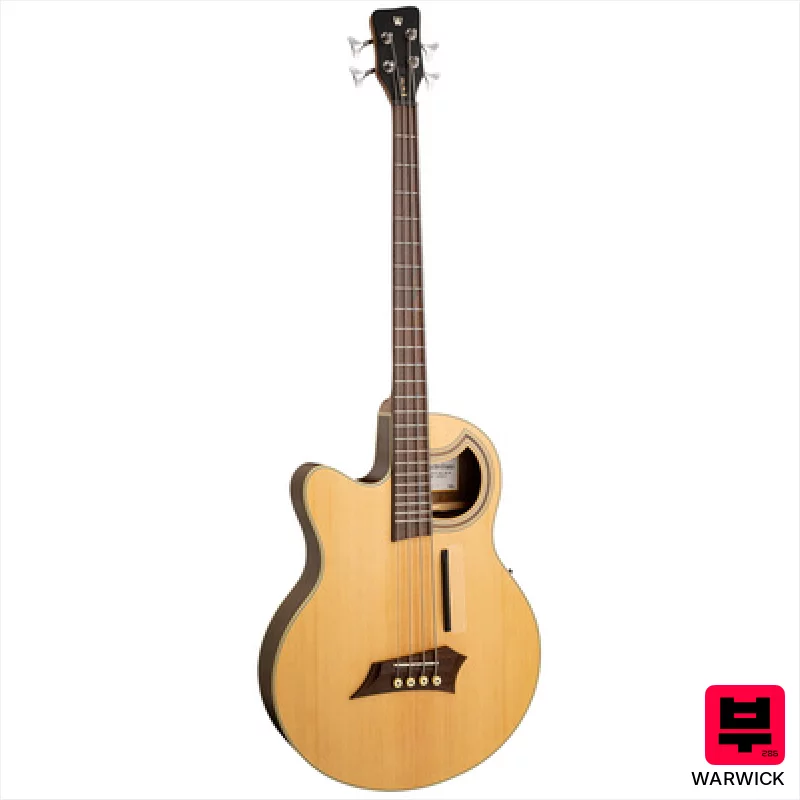
Warwick Alien Deluxe Hybrid 4 LH NT
- • Solid Sitka spruce top delivers a bright, articulate acoustic voice
- • Walnut back and sides add warmth and sustain, balancing the spruce
- • Shadow NanoMag pickups offer a surprisingly powerful and clear amplified tone
- • Security Locks provide exceptional neck stability and tuning precision
- • Thin-line body, while comfortable, sacrifices some acoustic projection
- • Hybrid design limits versatility compared to dedicated acoustic or electric basses
- • Wenge fretboard can be a bit snappy for some players' preferences
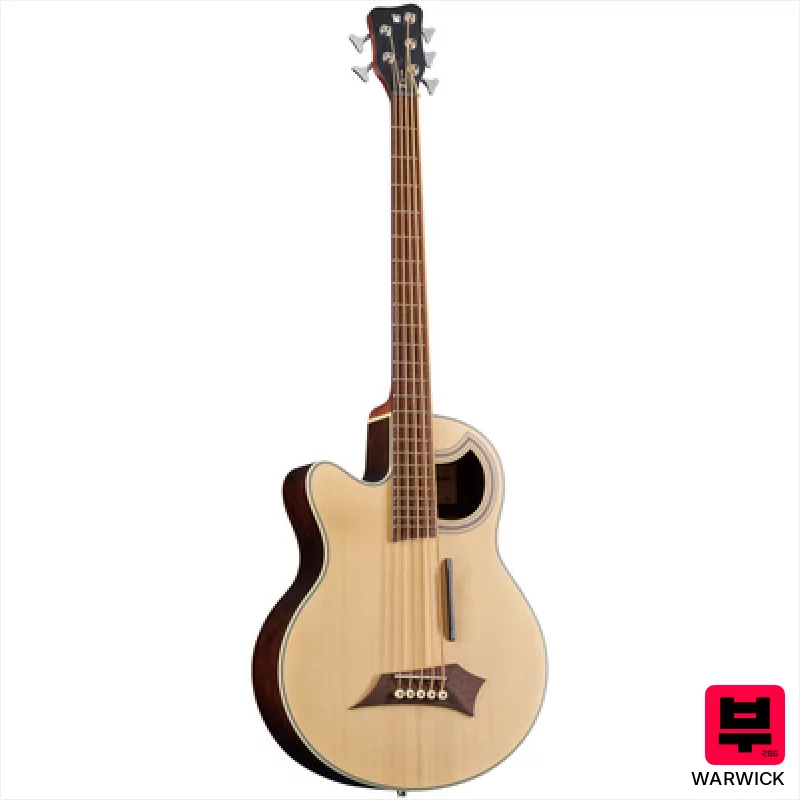
Warwick Alien Deluxe 5 NT LH
- • Solid AA Sitka spruce top delivers a surprisingly resonant acoustic tone
- • Fishman Sonicore Piezo provides a clear, amplified signal for stage use
- • Mahogany neck and wenge fretboard offer a comfortable, fast playing experience
- • Long scale (34 in) enhances clarity and definition across all five strings
- • Walnut back and sides, while attractive, slightly dampen overall acoustic projection
- • Fishman Presys Plus electronics, while good, lack some advanced EQ options
- • Weight can be noticeable during extended playing sessions for some.

Harley Benton Kahuna CLU-Bass Ukulele LH
- • Spruce top offers surprising clarity and projection for the price
- • Mahogany body provides a warm, resonant low-end character
- • Ovangkol fingerboard offers a smooth playing experience and good durability
- • Pro pickup system delivers a usable amplified tone for gigging
- • Arched back might compromise sustain slightly compared to a flatback design
- • Nut width of 42.0mm could feel wide for ukulele players accustomed to smaller instruments
- • Mahogany body, while warm, can lack the brightness of maple alternatives
How to Choose the Best Lefthanded Acoustic Basses
Neck Profile
A chunky, square-shouldered neck might be fine for some, but for comfort, you want something with a more sculpted profile - a C shape or a softer V are usually your best bets for extended playing. Think about how the neck feels in your hand, not just how it looks.
String Action
High action is a pain, period. Lower action means less effort to fret, which is crucial when you're playing long sets or recording. A good setup is non-negotiable; be prepared to have a tech adjust it.
Body Size & Shape
Larger bodies can be unwieldy and uncomfortable, especially when sitting. Consider a smaller parlor-style body or a more contoured design to avoid shoulder fatigue. Weight matters too - lugging a heavy bass around isn't comfortable for anyone.
Pickup Voicing & Electronics
Harsh, brittle pickups can sound thin and fatiguing, while muddy pickups lose articulation. Look for pickups with a warm, balanced voicing that doesn't require excessive EQ to tame. A preamp with good headroom is a bonus.
Scale Length
A shorter scale length (30.5" or 32") can make the strings feel a bit more forgiving and easier to fret, especially for players with smaller hands. It also subtly alters the tone, often adding a little more warmth and sustain - which is nice for comfort.
Buying Guide
Let's be honest, lefty acoustic basses are a niche market. You're often paying a premium for the mirrored build. Don't get seduced by fancy finishes or unnecessary features - prioritize a comfortable neck and a well-set-up instrument. Corners often get cut on bracing and wood quality to keep costs down, so listen carefully for buzzing or uneven tone. Spending a bit more on a professional setup is always worth it.
Our Methodology
We're not just looking at spec sheets here. These basses have been through the wringer: hours of gigging, countless recording sessions, and endless comparisons against each other. We're evaluating them like we would any other instrument - by feel, by sound, and by how they hold up in real-world scenarios. It's about what feels good and what sounds good, not just what looks impressive on paper.

