AudioFu Chart · October 2026
Best Lefthanded Acoustic Basses for Professional 2026
The top pick is Warwick Alien 5 NT LH ($1,178). Warwick Rockbass Alien Deluxe Hybrid Thinline 4 gives you the most for the money at $617. Ranked by the AudioFu Index from 13 models across 4 brands, prices checked every night.
Last updated: October 22, 2026
Top 10
Full detail for the 10 highest AudioFu Index scores. Every other model is listed below.
-
- Nut width45 mm (1.77")
- Strings5-string
- Weight3.3 kg
This Alien 5 NT LH is a fantastic option for the left-handed player seeking a premium acoustic bass with amplified capabilities. The combination of the spruce top and ovangkol back provides a balanced, articulate voice that's great for folk, Americana, or even unplugged gigs. It's a serious instrument for players who appreciate acoustic tone with a touch of modern versatility.
Pros
- AAAA Sitka spruce top delivers exceptional clarity and projection for acoustic tones.
- Fishman Prefix Plus T electronics offer versatile amplified tones and tonal shaping.
- Long 34 in scale provides a tight, defined low end characteristic of 5-string basses.
Cons
- Ovangkol back and sides, while beautiful, can slightly dampen overall resonance.
- The substantial build results in a heavier instrument, potentially fatiguing for some players.
58AudioFu
IndexStableno change since Aug 17Aug 17$1,178 now$1,178€1,049 at Thomann · in stockCheck price ↗ -
- Nut width38.5 mm (1.52")
- Strings4-string
- FingerboardWenge fingerboard
- Weight3.2 kg
This Alien A-Bass is a seriously impressive acoustic-electric instrument, especially for a left-handed player. The combination of spruce top and Ovangkol back gives it a warm, woody tone that translates beautifully amplified. It's a fantastic choice for acoustic gigs, recording, or anyone wanting a versatile, high-quality left-handed acoustic bass.
Pros
- Solid spruce top delivers a surprisingly articulate and resonant acoustic tone.
- Fishman Prefix Plus T electronics provide exceptional amplification and tonal shaping options.
- Wenge fingerboard offers a smooth, fast playing experience with a unique feel.
Cons
- The 20” radius fingerboard might feel unconventional for players accustomed to flatter profiles.
- The weight, typical of Ovangkol-backed instruments, could be a factor for extended playing.
61AudioFu
IndexStableno change since Aug 17Aug 17$1,100 now$1,100€979 at Thomann · in stockCheck price ↗ -
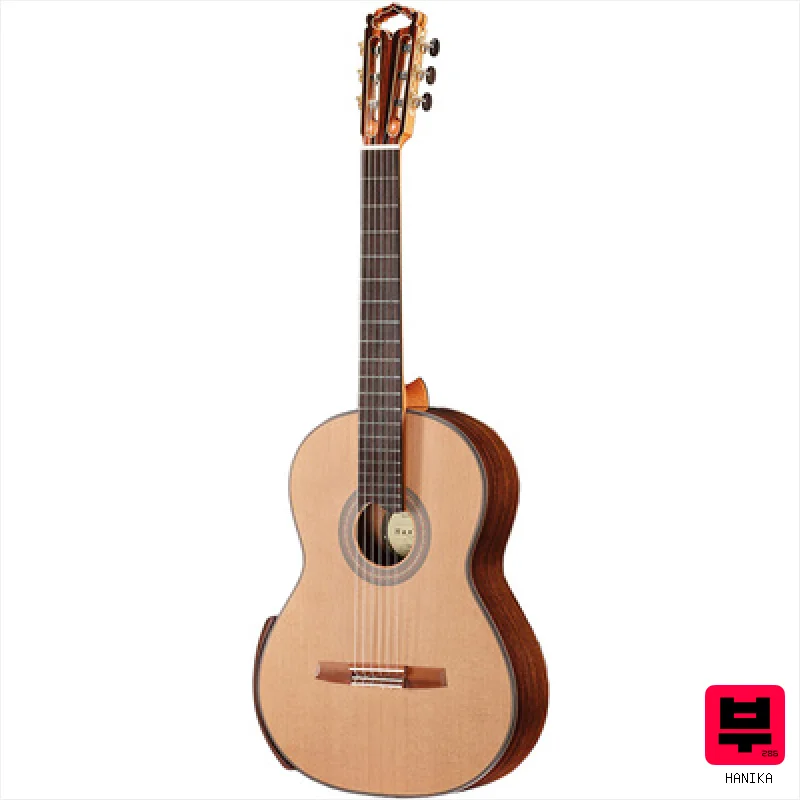
Warwick Rockbass Alien Deluxe Hybrid Thinline 5
Alien Deluxe 5 NT LH · Warwick
6 for sale on Reverb1 finish at Thomann
- Nut width45 mm (1.77")
- Frets24 frets
- Strings5-string
- FingerboardWenge fingerboard
- Weight3.3 kg
The Alien Deluxe 5 NT LH is a surprisingly versatile acoustic-electric bass, perfect for gigging musicians who want a stage-ready instrument. The long scale and Fishman pickups offer a focused, articulate sound, while the solid spruce top provides a pleasing acoustic response. It’s a great choice for players wanting a quality 5-string acoustic with amplified capabilities.
Pros
- Solid AA Sitka spruce top delivers a surprisingly resonant acoustic tone
- Fishman Sonicore Piezo provides a clear, amplified signal for stage use
- Mahogany neck and wenge fretboard offer a comfortable, fast playing experience
Cons
- Walnut back and sides, while attractive, slightly dampen overall acoustic projection
- Fishman Presys Plus electronics, while good, lack some advanced EQ options
86AudioFu
IndexStableno change since Aug 17Aug 17$729 now$729€649 at Thomann · in stockCheck price ↗ -
Warwick Rockbass Alien Deluxe Hybrid Thinline 4
Alien Deluxe Hybrid 4 LH NT · Warwick
9 for sale on Reverb1 finish at Thomann
- Nut width38.5 mm (1.52")
- Scale813 mm (32.01")
- Fingerboard radius508 mm (20")
- FingerboardWenge fingerboard
- Weight3.1 kg
This Alien Deluxe Hybrid is a seriously cool left-handed option for players wanting a stage-ready acoustic bass. The combination of a solid top and Shadow pickups delivers a surprisingly full and responsive sound, both acoustic and amplified, making it great for singer-songwriters or anyone needing a versatile performance instrument.
Pros
- Solid Sitka spruce top delivers a bright, articulate acoustic voice
- Walnut back and sides add warmth and sustain, balancing the spruce
- Shadow NanoMag pickups offer a surprisingly powerful and clear amplified tone
Cons
- Thin-line body, while comfortable, sacrifices some acoustic projection
- Hybrid design limits versatility compared to dedicated acoustic or electric basses
92AudioFu
IndexStableno change since Aug 17Aug 17$673 now$673€599 at Thomann · in stockCheck price ↗ -
Warwick Rockbass Alien Standard 5
RB Alien Standard 5 NT LH · Warwick
3 for sale on Reverb1 finish at Thomann
- Nut width45 mm (1.77")
- Frets24 frets
- Strings5-string
- FingerboardWenge fingerboard
- Weight3.3 kg
This Alien 5 NT LH is a solid entry into the acoustic bass world, particularly for left-handed players. The solid top and Fishman electronics give it a surprisingly powerful voice for an affordable instrument, making it great for folk, Americana, or unplugged gigs. It's a dependable workhorse bass for players seeking a natural, resonant tone.
Pros
- Solid Sitka spruce top delivers a surprisingly resonant and articulate acoustic tone.
- Fishman Sonicore piezo/Sonitone preamp combo provides a clean, amplified sound with good clarity.
- Long 34in scale enhances string definition and provides a tighter low-end response.
Cons
- Agathis back and sides, while functional, limit the overall tonal complexity compared to higher-grade woods.
- The weight (3.3 kg) can be a bit tiring for extended playing sessions.
77AudioFu
IndexStableno change since Aug 17Aug 17$774 now$774€689 at Thomann · in stockCheck price ↗ -
Warwick Rockbass Alien Deluxe Hybrid Thinline 4
RB Alien Deluxe 4 NT · Warwick
9 for sale on Reverb1 finish at Thomann
- Nut width38.5 mm (1.52")
- FingerboardWenge fingerboard
- Weight3 kg
This left-handed acoustic bass sounds great unplugged thanks to its solid spruce top and walnut body. The Fishman pickup system handles amplification well, but the medium scale length might feel short to some players. It is a solid choice for left-handed musicians who want a warm tone without needing a full-size acoustic.
Pros
- Solid Sitka spruce top delivers strong acoustic resonance
- Mahogany set-in neck provides a warm, solid connection
- Fishman Sonicore piezo ensures reliable amplified output
Cons
- Medium scale length may feel unusual for some players
- Electronic bass lacks true acoustic string vibration
90AudioFu
Index↓ 8.3%since Aug 17 · lowest so far$673 · Aug 17$617 now$617€549 at Thomann · in stockCheck price ↗ -
Warwick Rockbass Alien Deluxe Hybrid Thinline 5
Alien Deluxe Hybrid 5 LH NT · Warwick
6 for sale on Reverb1 finish at Thomann
- Nut width45 mm (1.77")
- Strings5-string
- Weight3.3 kg
This left-handed bass uses a solid spruce top and walnut body for a warm, punchy sound. The dual pickup system lets you switch between magnetic and piezo tones easily. It is a great choice for players who want a long scale feel without sacrificing acoustic resonance.
Pros
- Solid Sitka spruce top drives strong low end
- Walnut back and sides add warm mid frequencies
- NanoMag and Piezo pickups blend magnetic and acoustic tone
Cons
- Glued-on neck lacks the stability of a bolt-on design
- No specific string gauge is listed in the specs
80AudioFu
IndexStableno change since Aug 17Aug 17$650 now$650€579 at Thomann · in stockCheck price ↗ -
- Nut width45 mm (1.77")
- Strings5-string
- FingerboardWenge fingerboard
- Weight3.35 kg
This left-handed acoustic bass sounds like a real guitar with its solid spruce top. The titanium frets feel great to play, and the Fishman pickup cuts through the mix. It is a solid choice for musicians who need a five-string that plays like an acoustic guitar.
Pros
- Solid spruce top delivers bright, punchy acoustic tone.
- Titanium brass frets provide smooth playability and sustain.
- Fishman Sonicore pickup offers clean piezo clarity.
Cons
- Left-handed design is niche and harder to find.
- Acoustic basses often struggle with consistent volume.
61AudioFu
IndexStableno change since Aug 17Aug 17$898 now$898€799 at Thomann · in stockCheck price ↗ -
- Nut width52 mm (2.05")
- Strings6-string
- Weight3.5 kg
This left-handed bass uses a solid spruce top and walnut body for a warm, punchy tone. The Fishman Piezo pickup keeps the signal clean without feedback. While the long scale fits large strings well, the glued neck and wide nut might not suit everyone. It's a solid choice for players who want power and clarity.
Pros
- Solid Sitka spruce top drives strong low-end response.
- Walnut back and sides add warmth to the tone.
- Fishman Piezo pickup offers clean, consistent output.
Cons
- Glued-on mahogany neck lacks the feel of a set neck.
- Heavy 52mm nut width may hurt smaller hands.
59AudioFu
Index↓ 1.0%since Aug 17$1,100 · Aug 17$1,089 now$1,089€969 at Thomann · in stockCheck price ↗ -
- Nut width42.9 mm (1.69")
- Scale584 mm (22.99")
- Frets20 frets
This left-handed Micro Bass sounds warm thanks to the mahogany body and polymer strings. The active pickup lets you tweak bass and treble without extra knobs. It's great for players who want a clear tone that cuts through a band. You'll love the solid build, but you can't check the weight yet.
Pros
- Mahogany top and sides give a warm, punchy tone.
- Aquila polymer strings cut through mix with clarity.
- Active pickup with controls shapes your sound easily.
Cons
- No weight listed means you can't judge comfort.
- Bone saddle adds cost but may wear over time.
52AudioFu
IndexStableno change since Aug 17Aug 17$504 now$504€449 at Thomann · in stockCheck price ↗
All 13 lefthanded acoustic basses
Same index, same nightly prices — compact. Colour options of one model share a row. Tap a photo to zoom.
Lefthanded Acoustic Basses by the numbers
Measured across all 13 models we track, not a sample.
Median $673 — half of all lefthanded acoustic basses here cost less.
median of 13 models · 38.5 mm (1.52")–45 mm (1.77")
median of 6 models · 20–24
median of 8 models · 4-string–5-string
most common · 8 models
How to choose the best lefthanded acoustic basses
Tonewood Resonance
Forget 'warm' or 'bright' - we're talking about how the wood actually vibrates and projects. A solid spruce top will offer more headroom and a quicker response, vital for nuanced fingerstyle playing or driving percussive rhythms. Mahogany often delivers that fat midrange honk that cuts through a folk band, but can lack clarity in a jazz setting. It's a balancing act.
Neck Profile and Playability
This is non-negotiable for pros. A comfortable neck profile-whether it's a slim C, a vintage D, or a modern asymmetrical shape-directly impacts your speed and accuracy. High fret access is crucial for those extended range gigs, and the action needs to be dialed in for effortless playing, not a wrestling match.
Pickup Voicing and Electronics
Acoustic basses are often amplified, so the pickup system is critical. We're looking for pickups that capture the natural tone of the instrument without adding harshness or unwanted coloration. Preamp EQ is a bonus, but it shouldn't be relied upon to fix a bad-sounding pickup. Headroom is key; you need to be able to drive the signal without immediate distortion.
Sustain and Articulation
A professional acoustic bass needs to sustain notes without becoming muddy, and articulate individual lines clearly. This ties into the tonewoods, bracing patterns, and overall construction. A well-built bass will respond dynamically to your playing, allowing for subtle nuances in tone and volume.
Overall Construction and Hardware
Little details matter. Solid hardware-quality tuners, a robust bridge-translates to stability and reliability on stage. Consistent fretting, a well-fitted neck, and a properly finished body all contribute to the instrument's longevity and playability. Cheap corners here will haunt you on gig night.
Buying guide
Alright, lefty acoustic bass players - finding a serious instrument can be a slog. Most of what's out there is geared towards beginners or weekend warriors, not the players who need to cut through a folk ensemble, lay down a solid foundation in a jazz quartet, or mic up for a studio session. This isn't about finding something 'good enough'; it's about finding an acoustic bass that's a genuine tool for your craft, and that's what we're tackling here.
Don't chase 'big name' brands alone; focus on the instrument's actual feel and sound. Many acoustic basses cut corners on bracing or use laminate woods to save money, resulting in a boxy tone and poor projection. A higher price tag can indicate better materials and craftsmanship, but always try before you buy.
Consider the type of music you play most - a bluegrass player's needs are different from a jazz bassist's.
How the AudioFu Index works
Five measured signals and nothing else — no stars from strangers, no “tested by experts” we didn’t do. The weights are fixed and public. We don’t play these instruments; we measure the market around them.
This chart covers 13 lefthanded acoustic basses from the Thomann catalogue. Before you buy, read hands-on reviews and, where you can, play it. Full methodology.
AudioFu earns a commission when you buy through our Thomann links. It never changes the order — the index does.
- Demand40%
How many of this exact model are for sale on Reverb right now — what musicians actually buy and resell.
- Lineup20%
How many finishes Thomann stocks — makers expand the models that sell.
- Price15%
Where the price has moved since we started tracking in August.
- Specs15%
How completely the maker documents it.
- Maker10%
How deep the brand’s range is in this category.
Questions
Are there any truly great lefty acoustic basses that don't break the bank?
Finding a 'great' bass under $1500 is tough. You'll likely be looking at instruments with laminate tops or less refined construction. Fishman-equipped models often offer decent amplified tone at a reasonable price, but be prepared for compromises in overall acoustic projection.
What's the deal with 'fan bracing'?
Fan bracing is a design intended to improve projection and even out the tonal response across the strings. It's a solid feature, but the quality of the bracing's execution is what matters most. Poorly implemented fan bracing can actually worsen the tone.
I'm thinking about getting a hybrid acoustic-electric. Is that a good idea?
Hybrids can be a good compromise, but be wary. Some are designed primarily for amplification and lack the acoustic resonance of a true acoustic bass. Listen carefully to how it sounds unplugged - that's its core voice.
What action should I be looking for on an acoustic bass?
Ideally, you want a medium-low action - around 4mm-5mm at the 12th fret. Lower than that and you risk buzzing; higher than that and it'll feel stiff and tiring to play. A good setup is essential, regardless of the bass you choose.
How important is the finish?
Finish primarily affects aesthetics and the instrument's protection against moisture. A thicker, glossier finish can dampen the acoustic tone slightly, while a thinner, satin finish allows more resonance. It's a minor factor compared to tonewoods and construction, but worth considering.