
Best In-Ear Transmitters for Multiple Musicians 2026
So, you're looking to ditch the floor wedges and go in-ear for your band? Smart move - stage volume and clarity are night and day. But running multiple IEMs isn't just about plugging in a transmitter; it's about reliability, tone, and how well each instrument cuts through the mix for everyone on stage. Let's break down the best in-ear transmitters for multiple musicians, and what you really need to consider.
Last updated: July 22, 2026 • Next update: July 29, 2026
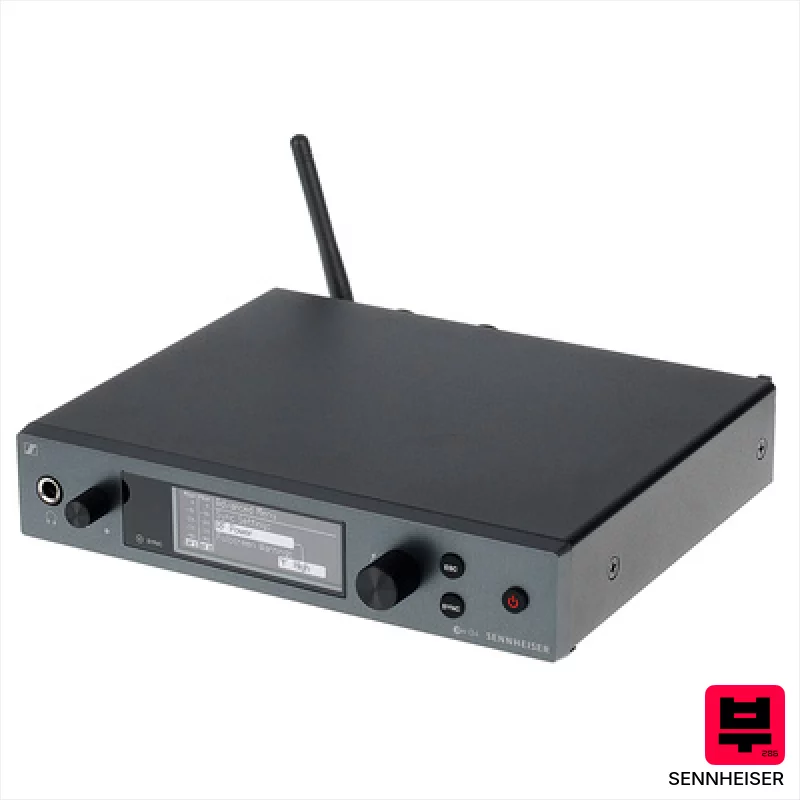
Sennheiser SR IEM G4 B-Band
- • B-band provides reliable, license-free operation in many regions
- • HDX compander delivers excellent audio clarity and minimizes interference
- • OLED display offers clear, real-time feedback on settings and signal levels
- • WSM integration simplifies frequency management in complex RF environments
- • B-band frequencies can be congested in densely populated areas
- • Limited frequency range compared to wider UHF systems
- • Higher power settings can significantly reduce battery life with handheld receivers
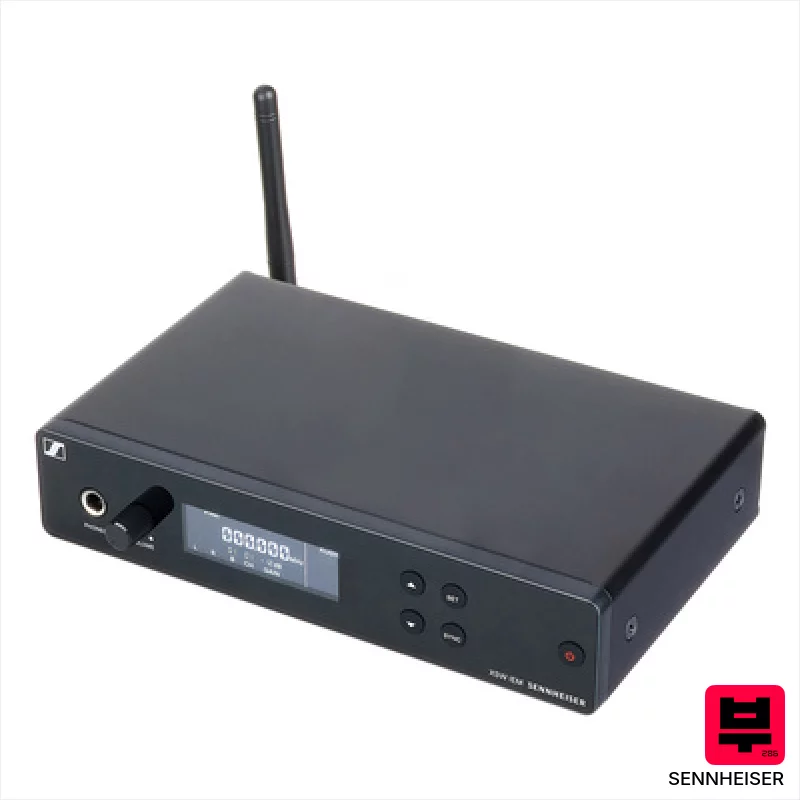
Sennheiser XSW IEM SR A-Band
- • Solid Sennheiser build quality; feels robust and reliable.
- • Infrared sync simplifies frequency matching across multiple units.
- • Wide 24 MHz bandwidth allows for greater channel flexibility.
- • Excellent audio clarity; handles complex mixes well.
- • A-Band frequencies can be susceptible to interference in crowded RF environments.
- • Relatively heavy; portability might be a concern for frequent travel.
- • Limited channel count compared to higher-end systems.
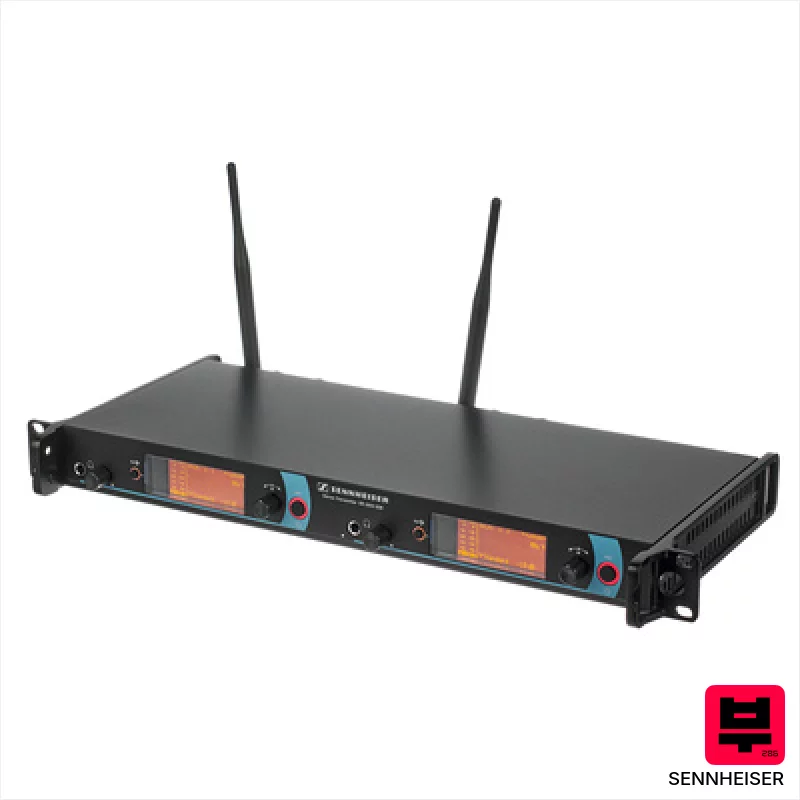
Sennheiser SR 2050 IEM-AW+
- • Exceptional audio clarity with Sennheiser's HDX compander system
- • Wide 75 MHz bandwidth provides substantial frequency flexibility
- • Robust 19in rackmount design simplifies professional setups
- • Multiple power settings optimize range and battery life for IEMs
- • Premium-priced, represents a significant investment for smaller acts
- • Limited frequency band compared to some competing systems
- • Ethernet connectivity adds complexity for simpler setups

Shure P3T PSM 300 S8
- • Excellent 24-bit audio processing minimizes noise and artifacts
- • Shure’s Audio Reference Companding delivers transparent, high-fidelity sound
- • MixMode function offers flexible stage monitoring control
- • Robust build quality and detachable BNC antenna enhance durability and versatility
- • Infrared transmission can be susceptible to interference in crowded RF environments
- • Limited frequency band (S8) restricts channel availability in some locations
- • Requires a compatible Shure PSM 300 receiver for full functionality
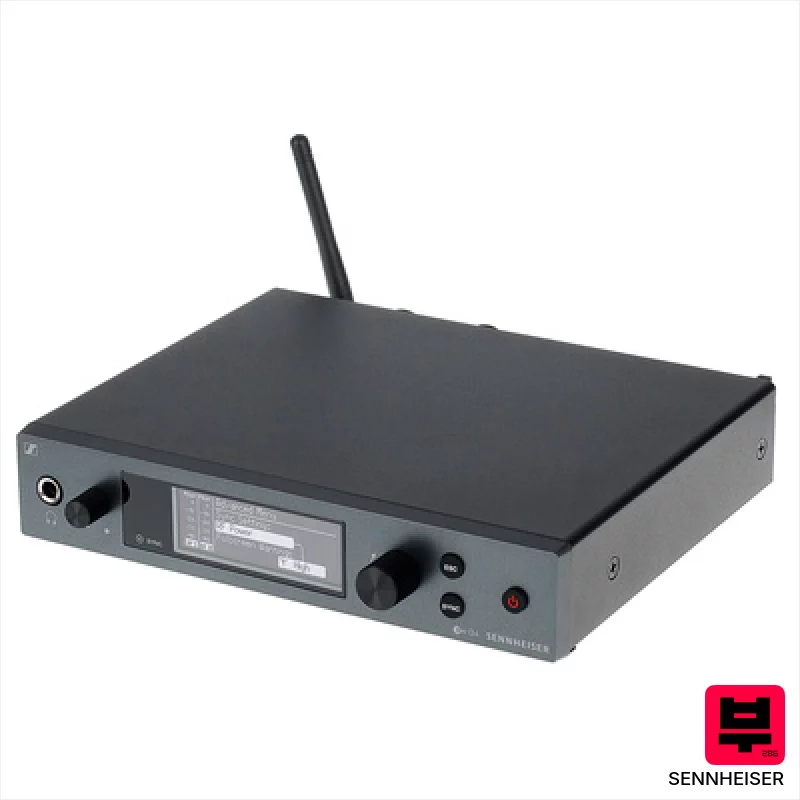
Sennheiser SR IEM G4 A1-Band
- • Rock-solid Sennheiser build quality; feels immediately durable.
- • Excellent HDX compander minimizes stage noise and feedback.
- • Flexible channel banks and presets offer serious customization.
- • WSM integration simplifies frequency coordination in complex setups.
- • A1 band availability varies geographically; check local regulations.
- • Infrared frequency sync can be finicky with obstructions.
- • Premium-priced; a significant investment for smaller gigs.
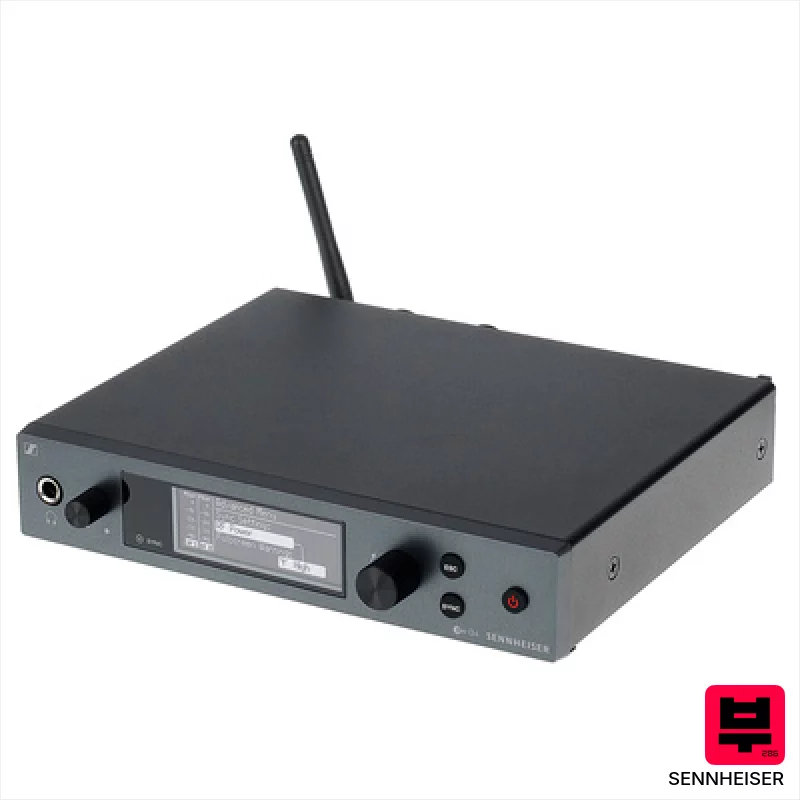
Sennheiser SR IEM G4 G-Band
- • G-band offers clean, reliable wireless performance even in crowded RF environments
- • HDX compander delivers excellent audio clarity and reduces unwanted noise
- • Intuitive OLED display provides real-time feedback on signal strength and settings
- • WSM integration allows for professional frequency management and remote control
- • G-band licensing can be complex and may require permits in certain regions
- • The unit’s size and weight make it less ideal for mobile performers
- • Limited frequency band compared to wider spectrum systems can restrict channel availability
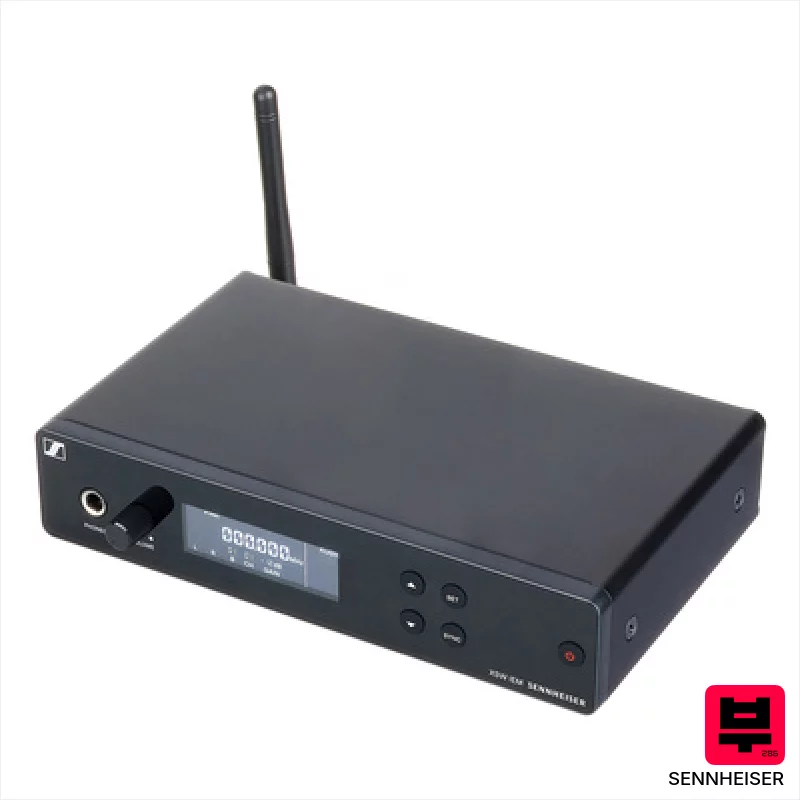
Sennheiser XSW IEM SR B-Band
- • Solid build quality; feels robust and reliable for stage use.
- • Infrared sync simplifies channel matching, a real time-saver.
- • B-band offers relatively clean spectrum, minimizing interference potential.
- • Good frequency response; delivers clear audio for vocals and instruments.
- • B-band availability varies geographically; check local regulations.
- • Limited channel count compared to wider-band systems.
- • The unit is fairly heavy, can be a burden for extended handheld use.

Sennheiser SR 2050 IEM-BW
- • Exceptional audio clarity with Sennheiser's HDX compander system.
- • Wide 75 MHz bandwidth allows for dense channel allocation.
- • Robust 19-inch rack mountable design for professional setups.
- • Ethernet connectivity enables remote control and monitoring.
- • Premium-priced, a significant investment for smaller acts.
- • Limited frequency band versatility compared to broader spectrum systems.
- • The larger size and weight might be cumbersome for portable use.
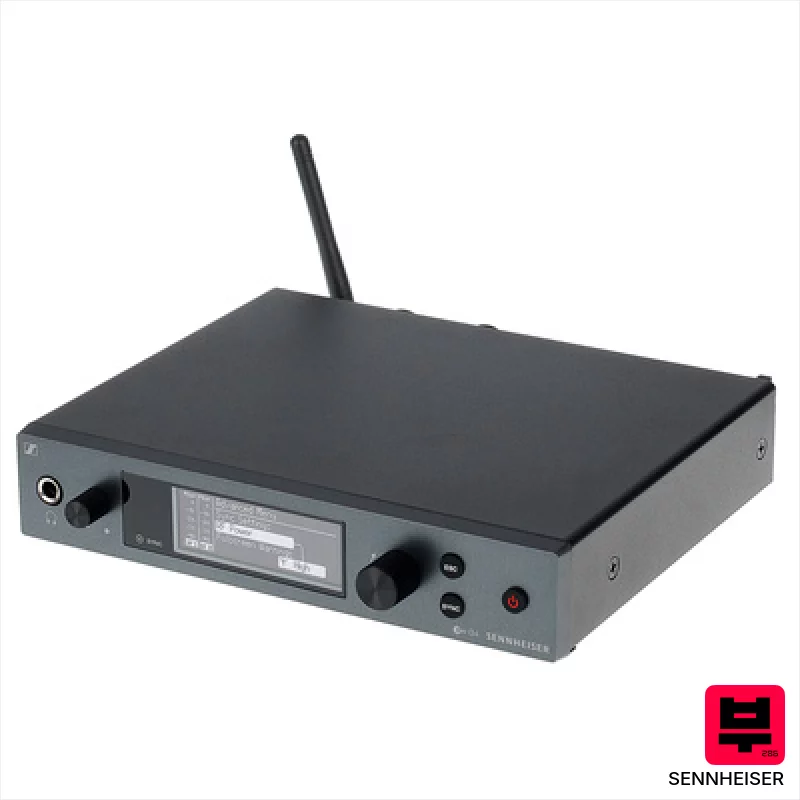
Sennheiser SR IEM G4 E-Band
- • E-band provides exceptional RF clarity and minimal interference.
- • HDX compander delivers transparent audio with excellent dynamic range.
- • Intuitive OLED display offers clear, at-a-glance system status.
- • WSM integration simplifies frequency coordination for complex setups.
- • E-band licensing can be complex and vary by region.
- • The unit's size and weight make it less portable than some alternatives.
- • Limited channel count per receiver compared to some broader band systems.
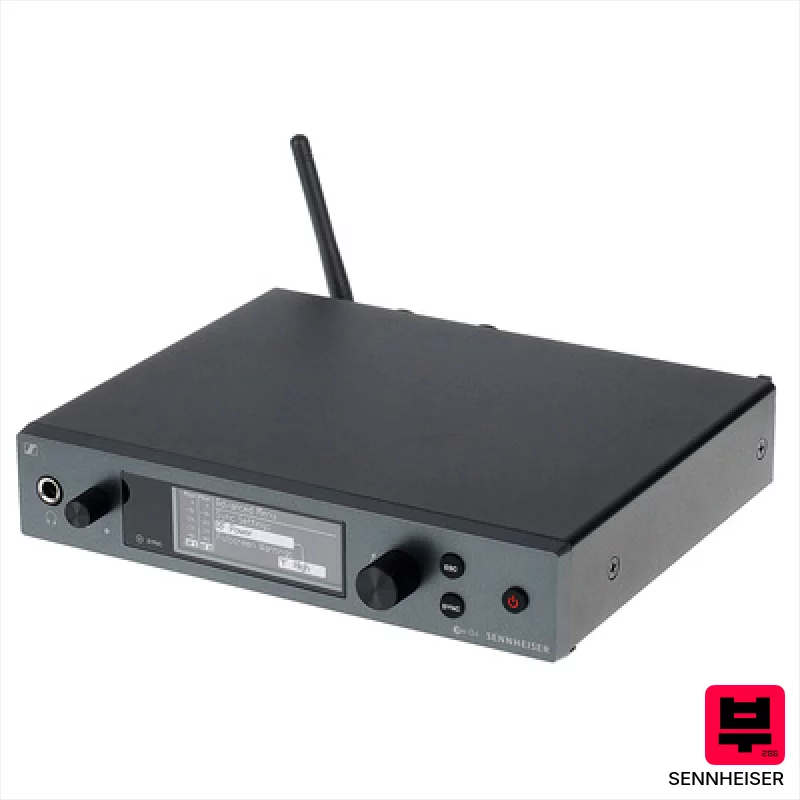
Sennheiser SR IEM G4 A-Band
- • Robust build quality; feels like it'll withstand serious stage abuse
- • Excellent HDX compander minimizes RF interference and feedback
- • Wide frequency range and channel count offer exceptional flexibility
- • Intuitive OLED display provides clear, at-a-glance monitoring data
- • A-band operation can be problematic in congested RF environments
- • Infrared frequency synchronization is less reliable than radio-based systems
- • Premium-priced, potentially prohibitive for budget-conscious performers
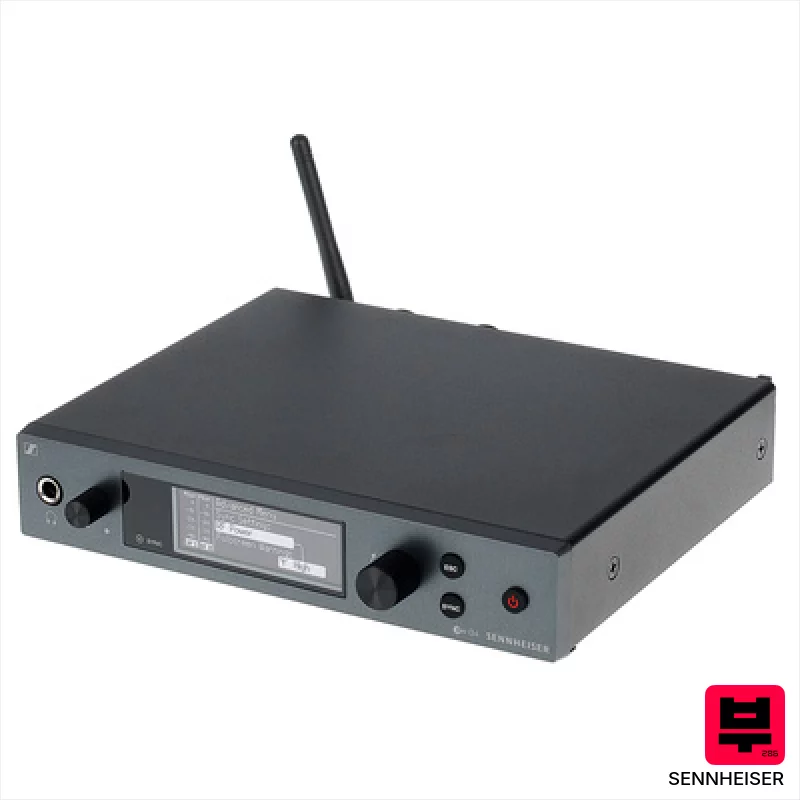
Sennheiser SR IEM G4 GB-Band
- • Rock-solid GB-band frequency allocation for reliable performance.
- • HDX compander delivers clear audio even in noisy environments.
- • Intuitive OLED display simplifies level and frequency management.
- • WSM support allows for centralized frequency coordination in complex setups.
- • GB-band availability varies significantly by region, limiting portability.
- • Premium-priced, representing a significant investment for smaller operations.
- • Limited frequency range compared to wider bandwidth systems.

LD Systems MEI 1000 G2 T
- • Solid build quality with a metal chassis for stage durability
- • Dual combo inputs offer flexibility for instrument and vocal use
- • Detachable BNC antenna allows for optimized reception
- • Compact 9.5in form factor suits tight stage setups
- • Limited frequency range compared to higher-end systems
- • Antenna performance can be susceptible to interference in crowded RF environments
- • No Dante connectivity for network integration

Shure P3T PSM 300 K3E
- • Shure’s Audio Reference Companding delivers exceptionally clean, clear audio.
- • MixMode offers incredible flexibility for stage monitoring mixes.
- • The K3E band provides a good selection of usable frequencies in many regions.
- • Robust build quality – feels solid and reliable for gigging.
- • Infrared transmission can be susceptible to interference from stage lighting.
- • Limited channel count compared to some higher-end systems.
- • The BNC antenna is basic; an upgraded antenna would improve range.
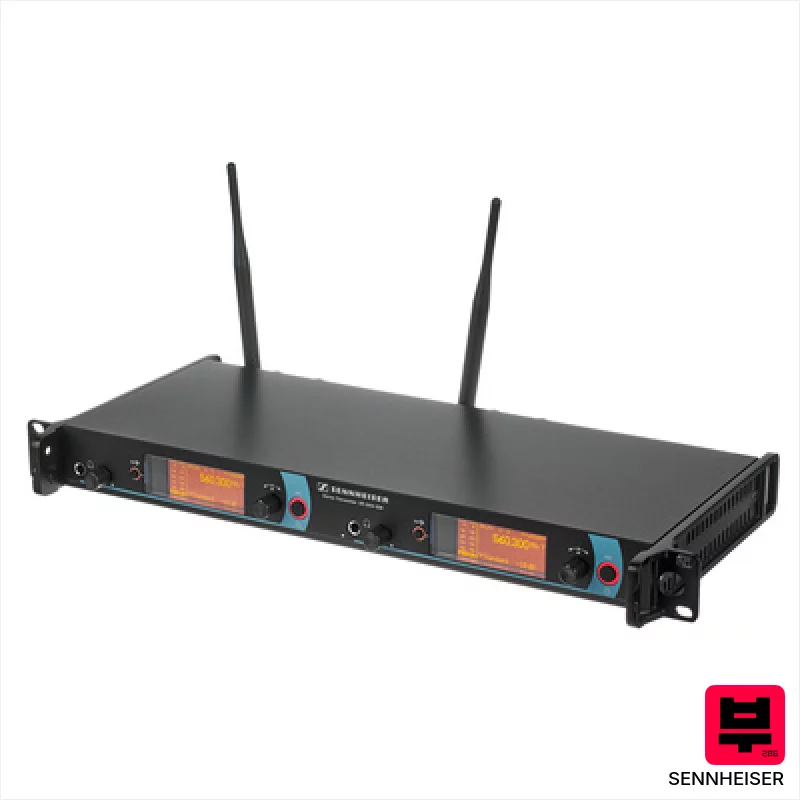
Sennheiser SR 2050 IEM-GW
- • Excellent RF stability even in crowded wireless environments.
- • HDX compander provides clean, dynamic audio with minimal noise.
- • Flexible channel bank system simplifies frequency coordination for multiple users.
- • Robust 19in rackmount design allows for seamless integration into professional rigs.
- • Premium-priced, representing a significant investment for smaller operations.
- • Limited frequency band compared to some competing systems, potentially restricting channel availability.
- • Ethernet connectivity adds complexity; may not be essential for all users.
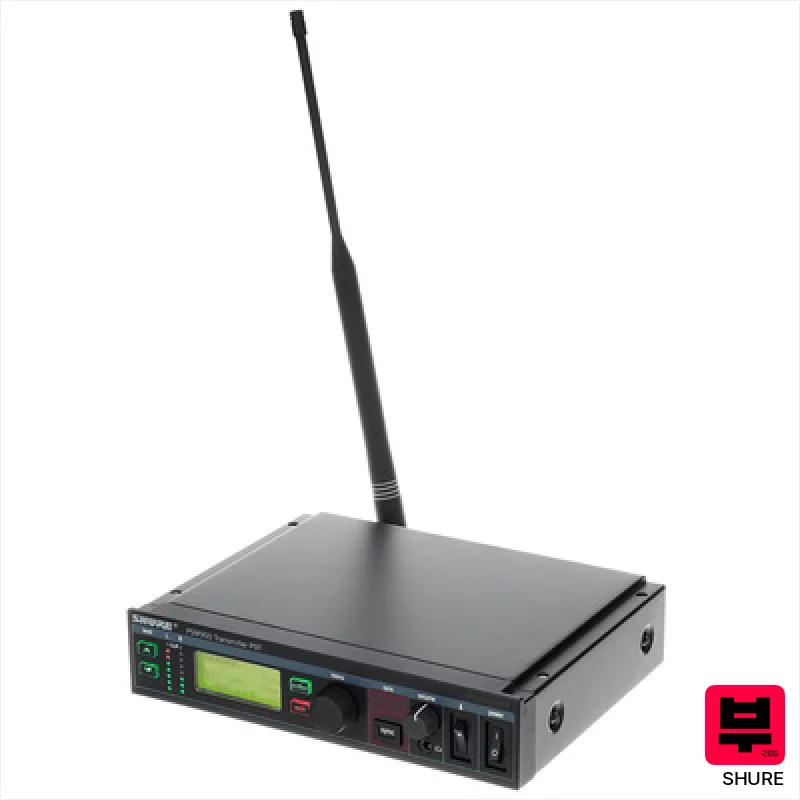
Shure P9T PSM 900 G6E
- • Robust metal chassis provides excellent durability on stage.
- • Shure's Audio Reference Companding delivers exceptionally clear in-ear monitoring.
- • Improved scan and sync simplifies frequency management in crowded RF environments.
- • Switchable power offers flexibility for range and battery life optimization.
- • The weight (850g) makes it less ideal for extended handheld operation.
- • G6E frequency band availability can be limited depending on your region.
- • Premium-priced, representing a significant investment for smaller venues or solo artists.
How to Choose the Best In-Ear Transmitters
Frequency Response & Clarity
It's not just about 'flat' response; it's about how accurately it reproduces each instrument. A muddy low-end will bury your bass, while a harsh high-midrange will make guitars sound brittle. We're looking for something that captures the nuance of each player's sound - the warmth of a vintage amp, the articulation of a snare drum.
Dynamic Range & Headroom
Multiple musicians mean complex mixes. You need a transmitter with enough headroom to handle the peaks and troughs without compression artifacts or distortion, especially when the drummer's really laying into it. A transmitter that clips easily will just sound bad and fatiguing.
Channel Count & Flexibility
A 2-channel system might work for a duo, but a full band needs more. Consider the ability to group instruments - sending the drums and bass to the drummer, guitars to the rhythm section, and vocals to everyone. Having a few extra channels for future expansion is never a bad idea.
Build Quality & Reliability
Stage life is brutal. These transmitters are getting tossed in cases, exposed to sweat, and generally abused. Solid construction, reliable wireless frequencies, and a long battery life are non-negotiable. Cheap transmitters tend to fail at the worst possible moments.
Antenna System & Range
A strong antenna is crucial for consistent signal. Weak antennas lead to dropouts and frustrating signal degradation, especially when you're moving around the stage. Range matters too; you don't want to be tethered to the soundboard.
Buying Guide
Don't chase the flashiest features. A transmitter that sounds good and stays connected is worth more than a dozen bells and whistles you'll never use. With multiple musicians, you're paying for reliability and the ability to create personalized mixes, so budget accordingly. Cheaper systems often cut corners on dynamic range and build quality, leading to frustration and eventually, replacement costs.
Our Methodology
We're not relying on spec sheets here. We've spent countless hours A/B'ing these transmitters in band rehearsals, live gigs (everything from smoky bars to outdoor festivals), and even tracking sessions. We're listening for things like dynamic headroom, how the tone translates to different ear molds, and how well they handle feedback - the stuff that matters when you're actually playing.

